Loading Wildlife…

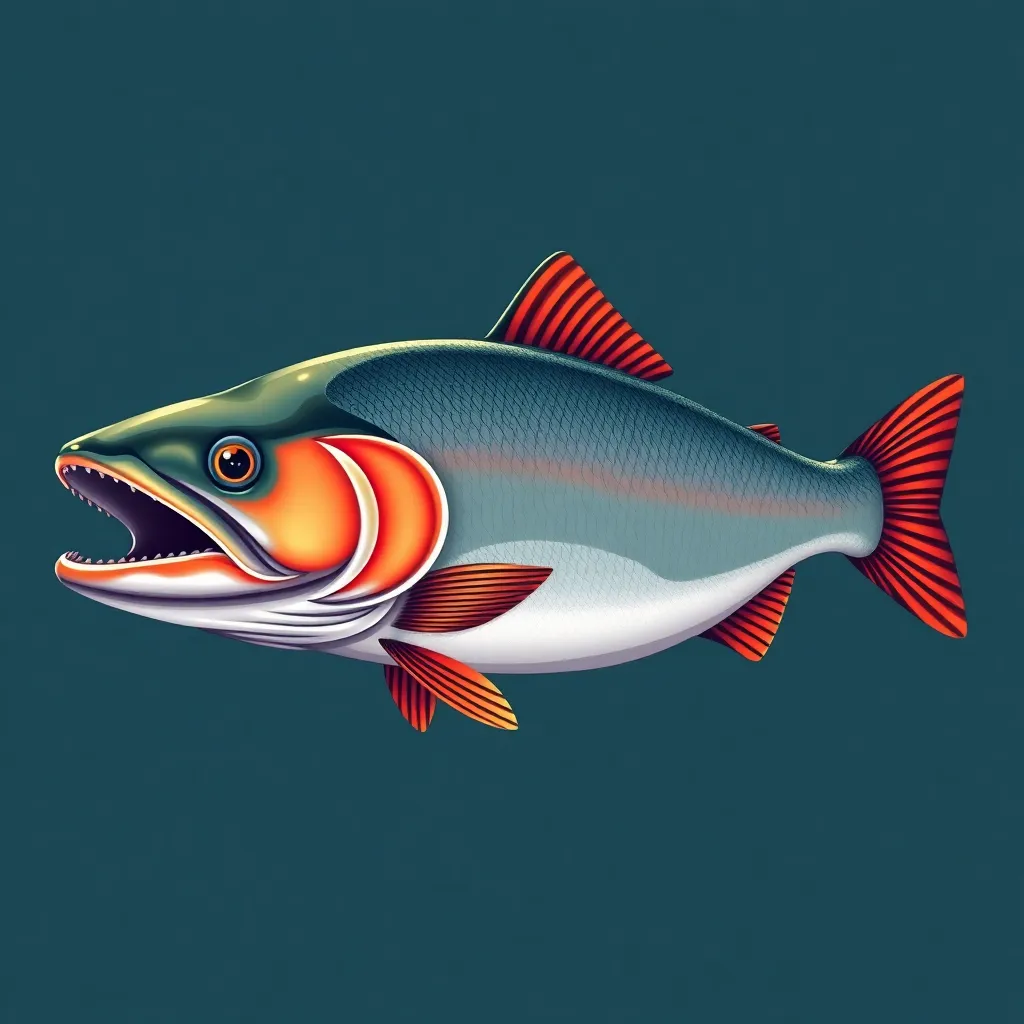
Salmonidae LC

THE

SALMON

Silver Arrow of the River

Salmo salar

Europe
CLASS Actinopterygii FAMILY Salmonidae GENUS Salmo
30 km/h
Top Speed
⚖️
2-36 kg
Max Weight
📏
70-150 cm
Body Length
🕰️
2-8 years
Lifespan
🍖
Carnivore
Diet Type

IUCN Red List — Where this species stands

LC Least Concern
NT Near Threatened
VU Vulnerable
EN Endangered
CR Critical
EW Extinct Wild
EX Extinct

About the Salmon

Salmo salar

Advertisement

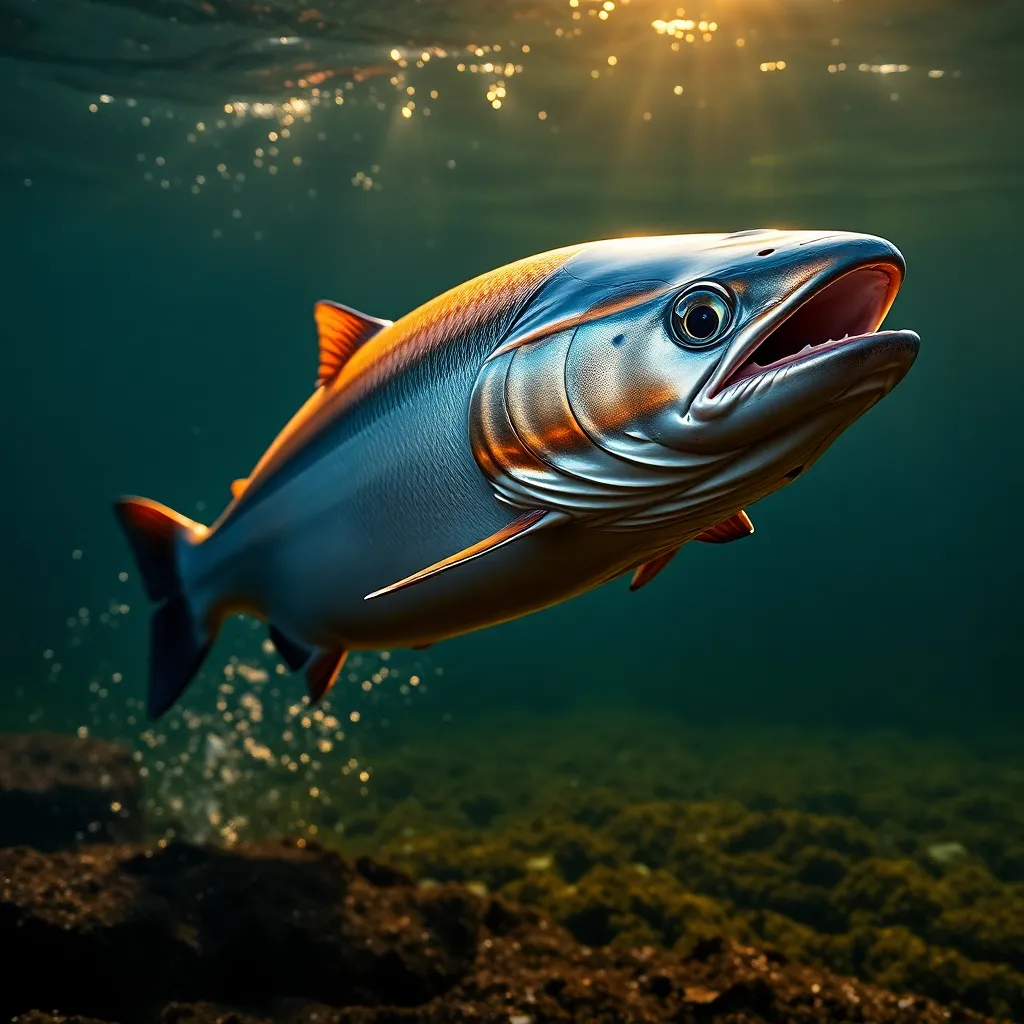
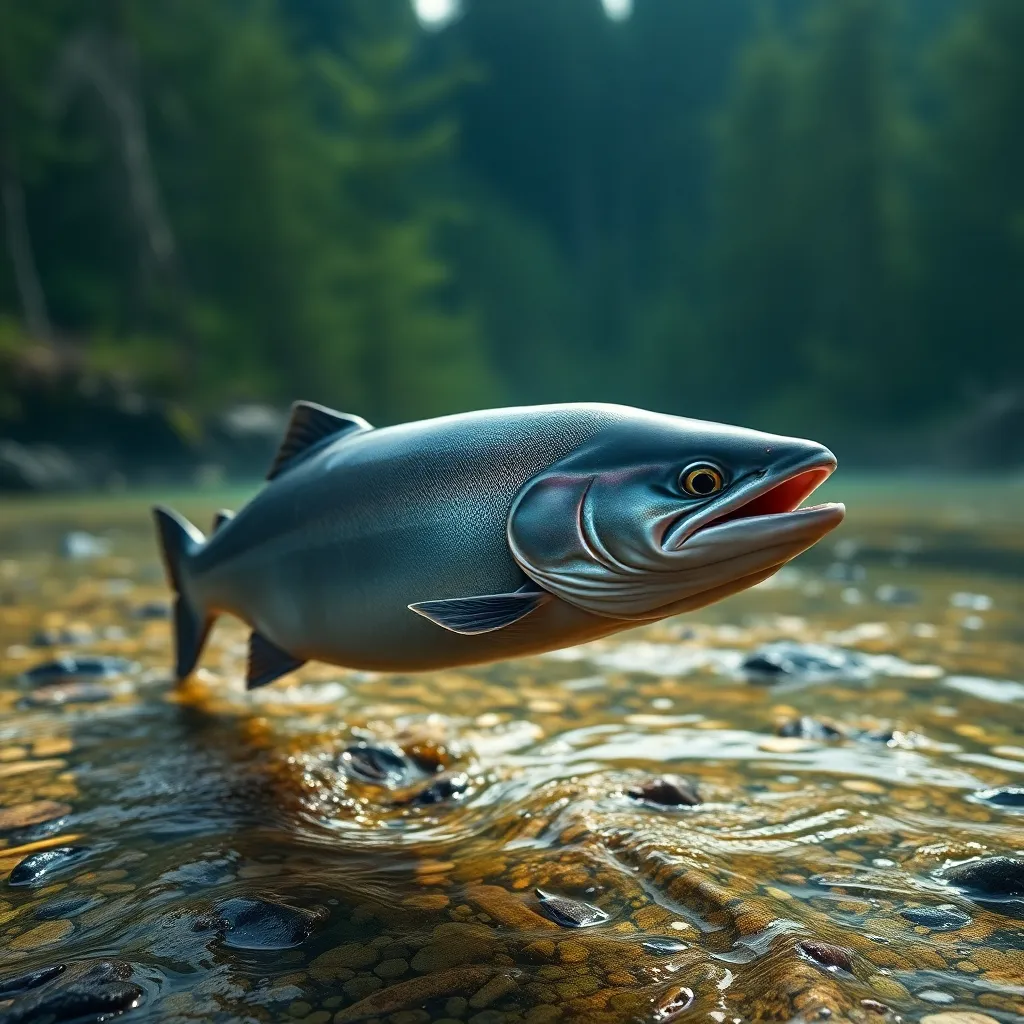
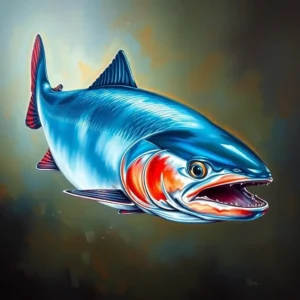
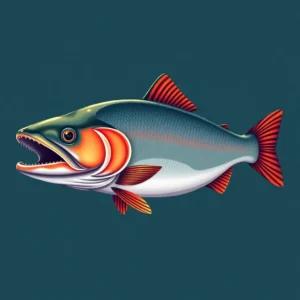
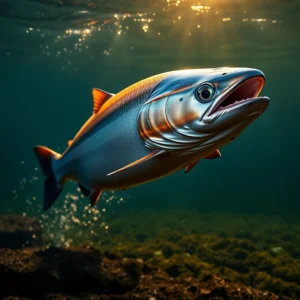
The Atlantic Salmon is one of the world’s most iconic migratory fish, completing extraordinary oceanic journeys before returning to the exact freshwater stream where it hatched to spawn. Traveling up to 3,500 km in the ocean and then fighting upstream against powerful currents, waterfalls, and predators to reach spawning grounds, salmon are supreme athletes of the aquatic world. Their decomposing bodies after spawning deliver a pulse of marine-derived nutrients — nitrogen, phosphorus, and carbon — deep into forest ecosystems, fertilizing trees many kilometers from the sea.

⚡ Speed Comparison

Human
12 km/h
Salmon
30 km/h
Car (city)
50 km/h
Horse
54 km/h

💡 Fun Facts

01

Atlantic Salmon navigate back to their natal river using olfactory memory — they memorize the unique chemical signature of their birth stream as juveniles and follow it home years later.

02

During the upstream spawning migration, salmon stop eating entirely and fuel their journey by metabolizing their own muscle tissue, losing up to 40% of their body weight.

03

Salmon carry a 'chemical map' of the ocean in their otoliths (ear bones) — annual growth rings record temperature and chemistry, preserving a complete record of everywhere they have been.

04

Salmon that return to spawn are recognizable by their dramatic physical transformation: males develop a hooked lower jaw called a kype, deepen red coloration, and develop a humped back.

05

The nutrients in salmon carcasses are traceable in tree rings up to 500 meters from streams — a direct link between ocean productivity and forest growth that researchers call the 'salmon forest.'

Unlock Expert Wildlife Facts

Watch a short 15-second video to unlock detailed expert analysis, exclusive wildlife photography, and rare behavioral facts.

📍 Where to Find This Animal

🛒 Salmon Related Gear

As an Amazon Associate we earn from qualifying purchases.
🗨️

Join the Conversation

Share your thoughts about the Salmon

✍️

Leave a Comment

Your email address will not be published. Required fields are marked *

How Big Is a Salmon?

Side-by-side comparison with an adult human (175 cm)

🧍
Human
175 cm
🐟
Salmon
65 cm
shoulder height
2-36 BODY WEIGHT
70-150 BODY LENGTH
30 TOP SPEED
2-8 LIFESPAN
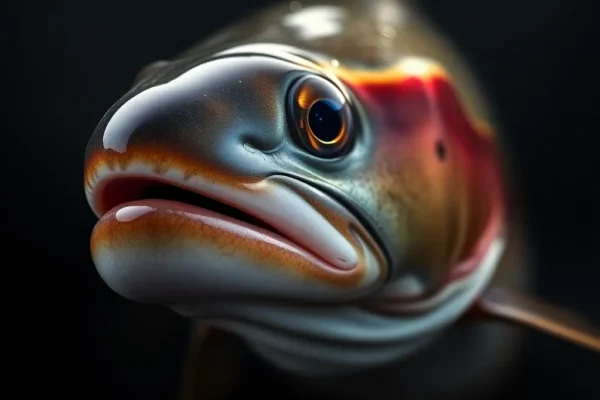
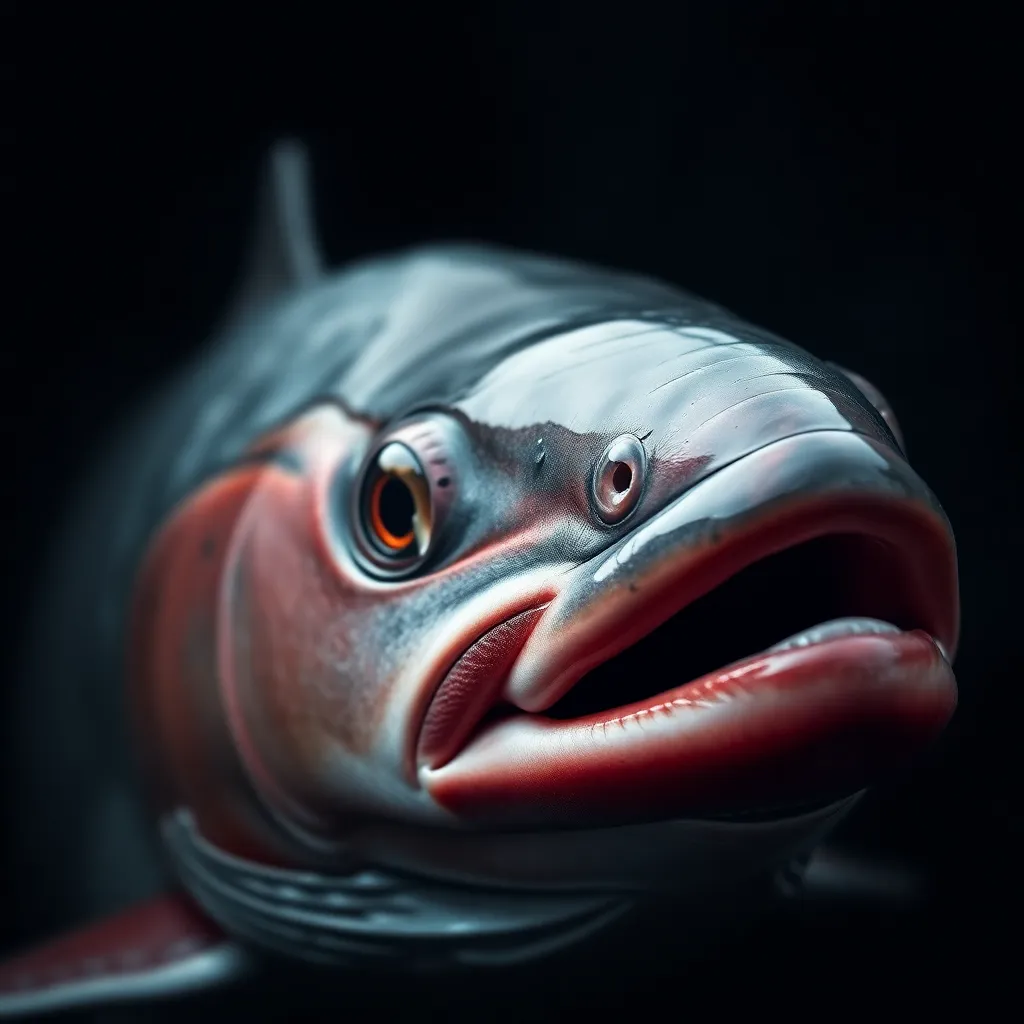
Salmon close-up
Salmon

SURVIVAL TOOLKIT

Built for Survival

Nature's engineering refined over millions of years

🔬 SURVIVAL TOOLKIT
Olfactory Home Navigation
01

Olfactory Home Navigation

Highly sensitive olfactory receptors in the nose memorize the unique biochemical signature of the natal stream, guiding return migrations years later.

Anadromous Physiology
02

Anadromous Physiology

Smoltification — a hormonal transformation — reprograms the kidneys, gills, and salt regulation to switch between freshwater and saltwater environments.

Powerful Leaping
03

Powerful Leaping

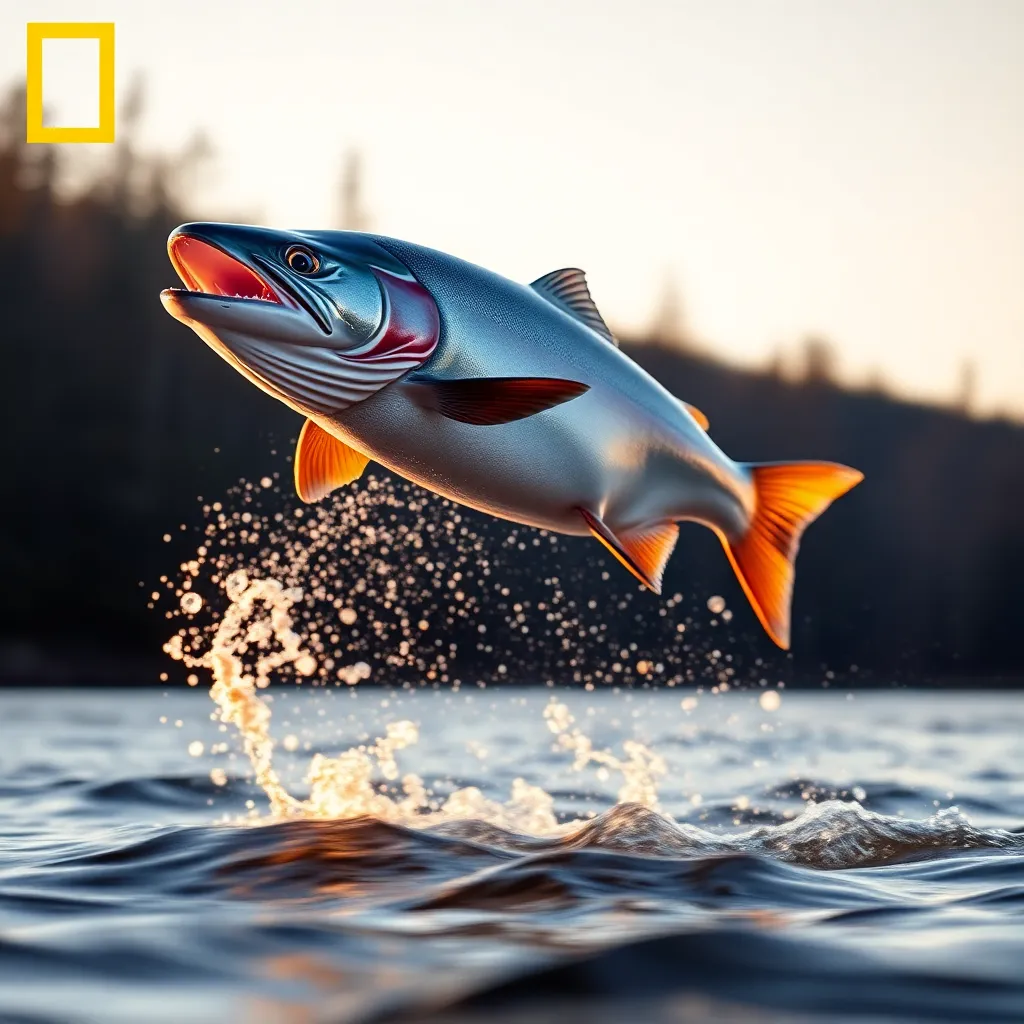
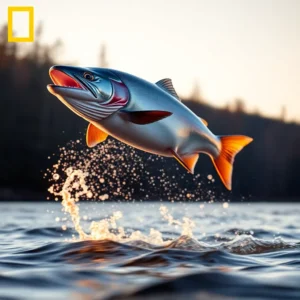
A burst swimming speed of 30 km/h and explosive tail-driven leaps allow salmon to ascend waterfalls up to 3 meters high during migration.

Spawning Coloration
04

Spawning Coloration

Males develop vivid red and pink spawning coloration and a hooked kype jaw used for competing with rival males at redds.

Geomagnetic Ocean Navigation
05

Geomagnetic Ocean Navigation

Magnetite-based receptors allow salmon to use Earth's magnetic field as a geographic positioning system to navigate thousands of kilometers at sea.

Marine Nutrient Transport
06

Marine Nutrient Transport

Salmon bodies transport marine-derived nitrogen, phosphorus, and carbon deep into freshwater and riparian ecosystems, fertilizing rivers and forests.

Silver Arrow of the River. An extraordinary creature that reminds us what we stand to lose.

Jungal Safari · Wildlife Network
💡

Did You Know?

Atlantic Salmon navigate back to their natal river using olfactory memory — they memorize the unique chemical signature of their birth stream as juveniles and follow it home years later.

🍖 DIET: CARNIVORE

What Does the Salmon Eat?

🐟
Herring & Capelin
🦐
Crustaceans & Krill
🦑
Squid
🪲
Aquatic Insects (juvenile)
🐛
Invertebrate Larvae (juvenile)
🗺️ GEOGRAPHIC RANGE

Where Do Salmons Live?

🌍
Continents
📉
Population Trend Declining

Conservation in Action

How You Can Help the Salmon

Small actions, taken together, can reverse the decline of species like this one

🌳
Protect Habitat

Support wildlife reserves and protected land corridors

🚫
Stop Poaching

Report illegal trade and back anti-poaching patrols

🔬
Fund Research

Camera-trap studies and population monitoring

🤝
Community Work

Partner with local herders to reduce conflict

📢
Raise Awareness

Educate and inspire future wildlife champions

"Without urgent action, the Salmon could disappear from the wild within our lifetime."

PROTECT THEM. PRESERVE THEIR LEGACY.

The Salmon's Future
Is In Our Hands

Every share, every donation, every voice raised — makes a difference for wildlife conservation.

🌳Protect Habitat
📢Raise Awareness
💰Fund Research
🤝Community Work
🚫Stop Poaching

"Protect Wildlife. Preserve Our Planet."

Every species matters. Every action counts.

Advertisement