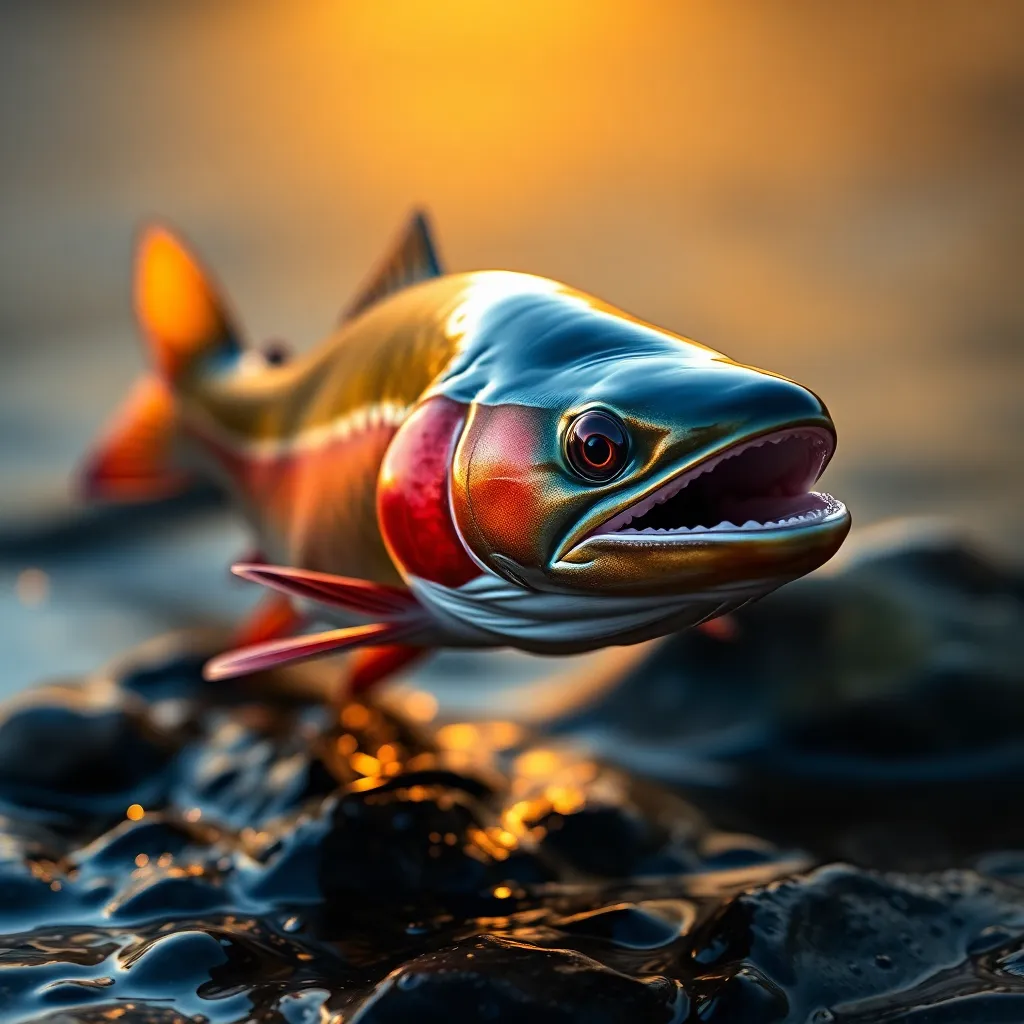
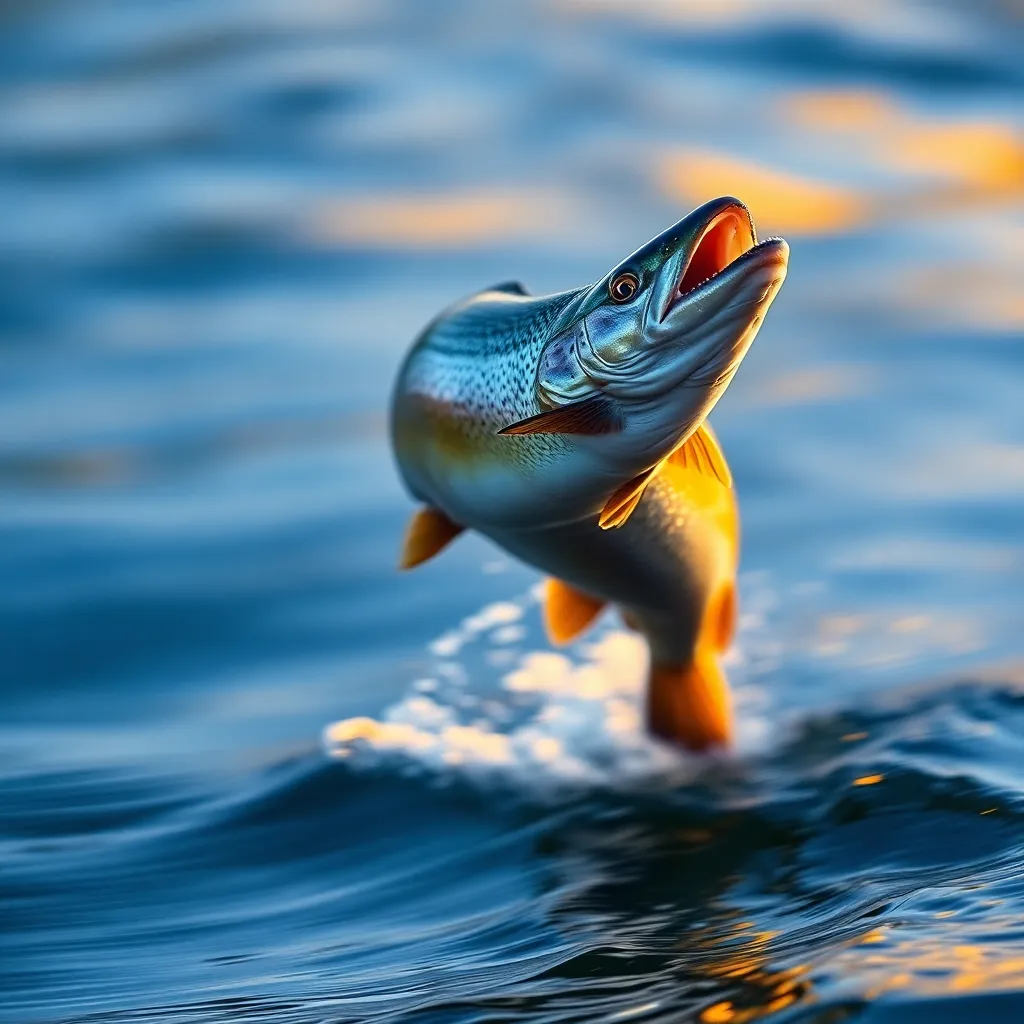
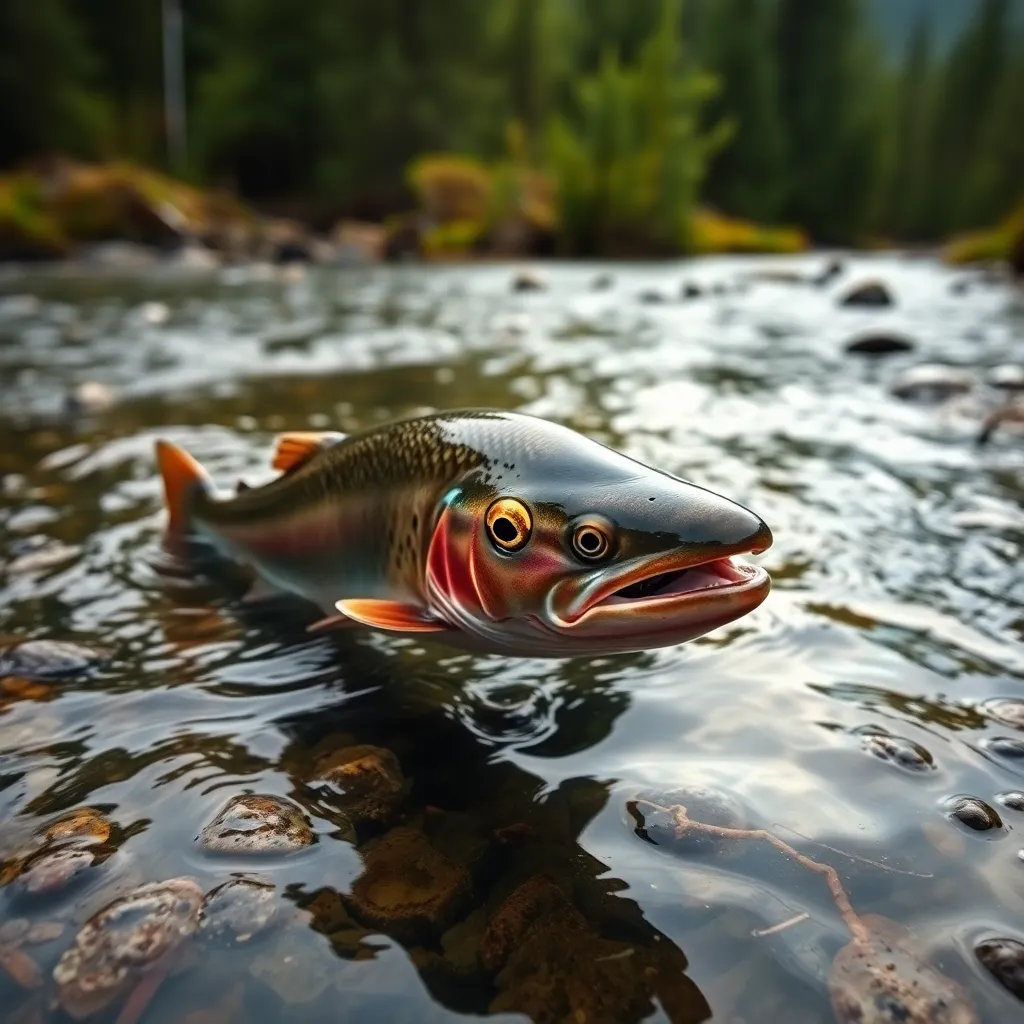
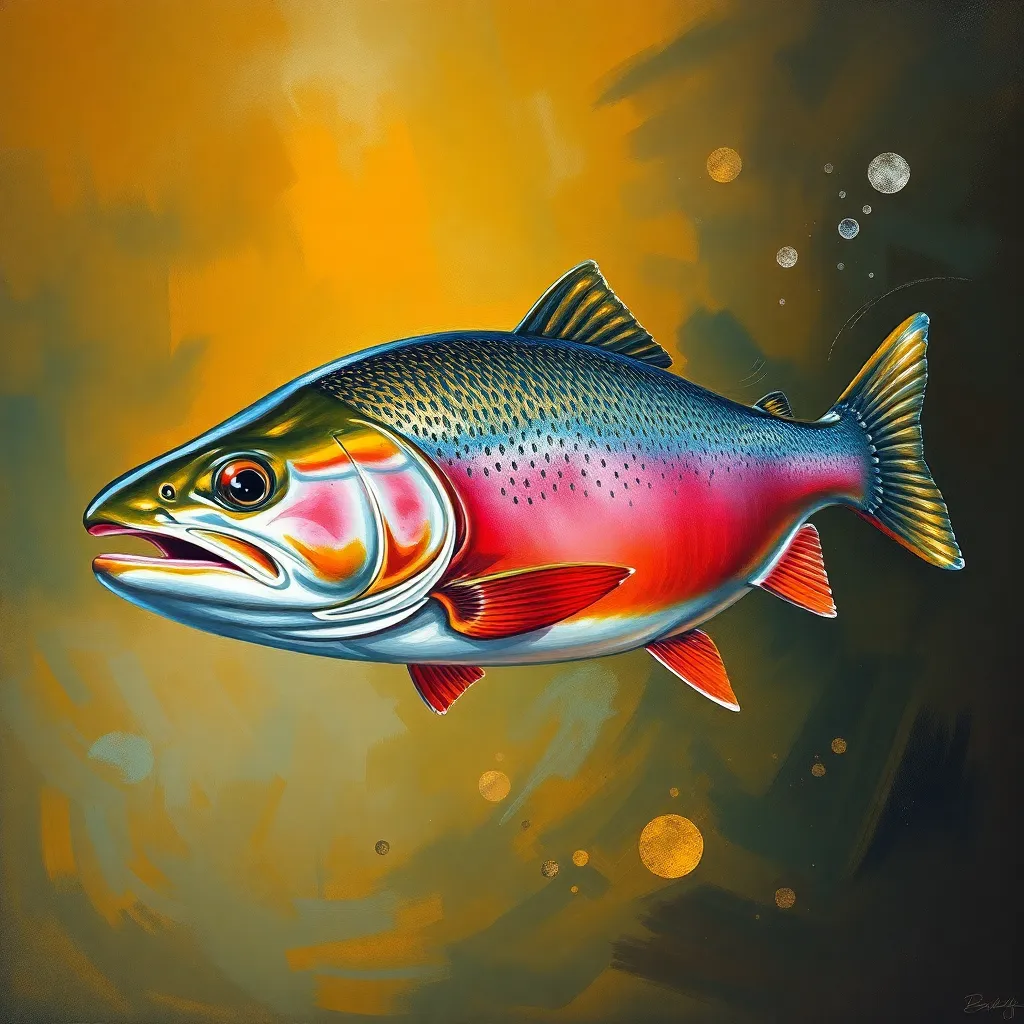
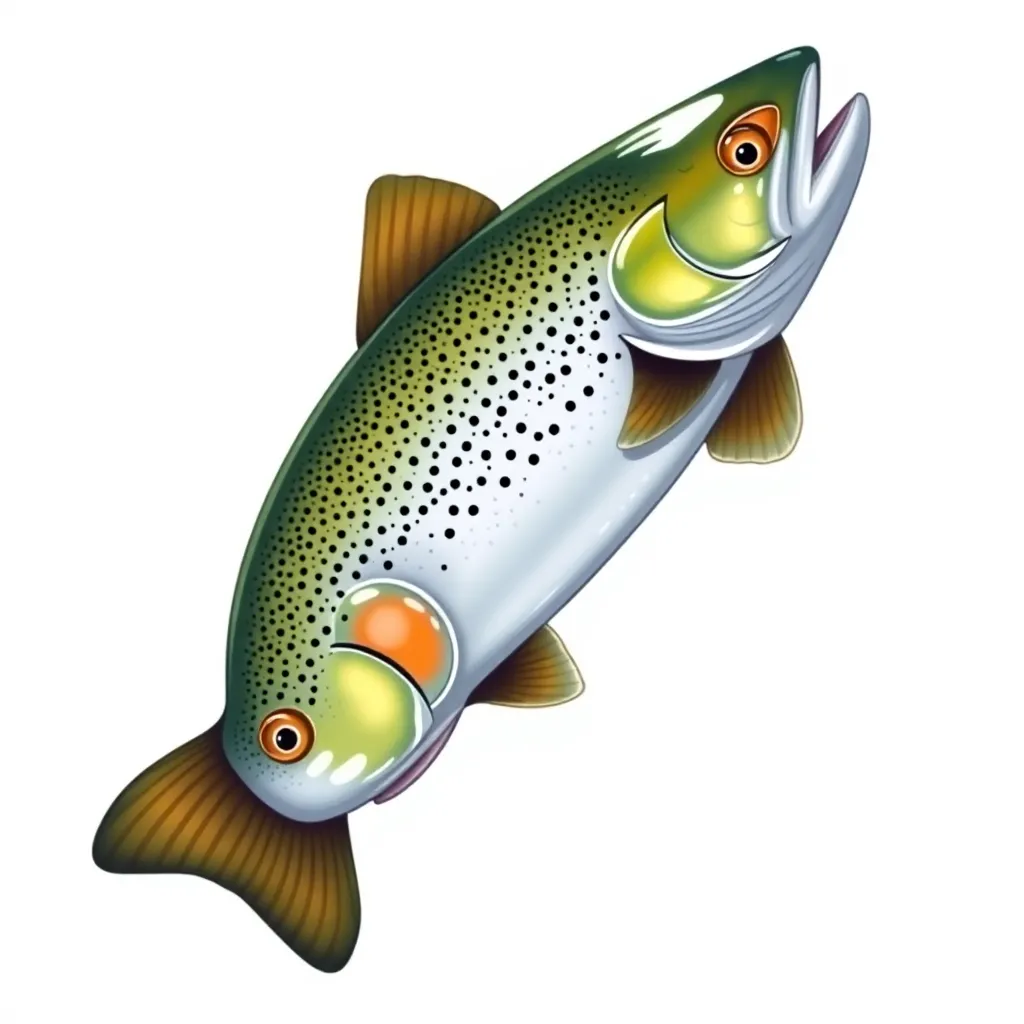
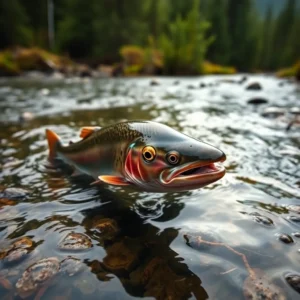
The rainbow trout is among the most prized freshwater fish in the world, admired both by anglers and ecologists for its athletic power and stunning iridescent coloration. Native to cold, clear rivers and coastal streams of the Pacific Coast of North America, it has been introduced to every continent except Antarctica. Rainbow trout are anadromous in some populations — known as steelhead — traveling from the ocean back to their natal rivers to spawn.
About the Trout
Oncorhynchus mykiss
Advertisement
⚡ Speed Comparison
📸 Photo Gallery
💡 Fun Facts
01
Rainbow trout can detect ultraviolet light, giving them a visual spectrum far beyond human perception to locate prey in clear mountain water.
02
Steelhead rainbow trout are the same species as resident rainbows but migrate to the ocean, growing three times larger before returning to freshwater to breed.
03
Trout require water temperatures between 10°C and 16°C — even a 2°C rise from climate change can render entire river systems uninhabitable.
04
A trout can hear sounds both above and below water simultaneously through a combination of its inner ear and lateral line system.
05
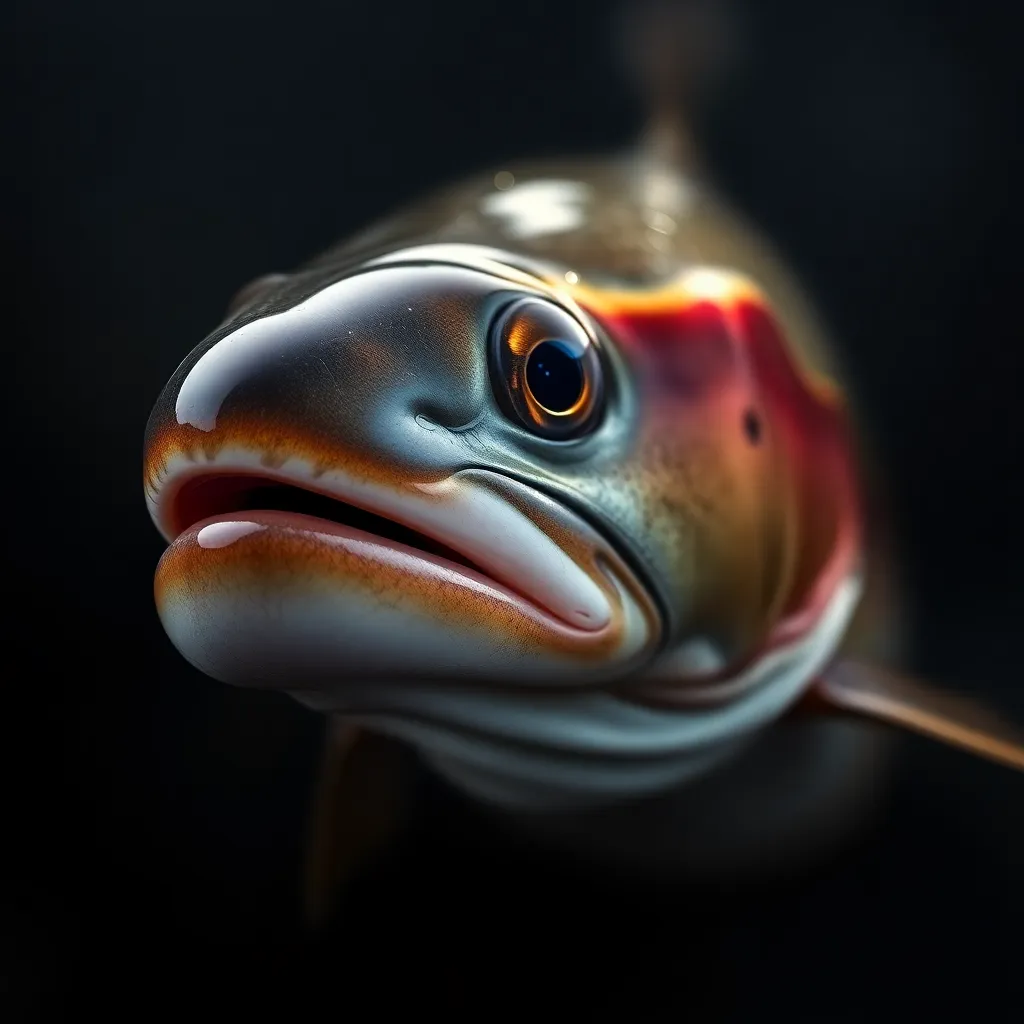
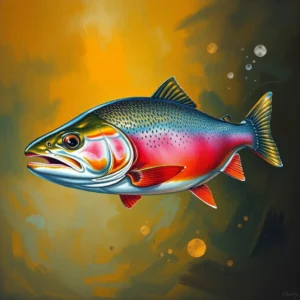
Wild rainbow trout earn their name from the vivid pink-to-red lateral stripe that intensifies dramatically during spawning season.
📍 Where to Find This Animal
Habitat Types:
Freshwater Rivers & Streams
🛒 Trout Related Gear
As an Amazon Associate we earn from qualifying purchases.

Join the Conversation
Share your thoughts about the Trout