The great white shark is the ocean’s apex predator, a highly evolved hunter that has remained largely unchanged for millions of years. Unlike most fish, great whites are partially endothermic, able to maintain their core body temperature above the surrounding water for increased muscle efficiency and sensory sharpness. They are crucial regulators of marine ecosystems, and their removal cascades through food webs in ways scientists are still discovering.
About the Shark
Carcharodon carcharias
Advertisement
⚡ Speed Comparison
📸 Photo Gallery




💡 Fun Facts
01
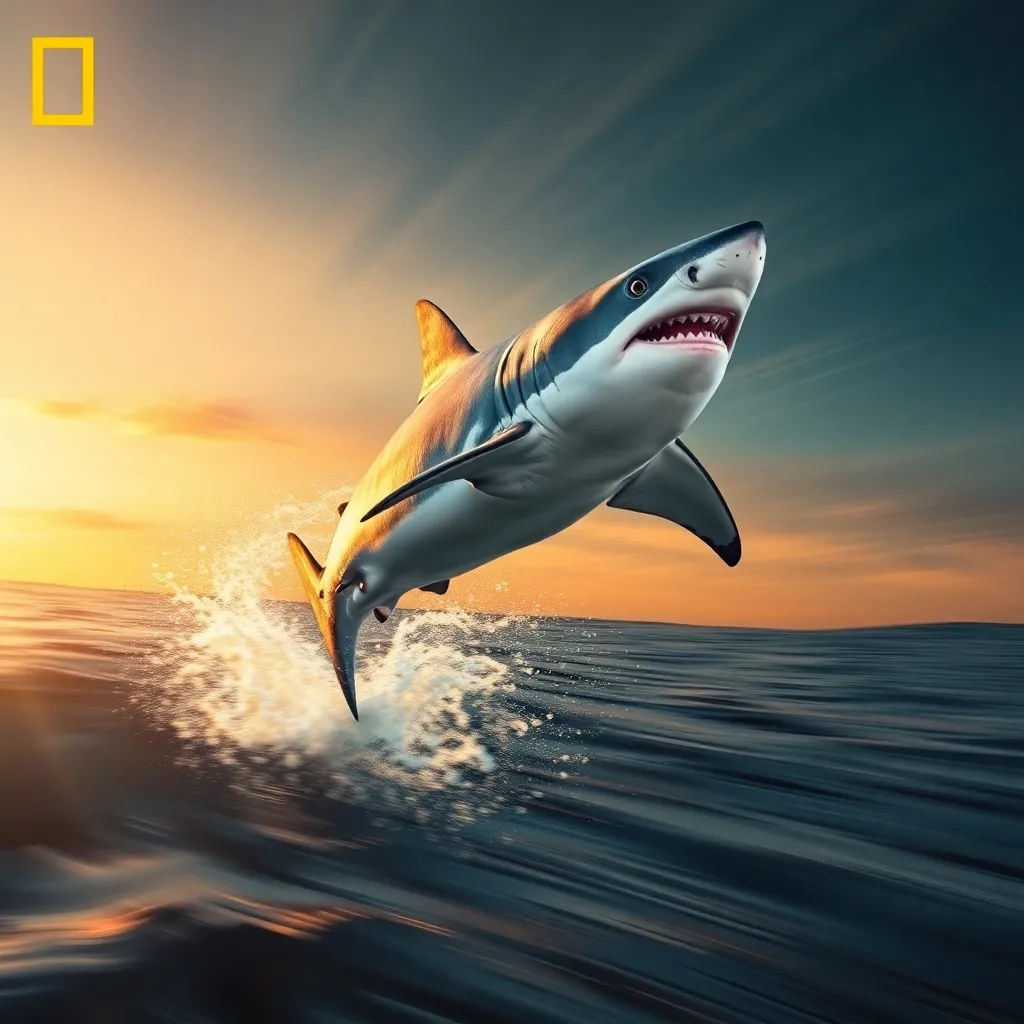
Great white sharks can breach completely out of the water when attacking cape fur seals in South Africa — a hunting technique called breaching that involves 40 km/h approaches from below.
02
They can detect one drop of blood diluted in 10 billion parts of water — roughly 10 litres in an Olympic swimming pool — using the largest olfactory bulbs of any shark.
03
Great whites are viviparous and oophagous — unborn pups eat unfertilised eggs and potentially siblings inside the uterus, arriving as fully developed 1.5 m predators.
04
A great white's bite force has been measured at up to 18,000 Newtons — more than three times that of a lion.
05
They are endothermic (warm-bodied), maintaining muscle temperature up to 14°C above surrounding water using a heat-exchange system called the rete mirabile.
📍 Where to Find This Animal
Habitat Types:
Coastal Ocean
🛒 Shark Related Gear
As an Amazon Associate we earn from qualifying purchases.






Join the Conversation
Share your thoughts about the Shark