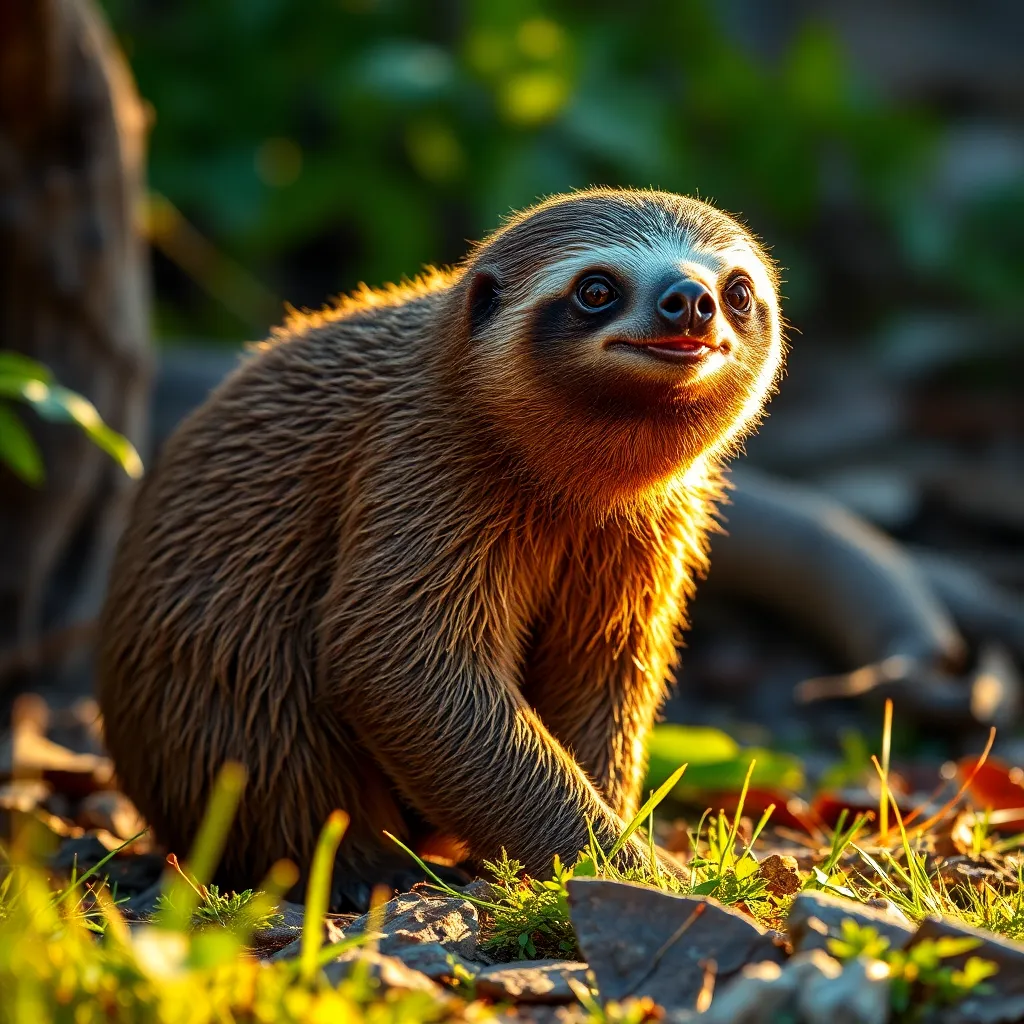
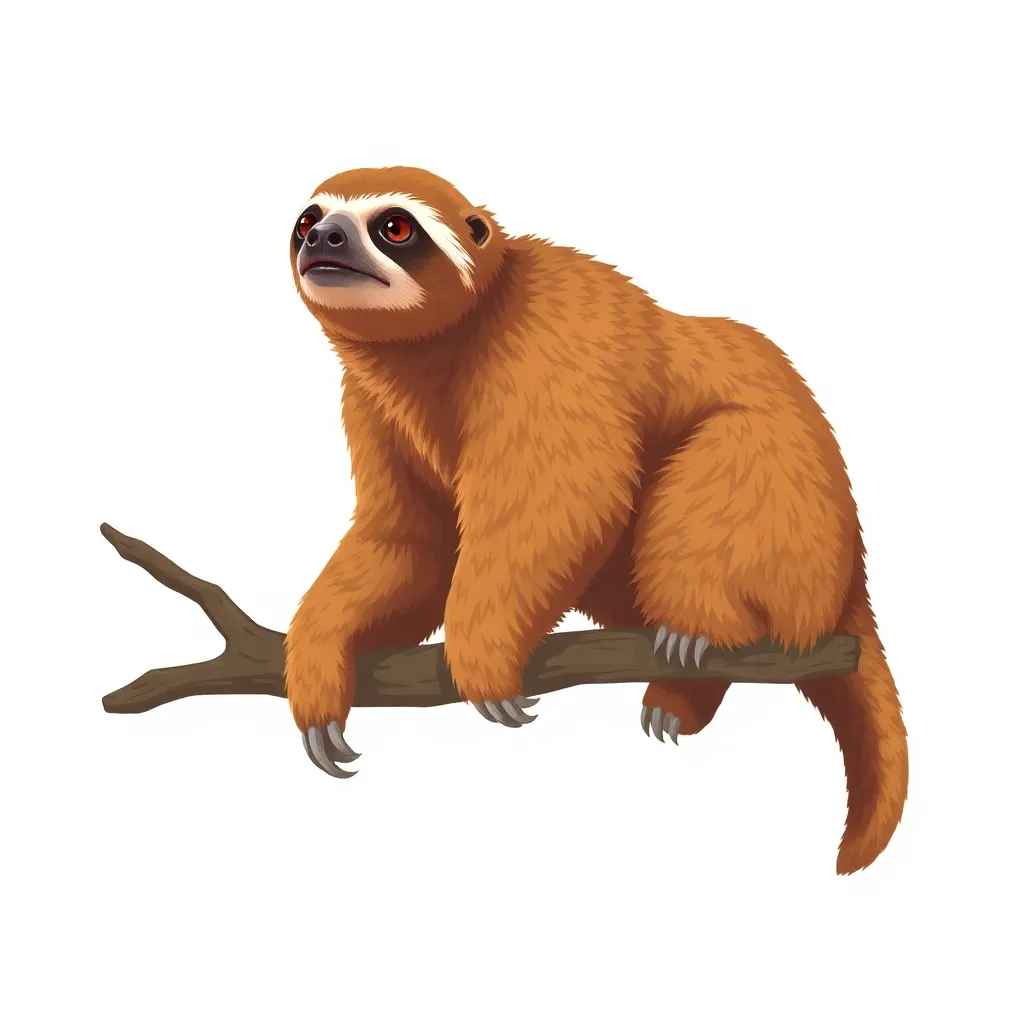
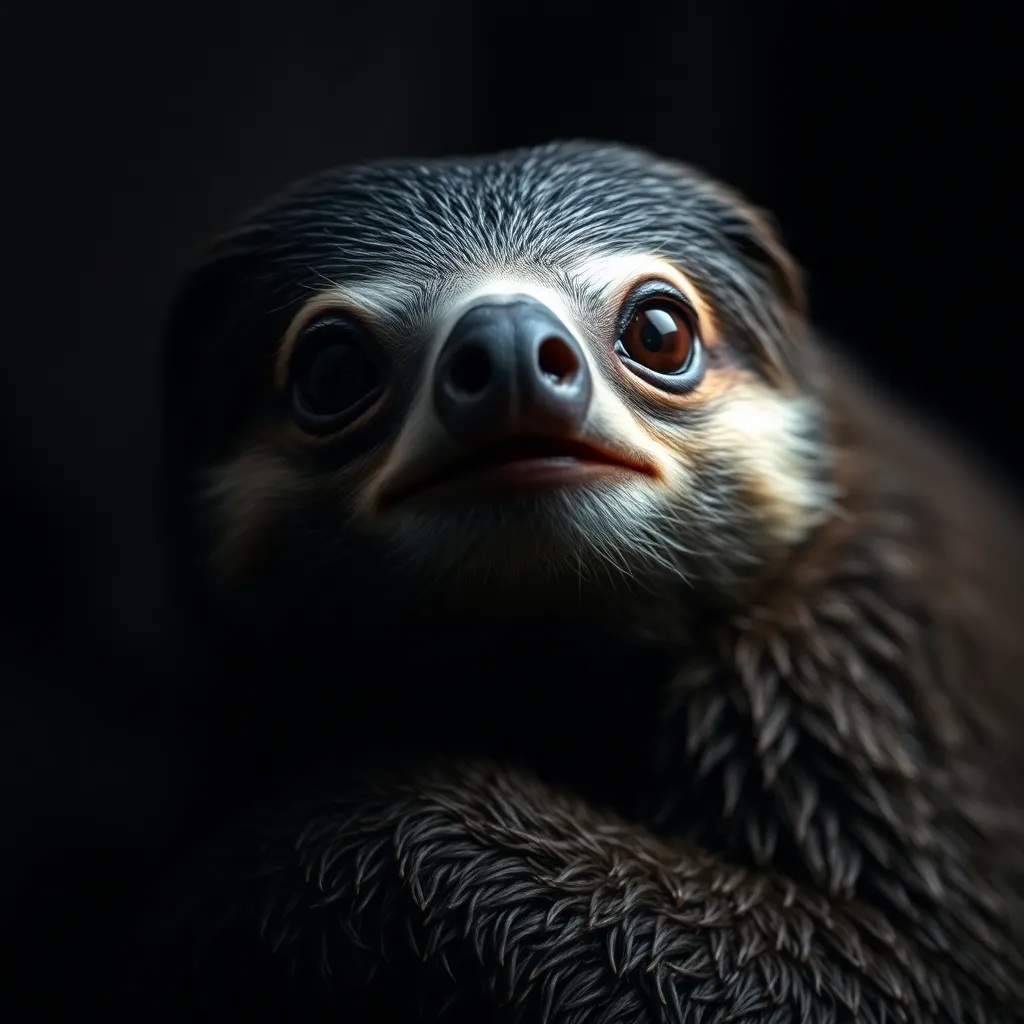
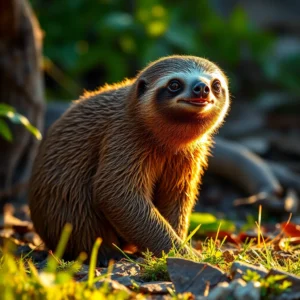
The pale-throated three-toed sloth is one of the slowest-moving mammals on Earth, a lifestyle dictated by its low-calorie leaf diet. Moving at less than 300 meters per hour, sloths are so sedentary that algae grow in the grooves of their fur, turning them green and providing effective camouflage in the forest canopy. Despite their languid pace, they are surprisingly strong swimmers and occasionally descend to the ground to move between trees.
About the Sloth
Bradypus tridactylus
Advertisement
⚡ Speed Comparison
📸 Photo Gallery



💡 Fun Facts
01
Sloths descend to the ground to defecate only about once a week, losing nearly a third of their body weight in a single bathroom visit to avoid making noise that might attract predators.
02
Algae, fungi, and a unique ecosystem of moths, beetles, and mites live exclusively in the cracks of sloth fur — a miniature biome found nowhere else.
03
Sloths have 30% less muscle mass than other mammals of similar size; their tendons act as passive hooks, allowing them to hang without any muscular effort.
04
Their metabolic rate is roughly 40–74% lower than expected for their body size, meaning a single meal of leaves can take a month to fully digest.
05
Sloths are excellent swimmers and can hold their breath for up to 40 minutes by slowing their heart rate — they regularly cross rivers between forest patches.
📍 Where to Find This Animal
Habitat Types:
Tropical Rainforest
🛒 Sloth Related Gear
As an Amazon Associate we earn from qualifying purchases.




Join the Conversation
Share your thoughts about the Sloth