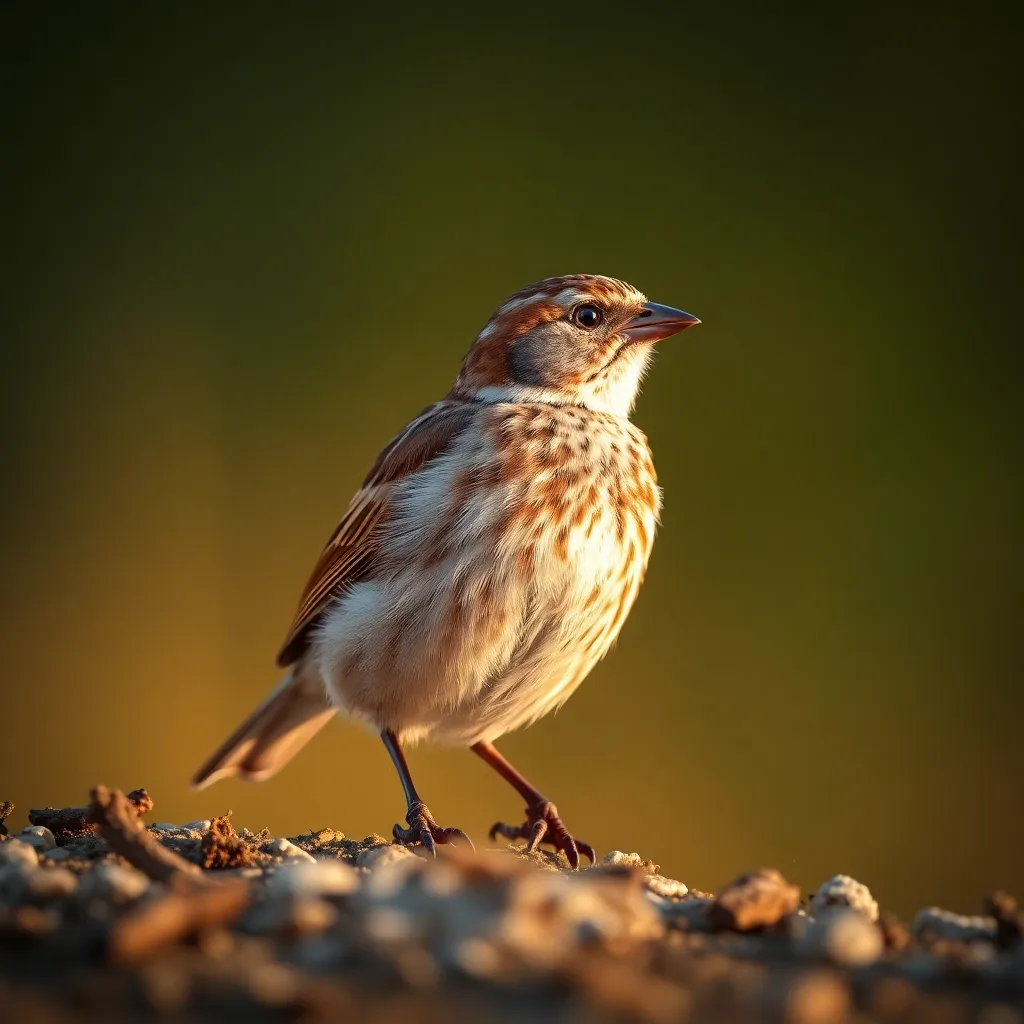
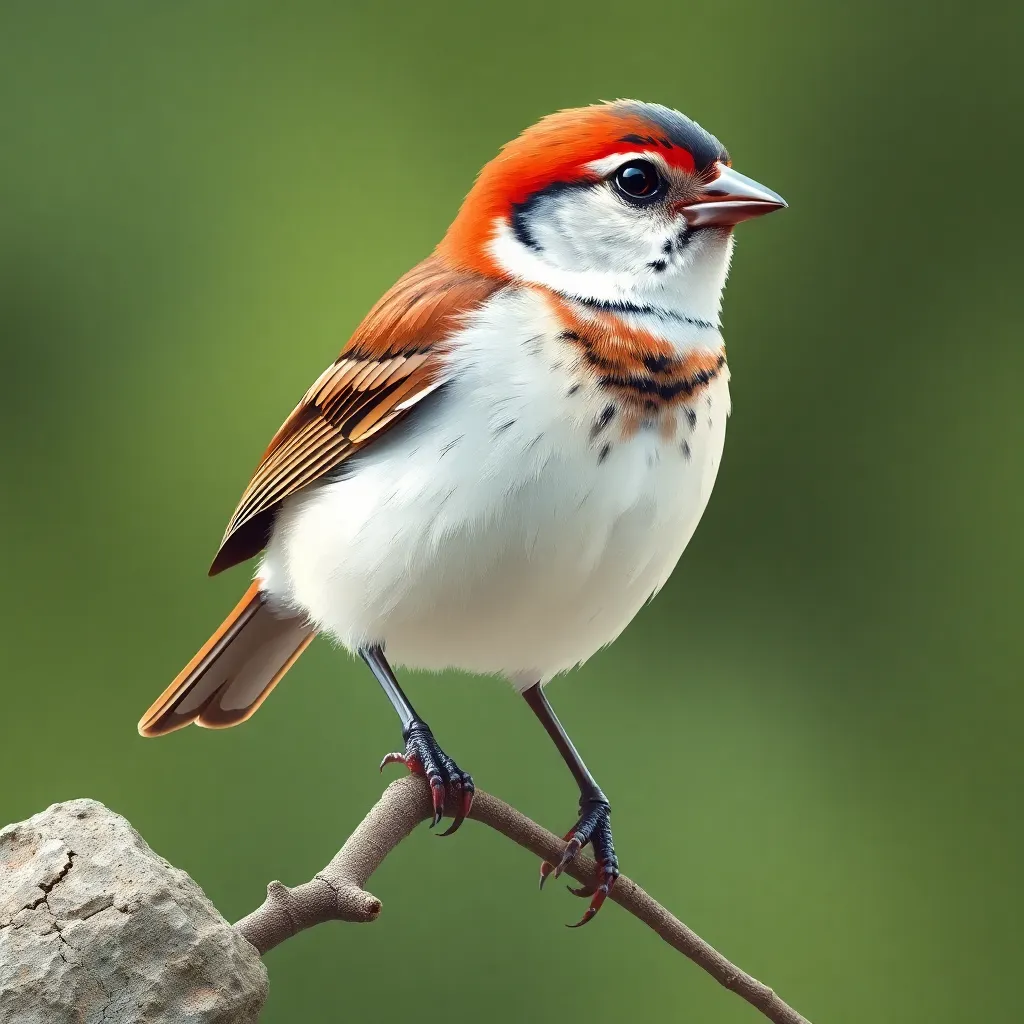
The house sparrow is one of the world’s most widespread and familiar birds, having spread from its origins in the Middle East across six continents alongside human settlement. Despite its ubiquitous presence in cities, towns, and farmlands, populations have declined sharply in parts of Europe and North America over recent decades. Its adaptability and bold personality make it a constant companion of human civilization.
About the Sparrow
Passer domesticus
Advertisement
⚡ Speed Comparison
📸 Photo Gallery



💡 Fun Facts
01
House sparrows were deliberately introduced to North America in Brooklyn, New York, in 1851 to control insects, and within 50 years had spread across the entire continent.
02
Males with larger black bibs are dominant over males with smaller bibs, and females preferentially choose mates with bigger badges.
03
Sparrows take dust baths to control feather parasites, often in the same communal spots used generation after generation.
04
A house sparrow's heart beats approximately 460 times per minute at rest and over 850 times per minute during flight.
05
Sparrows communicate with over 20 distinct calls, including specific alarm calls that differ depending on whether a predator is aerial or ground-based.
📍 Where to Find This Animal
Habitat Types:
Urban & Suburban Areas
🛒 Sparrow Related Gear
As an Amazon Associate we earn from qualifying purchases.





Join the Conversation
Share your thoughts about the Sparrow