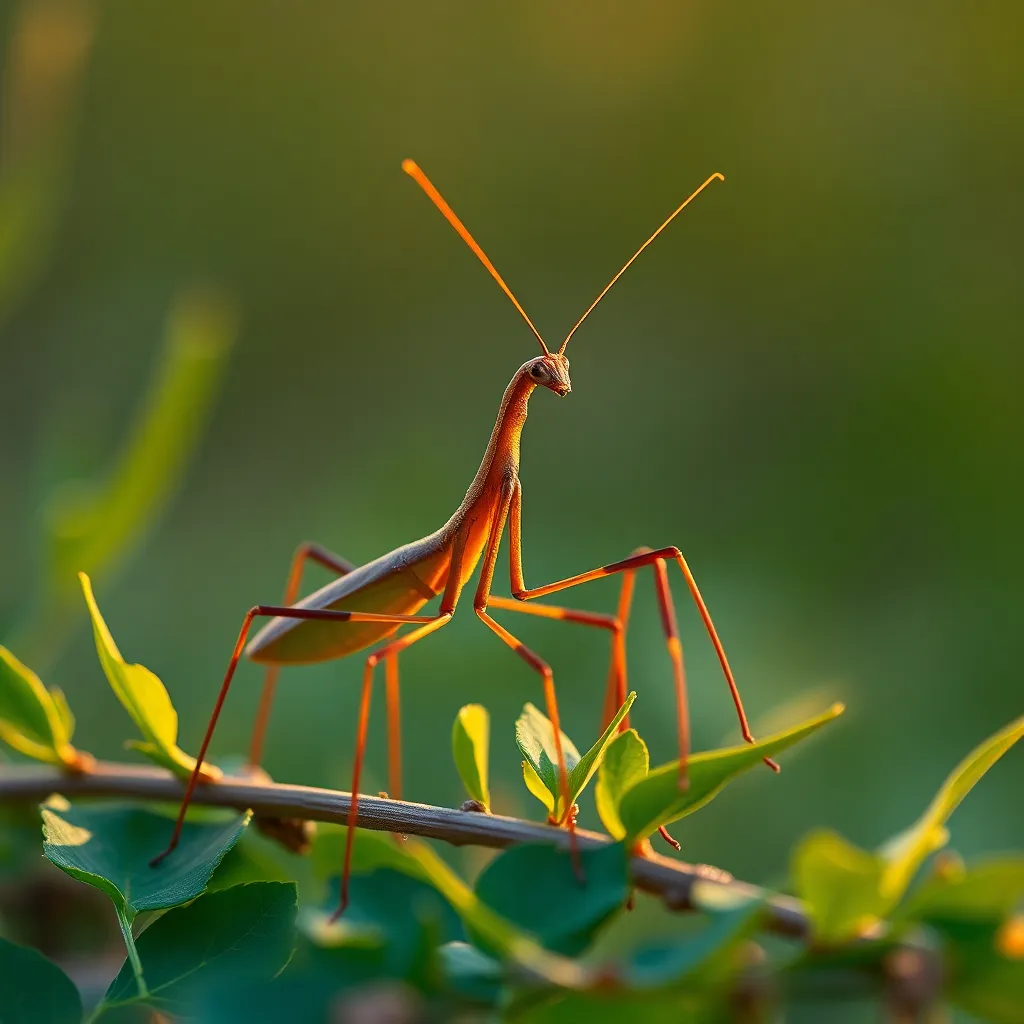
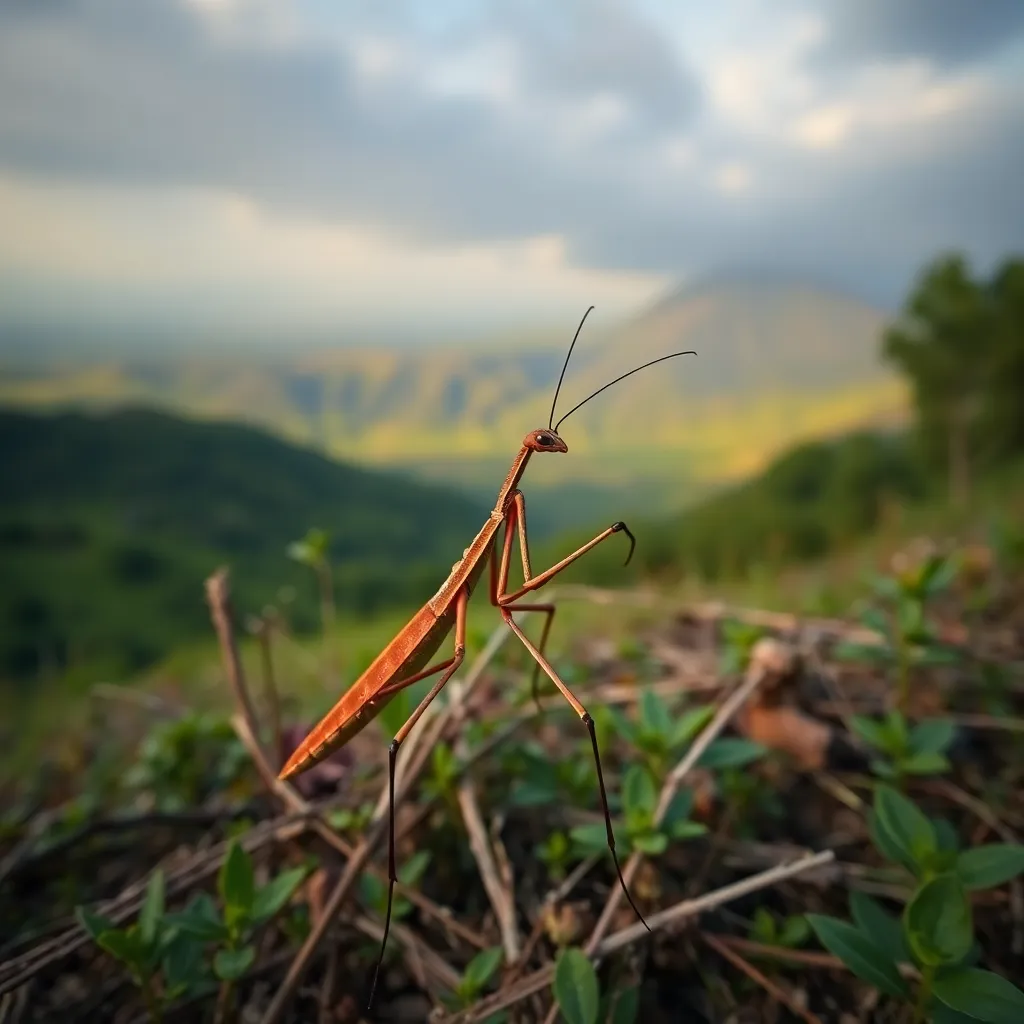
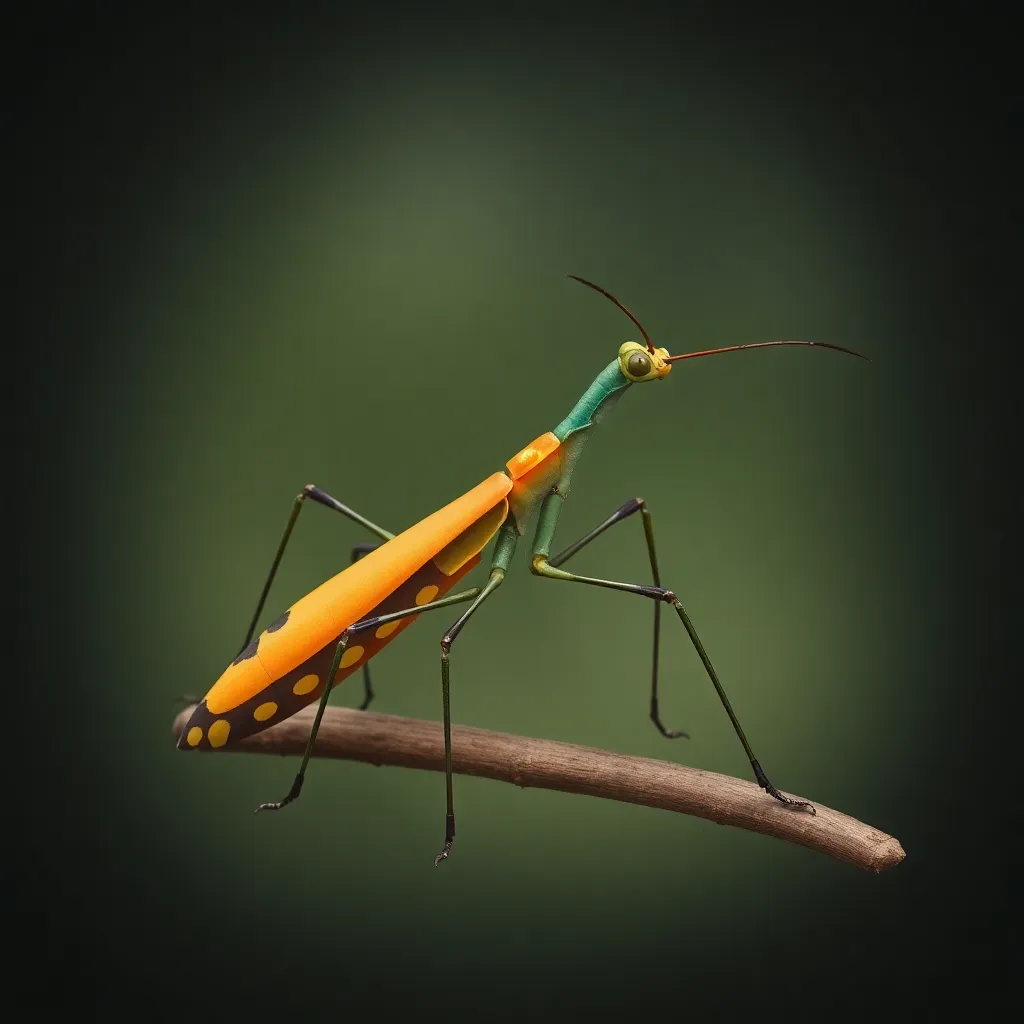
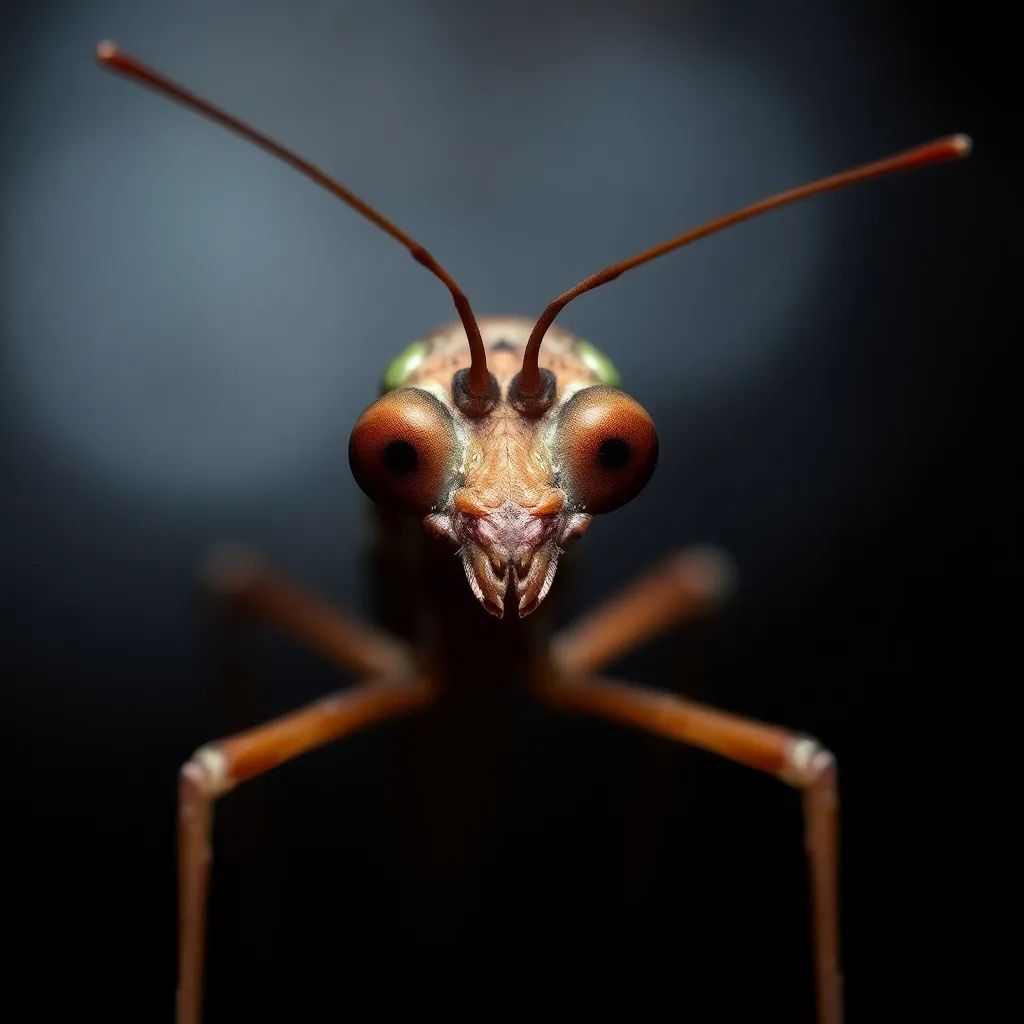
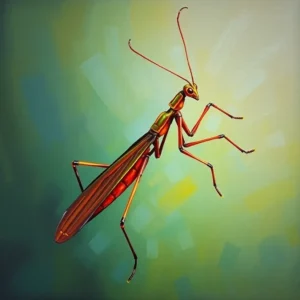
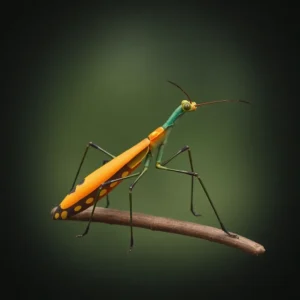
Stick insects are the world’s greatest living impostors, belonging to the order Phasmatodea which contains over 3,000 species, all masters of camouflage. They mimic twigs, bark, and leaves with such precision that even experienced entomologists struggle to spot them at rest. Found predominantly in tropical and subtropical forests, they are entirely herbivorous and largely harmless, relying exclusively on disguise rather than venom or speed for survival.
About the Stick Insect
Phasmatodea (order)
Advertisement
⚡ Speed Comparison
📸 Photo Gallery
💡 Fun Facts
01
The longest stick insect ever recorded — Phobaeticus chani from Borneo — measured 56.7 cm including its outstretched legs, making it the world's longest insect.
02
Many stick insect species reproduce by parthenogenesis, with unfertilized females producing viable eggs without any male involvement.
03
Stick insects can autotomize (self-amputate) a leg to escape a predator's grip, and then regenerate the limb during the next molt.
04
Stick insect eggs are often mistaken by ants for seeds due to a fatty knob called a capitulum — ants carry them into underground nests where they hatch safely.
05
Some stick insects sway rhythmically when disturbed, mimicking a twig moving in the breeze to enhance their camouflage.
📍 Where to Find This Animal
Habitat Types:
Tropical Forest
🛒 Stick Insect Related Gear
As an Amazon Associate we earn from qualifying purchases.

Join the Conversation
Share your thoughts about the Stick Insect