Loading Wildlife…

Dasyatidae VU

THE

STINGRAY

Graceful Phantom of the Seafloor

Dasyatis pastinaca

Europe, Africa, Asia
CLASS Chondrichthyes FAMILY Dasyatidae GENUS Dasyatis
30 km/h
Top Speed
⚖️
3–10 kg
Max Weight
📏
45–90 cm (disc width)
Body Length
🕰️
15–25 years
Lifespan
🍖
Carnivore
Diet Type

IUCN Red List — Where this species stands

LC Least Concern
NT Near Threatened
VU Vulnerable
EN Endangered
CR Critical
EW Extinct Wild
EX Extinct

About the Stingray

Dasyatis pastinaca

Advertisement

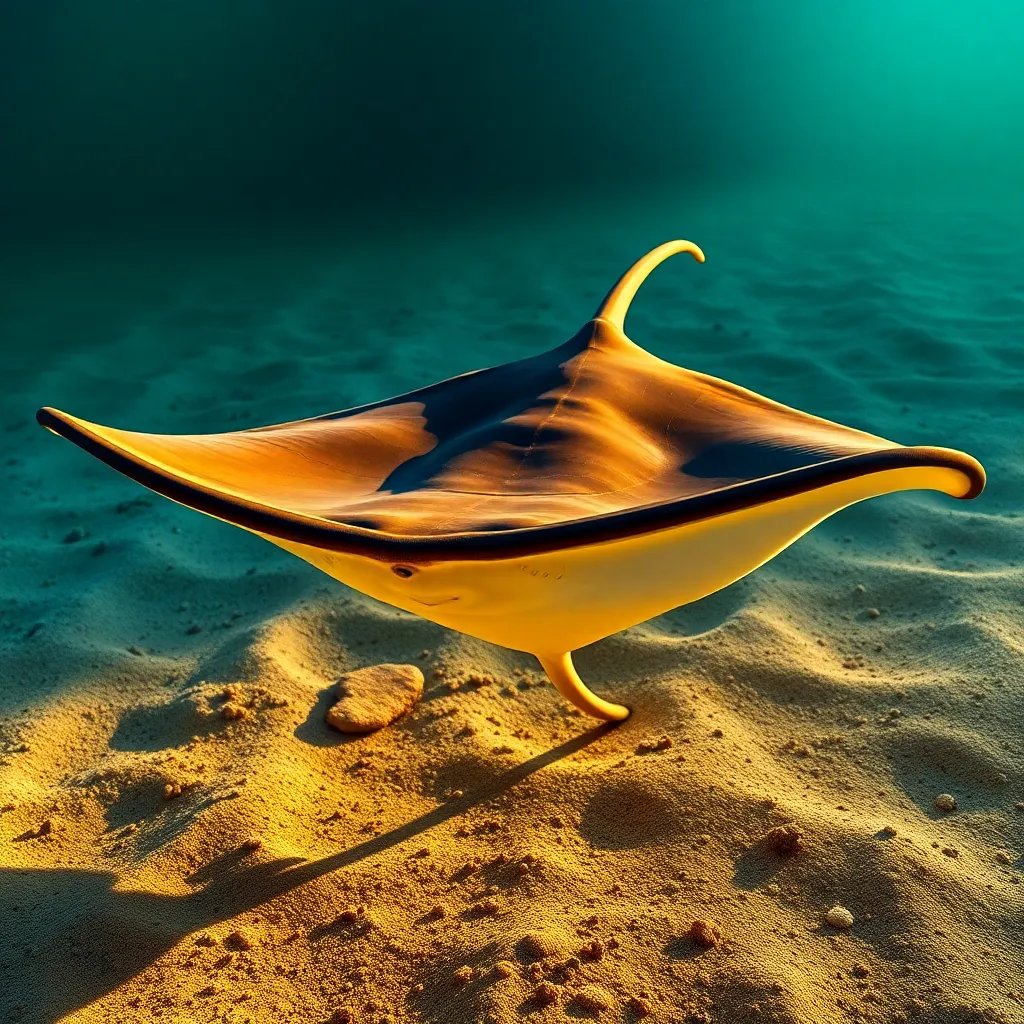
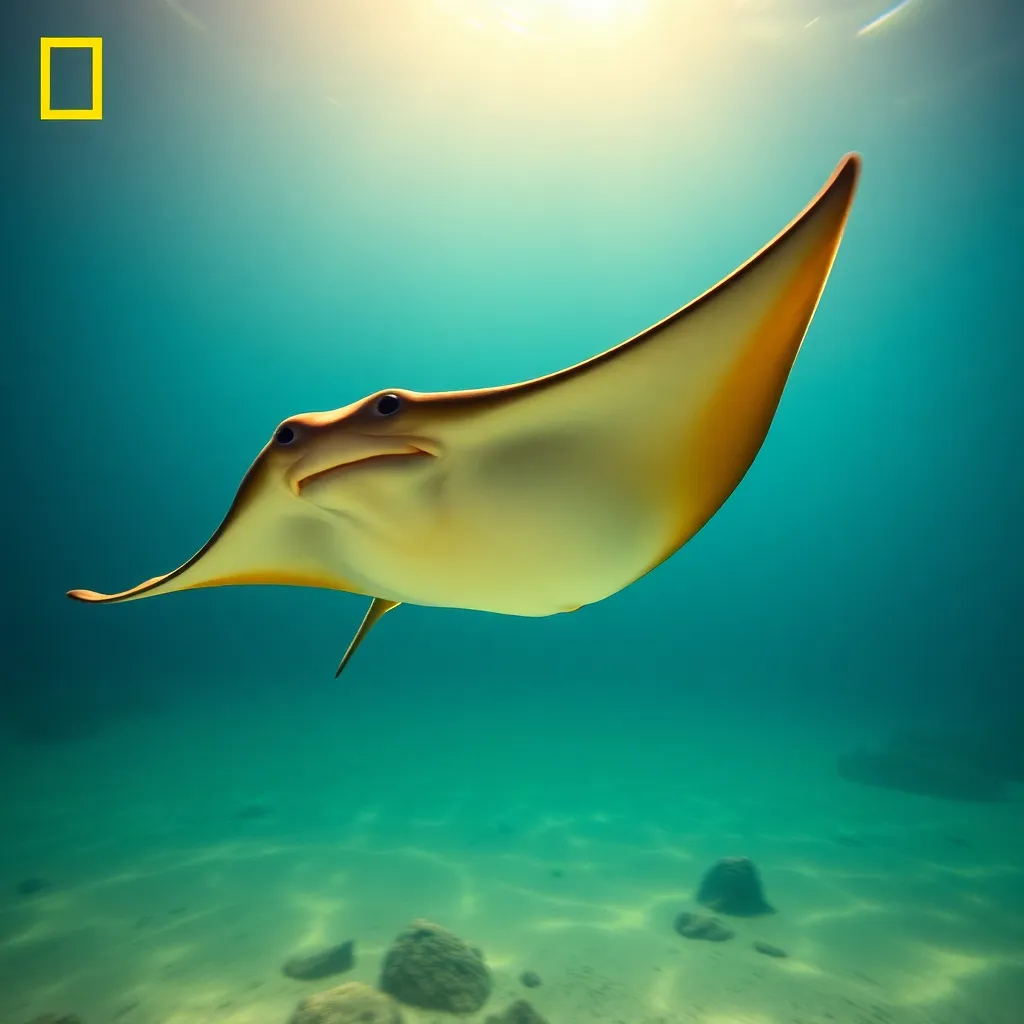
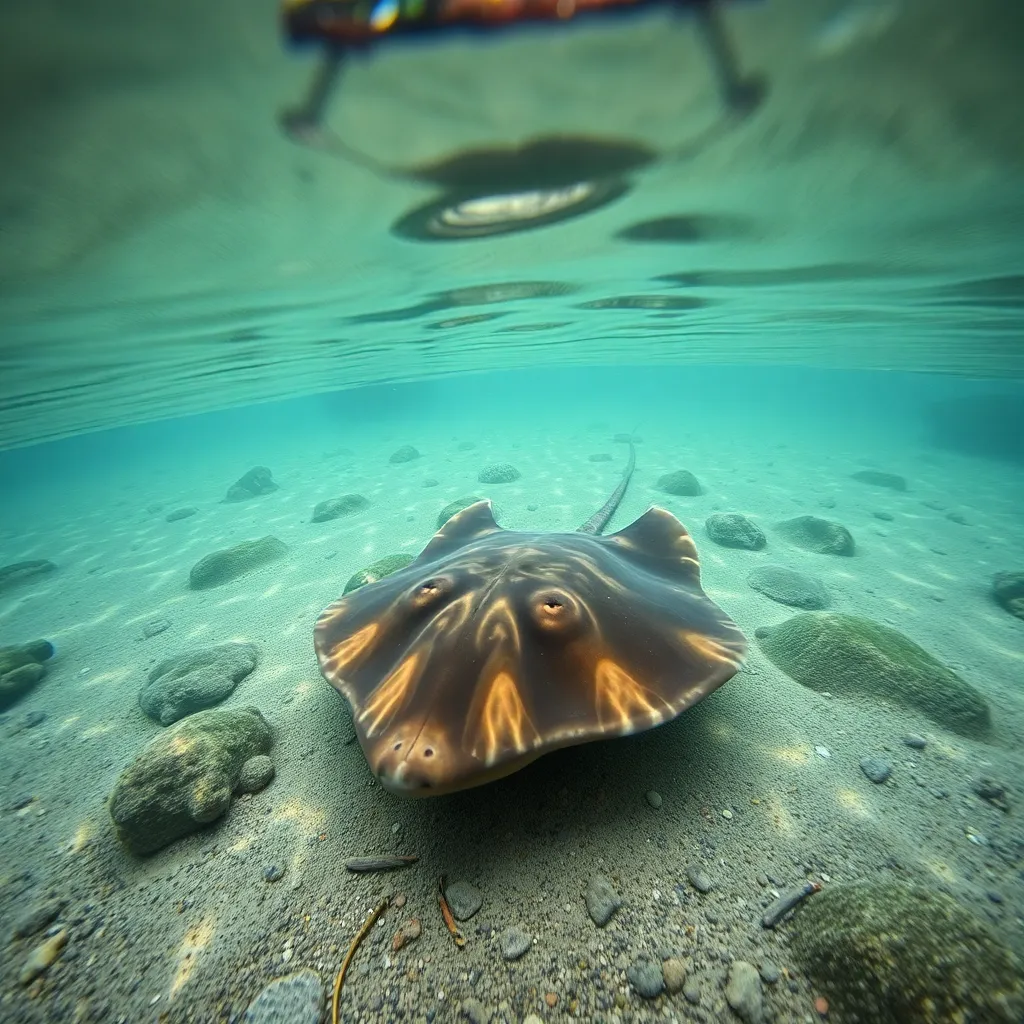
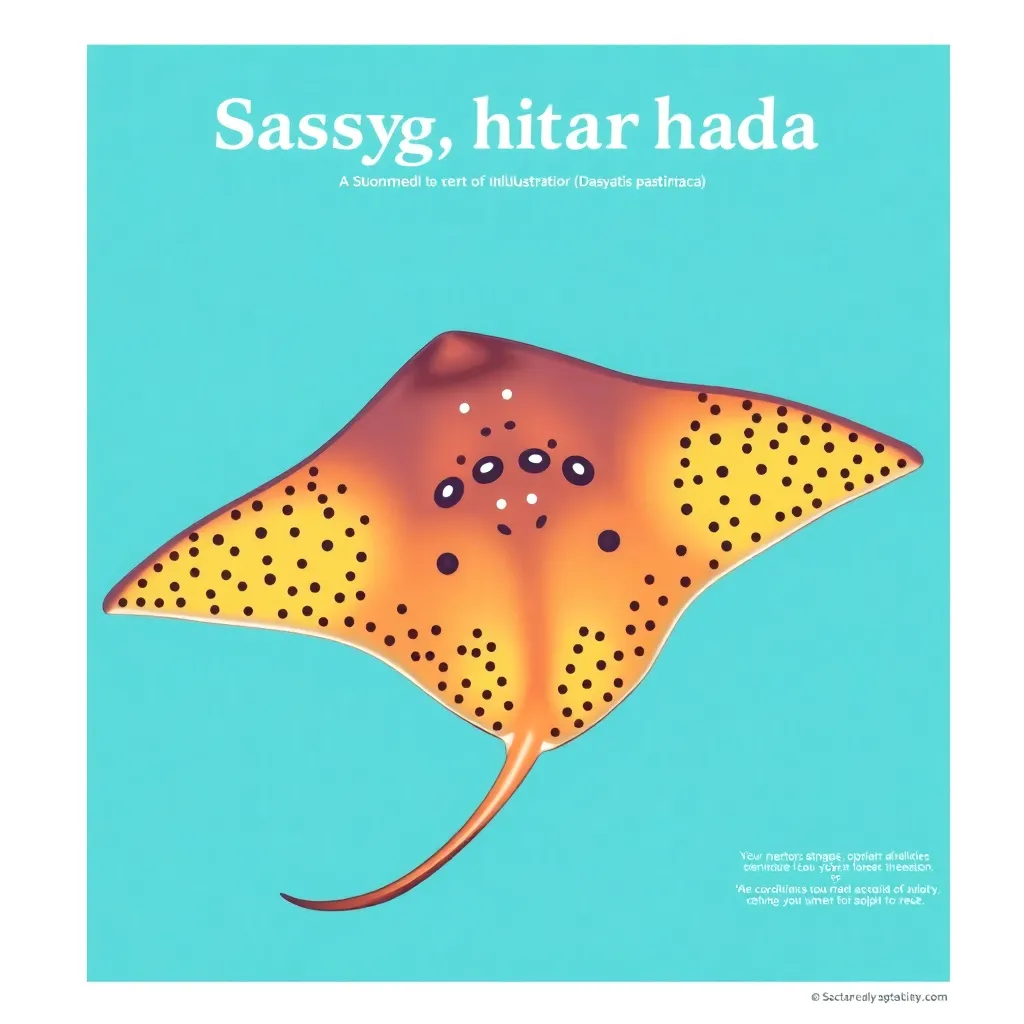
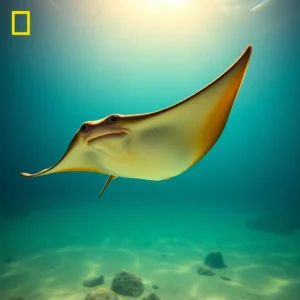
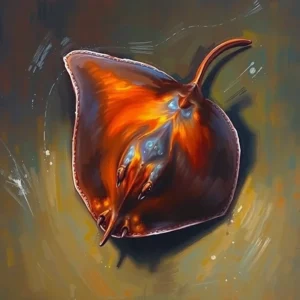
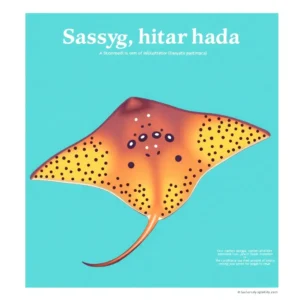
The common stingray is a cartilaginous fish whose flattened, disc-like body is perfectly designed for life on sandy and muddy seabeds of the northeastern Atlantic and Mediterranean. Like sharks, stingrays lack a bony skeleton — their bodies are supported entirely by cartilage — and they detect prey using ampullae of Lorenzini, an array of electroreceptor pores that sense the micro-electrical fields generated by buried prey. The namesake venomous spine on the tail is a defensive weapon only, used when the ray is accidentally stepped on or handled — the stingray itself is entirely non-aggressive.

⚡ Speed Comparison

Human
12 km/h
Stingray
30 km/h
Car (city)
50 km/h
Horse
54 km/h

💡 Fun Facts

01

Stingrays do not hunt with their tail spine — it is purely a last-resort defensive weapon that can be regenerated if lost, much like a lizard regrowing a tail.

02

The ampullae of Lorenzini can detect electrical fields as weak as 5 billionths of a volt per centimetre, allowing stingrays to find prey buried completely out of sight under sand.

03

Stingrays give birth to live young called pups, nourishing embryos in the uterus through a modified placenta-like structure for up to four months before birth.

04

The venomous spine of a stingray contains retroserrated barbs that make it extremely difficult to remove without causing further damage — the venom itself causes intense pain and cardiovascular disruption.

05

Stingrays in tourist locations such as Stingray City in the Cayman Islands have become so accustomed to human contact that they actively approach divers and accept food from hands.

Unlock Expert Wildlife Facts

Watch a short 15-second video to unlock detailed expert analysis, exclusive wildlife photography, and rare behavioral facts.

📍 Where to Find This Animal

🛒 Stingray Related Gear

As an Amazon Associate we earn from qualifying purchases.
🗨️

Join the Conversation

Share your thoughts about the Stingray

✍️

Leave a Comment

Your email address will not be published. Required fields are marked *

How Big Is a Stingray?

Side-by-side comparison with an adult human (175 cm)

🧍
Human
175 cm
🐟
Stingray
65 cm
shoulder height
3–10 BODY WEIGHT
45–90 BODY LENGTH
30 TOP SPEED
15–25 LIFESPAN
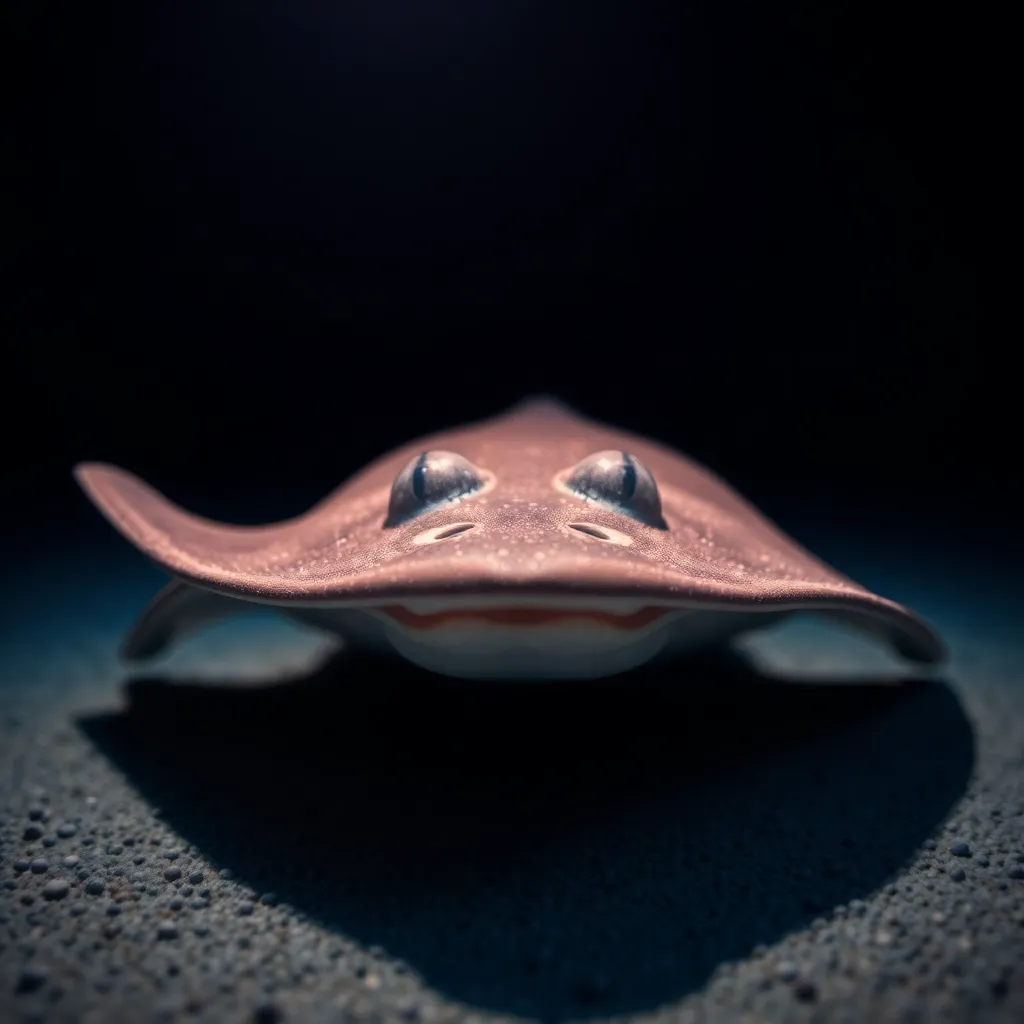
Stingray close-up
Stingray

SURVIVAL TOOLKIT

Built for Survival

Nature's engineering refined over millions of years

🔬 SURVIVAL TOOLKIT
Electroreception
01

Electroreception

Hundreds of ampullae of Lorenzini — jelly-filled pores around the snout — detect weak bioelectric fields from buried prey with extraordinary sensitivity in turbid or dark water.

Spiracle Breathing
02

Spiracle Breathing

Water is drawn in through spiracles — modified gill openings on top of the head — rather than through the mouth, allowing the ray to breathe while lying flat on the seafloor.

Benthic Camouflage
03

Benthic Camouflage

Dorsal coloration precisely matches the sandy or muddy substrate, and the ray can rapidly adjust melanophore distribution to fine-tune camouflage to different sediment types.

Venomous Tail Spine
04

Venomous Tail Spine

One or more serrated spines on the tail sheath contain venom-secreting integumentary tissue; the spine is a passive defensive weapon deployed only under direct physical threat.

Undulatory Locomotion
05

Undulatory Locomotion

Pectoral fins fused into a broad disc generate thrust through continuous wave-like undulations rather than tail-beating, producing near-silent, highly maneuverable movement.

Graceful Phantom of the Seafloor. An extraordinary creature that reminds us what we stand to lose.

Jungal Safari · Wildlife Network
💡

Did You Know?

Stingrays do not hunt with their tail spine — it is purely a last-resort defensive weapon that can be regenerated if lost, much like a lizard regrowing a tail.

🍖 DIET: CARNIVORE

What Does the Stingray Eat?

🦐
Shrimp & Crustaceans
🐚
Clams & Molluscs
🐟
Small Benthic Fish
🪱
Worms & Invertebrates
🗺️ GEOGRAPHIC RANGE

Where Do Stingrays Live?

🌍
📉
Population Trend Declining

Conservation in Action

How You Can Help the Stingray

Small actions, taken together, can reverse the decline of species like this one

🌳
Protect Habitat

Support wildlife reserves and protected land corridors

🚫
Stop Poaching

Report illegal trade and back anti-poaching patrols

🔬
Fund Research

Camera-trap studies and population monitoring

🤝
Community Work

Partner with local herders to reduce conflict

📢
Raise Awareness

Educate and inspire future wildlife champions

"Without urgent action, the Stingray could disappear from the wild within our lifetime."

PROTECT THEM. PRESERVE THEIR LEGACY.

The Stingray's Future
Is In Our Hands

Every share, every donation, every voice raised — makes a difference for wildlife conservation.

🌳Protect Habitat
📢Raise Awareness
💰Fund Research
🤝Community Work
🚫Stop Poaching

"Protect Wildlife. Preserve Our Planet."

Every species matters. Every action counts.

Advertisement