Loading Wildlife…

Theraphosidae LC

THE

TARANTULA

Velvet Giant of the Desert

Grammostola pulchripes

Americas
CLASS Arachnida FAMILY Theraphosidae GENUS Grammostola
2 km/h
Top Speed
⚖️
50–85 g kg
Max Weight
📏
12–16 cm (leg span)
Body Length
🕰️
25–30 years (female)
Lifespan
🍖
Carnivore
Diet Type

IUCN Red List — Where this species stands

LC Least Concern
NT Near Threatened
VU Vulnerable
EN Endangered
CR Critical
EW Extinct Wild
EX Extinct

About the Tarantula

Grammostola pulchripes

Advertisement

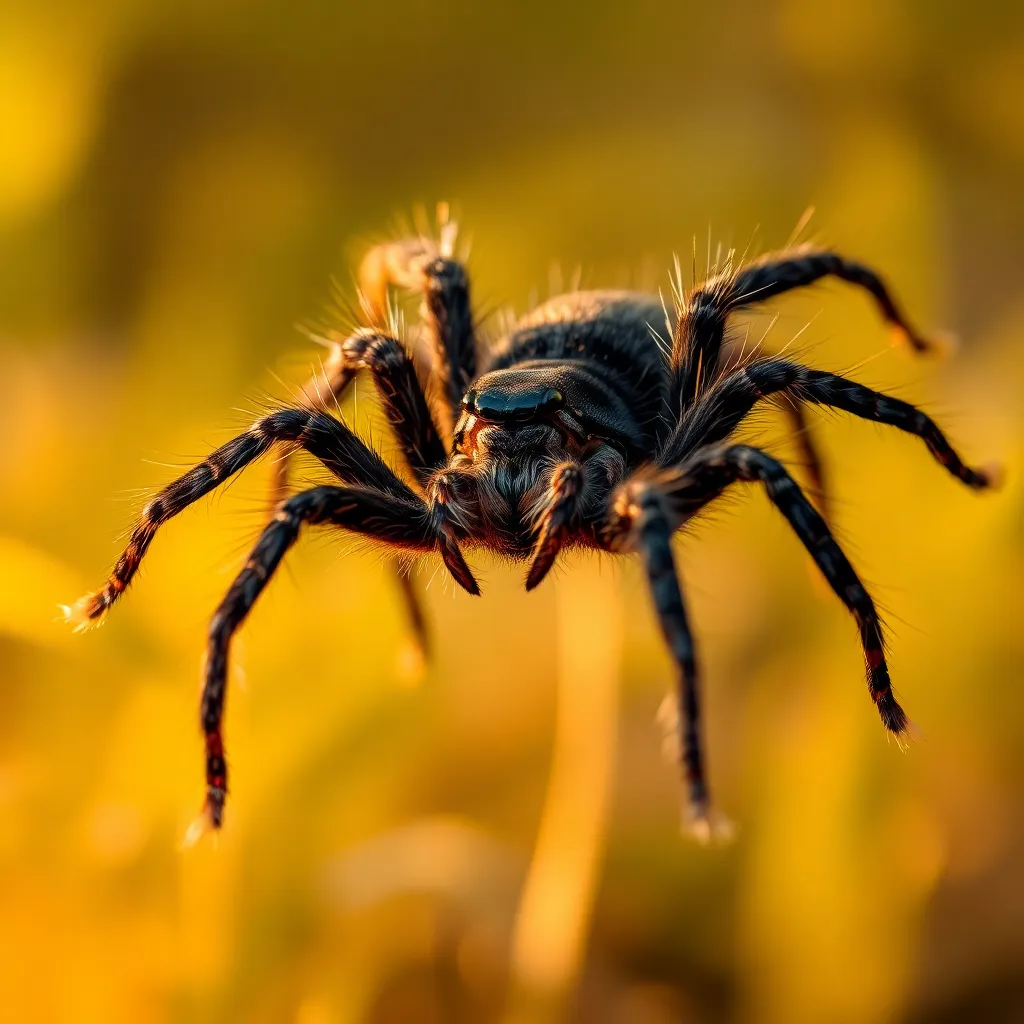
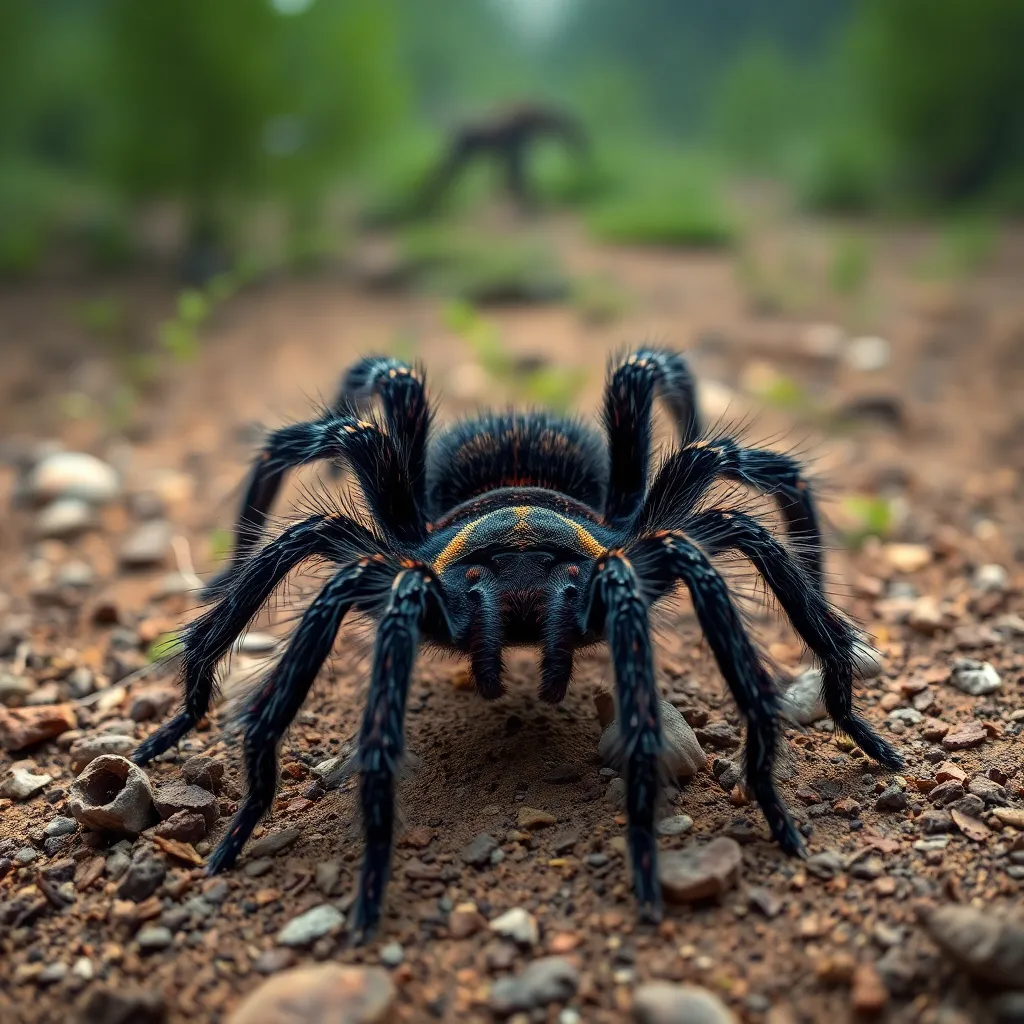
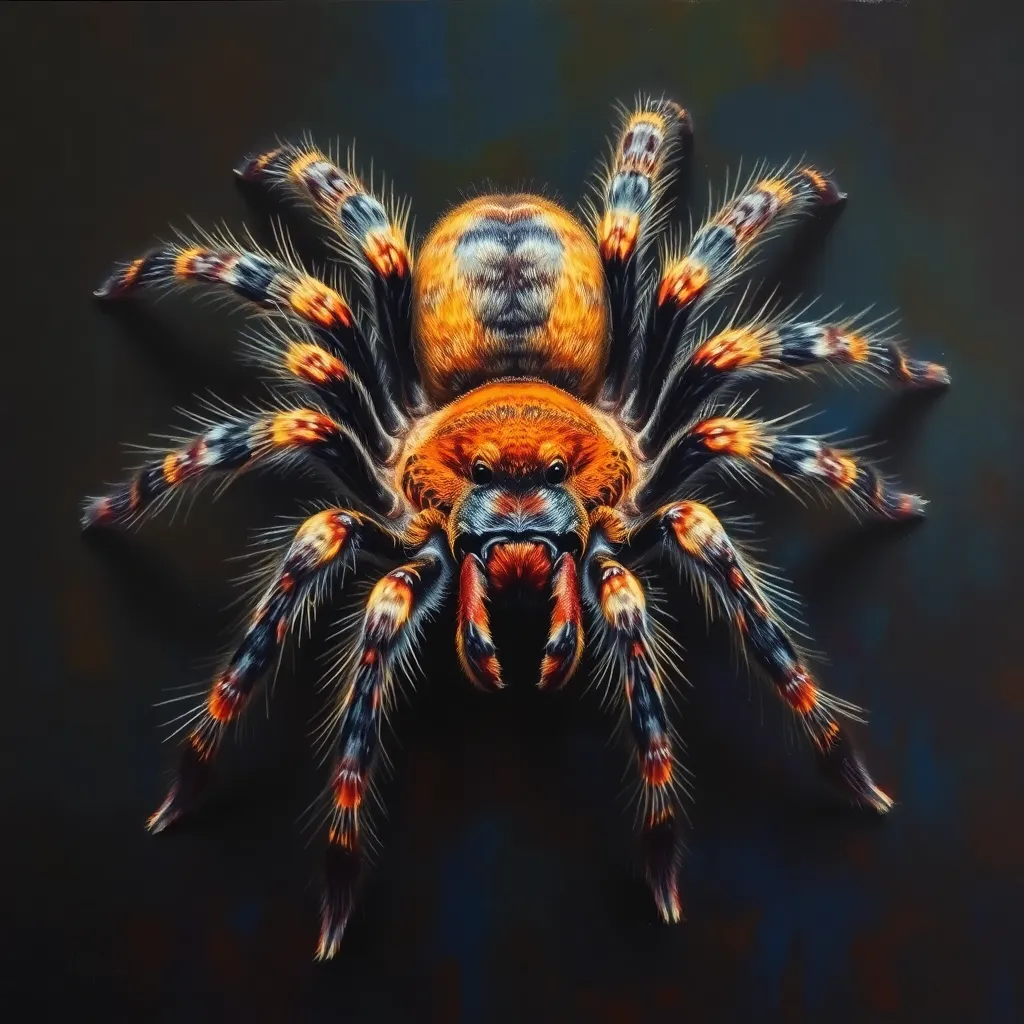
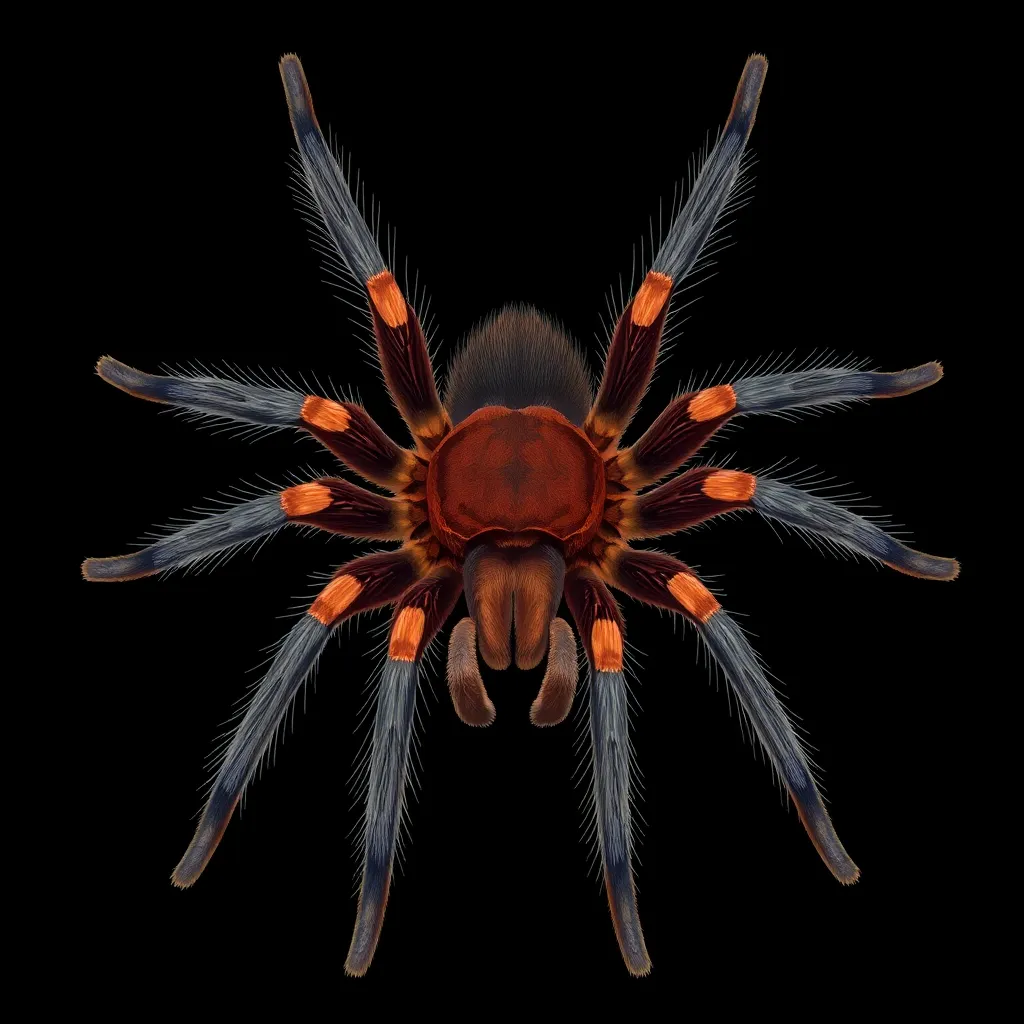
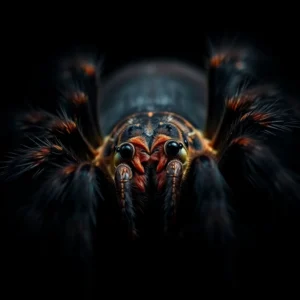
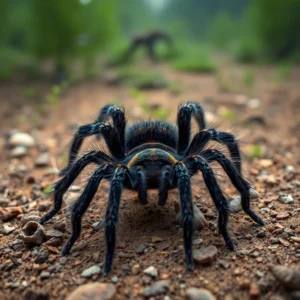
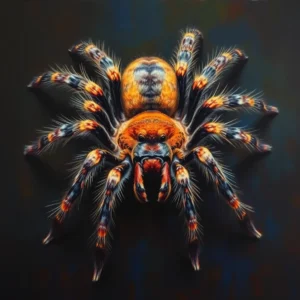
The Chaco golden knee tarantula is among the most docile of the world’s approximately 900 tarantula species, making it a popular ambassador for arachnids that many people fear. Native to Paraguay and Argentina’s dry Chaco scrubland, this large, slow-moving spider spends its nights hunting insects, small lizards, and frogs while spending its days in a shallow burrow. Female tarantulas are extraordinarily long-lived — some individuals surpass 30 years — while males typically die within a year of reaching sexual maturity.

⚡ Speed Comparison

Tarantula
2 km/h
Human
12 km/h
Car (city)
50 km/h
Horse
54 km/h

💡 Fun Facts

01

Female Grammostola tarantulas can live over 30 years, making them among the longest-lived invertebrates kept in captivity, while males rarely survive past 7 years.

02

Tarantulas do not produce venomous webs — they use silk solely for lining burrows, creating trip-line alarms, and building egg sacs, not for trapping prey.

03

When threatened, many New World tarantulas rub their abdomen with their hind legs to release clouds of barbed urticating hairs that embed in eyes and skin of attackers.

04

Tarantulas breathe through book lungs — stacked lamellae in the abdomen that function like an accordion, passing air over blood-rich tissues — not through spiracles like most insects.

05

A tarantula's entire nervous system is compressed into a ganglion in the cephalothorax, yet they exhibit learning, memory, and individual personality differences in captivity studies.

Unlock Expert Wildlife Facts

Watch a short 15-second video to unlock detailed expert analysis, exclusive wildlife photography, and rare behavioral facts.

📍 Where to Find This Animal

🛒 Tarantula Related Gear

As an Amazon Associate we earn from qualifying purchases.
🗨️

Join the Conversation

Share your thoughts about the Tarantula

✍️

Leave a Comment

Your email address will not be published. Required fields are marked *

How Big Is a Tarantula?

Side-by-side comparison with an adult human (175 cm)

🧍
Human
175 cm
🕷️
Tarantula
65 cm
shoulder height
50–85 BODY WEIGHT
12–16 BODY LENGTH
2 TOP SPEED
25–30 LIFESPAN
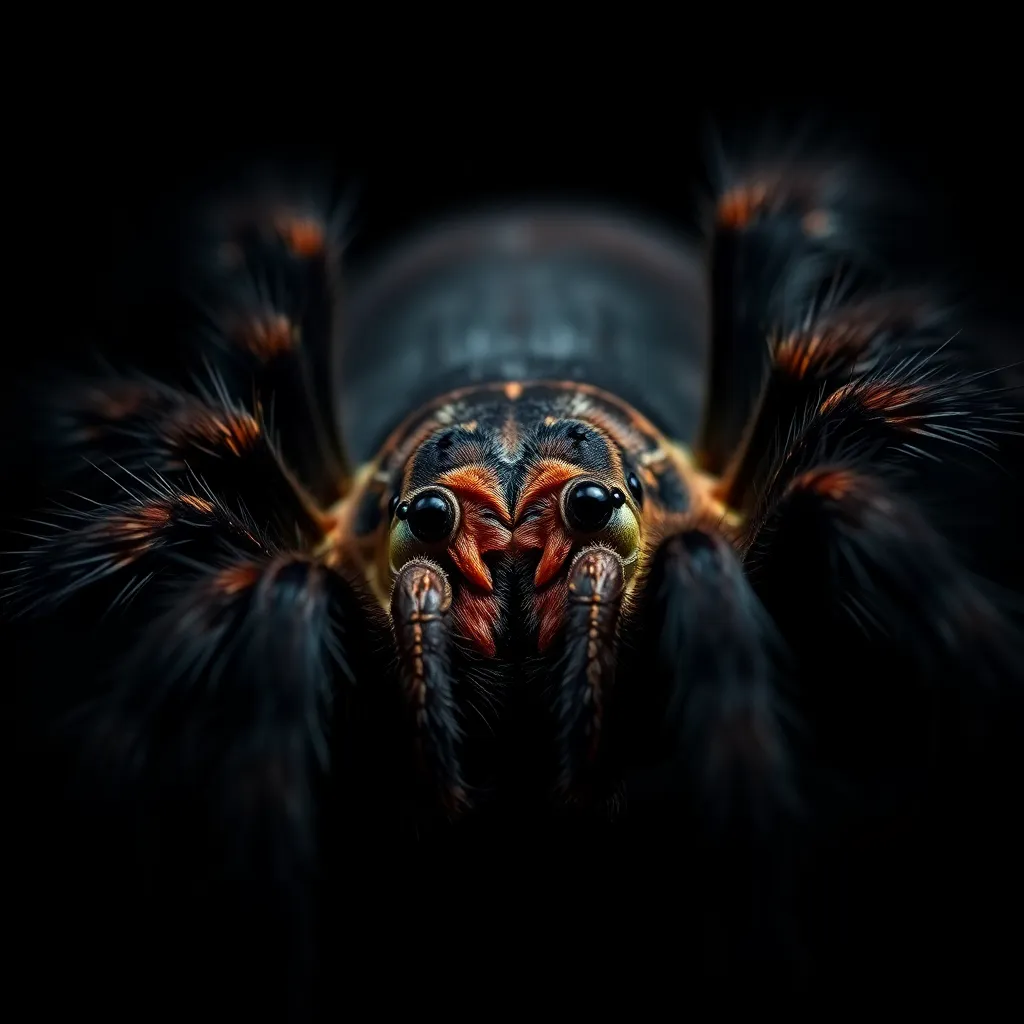
Tarantula close-up
Tarantula

SURVIVAL TOOLKIT

Built for Survival

Nature's engineering refined over millions of years

🔬 SURVIVAL TOOLKIT
Urticating Hair Defense
01

Urticating Hair Defense

Specialized barbed hairs on the abdomen are kicked into the air toward threats, embedding in mucous membranes and causing intense irritation that deters most mammalian predators.

Book Lung Respiration
02

Book Lung Respiration

Paired book lungs — stacked blood-filled lamellae in abdominal pockets — absorb oxygen across a large surface area with low metabolic expenditure.

Vibration Sensing
03

Vibration Sensing

Slit sensilla and hair sensilla on the legs detect substrate vibrations and air movements, giving the tarantula a detailed picture of nearby prey and predators without good eyesight.

Paralytic Venom
04

Paralytic Venom

Cheliceral fangs inject venom containing enzymes and neurotoxins that immobilize prey and begin external pre-digestion before the liquefied meal is ingested.

Silk Burrow Lining
05

Silk Burrow Lining

Tarantulas line burrows with silk that retains humidity, provides grip for moulting, and transmits vibrations from trip-line silk at the entrance to alert the spider to approaching prey.

Velvet Giant of the Desert. An extraordinary creature that reminds us what we stand to lose.

Jungal Safari · Wildlife Network
💡

Did You Know?

Female Grammostola tarantulas can live over 30 years, making them among the longest-lived invertebrates kept in captivity, while males rarely survive past 7 years.

🍖 DIET: CARNIVORE

What Does the Tarantula Eat?

🦗
Crickets & Grasshoppers
🐛
Large Insects & Grubs
🦎
Small Lizards
🐭
Pinky Mice (occasionally)
🐸
Small Frogs
🗺️ GEOGRAPHIC RANGE

Where Do Tarantulas Live?

🌍
Continents
➡️
Population Trend Stable

Conservation in Action

How You Can Help the Tarantula

Small actions, taken together, can reverse the decline of species like this one

🌳
Protect Habitat

Support wildlife reserves and protected land corridors

🚫
Stop Poaching

Report illegal trade and back anti-poaching patrols

🔬
Fund Research

Camera-trap studies and population monitoring

🤝
Community Work

Partner with local herders to reduce conflict

📢
Raise Awareness

Educate and inspire future wildlife champions

"Without urgent action, the Tarantula could disappear from the wild within our lifetime."

PROTECT THEM. PRESERVE THEIR LEGACY.

The Tarantula's Future
Is In Our Hands

Every share, every donation, every voice raised — makes a difference for wildlife conservation.

🌳Protect Habitat
📢Raise Awareness
💰Fund Research
🤝Community Work
🚫Stop Poaching

"Protect Wildlife. Preserve Our Planet."

Every species matters. Every action counts.

Advertisement