Loading Wildlife…

Dasyuridae EN

THE

TASMANIAN DEVIL

Screaming Shadow of Tasmania

Sarcophilus harrisii

Oceania
CLASS Mammalia FAMILY Dasyuridae GENUS Sarcophilus
13 km/h
Top Speed
⚖️
5-14 kg
Max Weight
📏
52-80 cm
Body Length
🕰️
5-8 years
Lifespan
🍖
Carnivore
Diet Type

IUCN Red List — Where this species stands

LC Least Concern
NT Near Threatened
VU Vulnerable
EN Endangered
CR Critical
EW Extinct Wild
EX Extinct

About the Tasmanian Devil

Sarcophilus harrisii

Advertisement

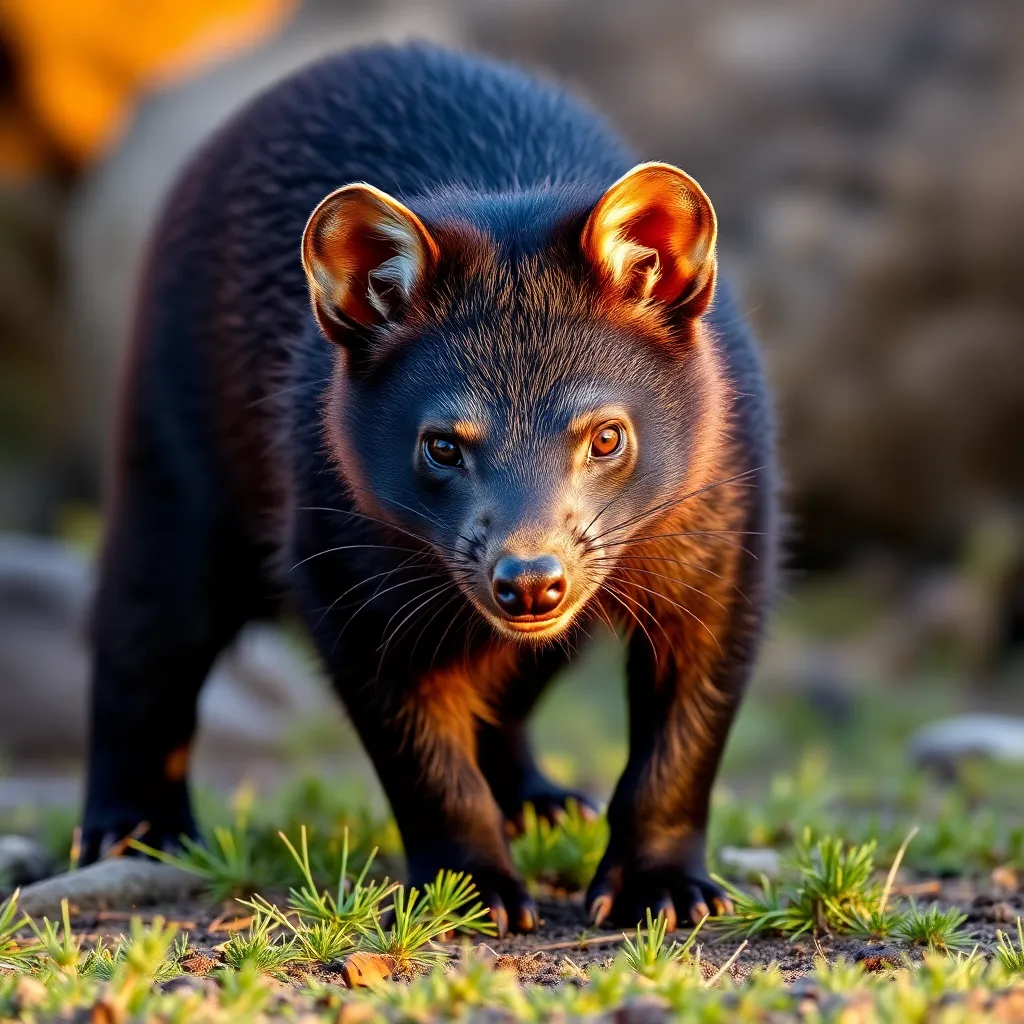
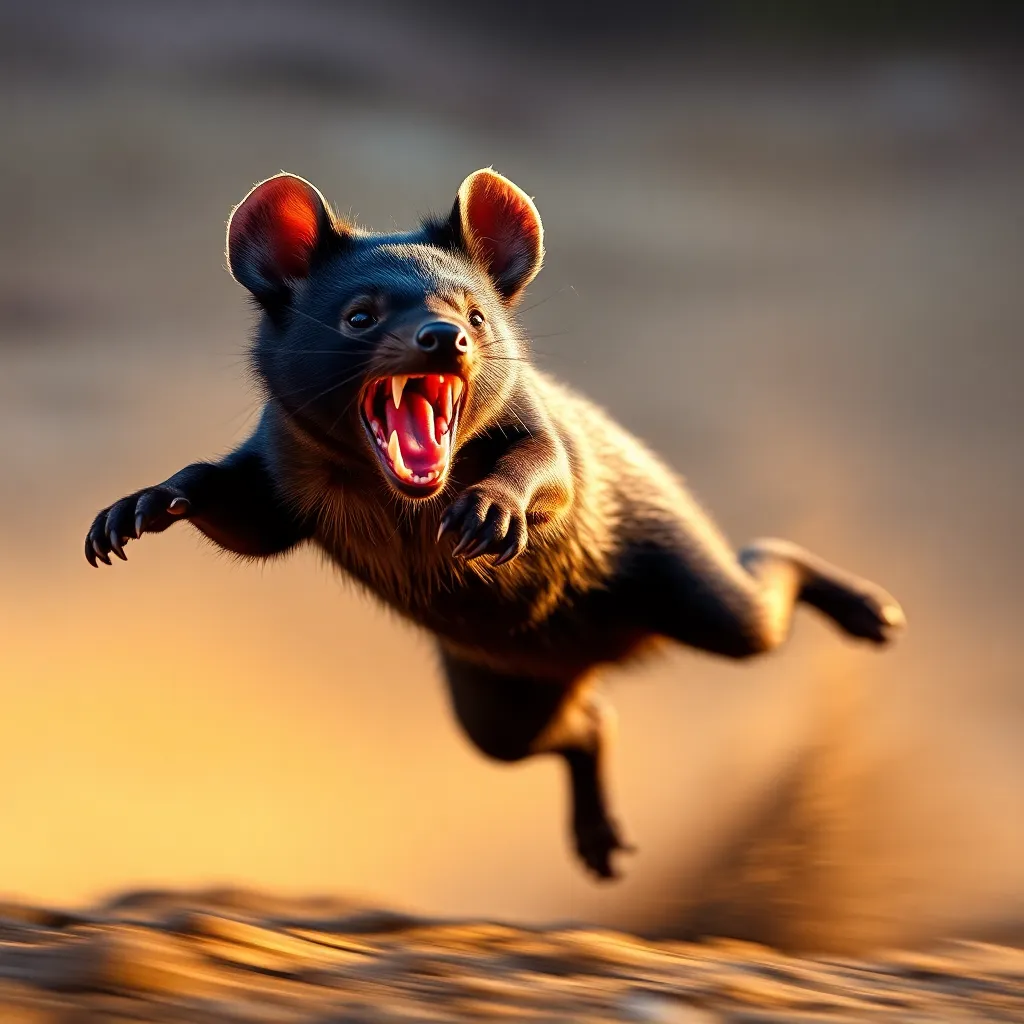
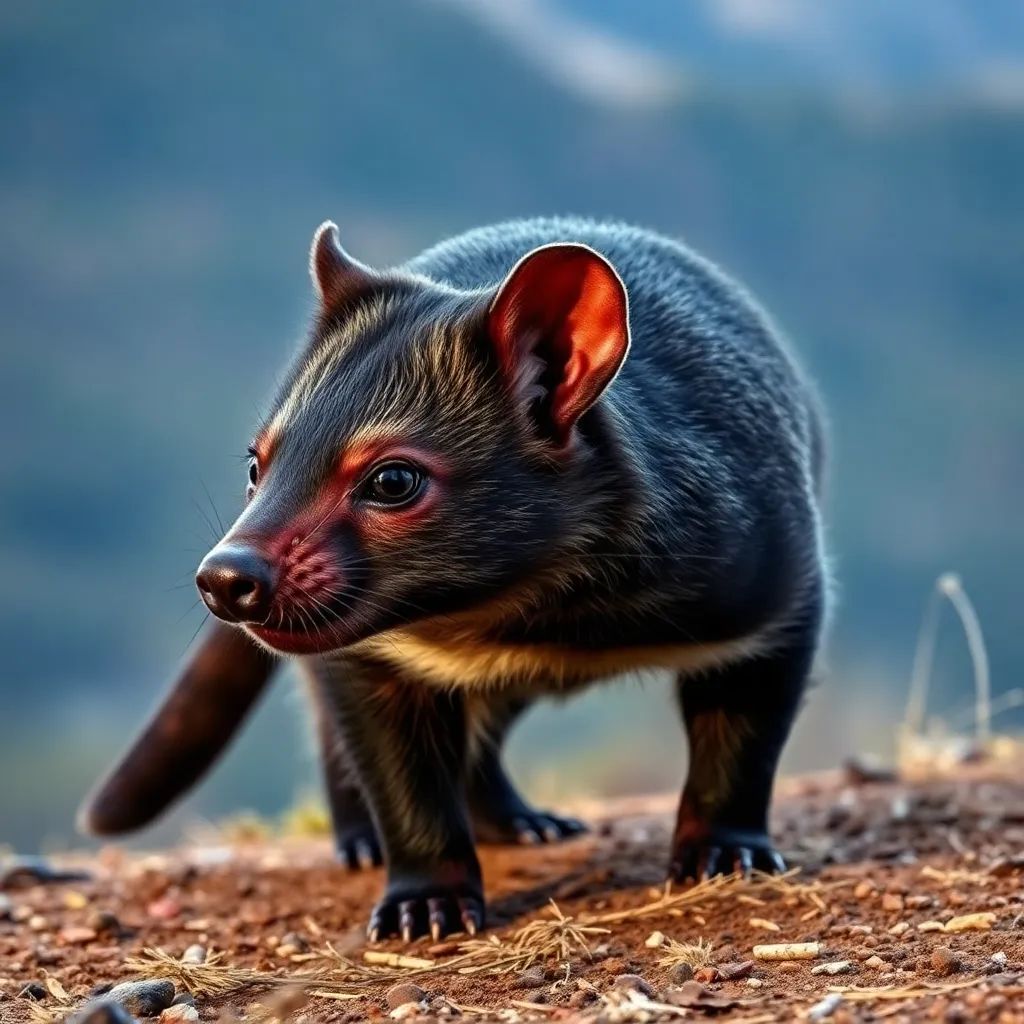
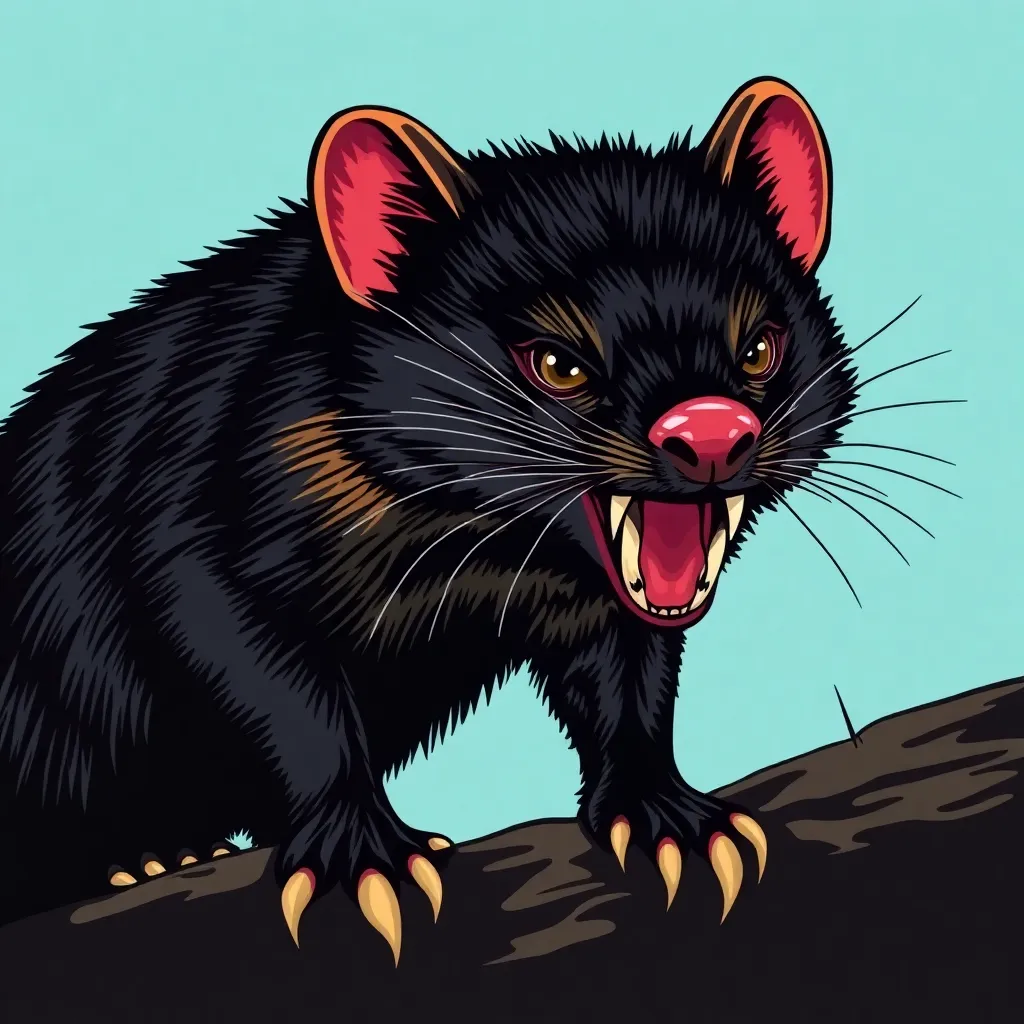
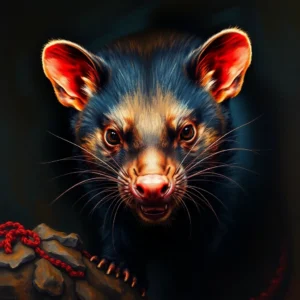
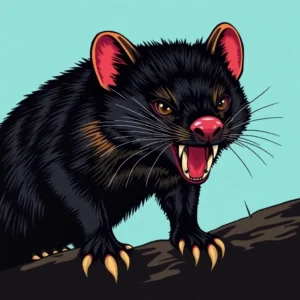
The Tasmanian Devil is the world’s largest carnivorous marsupial, found only on the island of Tasmania after being driven extinct on mainland Australia roughly 3,500 years ago. Its name comes from the spine-chilling screams, growls, and lunging behavior it displays at communal carcasses — behavior designed to intimidate competitors rather than reflect aggression. Devastated by Devil Facial Tumour Disease (DFTD), one of only three known contagious cancers in nature, wild populations declined by 80% but conservation breeding and reintroduction programs offer hope.

⚡ Speed Comparison

Human
12 km/h
Tasmanian Devil
13 km/h
Car (city)
50 km/h
Horse
54 km/h

💡 Fun Facts

01

Devil Facial Tumour Disease (DFTD) is one of only three known transmissible cancers in the animal kingdom — it spreads as a living clonal cancer cell when devils bite each other during feeding frenzies.

02

Tasmanian Devils can eat up to 40% of their own body weight in a single night — bones, fur, and all — using one of the most powerful bites relative to body size of any mammal.

03

Females give birth to up to 30 tiny joeys, each smaller than a grain of rice, but possess only 4 nipples in the pouch — meaning only 4 can survive regardless of how many are born.

04

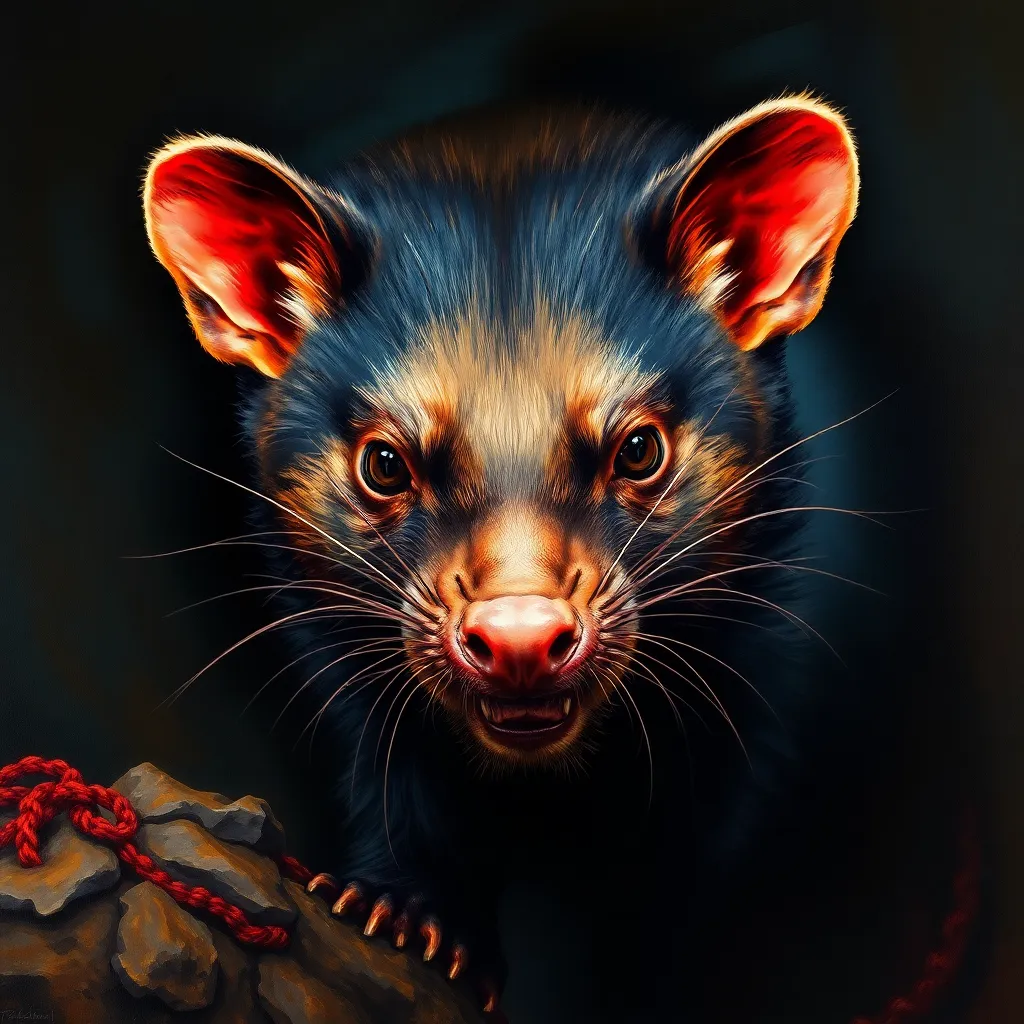
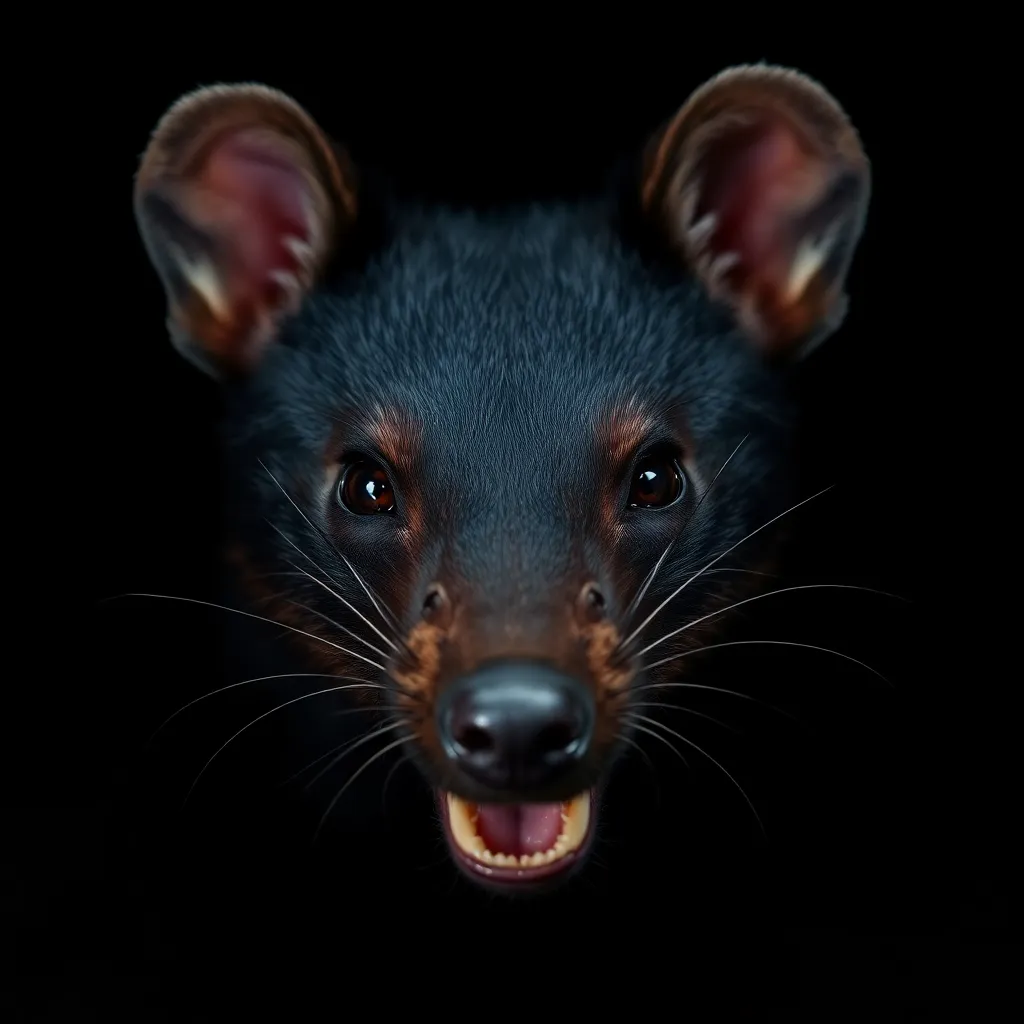
Their large, dark ears flush bright red when agitated due to increased blood flow, visually amplifying their threat displays at carcass feeding competitions.

05

A reintroduction program in 2020 released Tasmanian Devils to mainland Australia after 3,000 years of absence, in Barrington Tops National Park north of Sydney.

Unlock Expert Wildlife Facts

Watch a short 15-second video to unlock detailed expert analysis, exclusive wildlife photography, and rare behavioral facts.

📍 Where to Find This Animal

🛒 Tasmanian Devil Related Gear

As an Amazon Associate we earn from qualifying purchases.
🗨️

Join the Conversation

Share your thoughts about the Tasmanian Devil

✍️

Leave a Comment

Your email address will not be published. Required fields are marked *

How Big Is a Tasmanian Devil?

Side-by-side comparison with an adult human (175 cm)

🧍
Human
175 cm
🦡
Tasmanian Devil
65 cm
shoulder height
5-14 BODY WEIGHT
52-80 BODY LENGTH
13 TOP SPEED
5-8 LIFESPAN
Tasmanian Devil close-up
Tasmanian Devil

SURVIVAL TOOLKIT

Built for Survival

Nature's engineering refined over millions of years

🔬 SURVIVAL TOOLKIT
Bone-Crushing Bite
01

Bone-Crushing Bite

A bite force quotient of 181 (one of the highest of any mammal) allows complete consumption of carcasses including the densest bones.

Marsupial Pouch
02

Marsupial Pouch

A rear-opening pouch shelters and nourishes the four nipple-attached joeys through months of critical postnatal development.

Intimidation Vocalizations
03

Intimidation Vocalizations

A range of screams, growls, and coughs at carcass sites signal competitive status, reducing physical injury from actual combat.

Fat-Storing Tail
04

Fat-Storing Tail

A thick, muscular tail stores fat reserves that visibly shrink when food is scarce — a visible indicator of body condition.

Olfactory Tracking
05

Olfactory Tracking

An acute sense of smell can detect carrion several kilometers away, enabling efficient location of carcasses across large home ranges.

Screaming Shadow of Tasmania. An extraordinary creature that reminds us what we stand to lose.

Jungal Safari · Wildlife Network
💡

Did You Know?

Devil Facial Tumour Disease (DFTD) is one of only three known transmissible cancers in the animal kingdom — it spreads as a living clonal cancer cell when devils bite each other during feeding frenzies.

🍖 DIET: CARNIVORE

What Does the Tasmanian Devil Eat?

🦘
Wallabies & Possums
🐑
Carrion & Carcasses
🐸
Frogs & Reptiles
🦎
Insects & Invertebrates
🐟
Fish
🗺️ GEOGRAPHIC RANGE

Where Do Tasmanian Devils Live?

🌍
Continents
📉
Population Trend Declining

Conservation in Action

How You Can Help the Tasmanian Devil

Small actions, taken together, can reverse the decline of species like this one

🌳
Protect Habitat

Support wildlife reserves and protected land corridors

🚫
Stop Poaching

Report illegal trade and back anti-poaching patrols

🔬
Fund Research

Camera-trap studies and population monitoring

🤝
Community Work

Partner with local herders to reduce conflict

📢
Raise Awareness

Educate and inspire future wildlife champions

"Without urgent action, the Tasmanian Devil could disappear from the wild within our lifetime."

PROTECT THEM. PRESERVE THEIR LEGACY.

The Tasmanian Devil's Future
Is In Our Hands

Every share, every donation, every voice raised — makes a difference for wildlife conservation.

🌳Protect Habitat
📢Raise Awareness
💰Fund Research
🤝Community Work
🚫Stop Poaching

"Protect Wildlife. Preserve Our Planet."

Every species matters. Every action counts.

Advertisement