Loading Wildlife…

Termitidae LC

THE

TERMITE

Master Builder of the Ancient Mound

Macrotermes bellicosus

Africa
CLASS Insecta FAMILY Termitidae GENUS Macrotermes
0.5 km/h
Top Speed
⚖️
0.01-0.04 g kg
Max Weight
📏
0.4-1.5 cm
Body Length
🕰️
1-5 years (workers)
Lifespan
🍖
Herbivore
Diet Type

IUCN Red List — Where this species stands

LC Least Concern
NT Near Threatened
VU Vulnerable
EN Endangered
CR Critical
EW Extinct Wild
EX Extinct

About the Termite

Macrotermes bellicosus

Advertisement

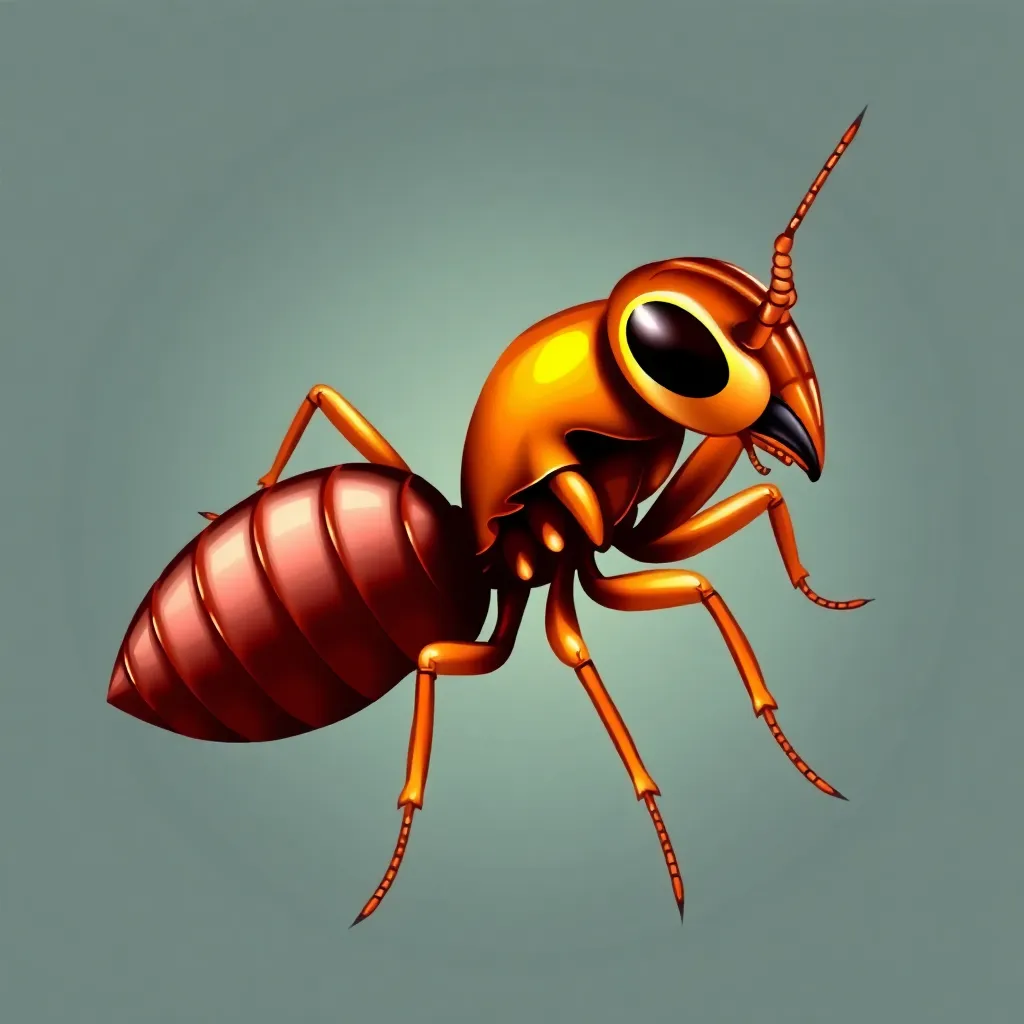
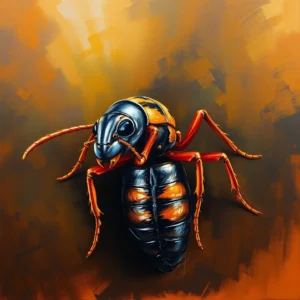
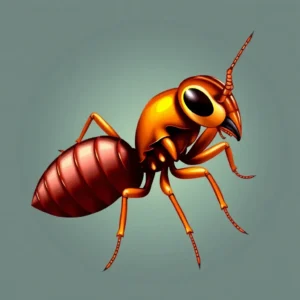
Macrotermes bellicosus is the master architect of the animal kingdom, constructing massive mounds that can stand over 8 meters tall and house colonies of several million individuals. These cathedral termite mounds contain elaborate fungus gardens, temperature-regulated nurseries, and a sophisticated ventilation system that maintains stable internal temperature and CO2 levels despite extreme external fluctuations. Worker and soldier termites are sterile, blind, and wingless — the entire colony functions as a superorganism driven by chemical communication.

⚡ Speed Comparison

Termite
1 km/h
Human
12 km/h
Car (city)
50 km/h
Horse
54 km/h

💡 Fun Facts

01

Macrotermes mounds achieve passive climate control through a network of chimneys and flues that exchange heat via convection — engineers have copied this design for zero-energy building ventilation.

02

The fungus gardens inside the mound are cultivated crops of Termitomyces fungi, which pre-digest cellulose for the colony and have been farmed by termites for 31 million years.

03

Macrotermes queens can lay over 30,000 eggs per day and live for up to 25 years, the longest lifespan of any insect.

04

Soldier termites of some species have heads specialized for blocking tunnel entrances — they are called 'phragmotic' soldiers and their skull precisely fits the diameter of the tunnel.

05

Termites are more closely related to cockroaches than to ants, having diverged from wood-feeding cockroach ancestors approximately 150 million years ago.

Unlock Expert Wildlife Facts

Watch a short 15-second video to unlock detailed expert analysis, exclusive wildlife photography, and rare behavioral facts.

📍 Where to Find This Animal

Habitat Types: Tropical Savanna

🛒 Termite Related Gear

As an Amazon Associate we earn from qualifying purchases.
🗨️

Join the Conversation

Share your thoughts about the Termite

✍️

Leave a Comment

Your email address will not be published. Required fields are marked *

How Big Is a Termite?

Side-by-side comparison with an adult human (175 cm)

🧍
Human
175 cm
🐜
Termite
65 cm
shoulder height
0.01-0.04 BODY WEIGHT
0.4-1.5 BODY LENGTH
0.5 TOP SPEED
1-5 LIFESPAN
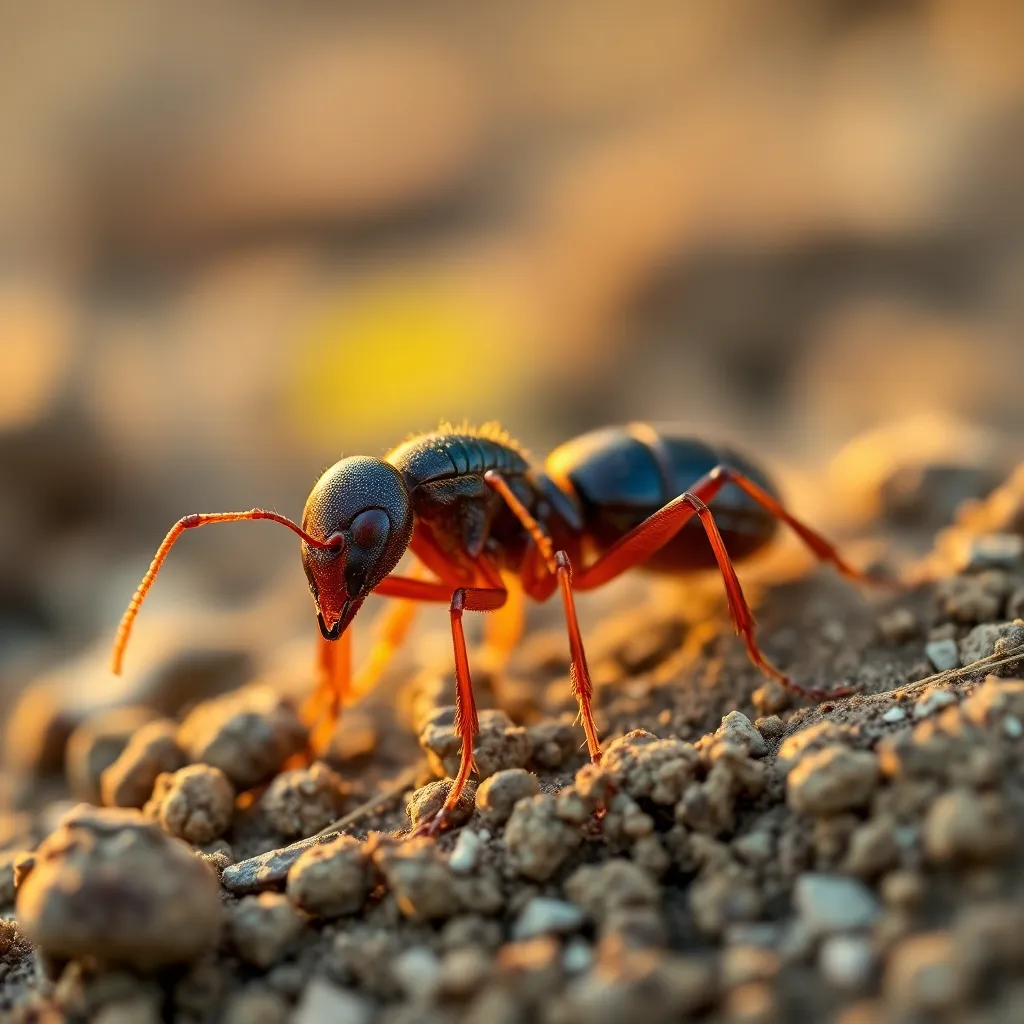
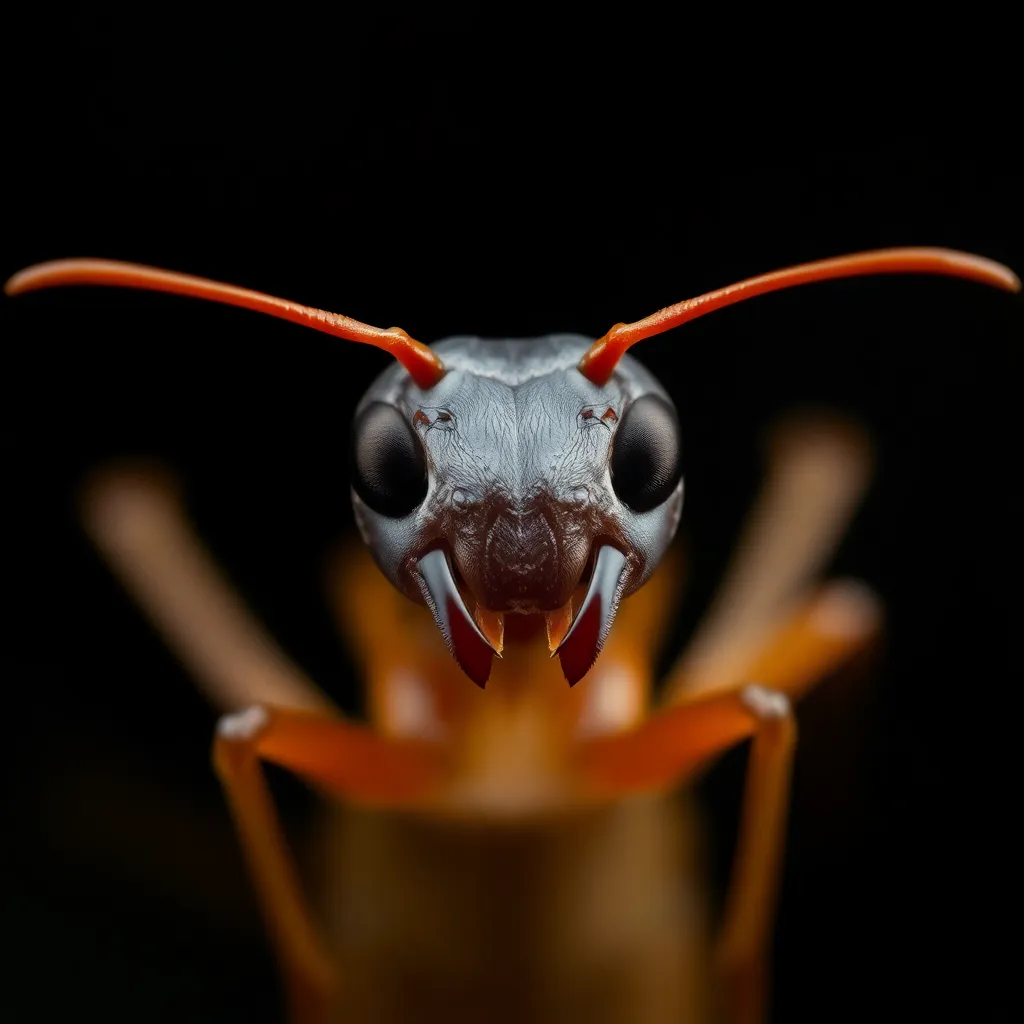
Termite close-up
Termite

SURVIVAL TOOLKIT

Built for Survival

Nature's engineering refined over millions of years

🔬 SURVIVAL TOOLKIT
Mound Architecture
01

Mound Architecture

Elaborate mound construction with flue networks passively regulates internal temperature and CO2 levels for optimal colony function.

Fungal Agriculture
02

Fungal Agriculture

Cultivates Termitomyces fungi on chewed plant matter, enabling digestion of cellulose that the termites themselves cannot break down.

Pheromone Language
03

Pheromone Language

A complex chemical signaling system coordinates millions of blind workers into a coordinated labor force with no central command.

Caste Specialization
04

Caste Specialization

Distinct morphological castes — workers, soldiers, reproductives — divide labor with anatomical specializations for each role.

Deep Water Mining
05

Deep Water Mining

Workers excavate tunnels up to 70 meters deep to access groundwater in dry seasons, sustaining the colony through droughts.

Master Builder of the Ancient Mound. An extraordinary creature that reminds us what we stand to lose.

Jungal Safari · Wildlife Network
💡

Did You Know?

Macrotermes mounds achieve passive climate control through a network of chimneys and flues that exchange heat via convection — engineers have copied this design for zero-energy building ventilation.

🍖 DIET: HERBIVORE

What Does the Termite Eat?

🪵
Dead Wood
🌿
Leaf Litter
🍄
Cultivated Fungi
🌾
Grass and Straw
🗺️ GEOGRAPHIC RANGE

Where Do Termites Live?

🌍
Continents
➡️
Population Trend Stable

Conservation in Action

How You Can Help the Termite

Small actions, taken together, can reverse the decline of species like this one

🌳
Protect Habitat

Support wildlife reserves and protected land corridors

🚫
Stop Poaching

Report illegal trade and back anti-poaching patrols

🔬
Fund Research

Camera-trap studies and population monitoring

🤝
Community Work

Partner with local herders to reduce conflict

📢
Raise Awareness

Educate and inspire future wildlife champions

"Without urgent action, the Termite could disappear from the wild within our lifetime."

PROTECT THEM. PRESERVE THEIR LEGACY.

The Termite's Future
Is In Our Hands

Every share, every donation, every voice raised — makes a difference for wildlife conservation.

🌳Protect Habitat
📢Raise Awareness
💰Fund Research
🤝Community Work
🚫Stop Poaching

"Protect Wildlife. Preserve Our Planet."

Every species matters. Every action counts.

Advertisement