Loading Wildlife…

Bufonidae LC

THE

TOAD

Jewel of the Damp Earth

Bufo bufo

Europe
CLASS Amphibia FAMILY Bufonidae GENUS Bufo
8 km/h
Top Speed
⚖️
20-100 g kg
Max Weight
📏
6-15 cm
Body Length
🕰️
10-40 years
Lifespan
🍖
Carnivore
Diet Type

IUCN Red List — Where this species stands

LC Least Concern
NT Near Threatened
VU Vulnerable
EN Endangered
CR Critical
EW Extinct Wild
EX Extinct

About the Toad

Bufo bufo

Advertisement

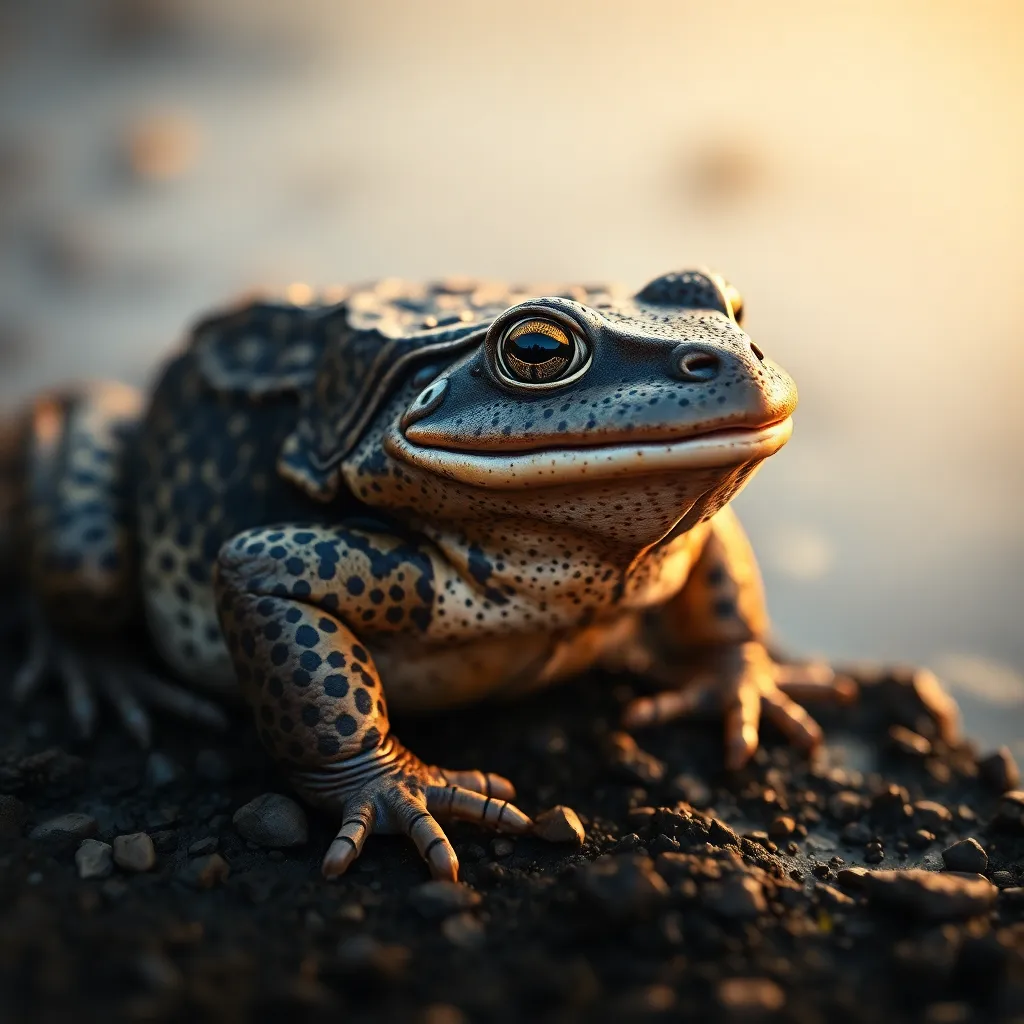
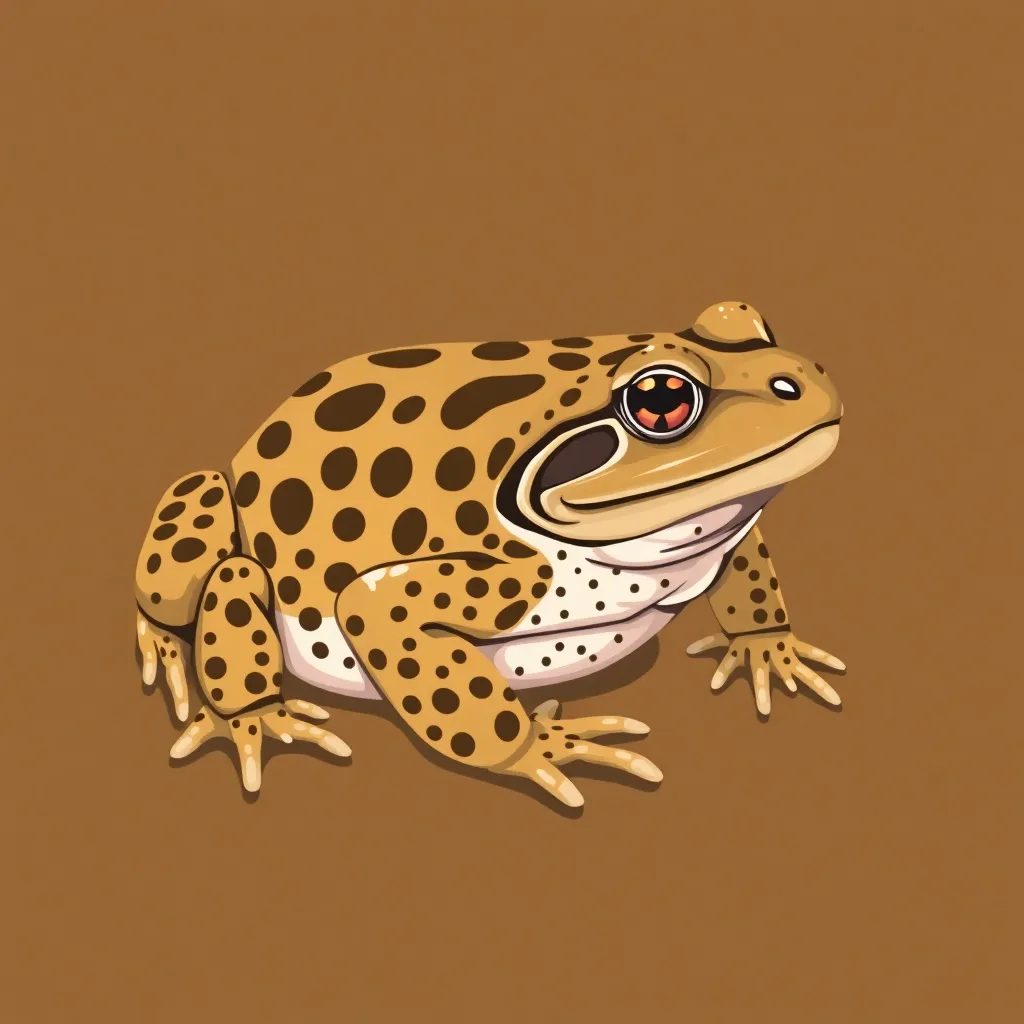
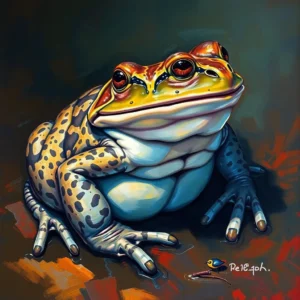
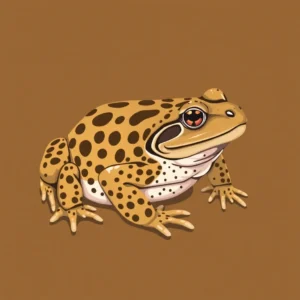
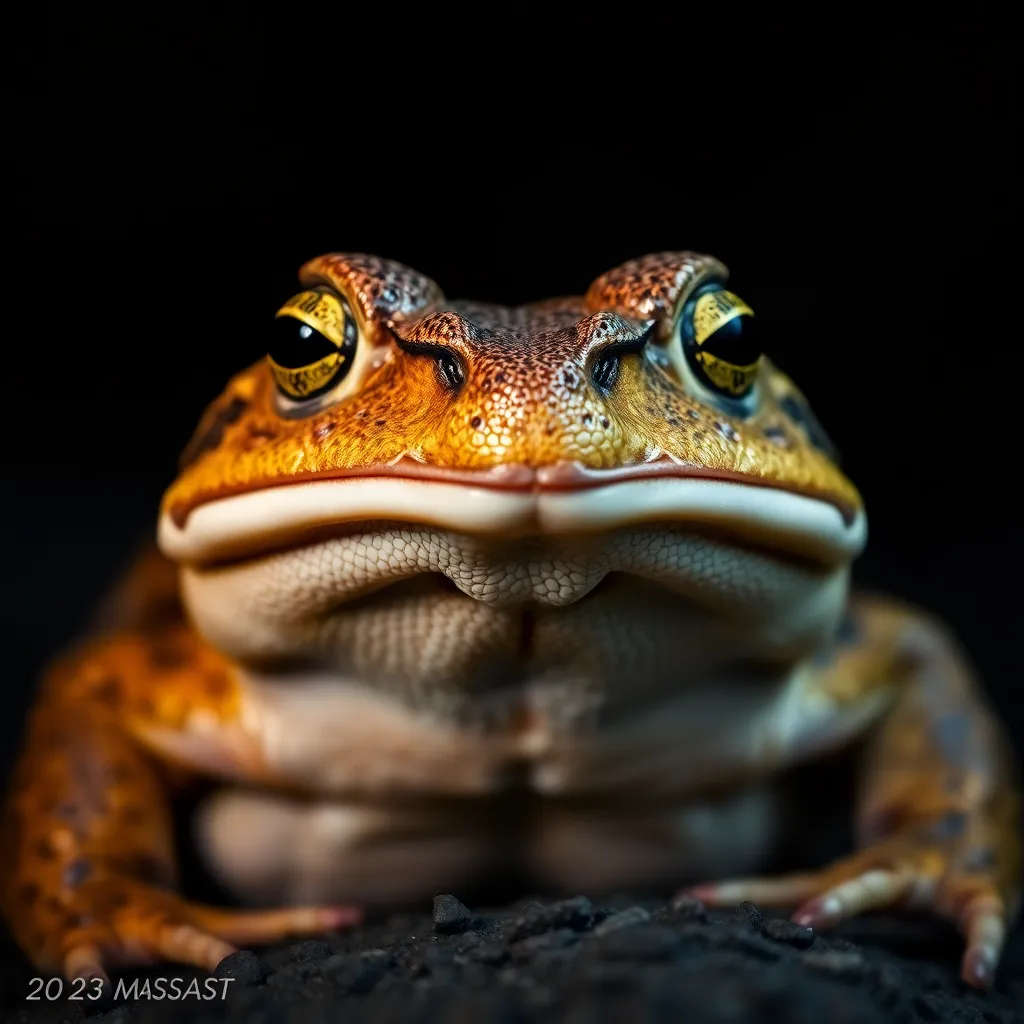
The Common Toad is one of Europe’s most widespread amphibians, recognizable by its warty, mottled brown skin and golden eyes with horizontal slit pupils. Unlike frogs, toads have dry, granular skin packed with parotoid glands behind the eyes that secrete a potent toxic alkaloid — bufadienolide — as a defense against predators. Each spring, toads undertake remarkable mass migrations back to their natal ponds, crossing roads in their thousands and inspiring ‘Toads on Roads’ conservation volunteer efforts across Europe.

⚡ Speed Comparison

Toad
8 km/h
Human
12 km/h
Car (city)
50 km/h
Horse
54 km/h

💡 Fun Facts

01

Common toads can live up to 40 years — exceptional longevity for such a small amphibian — with the confirmed record being a captive toad in Denmark that lived 36 years.

02

Toads use binocular vision and must perceive prey movement to trigger the strike reflex — a stationary insect in front of a toad is invisible to it behaviorally.

03

The parotoid glands behind their eyes produce bufadienolide toxins chemically similar to digitalis (a cardiac glycoside), causing heart arrhythmia in predators that mouth them.

04

Male toads cannot roar; during the breeding season they emit a soft, high-pitched 'release call' if mistakenly clasped by another male, which immediately causes the would-be amplexus partner to let go.

05

Toads navigate back to their birth pond using olfactory memory, geomagnetic cues, and remembered visual landmarks — migrations that can exceed 5 km each spring.

Unlock Expert Wildlife Facts

Watch a short 15-second video to unlock detailed expert analysis, exclusive wildlife photography, and rare behavioral facts.

📍 Where to Find This Animal

Habitat Types: Woodland & Hedgerows

🛒 Toad Related Gear

As an Amazon Associate we earn from qualifying purchases.
🗨️

Join the Conversation

Share your thoughts about the Toad

✍️

Leave a Comment

Your email address will not be published. Required fields are marked *

How Big Is a Toad?

Side-by-side comparison with an adult human (175 cm)

🧍
Human
175 cm
🐸
Toad
65 cm
shoulder height
20-100 BODY WEIGHT
6-15 BODY LENGTH
8 TOP SPEED
10-40 LIFESPAN
Toad close-up
Toad

SURVIVAL TOOLKIT

Built for Survival

Nature's engineering refined over millions of years

🔬 SURVIVAL TOOLKIT
Parotoid Poison Glands
01

Parotoid Poison Glands

Large glands behind the eyes secrete toxic bufadienolide compounds that cause vomiting, arrhythmia, and convulsions in predators.

Cryptic Skin Pattern
02

Cryptic Skin Pattern

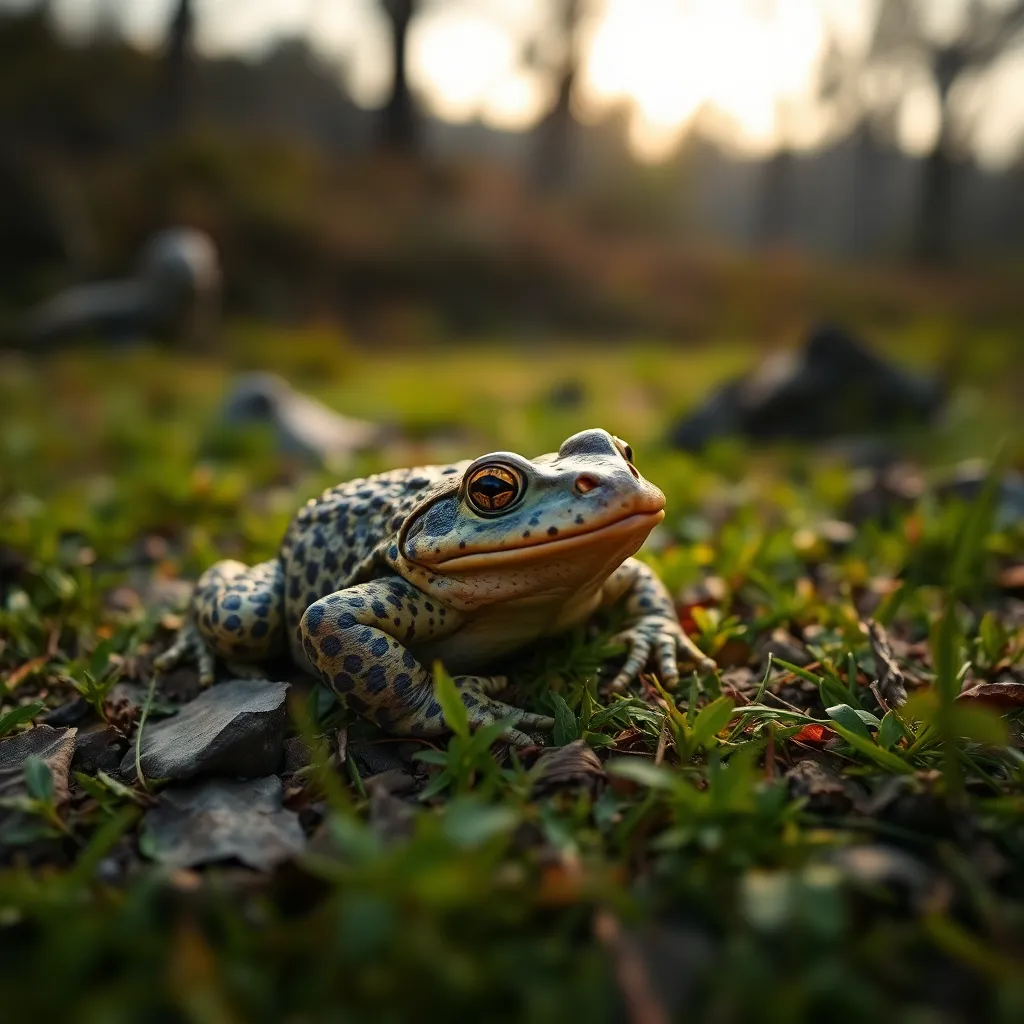
Warty, mottled brown and grey skin texture and coloration blend precisely with dead leaves, soil, and bark in woodland habitats.

Cutaneous Water Absorption
03

Cutaneous Water Absorption

Toads do not drink through their mouths; a specialized ventral 'drinking patch' of skin absorbs ground moisture osmotically.

Freeze Tolerance
04

Freeze Tolerance

Partial freeze tolerance, including production of cryoprotectant compounds, allows survival of mild soil frosts during winter hibernation.

Ballistic Tongue Strike
05

Ballistic Tongue Strike

A sticky, front-attached tongue folds out at high speed to capture invertebrate prey faster than the eye can follow.

Jewel of the Damp Earth. An extraordinary creature that reminds us what we stand to lose.

Jungal Safari · Wildlife Network
💡

Did You Know?

Common toads can live up to 40 years — exceptional longevity for such a small amphibian — with the confirmed record being a captive toad in Denmark that lived 36 years.

🍖 DIET: CARNIVORE

What Does the Toad Eat?

🐛
Caterpillars & Slugs
🪲
Beetles & Ants
🪱
Earthworms
🦟
Flies & Mosquitoes
🗺️ GEOGRAPHIC RANGE

Where Do Toads Live?

🌍
Continents
📉
Population Trend Declining

Conservation in Action

How You Can Help the Toad

Small actions, taken together, can reverse the decline of species like this one

🌳
Protect Habitat

Support wildlife reserves and protected land corridors

🚫
Stop Poaching

Report illegal trade and back anti-poaching patrols

🔬
Fund Research

Camera-trap studies and population monitoring

🤝
Community Work

Partner with local herders to reduce conflict

📢
Raise Awareness

Educate and inspire future wildlife champions

"Without urgent action, the Toad could disappear from the wild within our lifetime."

PROTECT THEM. PRESERVE THEIR LEGACY.

The Toad's Future
Is In Our Hands

Every share, every donation, every voice raised — makes a difference for wildlife conservation.

🌳Protect Habitat
📢Raise Awareness
💰Fund Research
🤝Community Work
🚫Stop Poaching

"Protect Wildlife. Preserve Our Planet."

Every species matters. Every action counts.

Advertisement