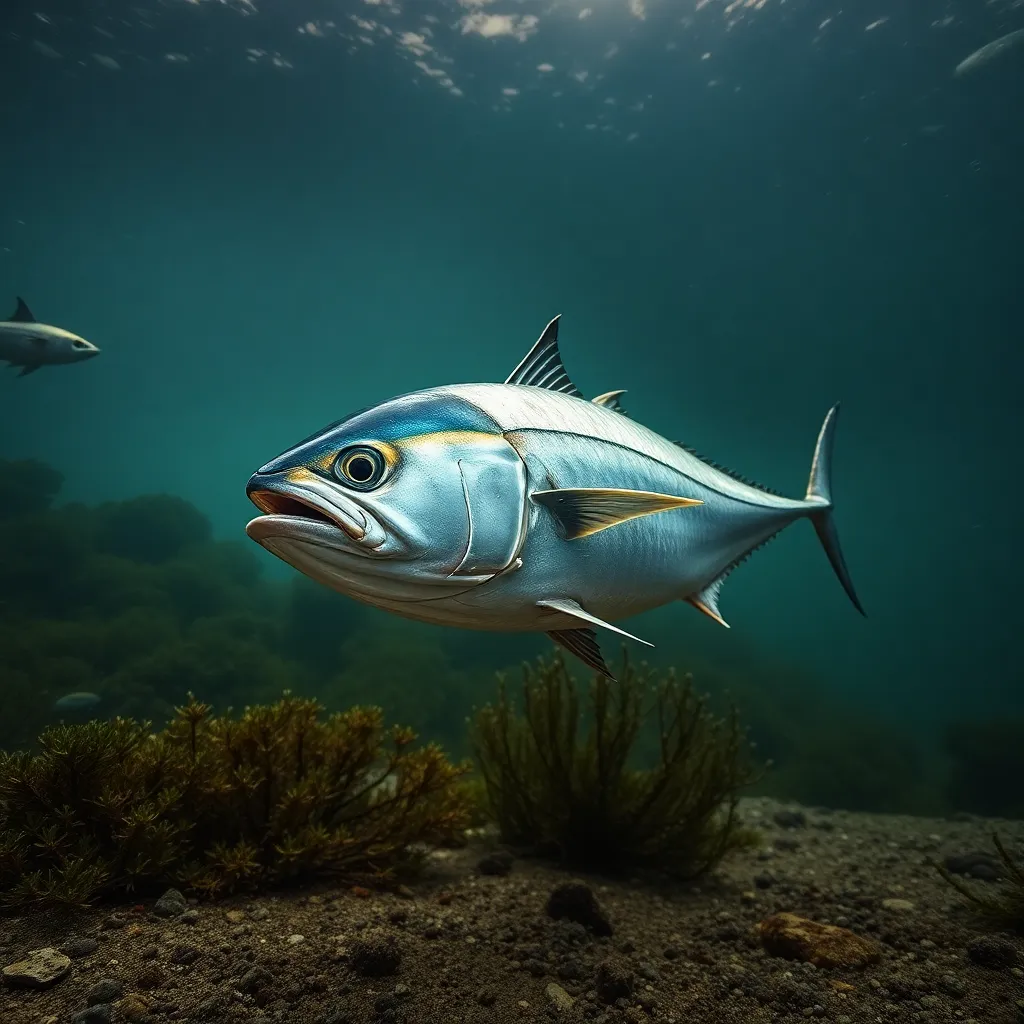
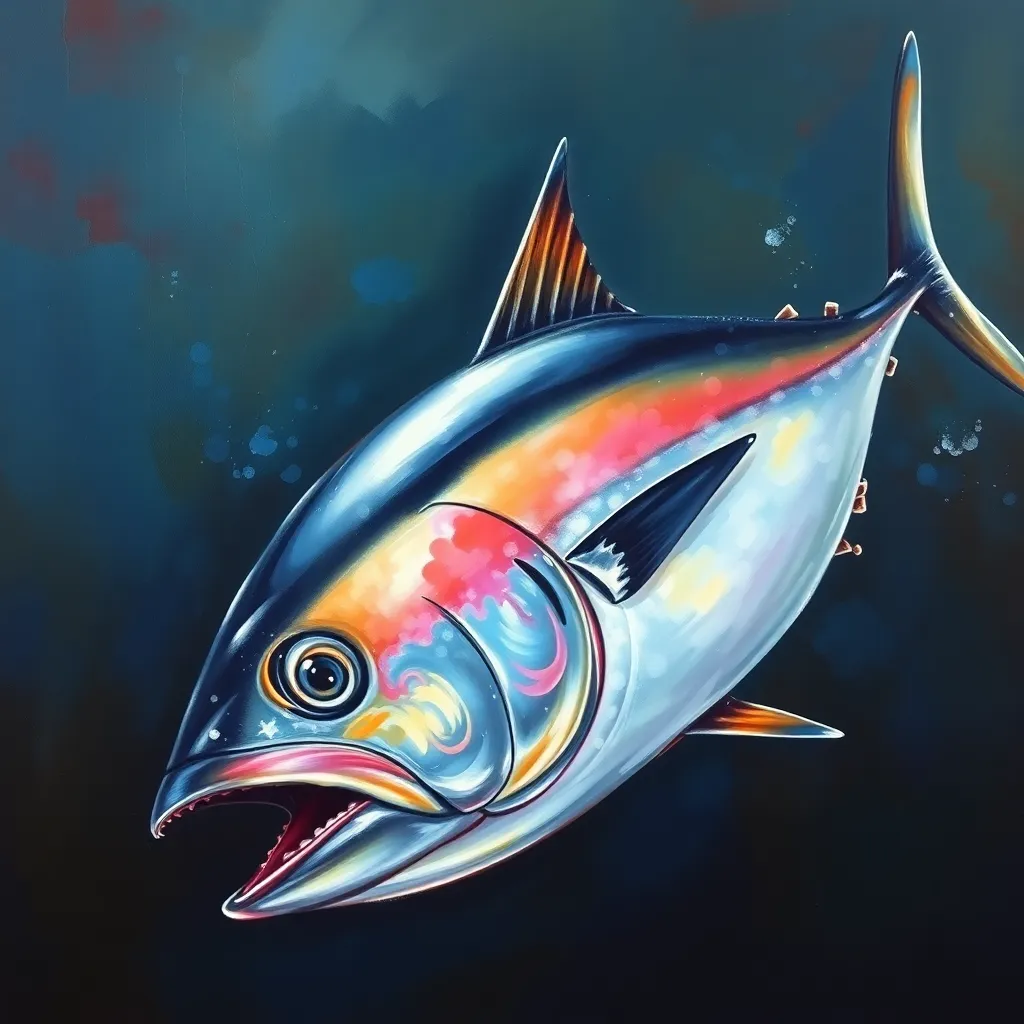
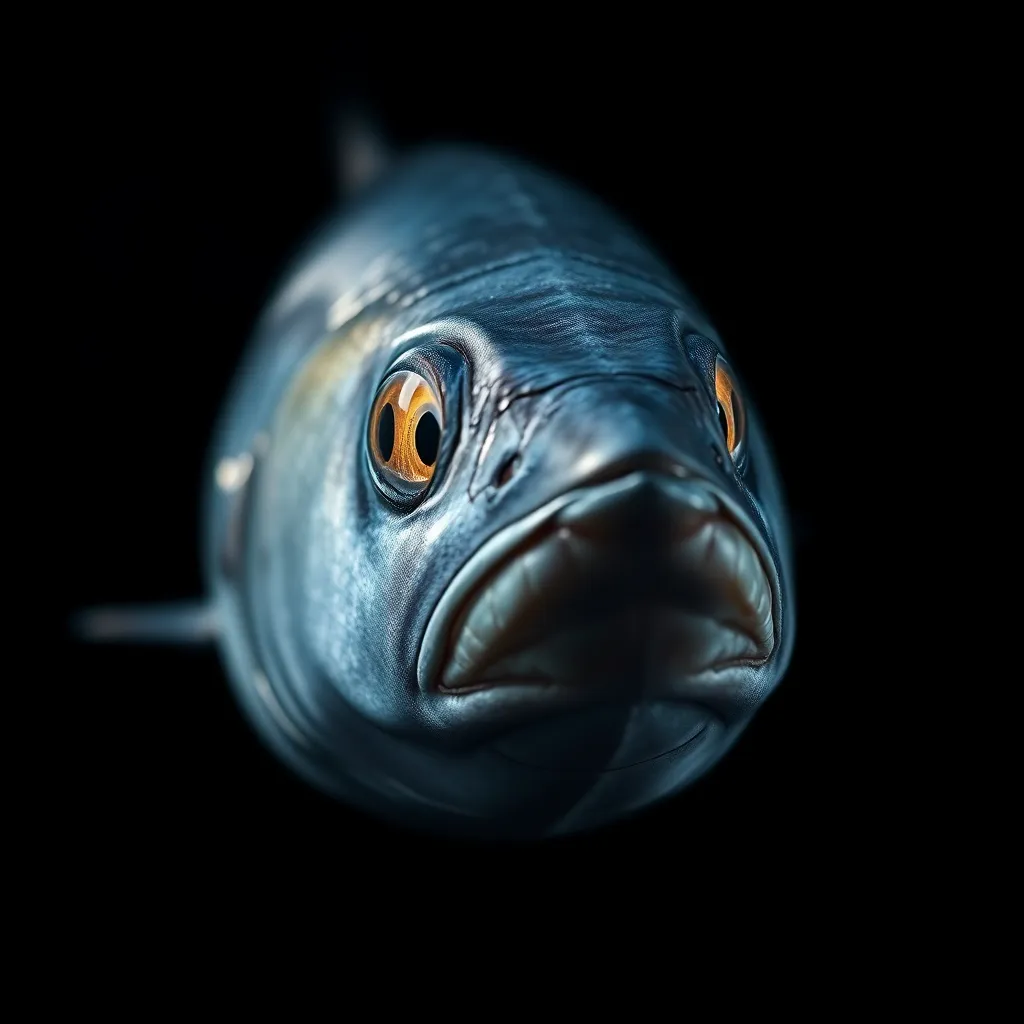
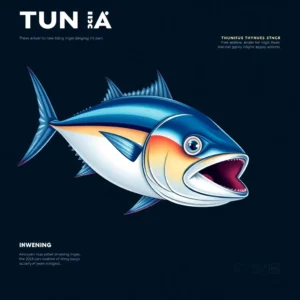
The Atlantic bluefin tuna is the largest of all tuna species and one of the most extraordinary fish on the planet — a warm-blooded, highly migratory apex predator that crosses the Atlantic Ocean multiple times throughout its life. Bluefin tuna maintain body temperatures up to 20°C above ambient seawater through a countercurrent heat exchange system, enabling high-performance predation in frigid northern waters. Once severely overfished, Atlantic populations are recovering following international catch quota agreements.
About the Tuna
Thunnus thynnus
Advertisement
⚡ Speed Comparison
📸 Photo Gallery



💡 Fun Facts
01
Bluefin tuna are endothermic — they maintain core body temperatures significantly above ambient seawater using a countercurrent heat exchange system called the rete mirabile, making them one of very few warm-blooded fish.
02
Bluefin tuna cannot stop swimming or they will die; they lack the ability to actively pump water over their gills and must swim continuously to force oxygenated water through their mouths — a process called obligate ram ventilation.
03
A single Atlantic bluefin tuna at Tokyo's Tsukiji Fish Market sold for $3.1 million USD in 2019 — the highest price ever paid for a single fish.
04
Young bluefin tuna grow from a 1 mm egg to a 30 kg juvenile in just their first year, one of the fastest growth rates of any large vertebrate.
05
Bluefin tuna can migrate over 9,700 km between their Atlantic feeding grounds and Mediterranean breeding grounds in a single year.
📍 Where to Find This Animal
Habitat Types:
Open Ocean (Temperate & Subtropical Atlantic)
🛒 Tuna Related Gear
As an Amazon Associate we earn from qualifying purchases.




Join the Conversation
Share your thoughts about the Tuna