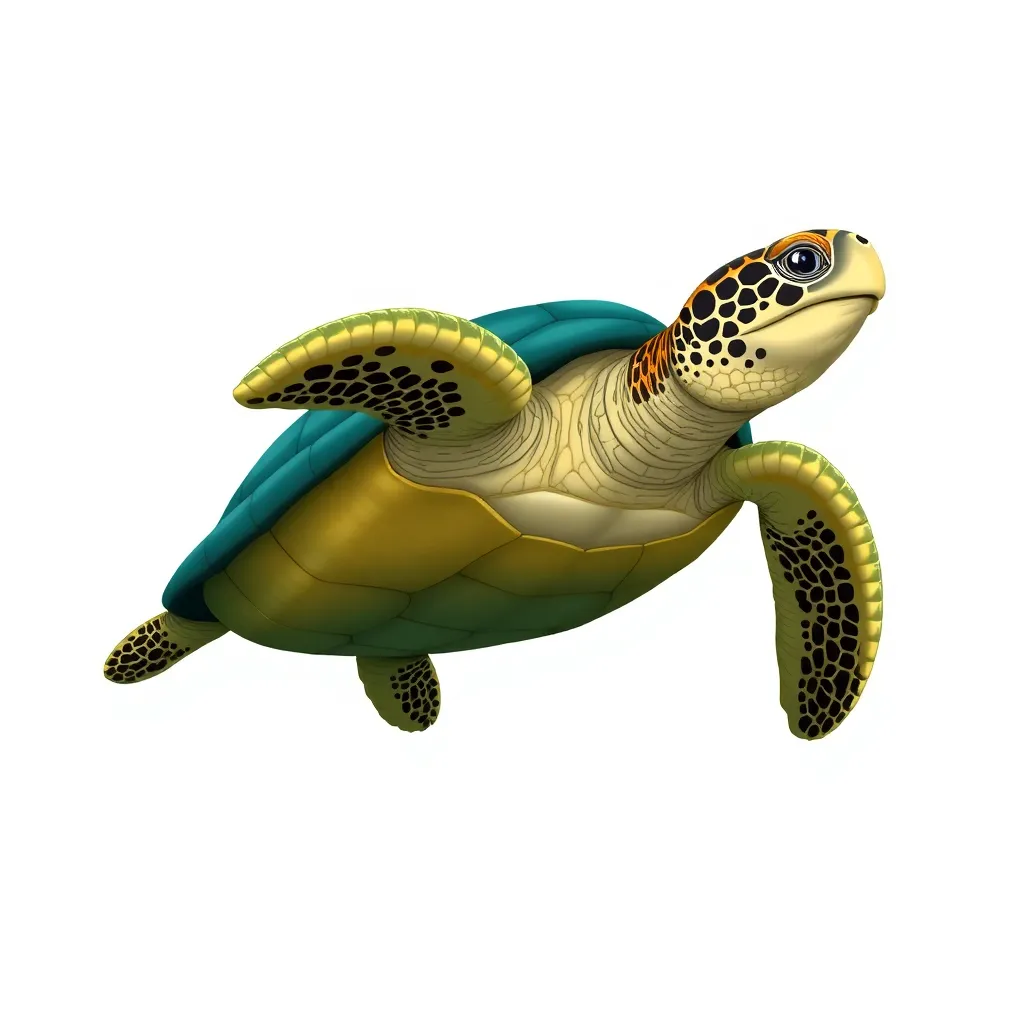
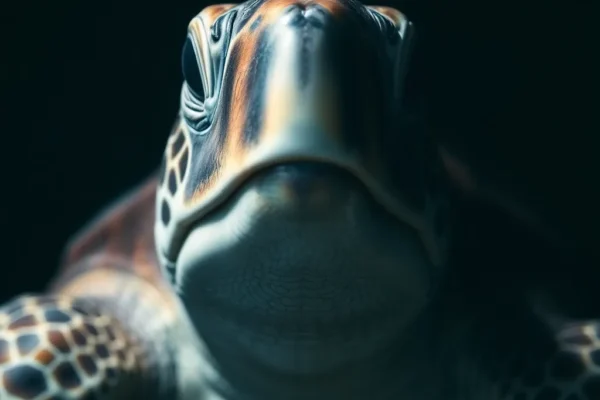
The Green Sea Turtle is one of the largest hard-shelled sea turtles in the world, named not for its exterior color but for the greenish hue of its fat, produced by a diet rich in seagrass and algae. As adults, they are among the ocean’s few true herbivores, performing a vital ecological role by cropping seagrass beds and stimulating the growth of younger, more nutritious shoots. Green turtles undertake some of the longest migrations in the animal kingdom, traveling up to 2,600 km between feeding and nesting grounds.
About the Turtle
Chelonia mydas
Advertisement
⚡ Speed Comparison
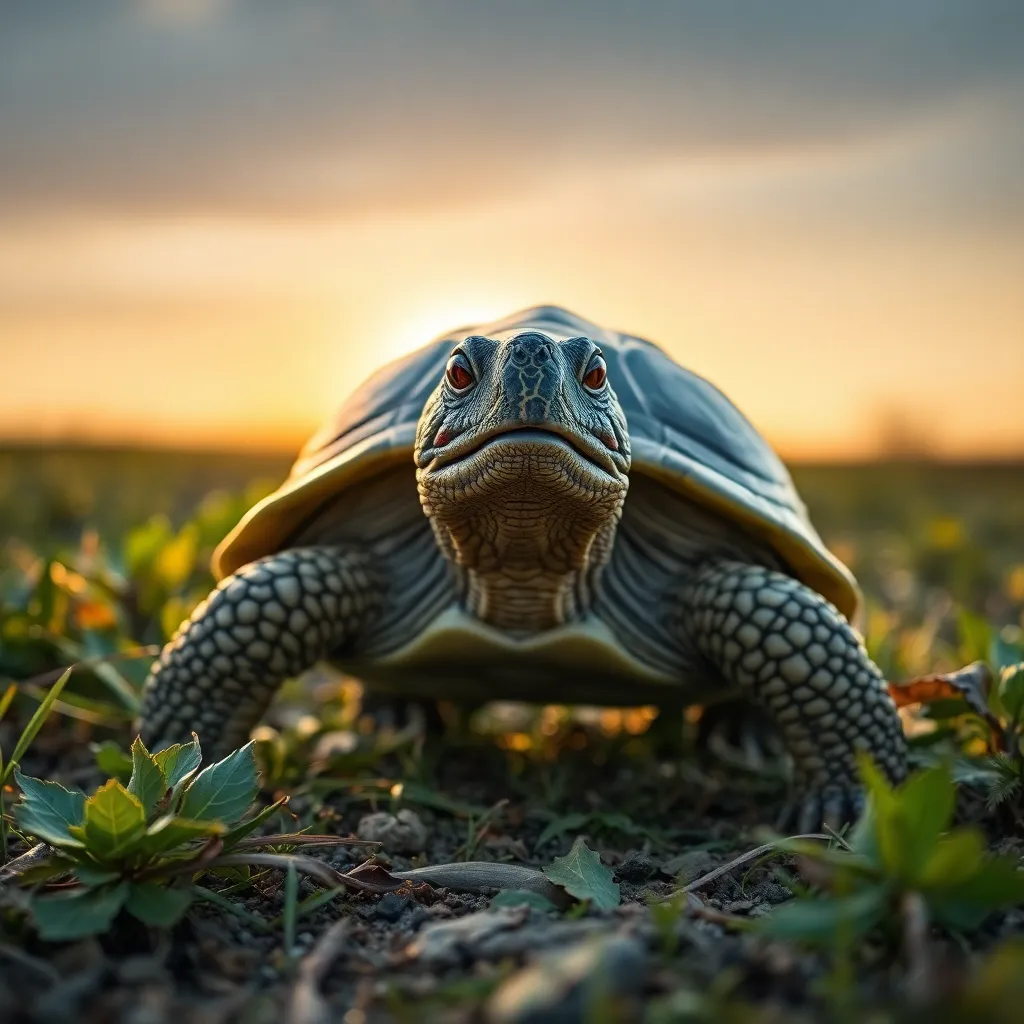
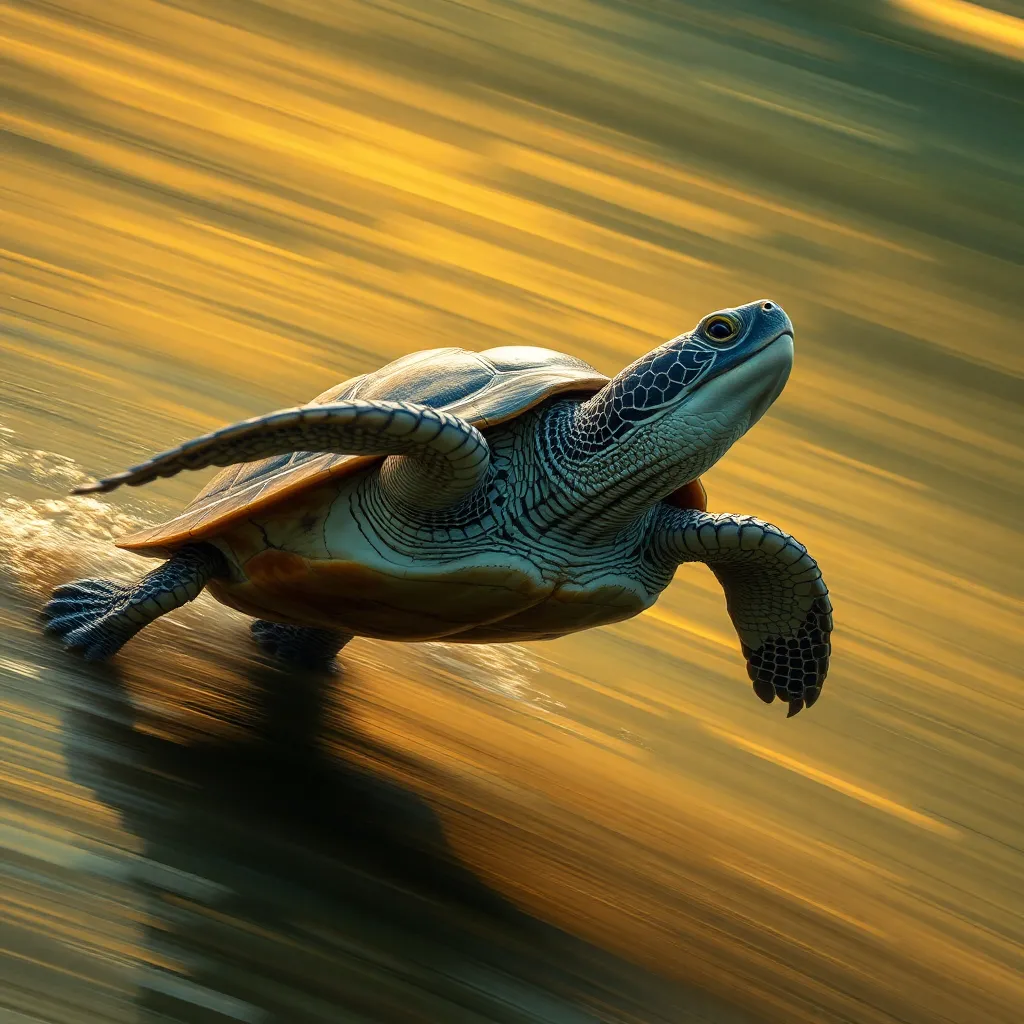
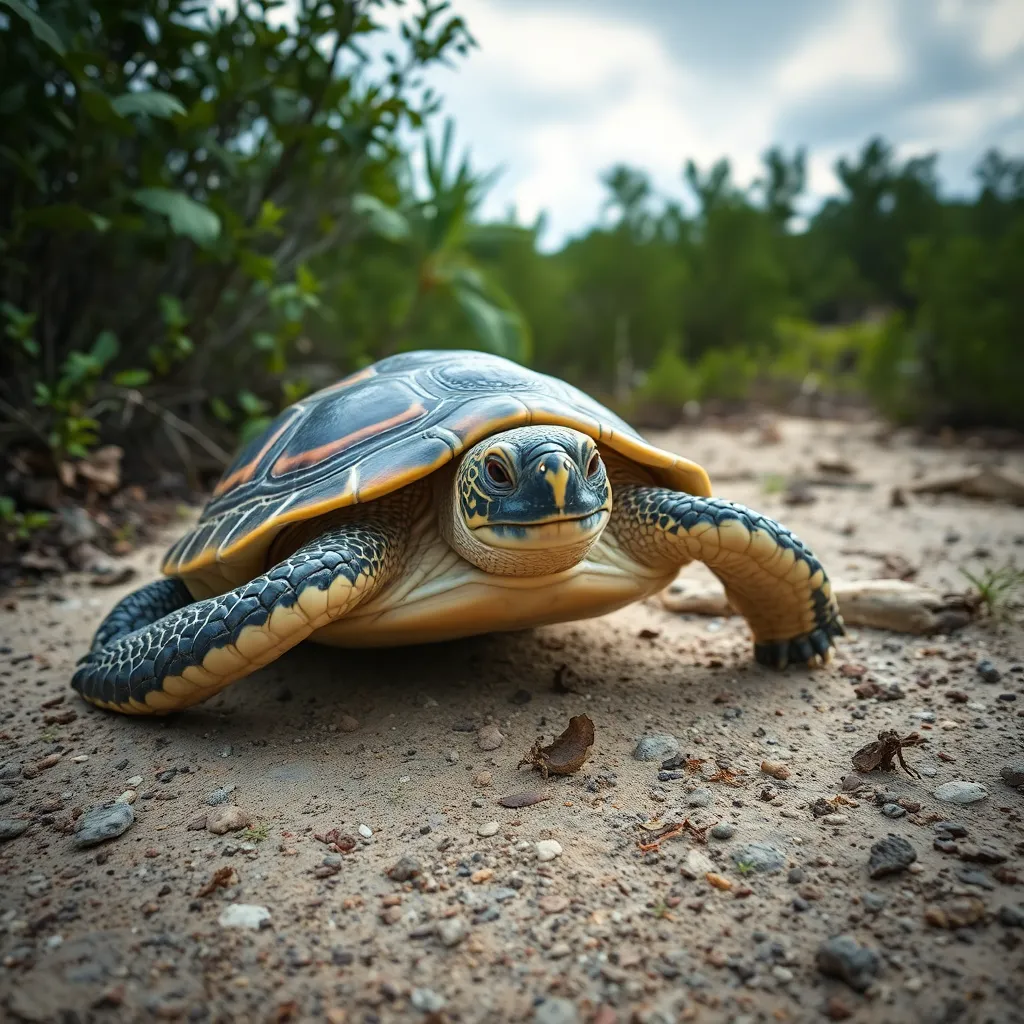
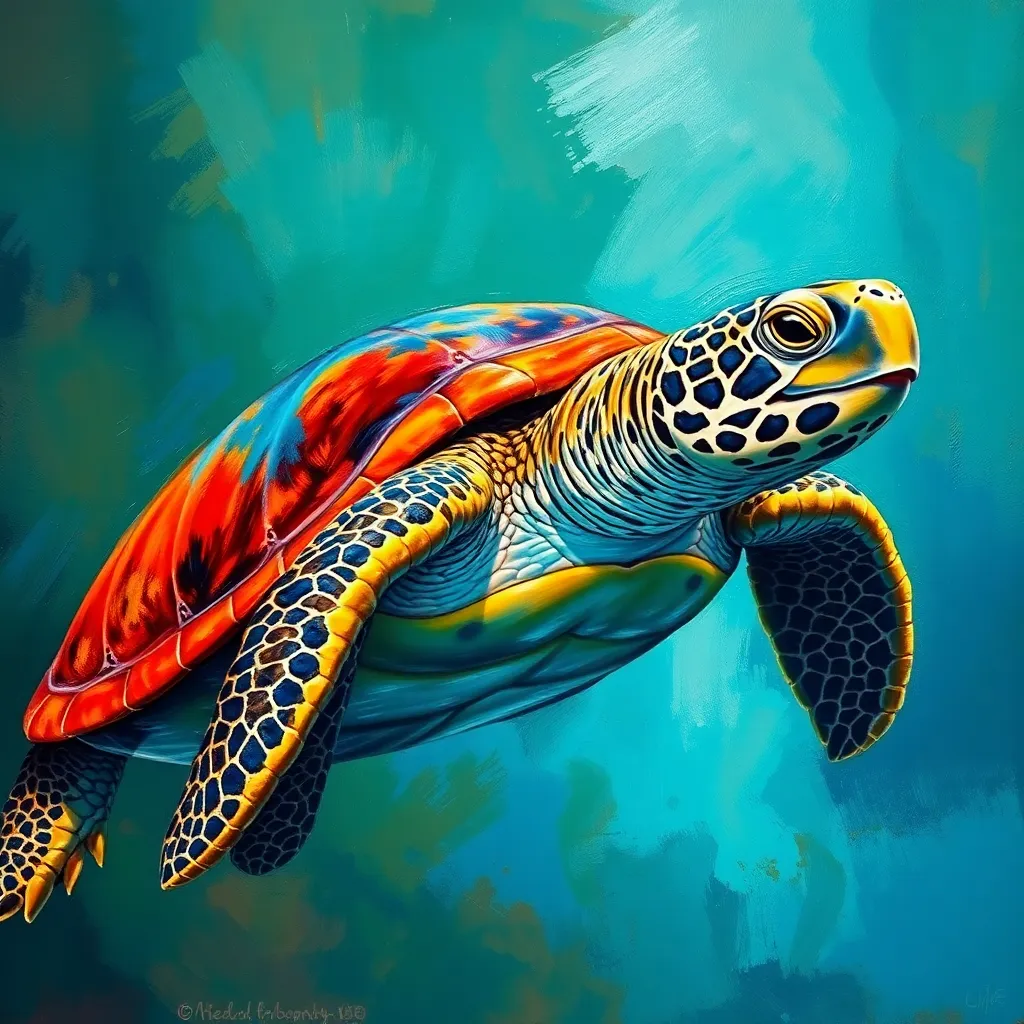
📸 Photo Gallery
💡 Fun Facts
01
Green turtles navigate across thousands of kilometers of open ocean using Earth's magnetic field as a GPS, returning to the exact beach where they were born to lay their eggs.
02
The sex of hatchlings is determined by nest temperature — warmer nests produce females, cooler nests produce males, making climate change a severe threat to population sex ratios.
03
Green turtles can hold their breath for up to 7 hours when resting or sleeping, slowing their heart rate to as little as one beat per minute.
04
They have existed essentially unchanged for over 100 million years, surviving the asteroid impact that wiped out the non-avian dinosaurs.
05
A single female can lay up to 9 clutches of 100–200 eggs in a single nesting season, but less than 1% of hatchlings survive to adulthood.
📍 Where to Find This Animal
Habitat Types:
Tropical Oceans & Seagrass Beds
🛒 Turtle Related Gear
As an Amazon Associate we earn from qualifying purchases.



Join the Conversation
Share your thoughts about the Turtle