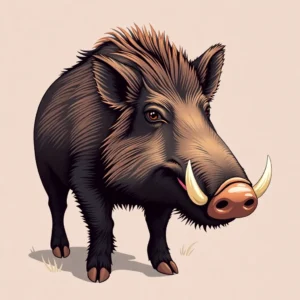
Loading Wildlife…

Suidae LC

THE

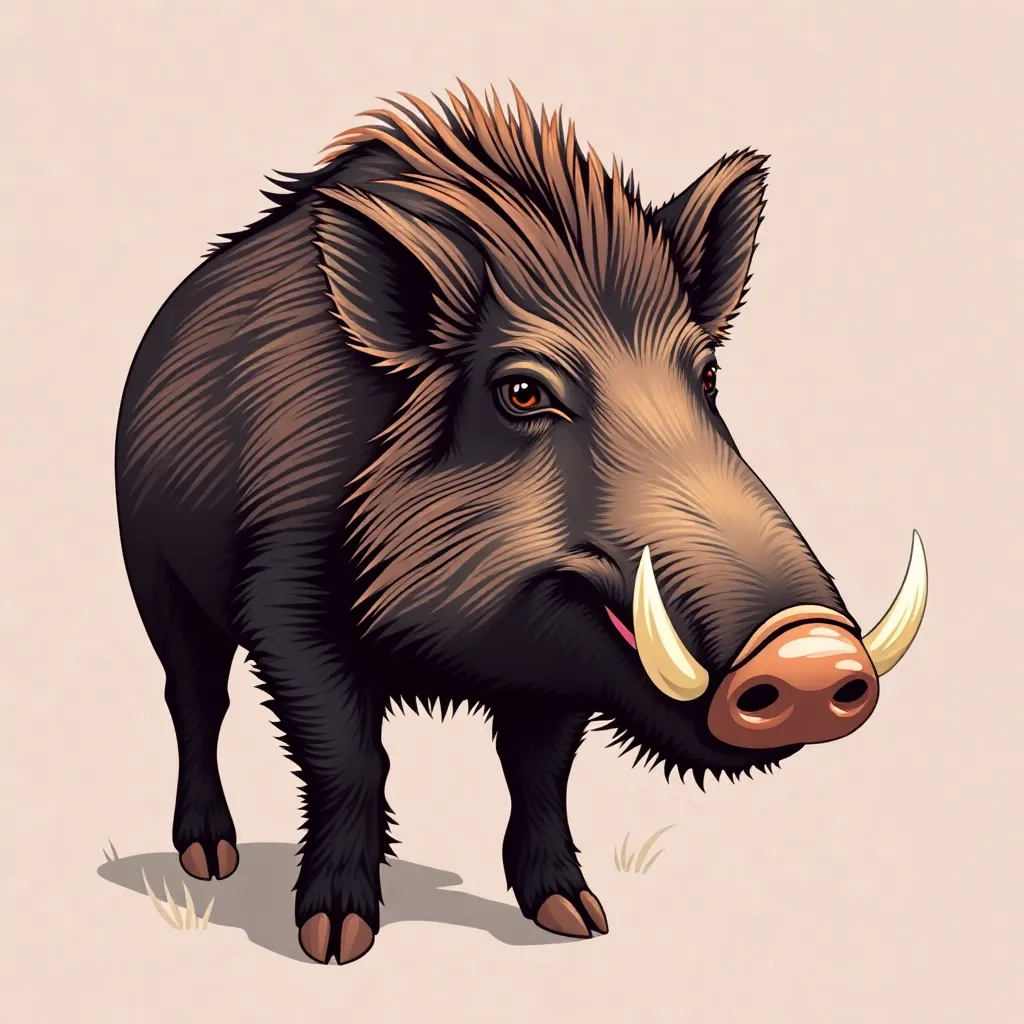
WILD BOAR

Tusked Wanderer of Ancient Forests

Sus scrofa

Europe, Asia, Africa
CLASS Mammalia FAMILY Suidae GENUS Sus
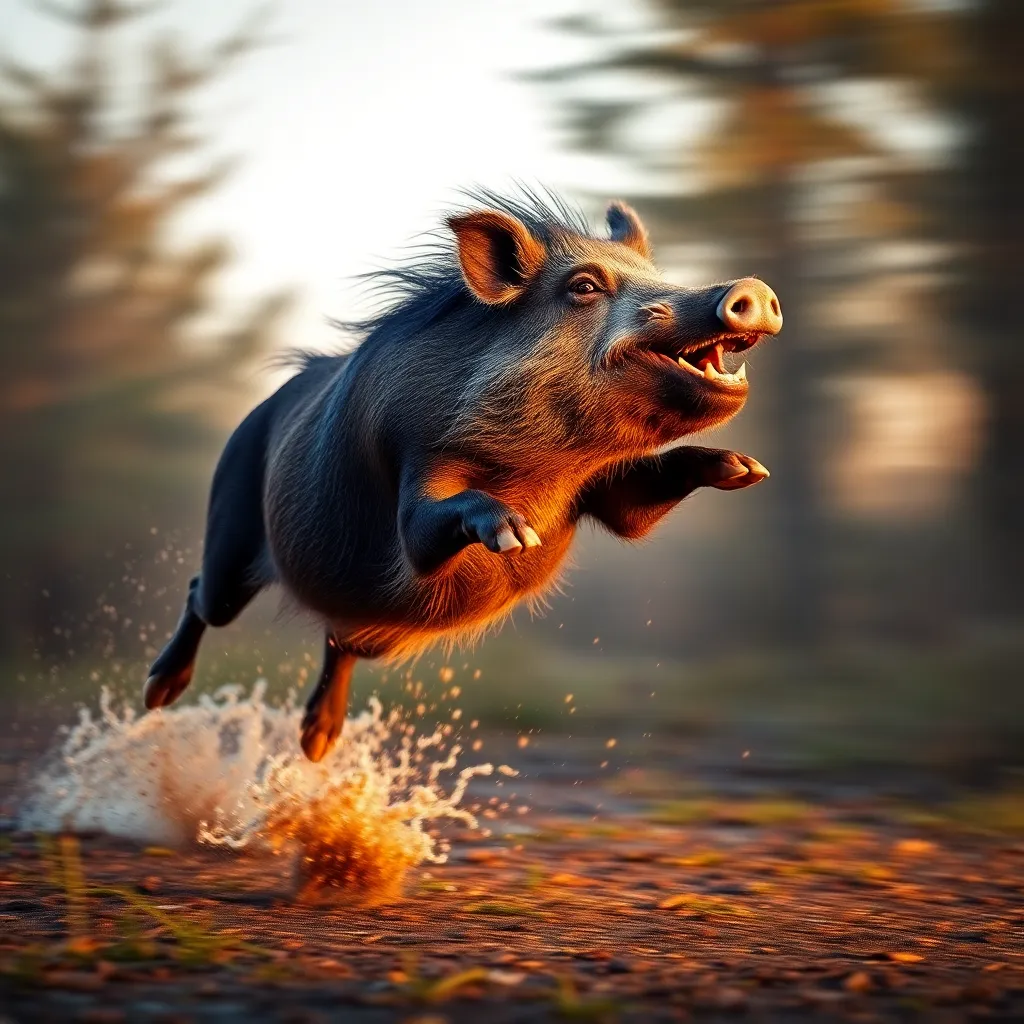
~48 km/h
Top Speed
⚖️
50-200 kg
Max Weight
📏
1.0-1.8 m
Body Length
🕰️
8-10 years (wild)
Lifespan
🍖
Omnivore
Diet Type

IUCN Red List — Where this species stands

LC Least Concern
NT Near Threatened
VU Vulnerable
EN Endangered
CR Critical
EW Extinct Wild
EX Extinct

About the Wild Boar

Sus scrofa

Advertisement

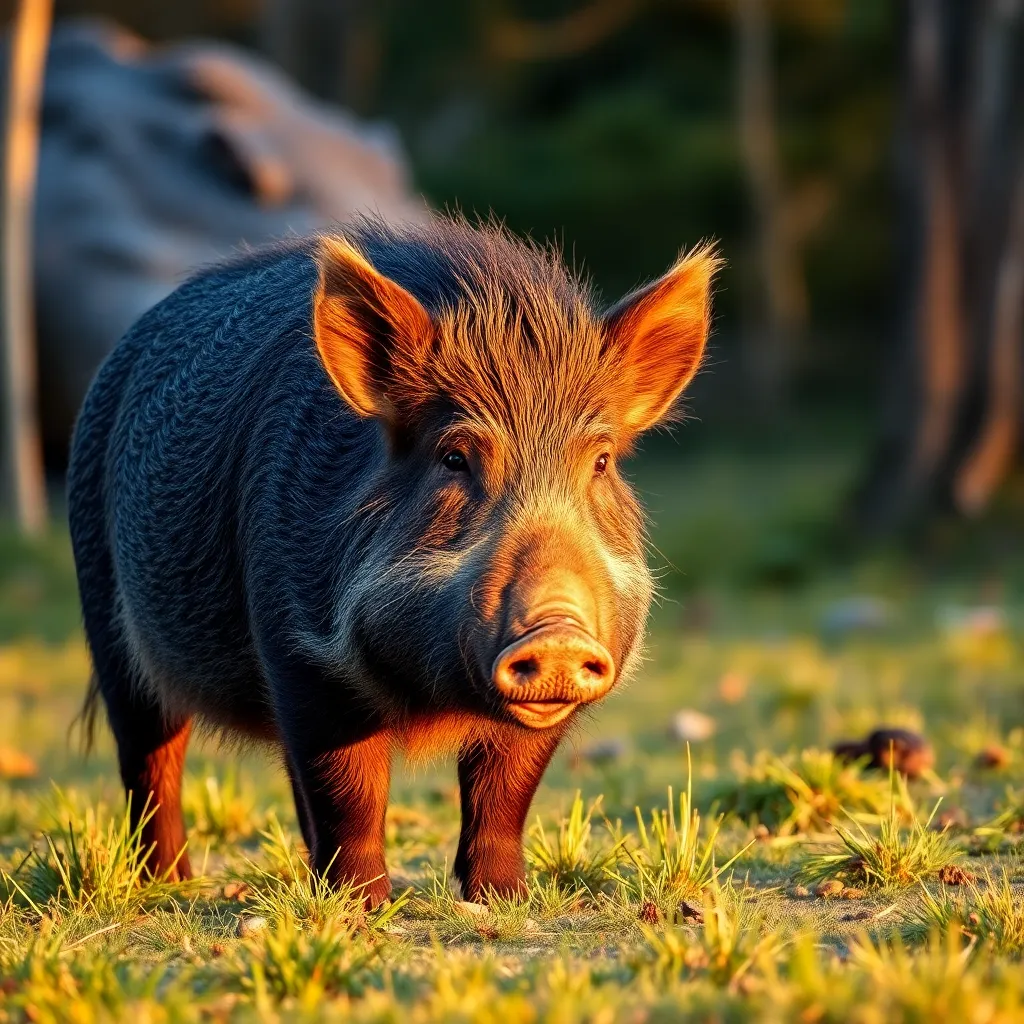
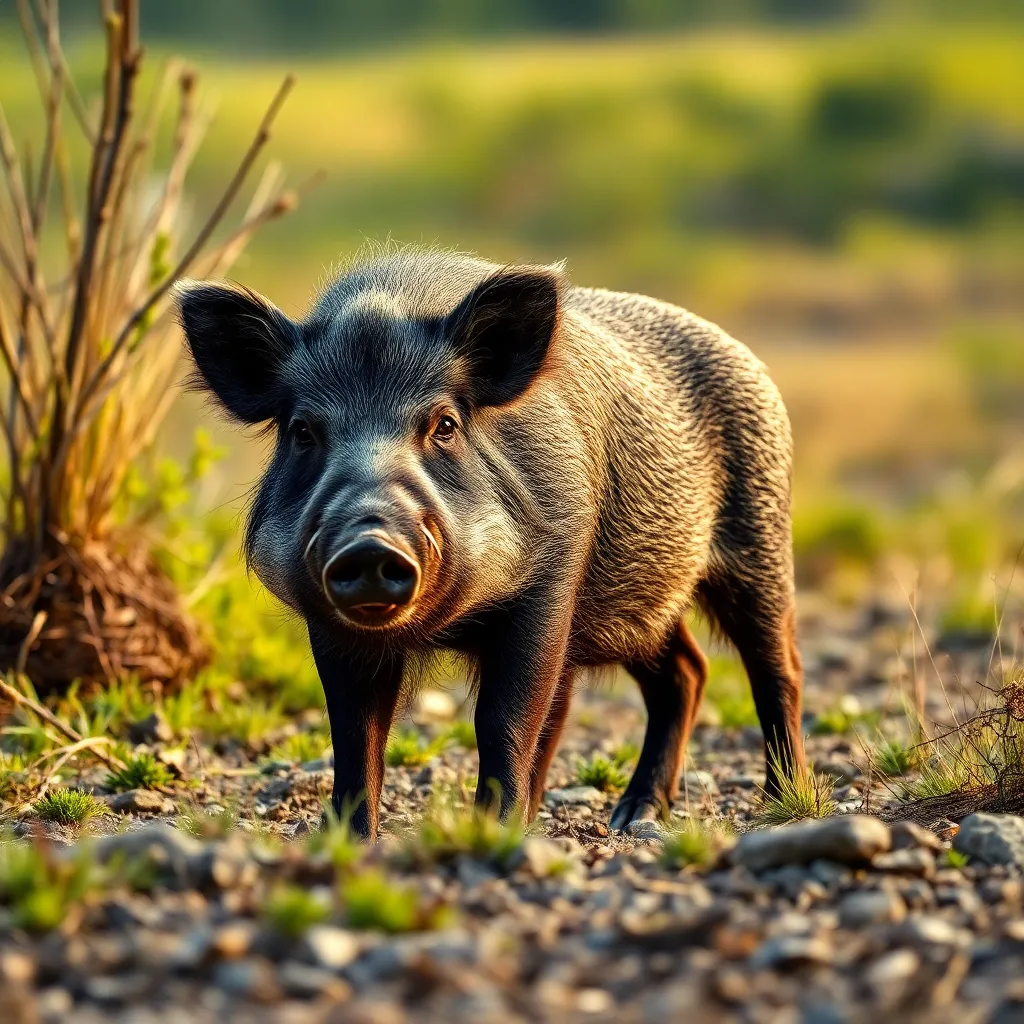
The wild boar is one of the most adaptable and widespread large mammals on Earth, occupying habitats from boreal forest to Mediterranean scrubland to tropical jungle across Eurasia and North Africa. It is the ancestor of all domestic pig breeds and has been introduced to every continent except Antarctica. Wild boars are ecosystem engineers — their rooting behavior turns over vast areas of soil, promoting plant germination, cycling nutrients, and creating microhabitats used by amphibians and invertebrates.

⚡ Speed Comparison

Human
12 km/h
Wild Boar
48 km/h
Car (city)
50 km/h
Horse
54 km/h

💡 Fun Facts

01

Wild boars have an extraordinary sense of smell reportedly 2,000 times more sensitive than a human's, used to locate buried truffles and roots up to 30 cm underground.

02

Sows give birth to striped piglets that lose their camouflage stripes by 6 months — a defense strategy against predators common in forest-dwelling young.

03

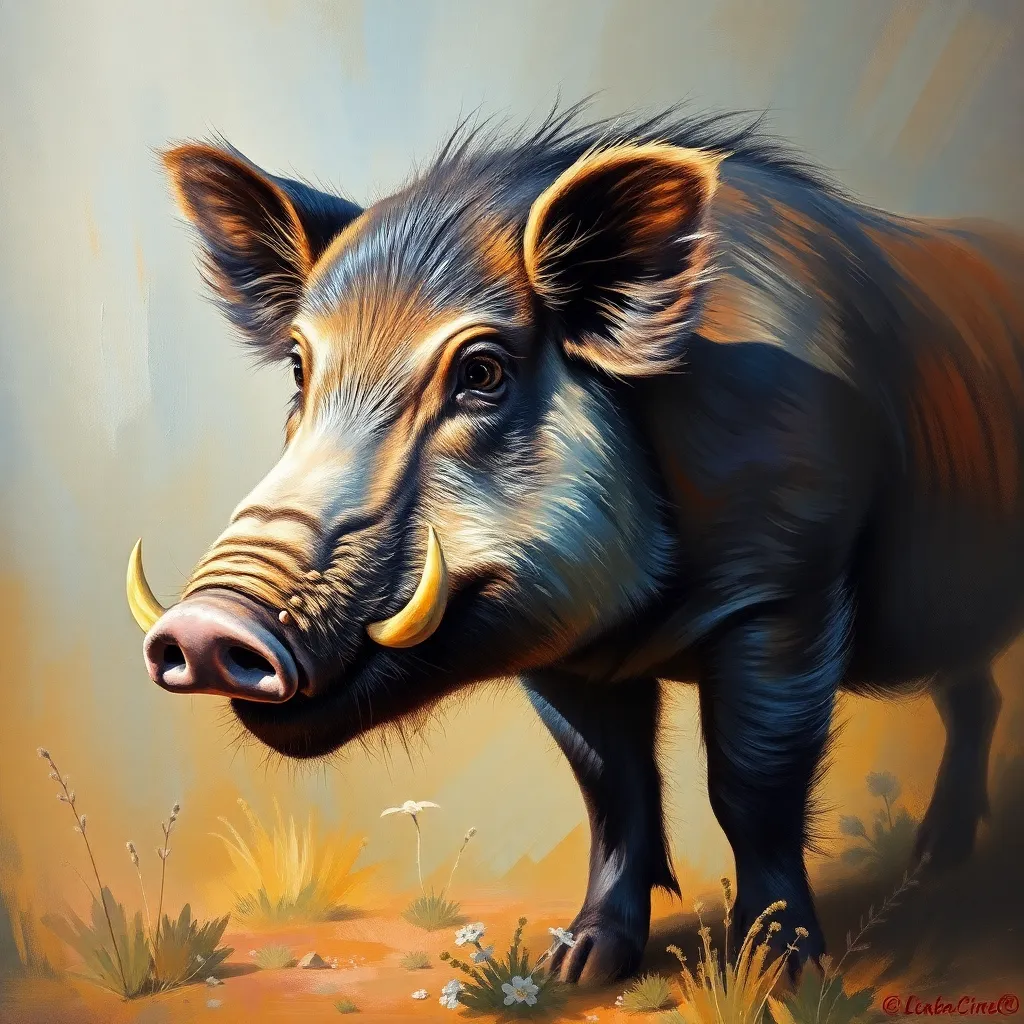
A wild boar's tusks grow continuously throughout life; in males the lower canines curve outward and upward, self-sharpening against the upper teeth.

04

Boars roll in mud (wallow) not for hygiene but as a thermoregulatory behavior and a method of removing parasites, then rub against trees to deposit a scent mark.

05

Wild boars are the origin species for at least 90 domestic pig breeds, representing one of the earliest animal domestications around 9,000 years ago.

Unlock Expert Wildlife Facts

Watch a short 15-second video to unlock detailed expert analysis, exclusive wildlife photography, and rare behavioral facts.

📍 Where to Find This Animal

🛒 Wild Boar Related Gear

As an Amazon Associate we earn from qualifying purchases.
🗨️

Join the Conversation

Share your thoughts about the Wild Boar

✍️

Leave a Comment

Your email address will not be published. Required fields are marked *

How Big Is a Wild Boar?

Side-by-side comparison with an adult human (175 cm)

🧍
Human
175 cm
🐗
Wild Boar
65 cm
shoulder height
50-200 BODY WEIGHT
1.0-1.8 BODY LENGTH
~48 TOP SPEED
8-10 LIFESPAN
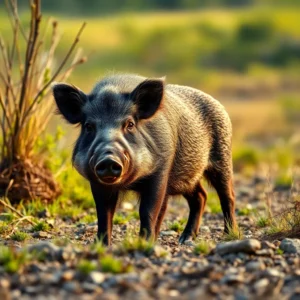
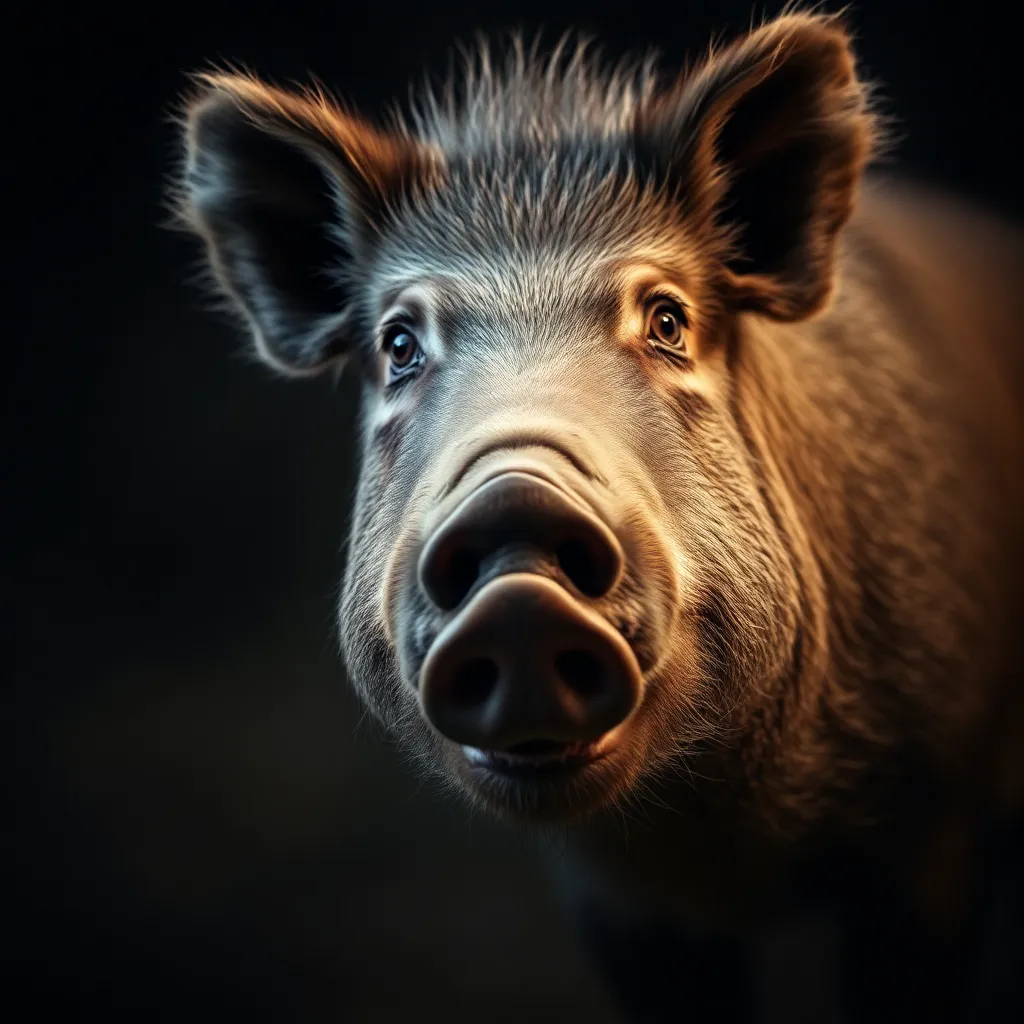
Wild Boar close-up
Wild Boar

SURVIVAL TOOLKIT

Built for Survival

Nature's engineering refined over millions of years

🔬 SURVIVAL TOOLKIT
Disc-Shaped Snout
01

Disc-Shaped Snout

A cartilaginous, mobile nose disc is used like a plough to root through soil up to 30 cm deep in search of bulbs, roots, and invertebrates.

Shoulder Shield
02

Shoulder Shield

Males develop a thick subcutaneous layer of tough connective tissue on the shoulder (the shield) protecting vital organs during tusk fights.

Mud Wallowing
03

Mud Wallowing

Coating the skin in mud provides insulation, UV protection, and parasite control since boars lack functional sweat glands.

Self-Sharpening Tusks
04

Self-Sharpening Tusks

Lower canines grind against upper whetted canines continuously, maintaining a permanently sharp edge used in defense and male competition.

Dietary Flexibility
05

Dietary Flexibility

An omnivorous gut can process seeds, fungi, carrion, invertebrates, and roots, enabling colonization of virtually any terrestrial biome.

Tusked Wanderer of Ancient Forests. An extraordinary creature that reminds us what we stand to lose.

Jungal Safari · Wildlife Network
💡

Did You Know?

Wild boars have an extraordinary sense of smell reportedly 2,000 times more sensitive than a human's, used to locate buried truffles and roots up to 30 cm underground.

🍖 DIET: OMNIVORE

What Does the Wild Boar Eat?

🌰
Acorns & nuts
🪱
Earthworms & grubs
🍄
Fungi & roots
🐍
Small vertebrates
🫐
Berries & fruit
💀
Carrion
🗺️ GEOGRAPHIC RANGE

Where Do Wild Boars Live?

🌍
📈
Population Trend Increasing

Conservation in Action

How You Can Help the Wild Boar

Small actions, taken together, can reverse the decline of species like this one

🌳
Protect Habitat

Support wildlife reserves and protected land corridors

🚫
Stop Poaching

Report illegal trade and back anti-poaching patrols

🔬
Fund Research

Camera-trap studies and population monitoring

🤝
Community Work

Partner with local herders to reduce conflict

📢
Raise Awareness

Educate and inspire future wildlife champions

"Without urgent action, the Wild Boar could disappear from the wild within our lifetime."

PROTECT THEM. PRESERVE THEIR LEGACY.

The Wild Boar's Future
Is In Our Hands

Every share, every donation, every voice raised — makes a difference for wildlife conservation.

🌳Protect Habitat
📢Raise Awareness
💰Fund Research
🤝Community Work
🚫Stop Poaching

"Protect Wildlife. Preserve Our Planet."

Every species matters. Every action counts.

Advertisement