Loading Wildlife…

Lycosidae LC

THE

WOLF SPIDER

Lone Hunter of the Soil

Lycosa tarantula

Global
CLASS Arachnida FAMILY Lycosidae GENUS Lycosa
2 km/h
Top Speed
⚖️
0.5–30 g kg
Max Weight
📏
1–3 cm
Body Length
🕰️
1–3 years
Lifespan
🍖
Carnivore
Diet Type

IUCN Red List — Where this species stands

LC Least Concern
NT Near Threatened
VU Vulnerable
EN Endangered
CR Critical
EW Extinct Wild
EX Extinct

About the Wolf Spider

Lycosa tarantula

Advertisement

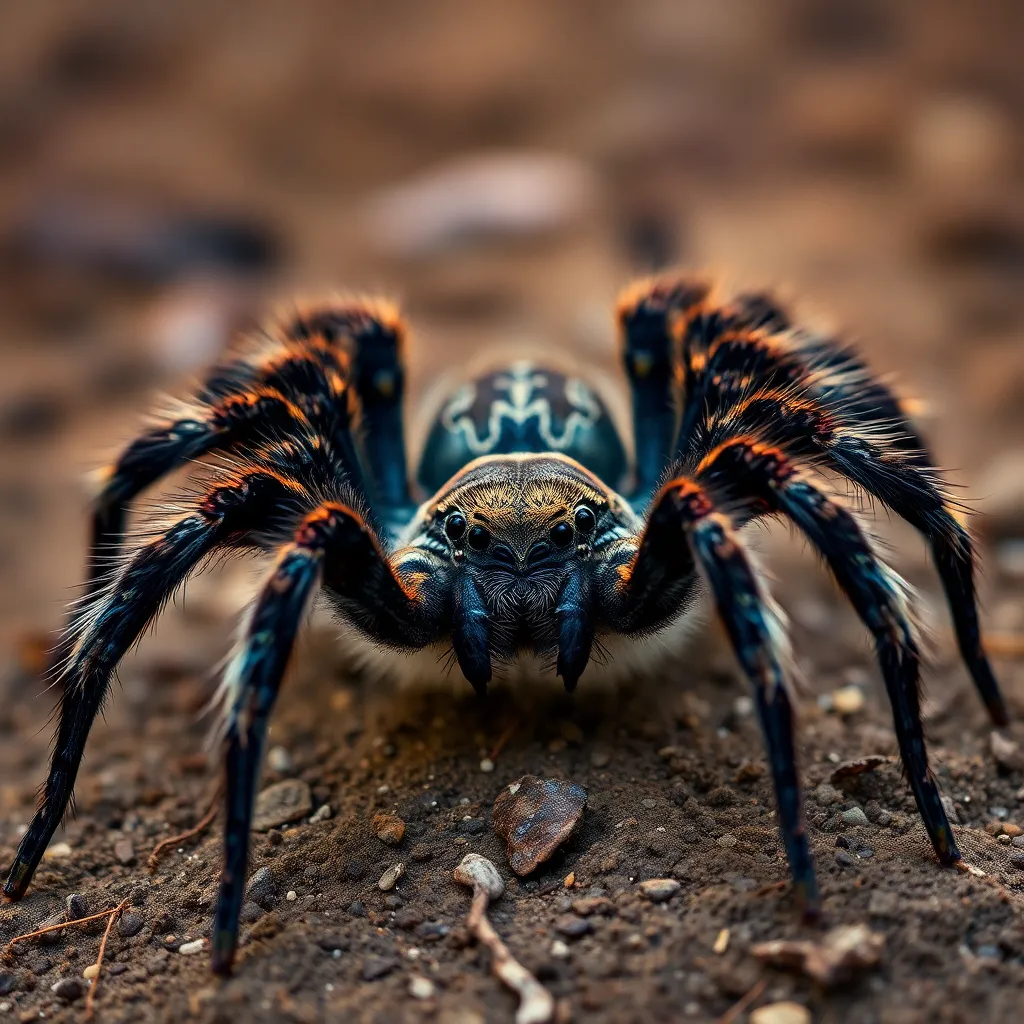
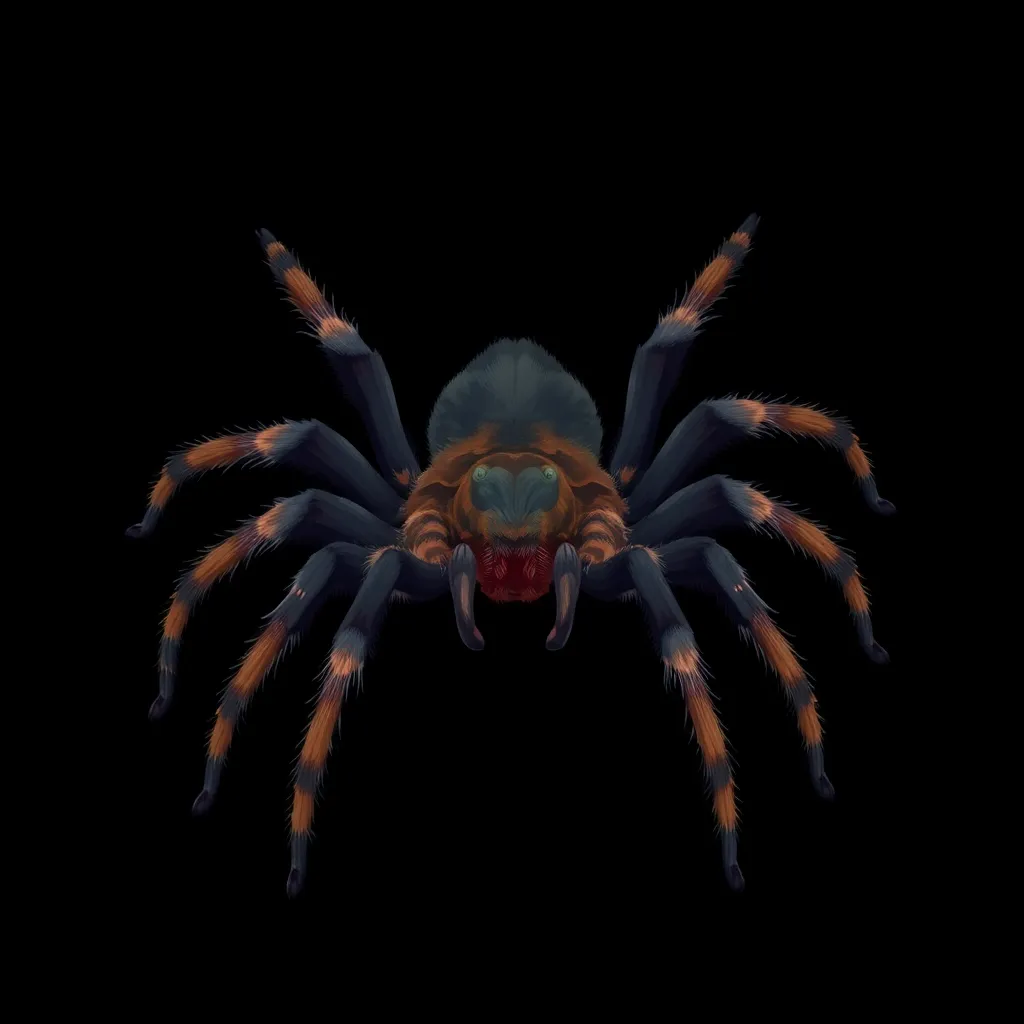
Wolf spiders are solitary ground hunters that chase and pounce on prey rather than building webs to trap it, earning their wolf-like hunting name. With over 2,000 species worldwide, they are among the most diverse spider families on Earth. Female wolf spiders carry their egg sac attached to their spinnerets, and uniquely carry their spiderlings on their backs for several days after hatching — a rare parental behavior among arachnids.

⚡ Speed Comparison

Wolf Spider
2 km/h
Human
12 km/h
Car (city)
50 km/h
Horse
54 km/h

💡 Fun Facts

01

Wolf spider mothers carry hundreds of spiderlings on their backs for up to two weeks after they hatch.

02

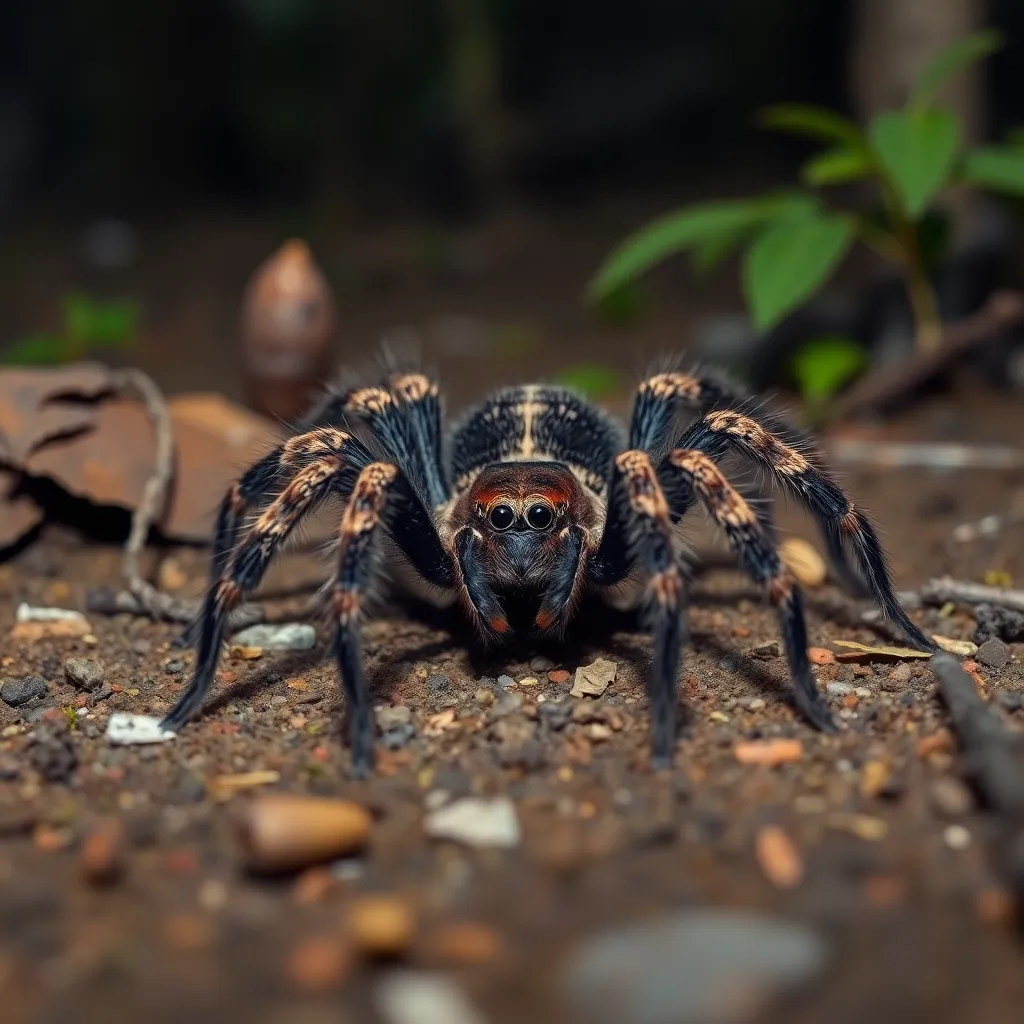
Their eyes reflect light with a green eyeshine, making them easy to spot at night with a flashlight.

03

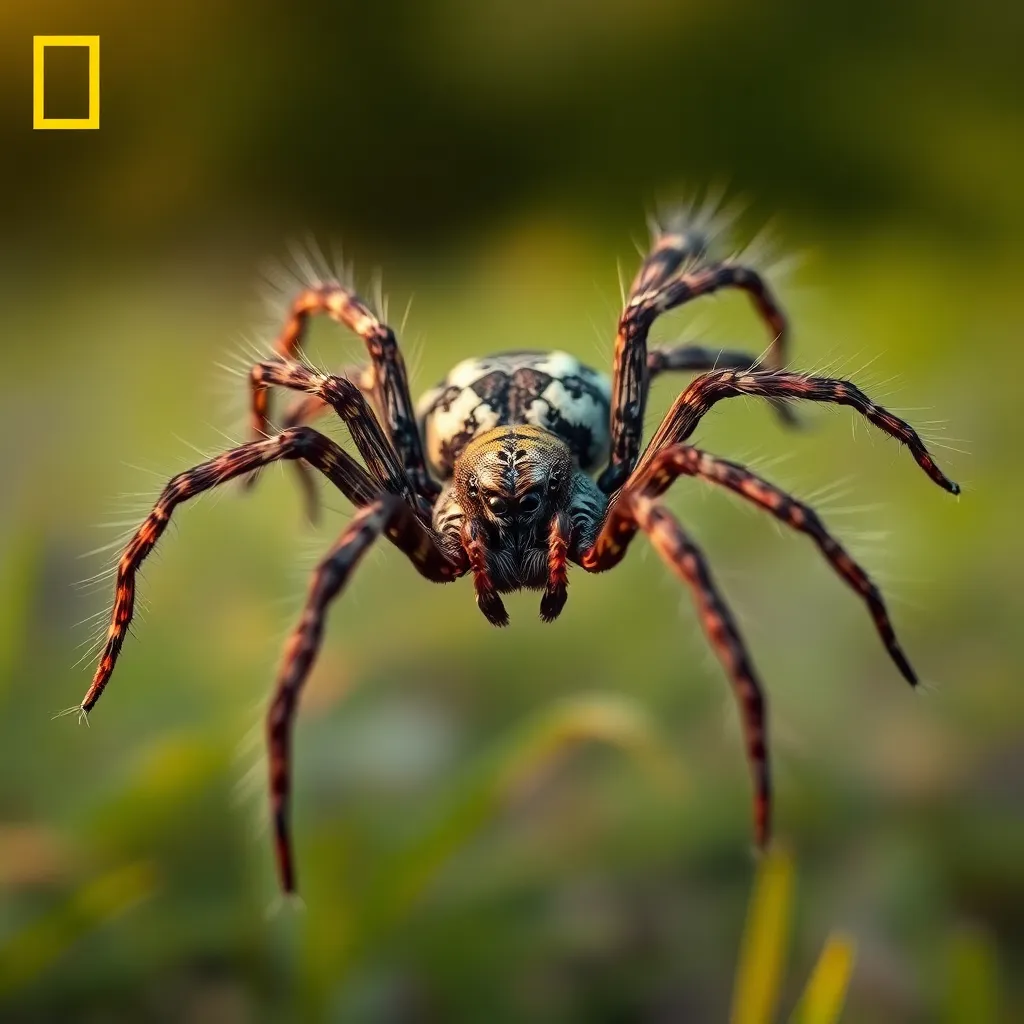
Wolf spiders have eight eyes arranged in three rows: four small on the bottom, two large in the middle, and two medium on top.

04

Unlike most spiders, wolf spiders have excellent color vision and can detect UV light invisible to humans.

05

Some species excavate burrows up to 30 cm deep, lining the entrance with silk as a tripwire alarm system.

Unlock Expert Wildlife Facts

Watch a short 15-second video to unlock detailed expert analysis, exclusive wildlife photography, and rare behavioral facts.

📍 Where to Find This Animal

🛒 Wolf Spider Related Gear

As an Amazon Associate we earn from qualifying purchases.

🗨️

Join the Conversation

Share your thoughts about the Wolf Spider

✍️

Leave a Comment

Your email address will not be published. Required fields are marked *

How Big Is a Wolf Spider?

Side-by-side comparison with an adult human (175 cm)

🧍
Human
175 cm
🕷️
Wolf Spider
65 cm
shoulder height
0.5–30 BODY WEIGHT
1–3 BODY LENGTH
2 TOP SPEED
1–3 LIFESPAN
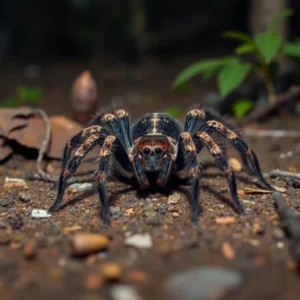
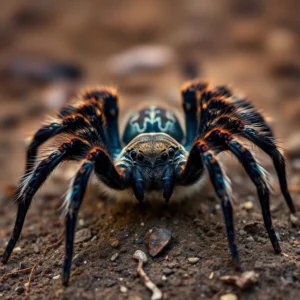
Wolf Spider close-up
Wolf Spider

SURVIVAL TOOLKIT

Built for Survival

Nature's engineering refined over millions of years

🔬 SURVIVAL TOOLKIT
Multi-Row Eye Array
01

Multi-Row Eye Array

Eight eyes in three rows provide near 360-degree vision with enhanced forward-facing stereoscopic depth perception.

Pursuit Hunting
02

Pursuit Hunting

Powerful legs and rapid acceleration allow wolf spiders to chase and overpower prey without using a web.

Tapetal Eyeshine
03

Tapetal Eyeshine

A reflective tapetum layer behind the eyes amplifies available light for effective hunting in near-total darkness.

Maternal Egg Transport
04

Maternal Egg Transport

Silk-wrapped egg sac attached to spinnerets allows continuous maternal protection during the mother's daily hunting activities.

Climate Tolerance
05

Climate Tolerance

Antifreeze proteins and behavioral thermoregulation allow activity across a wide temperature range from near-freezing to 40°C.

Vibration Detection
06

Vibration Detection

Slit sensilla organs on legs detect micro-vibrations through soil, alerting the spider to approaching prey or predators.

Lone Hunter of the Soil. An extraordinary creature that reminds us what we stand to lose.

Jungal Safari · Wildlife Network
💡

Did You Know?

Wolf spider mothers carry hundreds of spiderlings on their backs for up to two weeks after they hatch.

🍖 DIET: CARNIVORE

What Does the Wolf Spider Eat?

🦗
Crickets
🐛
Caterpillars
🪲
Beetles
🦟
Mosquitoes
🪱
Earthworms
🗺️ GEOGRAPHIC RANGE

Where Do Wolf Spiders Live?

🌍
Continents
➡️
Population Trend Stable

Conservation in Action

How You Can Help the Wolf Spider

Small actions, taken together, can reverse the decline of species like this one

🌳
Protect Habitat

Support wildlife reserves and protected land corridors

🚫
Stop Poaching

Report illegal trade and back anti-poaching patrols

🔬
Fund Research

Camera-trap studies and population monitoring

🤝
Community Work

Partner with local herders to reduce conflict

📢
Raise Awareness

Educate and inspire future wildlife champions

"Without urgent action, the Wolf Spider could disappear from the wild within our lifetime."

PROTECT THEM. PRESERVE THEIR LEGACY.

The Wolf Spider's Future
Is In Our Hands

Every share, every donation, every voice raised — makes a difference for wildlife conservation.

🌳Protect Habitat
📢Raise Awareness
💰Fund Research
🤝Community Work
🚫Stop Poaching

"Protect Wildlife. Preserve Our Planet."

Every species matters. Every action counts.

Advertisement