Loading Wildlife…

Vombatidae LC

THE

WOMBAT

Bulldozer of the Australian Bush

Vombatus ursinus

Australia
CLASS Mammalia FAMILY Vombatidae GENUS Vombatus
40 km/h
Top Speed
⚖️
22–39 kg
Max Weight
📏
73–120 cm
Body Length
🕰️
15–26 years
Lifespan
🍖
Herbivore
Diet Type

IUCN Red List — Where this species stands

LC Least Concern
NT Near Threatened
VU Vulnerable
EN Endangered
CR Critical
EW Extinct Wild
EX Extinct

About the Wombat

Vombatus ursinus

Advertisement

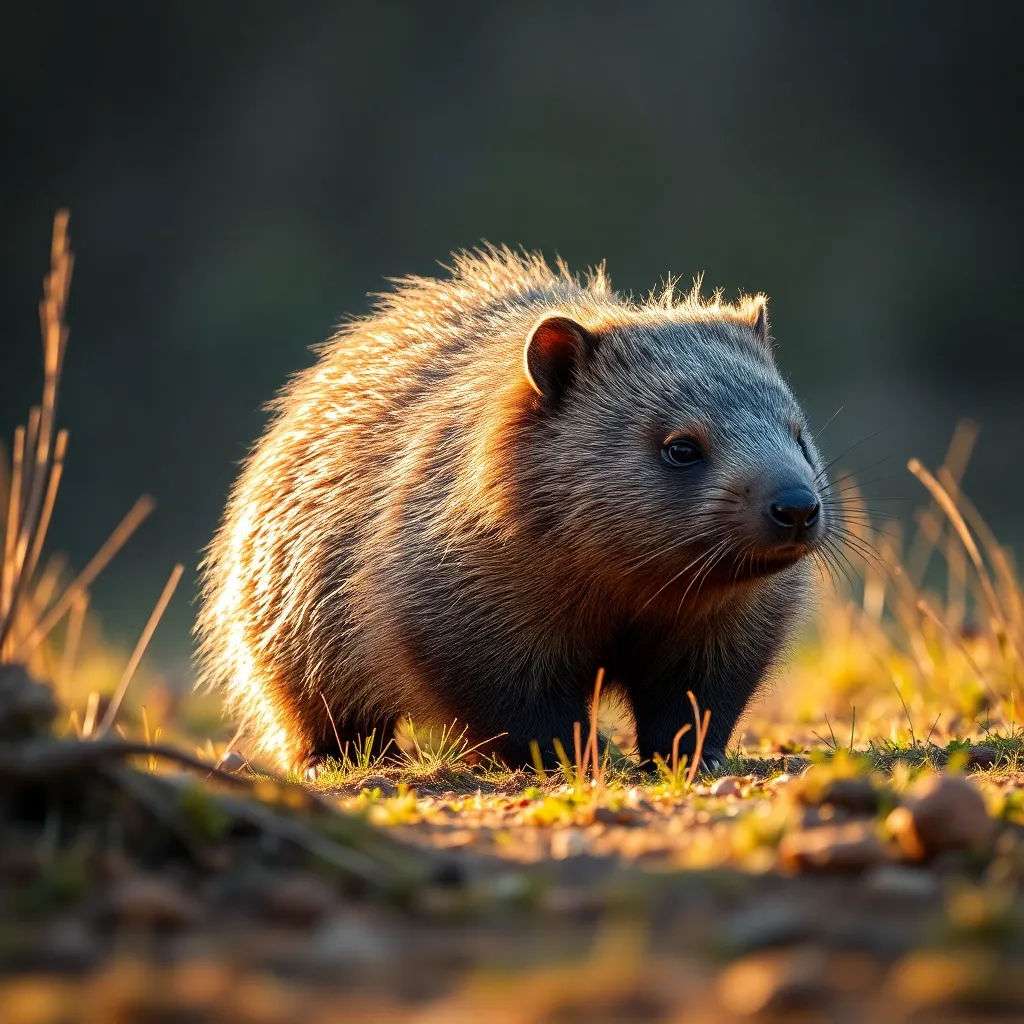
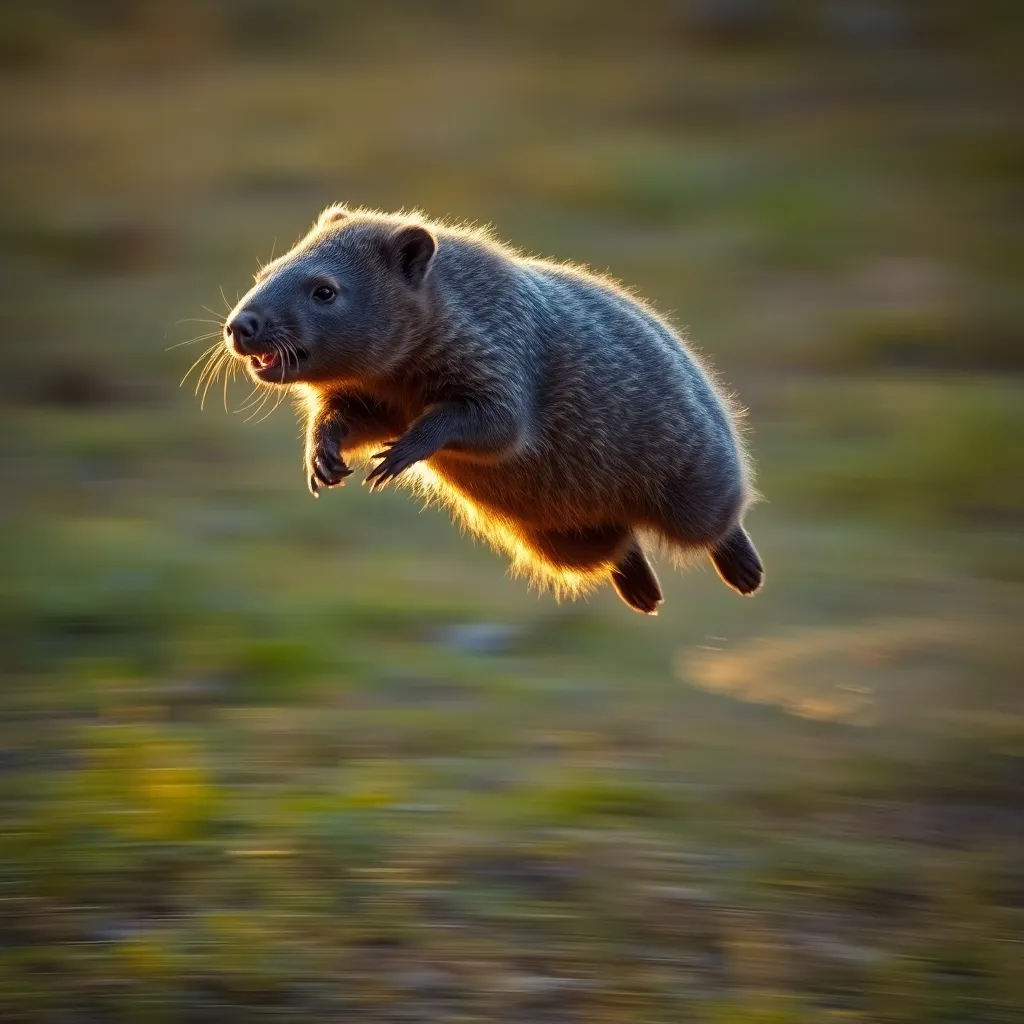
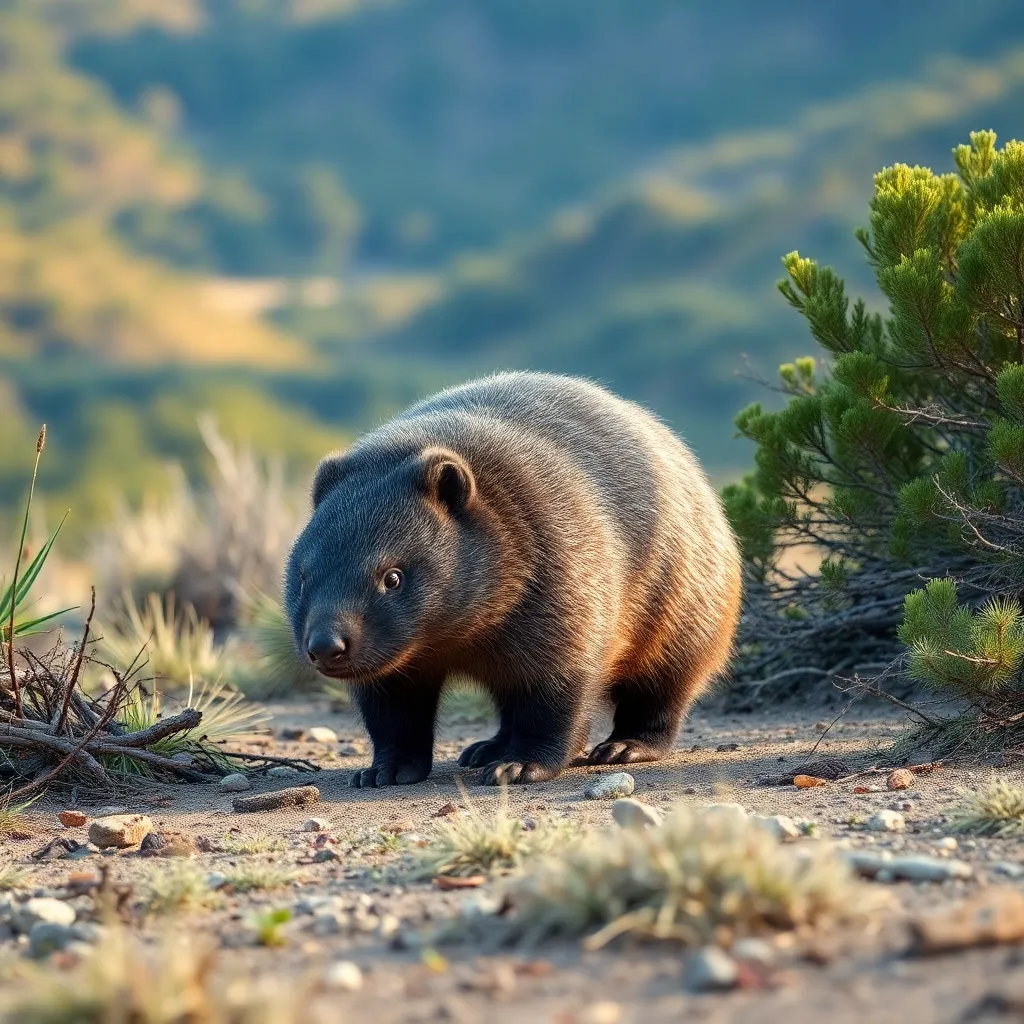
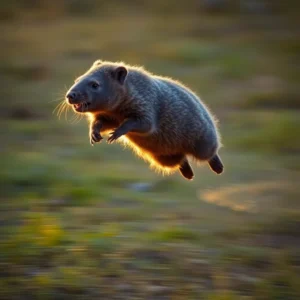
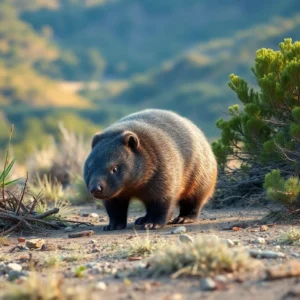
The common wombat is a barrel-shaped, powerfully built marsupial that is one of Australia’s most tenacious diggers, excavating burrow systems that can extend 30 metres underground. Despite their stocky appearance, wombats can reach speeds of 40 km/h over short distances — fast enough to outrun a human — and when cornered in a burrow, they use their cartilaginous backside as a crushing weapon to pin predators against tunnel walls. Most remarkably, wombats produce cubic feces, the only animal on Earth known to do so, achieved through differential muscle contractions in their intestines.

⚡ Speed Comparison

Human
12 km/h
Wombat
40 km/h
Car (city)
50 km/h
Horse
54 km/h

💡 Fun Facts

01

Wombats are the only animals on Earth known to produce cubic feces — the cube shape is formed by differential drying and muscle contractions in the last 8 metres of intestine, not a square anus.

02

When threatened in their burrow, wombats use their reinforced cartilaginous rump as a battering ram, pressing it against the tunnel wall to crush a predator's skull between the rump and burrow ceiling.

03

Wombats have the slowest digestive system of any marsupial — food takes up to 14 days to pass through, extracting maximum nutrition from the dry, fibrous grasses of Australian heathlands.

04

Wombat pouches open backward (toward the hindquarters rather than the head) — an evolutionary solution that prevents soil from filling the pouch when the mother is digging.

05

During Australia's 2019-2020 bushfires, multiple wombat species were observed sharing burrow entrances with wallabies, rabbits, and other fleeing wildlife, offering inadvertent refuge to dozens of individuals.

Unlock Expert Wildlife Facts

Watch a short 15-second video to unlock detailed expert analysis, exclusive wildlife photography, and rare behavioral facts.

📍 Where to Find This Animal

🛒 Wombat Related Gear

As an Amazon Associate we earn from qualifying purchases.
🗨️

Join the Conversation

Share your thoughts about the Wombat

✍️

Leave a Comment

Your email address will not be published. Required fields are marked *

How Big Is a Wombat?

Side-by-side comparison with an adult human (175 cm)

🧍
Human
175 cm
🐨
Wombat
65 cm
shoulder height
22–39 BODY WEIGHT
73–120 BODY LENGTH
40 TOP SPEED
15–26 LIFESPAN
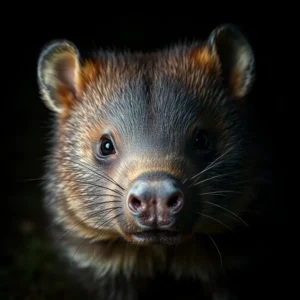
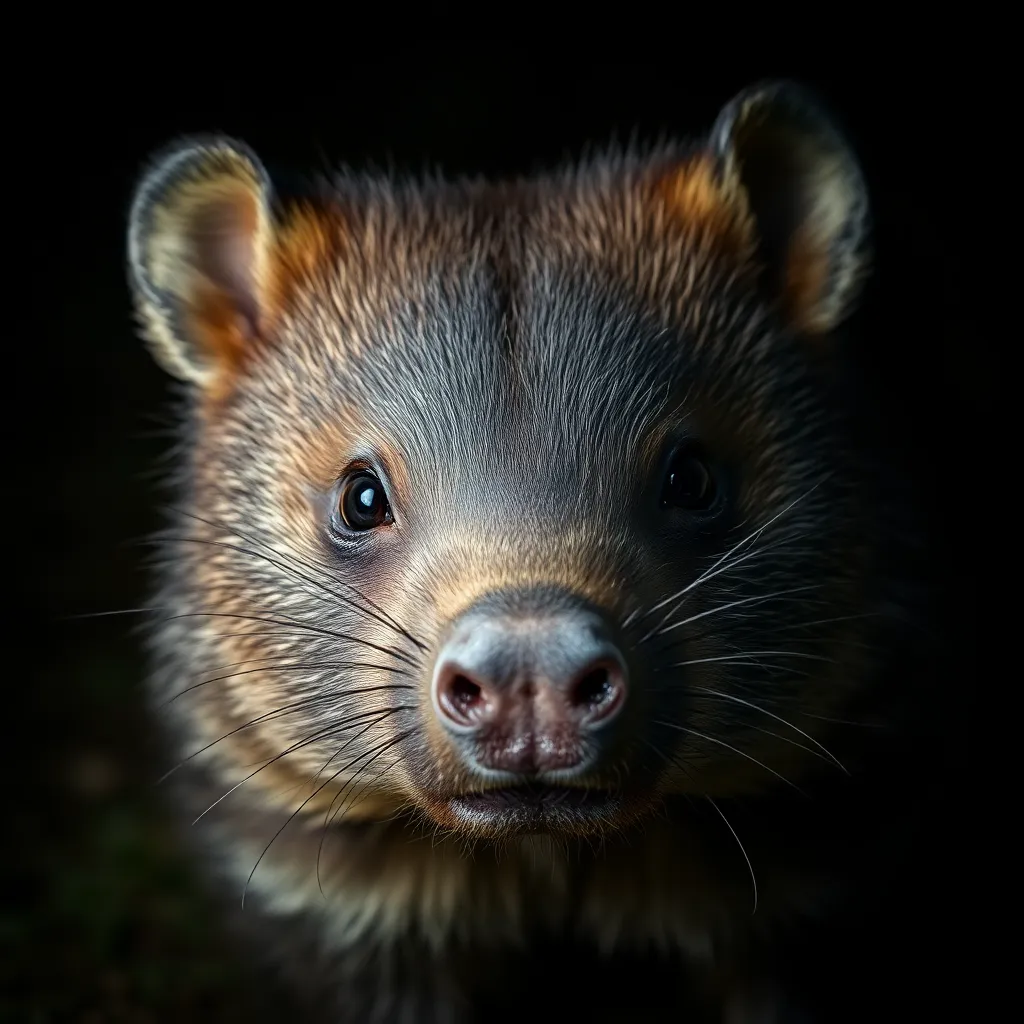
Wombat close-up
Wombat

SURVIVAL TOOLKIT

Built for Survival

Nature's engineering refined over millions of years

🔬 SURVIVAL TOOLKIT
Powerful Digging Anatomy
01

Powerful Digging Anatomy

A robust skeleton, greatly enlarged claws, and disproportionately strong forelimbs allow wombats to excavate metres of compacted soil per night, creating permanent burrow systems.

Cubic Feces Production
02

Cubic Feces Production

The final two metres of intestine have variable elasticity that dries feces to different degrees around its circumference, producing cubes that stack rather than roll — maximising scent marking territory.

Cartilaginous Rump Shield
03

Cartilaginous Rump Shield

Extra-dense cartilage in the rear end creates a near-impenetrable biological shield used to block burrow entrances and crush predators between the rump and tunnel ceiling.

Hypsodon Teeth
04

Hypsodon Teeth

Rootless, continuously-growing molars compensate for the extreme abrasion caused by eating gritty, silica-rich grasses and sedges throughout a 26-year lifespan.

Backward-Opening Pouch
05

Backward-Opening Pouch

The marsupial pouch opens toward the tail rather than the head, a unique adaptation that prevents dirt from filling the pouch and smothering joeys during excavation.

Bulldozer of the Australian Bush. An extraordinary creature that reminds us what we stand to lose.

Jungal Safari · Wildlife Network
💡

Did You Know?

Wombats are the only animals on Earth known to produce cubic feces — the cube shape is formed by differential drying and muscle contractions in the last 8 metres of intestine, not a square anus.

🍖 DIET: HERBIVORE

What Does the Wombat Eat?

🌾
Native Grasses & Sedges
🌿
Roots & Tubers
🍄
Mosses & Fungi
🌱
Bark & Young Shoots
🗺️ GEOGRAPHIC RANGE

Where Do Wombats Live?

🌍
Continents
➡️
Population Trend Stable

Conservation in Action

How You Can Help the Wombat

Small actions, taken together, can reverse the decline of species like this one

🌳
Protect Habitat

Support wildlife reserves and protected land corridors

🚫
Stop Poaching

Report illegal trade and back anti-poaching patrols

🔬
Fund Research

Camera-trap studies and population monitoring

🤝
Community Work

Partner with local herders to reduce conflict

📢
Raise Awareness

Educate and inspire future wildlife champions

"Without urgent action, the Wombat could disappear from the wild within our lifetime."

PROTECT THEM. PRESERVE THEIR LEGACY.

The Wombat's Future
Is In Our Hands

Every share, every donation, every voice raised — makes a difference for wildlife conservation.

🌳Protect Habitat
📢Raise Awareness
💰Fund Research
🤝Community Work
🚫Stop Poaching

"Protect Wildlife. Preserve Our Planet."

Every species matters. Every action counts.

Advertisement