Earth’s Largest Land Animal
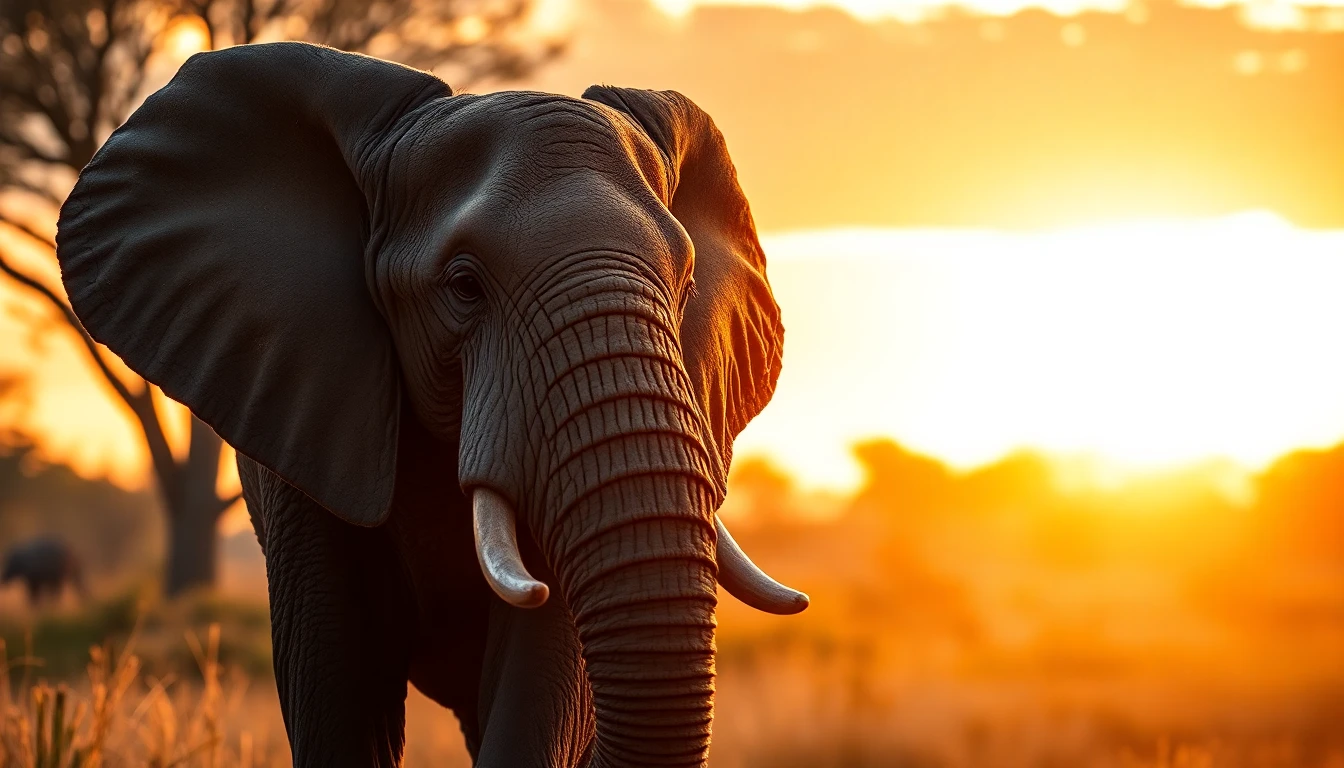
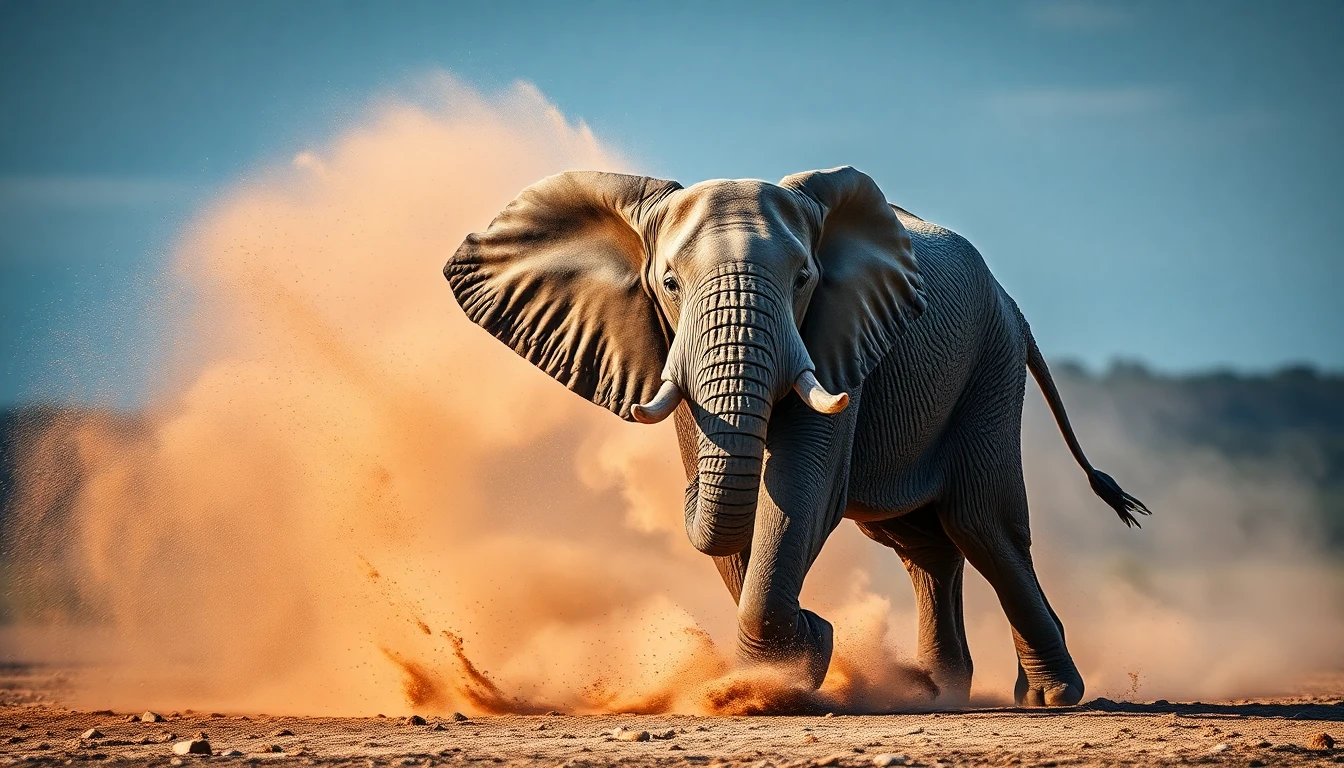
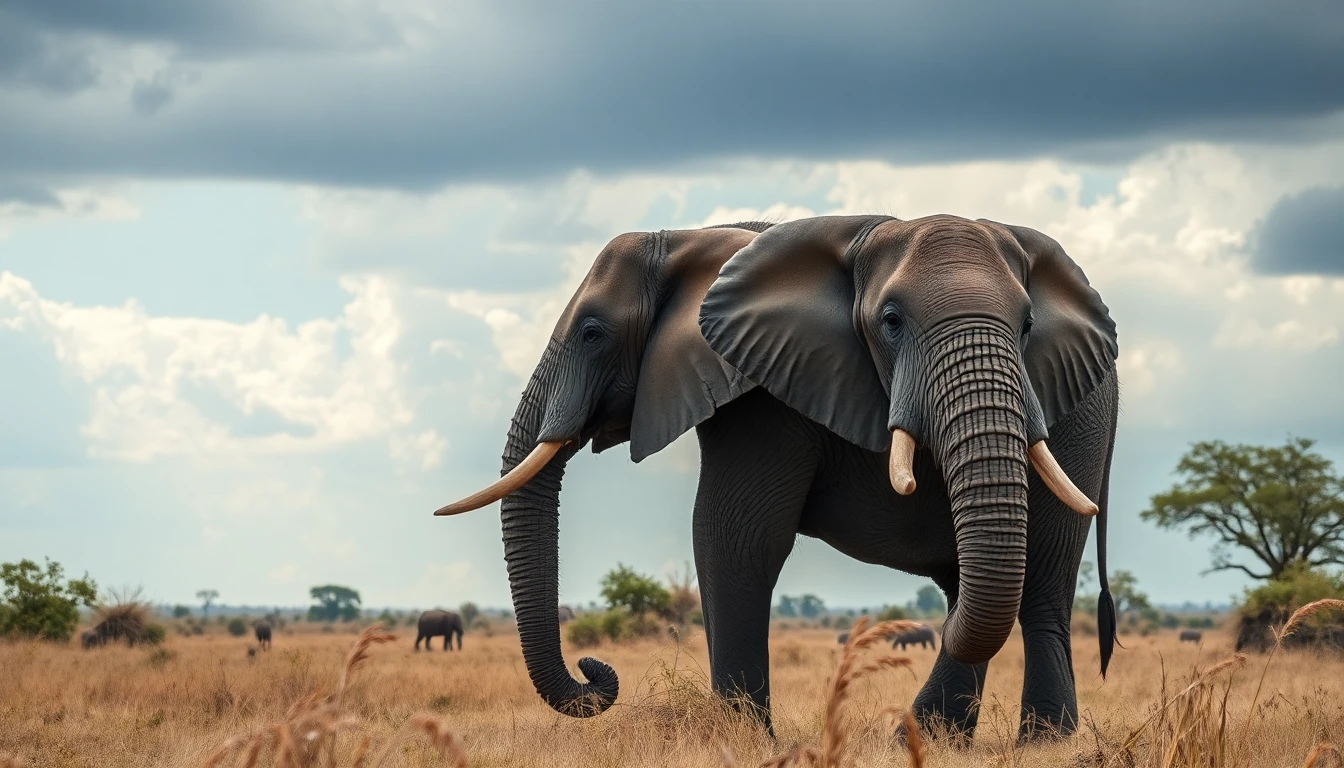
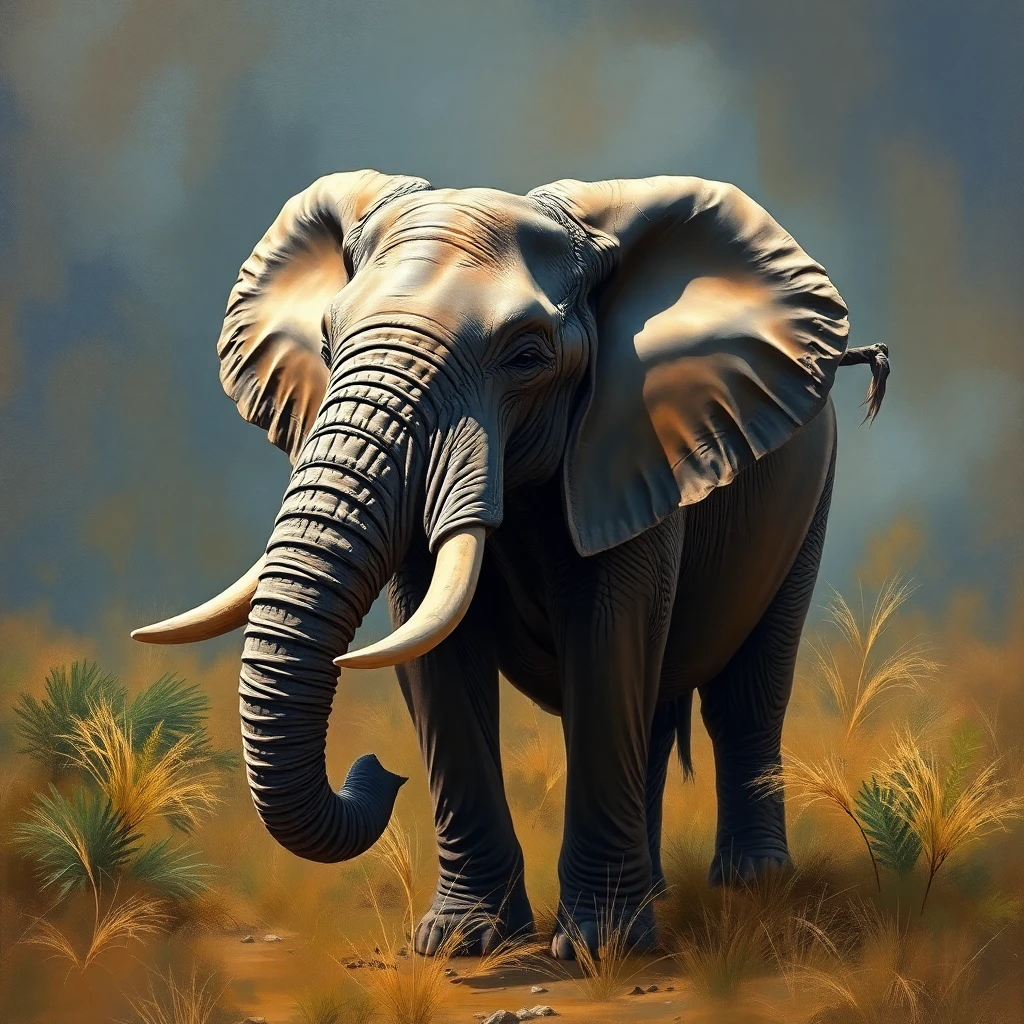
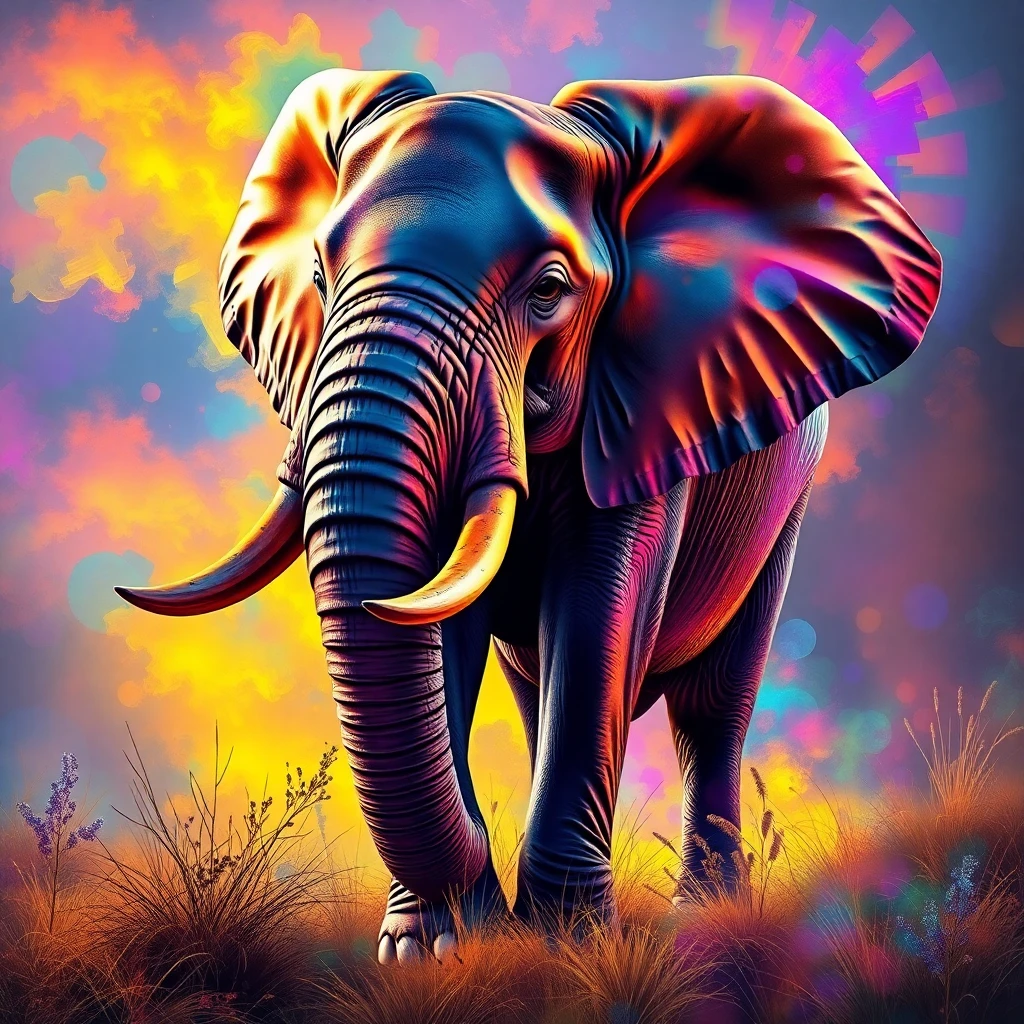
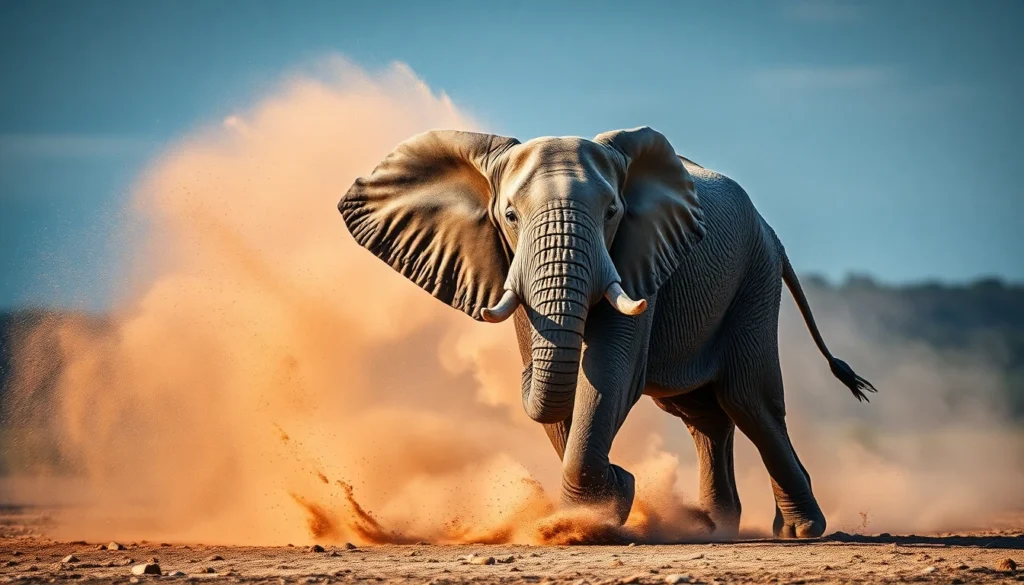
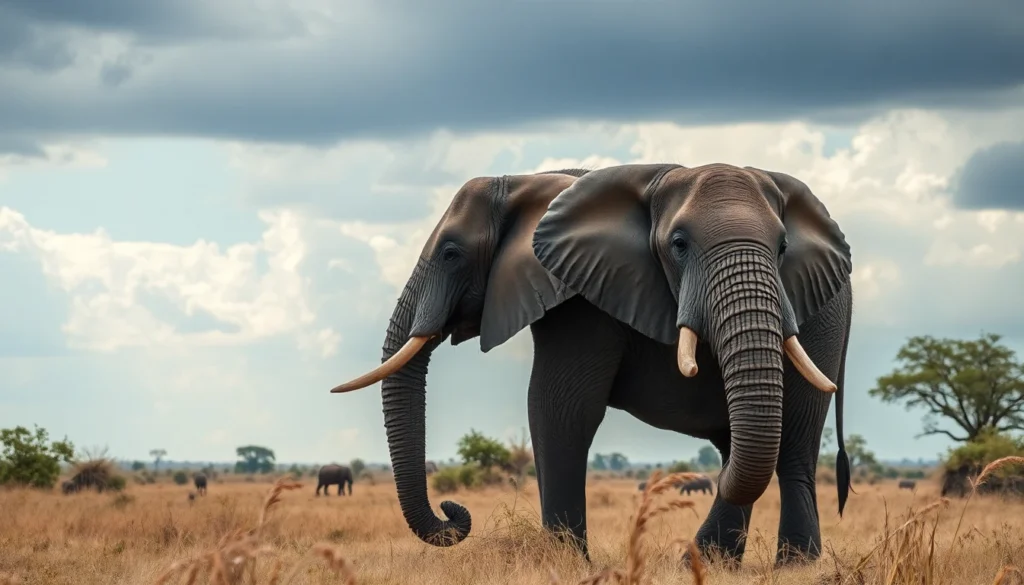
The African Elephant (Loxodonta africana) is the largest land animal on Earth — a creature of such ecological importance that scientists call it a “keystone species” and an “ecosystem engineer.” Without elephants, the African savanna would literally transform into a different biome.
The Trunk: 100,000 Muscles of Genius
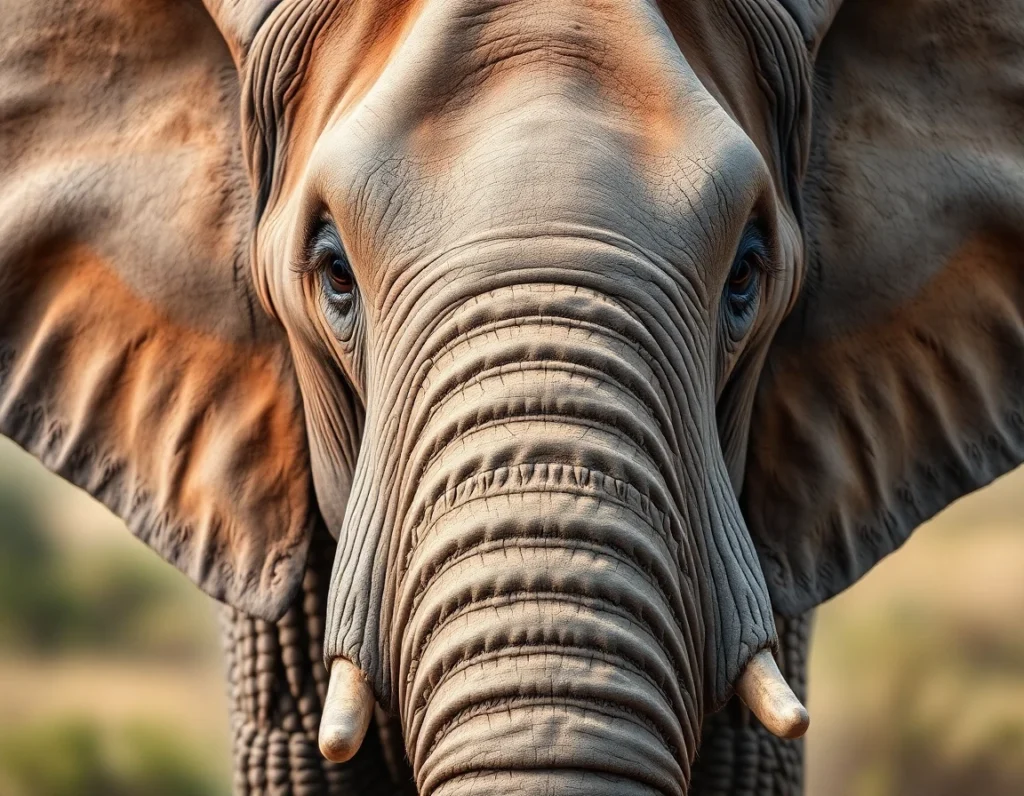
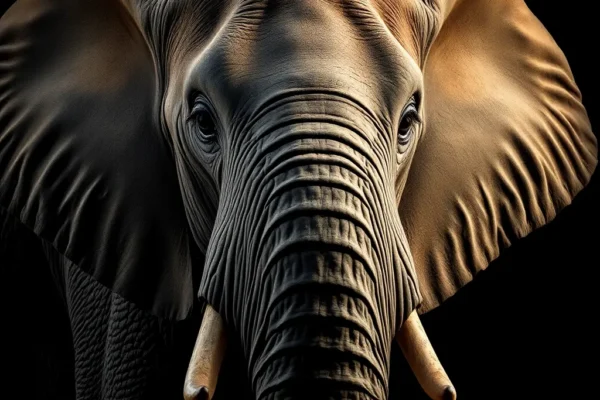
An elephant’s trunk contains over 100,000 individual muscle fascicles — more than the entire human body combined. This extraordinary organ can uproot trees, pick up a single blade of grass, trumpet louder than a rock concert, smell water from 20 km away, and greet family members with the gentleness of a handshake. The trunk tip has two “fingers” (African elephants) capable of fine manipulation to crack open nuts or remove thorns.
Memory, Intelligence & Grief
Elephant memory is not myth — it’s documented science. Matriarchs can recognize over 100 other elephants by voice alone, recall migration routes used decades earlier, and distinguish between the calls of lions, humans (by gender and tribal group), and other threats. Perhaps most remarkably, elephants mourn their dead — returning to the bones of deceased family members, gently touching skulls with their trunks in what appears to be a ritualistic grieving behavior.
Advertisement
Ecosystem Engineers
Elephants shape entire landscapes. In forest habitats, their movement creates pathways used by dozens of other species. On savanna, they knock down trees that would otherwise out-compete grassland — maintaining the open habitat on which lions, cheetahs, wildebeest, and zebra depend. Their dung — a 150 kg daily output — distributes seeds across vast distances, germinating trees that grow only after passing through an elephant’s gut. Remove elephants, and the ecosystem cascades toward collapse.
The Ivory Crisis
Between 1979 and 1989, ivory poaching killed half of Africa’s elephants — from 1.3 million to 600,000. The 1989 CITES ivory ban triggered a partial recovery, but a second poaching surge from 2008–2018 killed an estimated 100,000 elephants for illegal ivory flowing to Asia. Today, fewer than 415,000 African elephants remain across 37 countries, with populations increasingly fragmented in protected areas surrounded by agriculture.
Fascinating Facts
- Elephants can communicate using infrasound — below human hearing — across 10+ km
- They are the only animals besides humans known to have death rituals
- A newborn calf can stand within 20 minutes and run within hours
- Elephant skin can be 3 cm thick but is sensitive enough to feel a fly land
- They spend 16–18 hours a day eating to sustain their massive bodies
Advertisement
⚡ Speed Comparison
📸 Photo Gallery
💡 Fun Facts
Trunk has 100,000+ muscles — more than the whole human body
Elephants mourn their dead, returning to bones of relatives
Can hear infrasound calls from 10+ km away
A single elephant consumes up to 300 kg of food per day
Ecosystem engineers — their dung spreads seeds across landscapes
📍 Where to Find This Animal
🛒 African Elephant Related Gear
As an Amazon Associate we earn from qualifying purchases.
Join the Conversation
Share your thoughts about the African Elephant