Loading Wildlife…

Elephantidae EN

THE

ELEPHANT

Memory Keeper of the Savanna

Loxodonta africana

Africa
CLASS Mammalia FAMILY Elephantidae GENUS Loxodonta
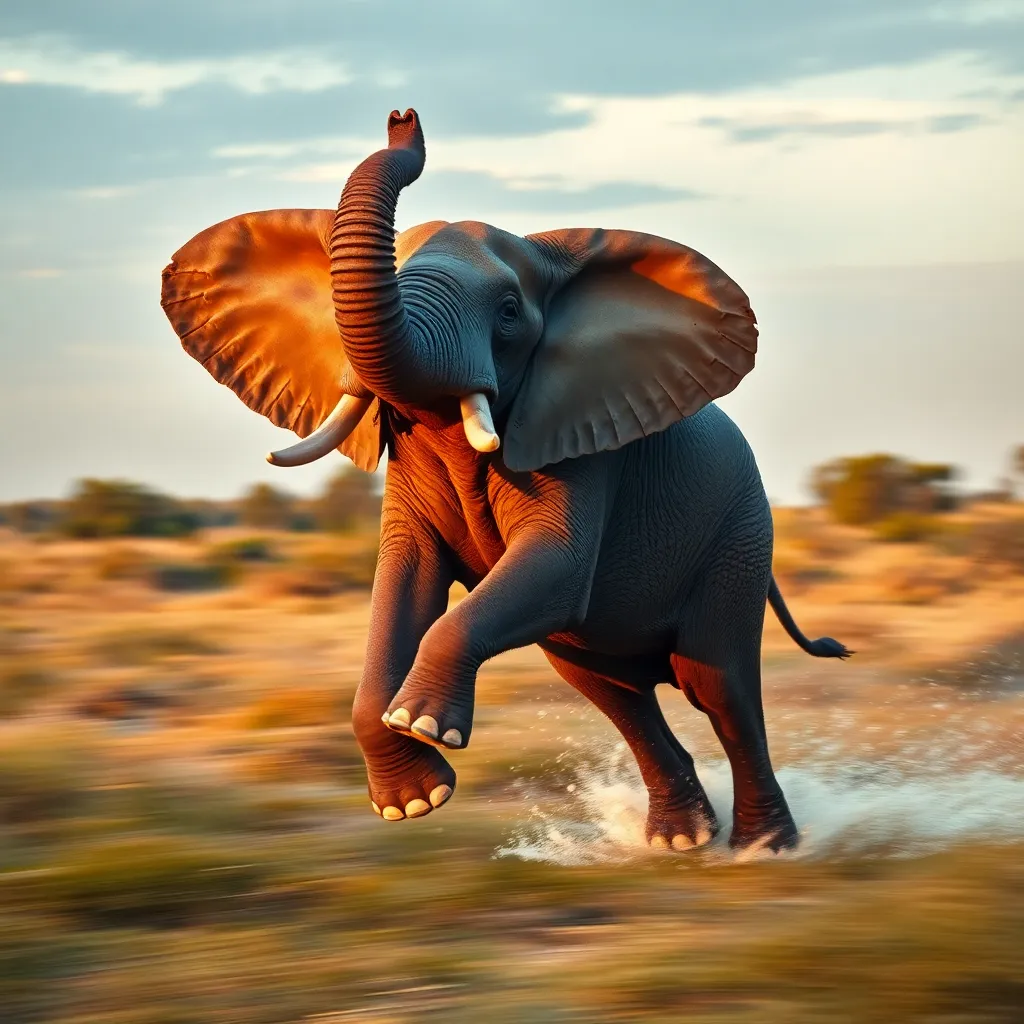
40 km/h
Top Speed
⚖️
2,700-6,000 kg
Max Weight
📏
5.4-7.5 m
Body Length
🕰️
60-70 years
Lifespan
🍖
Herbivore
Diet Type

IUCN Red List — Where this species stands

LC Least Concern
NT Near Threatened
VU Vulnerable
EN Endangered
CR Critical
EW Extinct Wild
EX Extinct

About the Elephant

Loxodonta africana

Advertisement

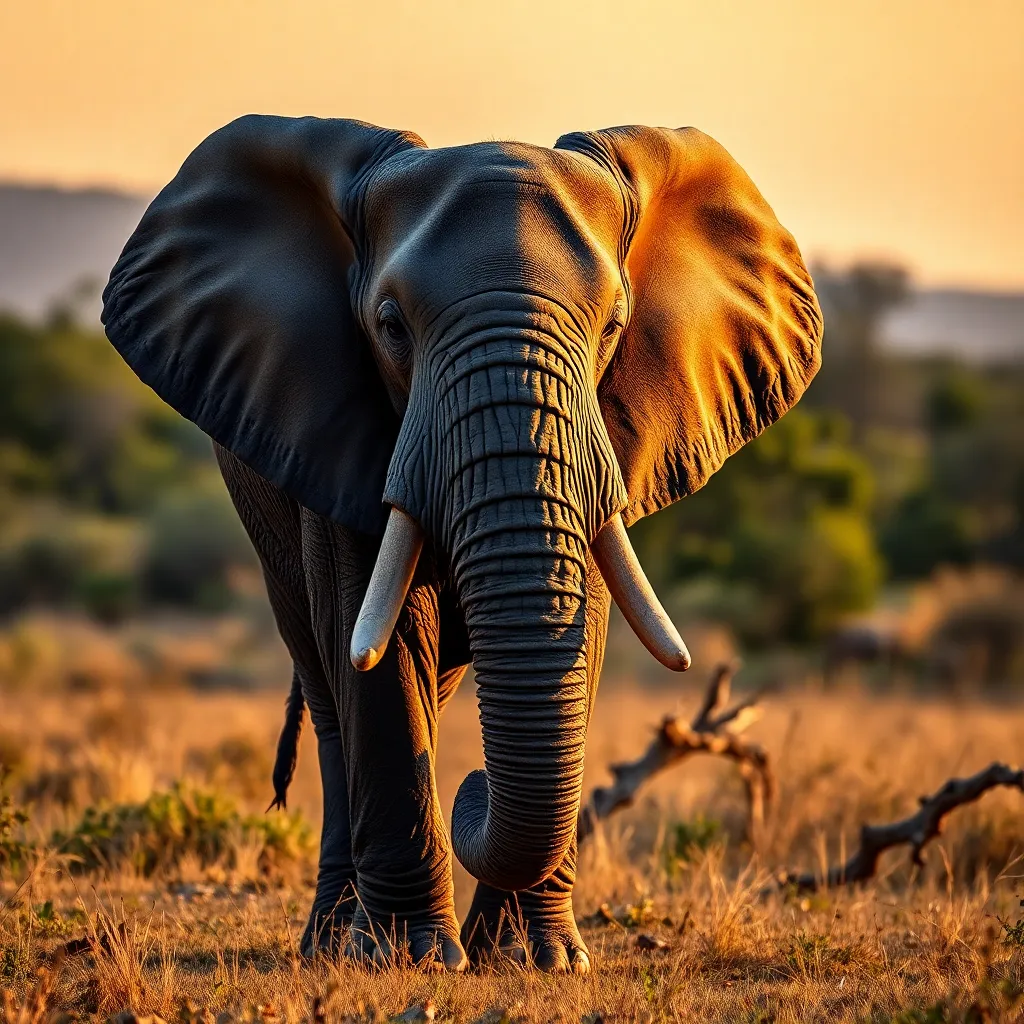
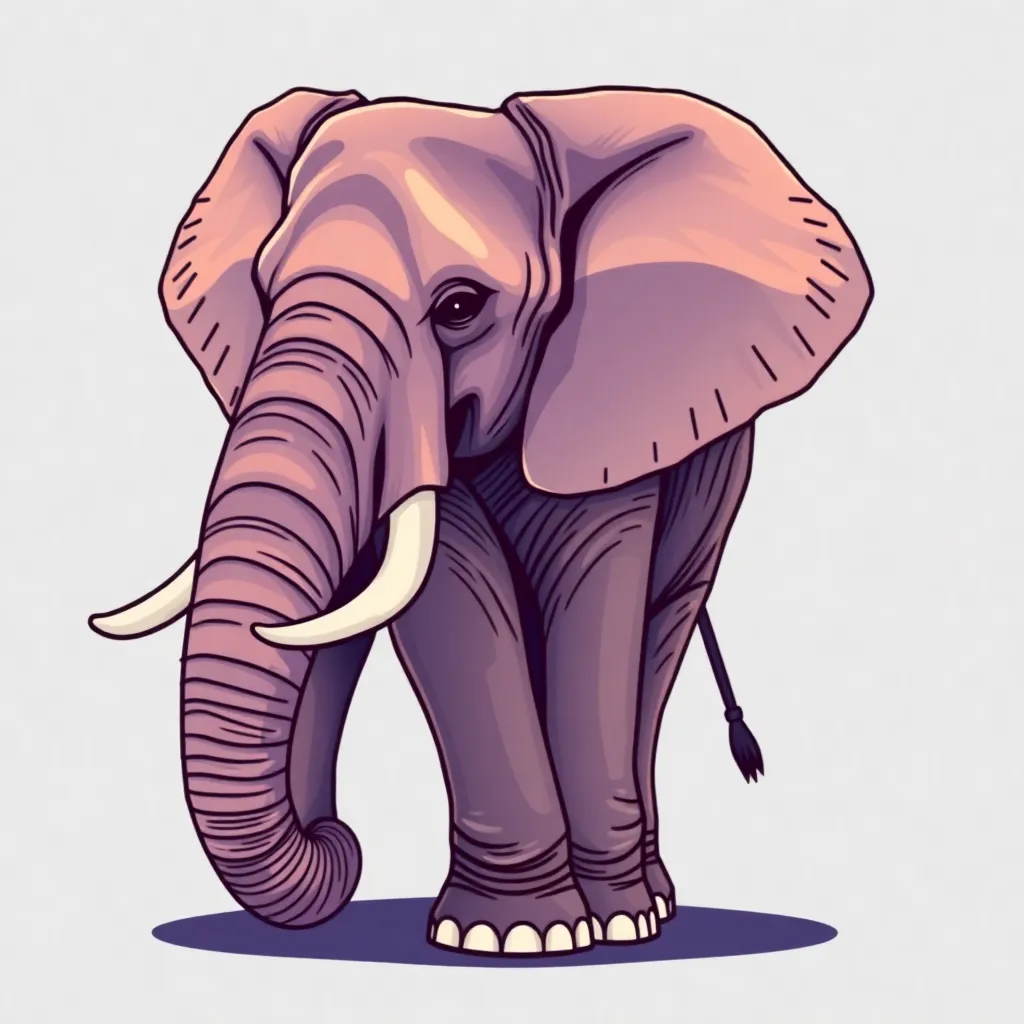
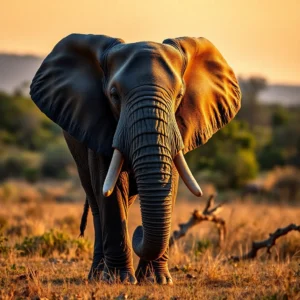
The African bush elephant is the largest land animal on Earth, a highly intelligent and deeply social keystone species whose activities shape entire African landscapes. Elephants create water holes in dry riverbeds, disperse seeds across vast distances, and knock down trees that open dense bush into grassland used by hundreds of other species. Led by the oldest female — the matriarch — family herds navigate using decades of accumulated landscape knowledge, and individuals exhibit grief, self-recognition in mirrors, and complex tool use.

⚡ Speed Comparison

Human
12 km/h
Elephant
40 km/h
Car (city)
50 km/h
Horse
54 km/h

💡 Fun Facts

01

Elephants are one of very few non-human animals that pass the mirror self-recognition test, indicating a degree of self-awareness.

02

They communicate through infrasound vibrations felt through the ground via their feet and the sensitive skin of their trunk — audible to other elephants up to 10 km away.

03

An elephant's trunk contains more than 40,000 individual muscles and no bones; it can lift 350 kg or pick up a single grape.

04

Elephants are the only mammals that cannot jump, but they can swim strongly for up to 6 hours using their trunk as a snorkel.

05

A single African elephant can consume up to 300 kg of vegetation and drink 190 litres of water per day.

Unlock Expert Wildlife Facts

Watch a short 15-second video to unlock detailed expert analysis, exclusive wildlife photography, and rare behavioral facts.

📍 Where to Find This Animal

Habitat Types: Savanna & Forest

🛒 Elephant Related Gear

As an Amazon Associate we earn from qualifying purchases.
🗨️

Join the Conversation

Share your thoughts about the Elephant

✍️

Leave a Comment

Your email address will not be published. Required fields are marked *

How Big Is a Elephant?

Side-by-side comparison with an adult human (175 cm)

🧍
Human
175 cm
🐘
Elephant
65 cm
shoulder height
2,700-6,000 BODY WEIGHT
5.4-7.5 BODY LENGTH
40 TOP SPEED
60-70 LIFESPAN
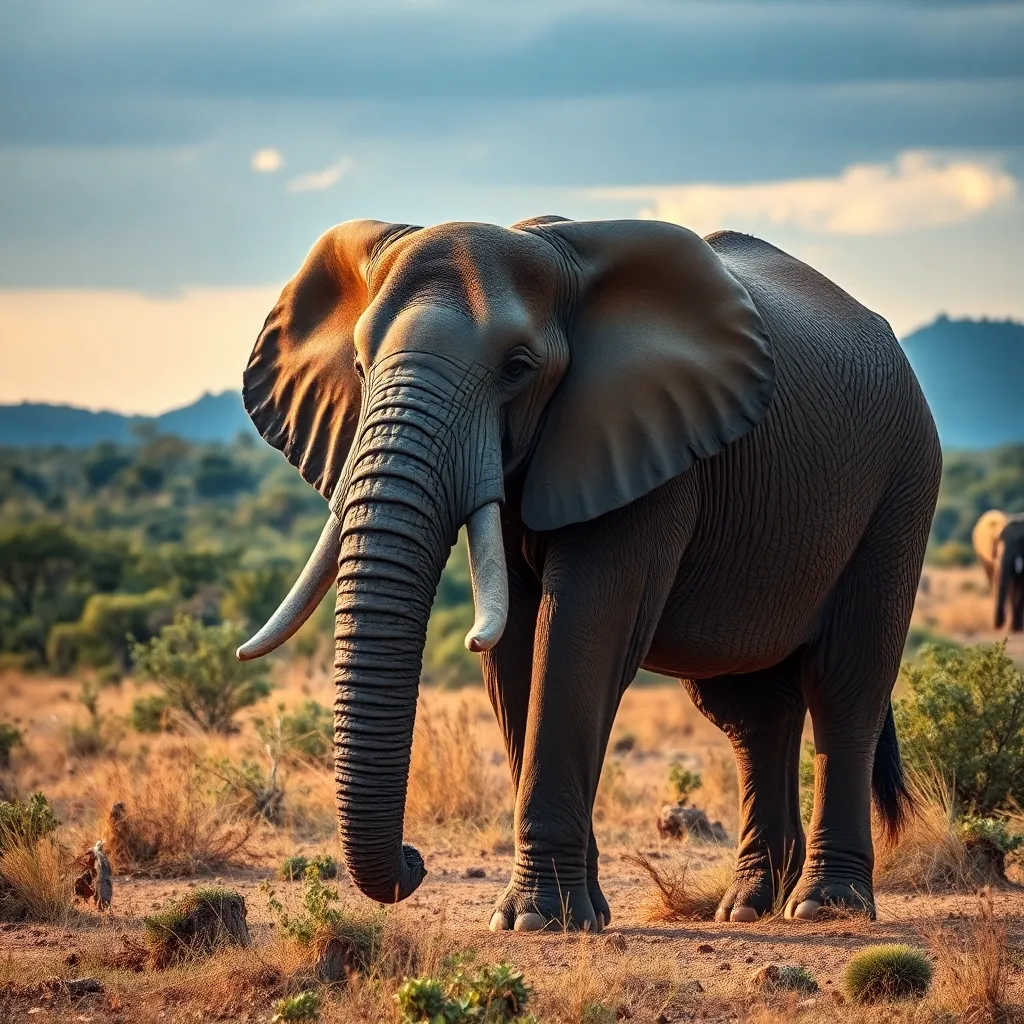
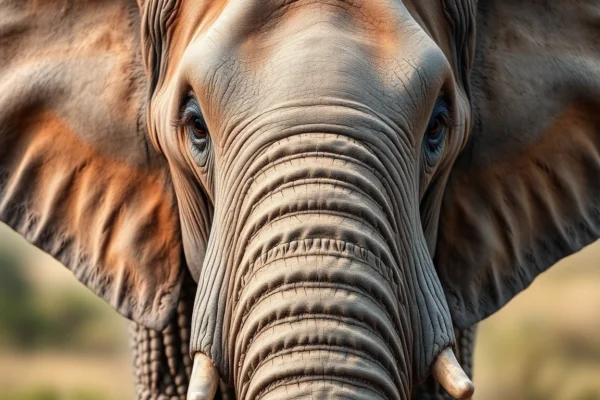
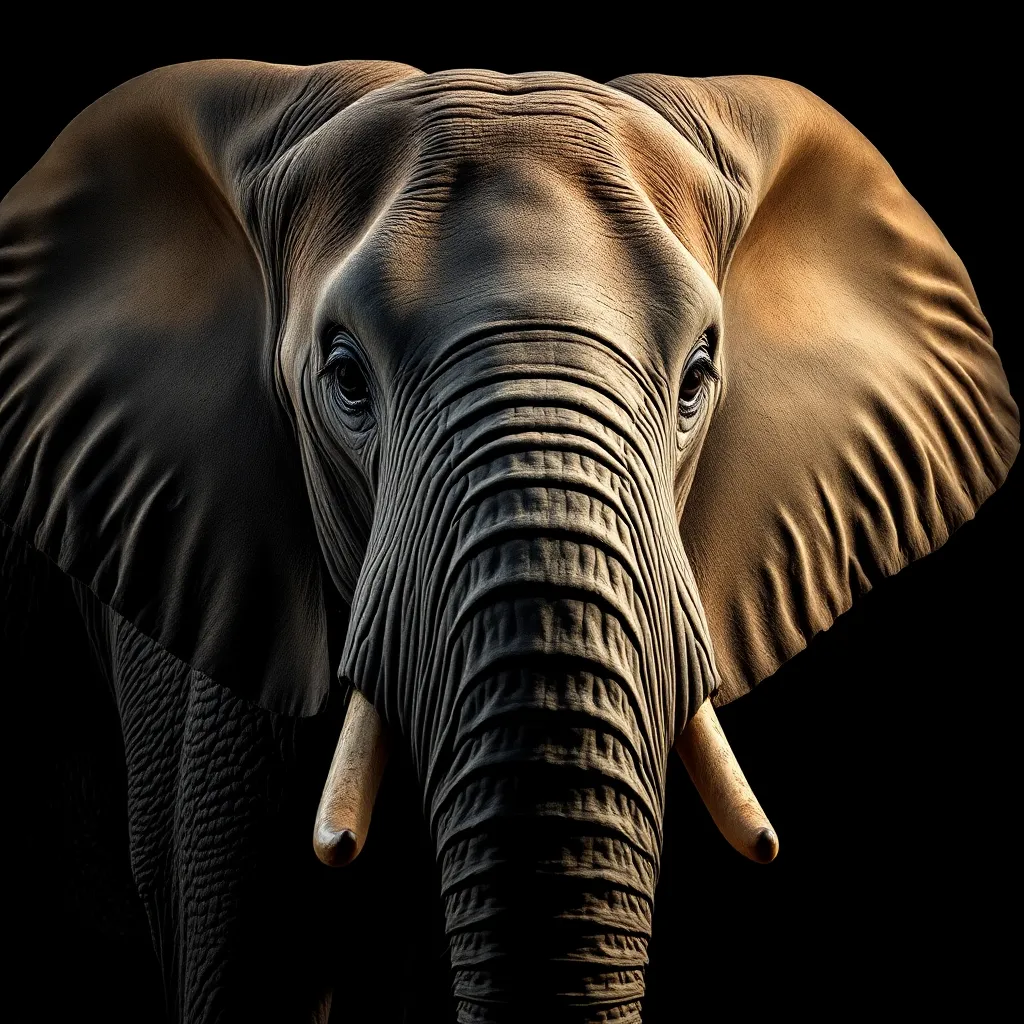
Elephant close-up
Elephant

SURVIVAL TOOLKIT

Built for Survival

Nature's engineering refined over millions of years

🔬 SURVIVAL TOOLKIT
Prehensile Trunk
01

Prehensile Trunk

The trunk is a fusion of the nose and upper lip containing 40,000+ muscles; it serves simultaneously as a hand, nose, snorkel, social appendage, and weapon capable of lifting 350 kg.

Ear Thermoregulation
02

Ear Thermoregulation

The enormous ears are laced with a dense network of blood vessels; flapping them in the breeze cools blood by up to 5°C before it returns to the body, acting as a biological radiator.

Molariform Tooth Replacement
03

Molariform Tooth Replacement

Rather than growing new teeth vertically, elephants grow 6 sets of molars in sequence from the back of the jaw, each moving forward as the previous one wears down — a conveyor belt of teeth.

Infrasound Communication
04

Infrasound Communication

Vocalizations below 20 Hz travel through soil and are detected via the feet and trunk, enabling family members and males to communicate across distances of up to 10 km.

Drought Survival Intelligence
05

Drought Survival Intelligence

Matriarchs memorize the location of seasonal water sources across thousands of square kilometres, leading herds to water during drought events using knowledge accumulated over 50+ years.

Complex Social Cognition
06

Complex Social Cognition

Large brains support elaborate social memory, long-term grief responses, cooperative problem solving, and empathetic behaviors including comforting distressed group members.

Memory Keeper of the Savanna. An extraordinary creature that reminds us what we stand to lose.

Jungal Safari · Wildlife Network
💡

Did You Know?

Elephants are one of very few non-human animals that pass the mirror self-recognition test, indicating a degree of self-awareness.

🍖 DIET: HERBIVORE

What Does the Elephant Eat?

🌾
Grass
🍃
Tree Leaves
🍌
Fruit
🌿
Bark & Roots
🌱
Shrubs
🗺️ GEOGRAPHIC RANGE

Where Do Elephants Live?

🌍
Continents
📉
Population Trend Declining

Conservation in Action

How You Can Help the Elephant

Small actions, taken together, can reverse the decline of species like this one

🌳
Protect Habitat

Support wildlife reserves and protected land corridors

🚫
Stop Poaching

Report illegal trade and back anti-poaching patrols

🔬
Fund Research

Camera-trap studies and population monitoring

🤝
Community Work

Partner with local herders to reduce conflict

📢
Raise Awareness

Educate and inspire future wildlife champions

"Without urgent action, the Elephant could disappear from the wild within our lifetime."

LET'S SECURE A WILD FUTURE WHERE ELEPHANTS THRIVE.

The Elephant's Future
Is In Our Hands

Every share, every donation, every voice raised — makes a difference for wildlife conservation.

🌳Protect Habitat
📢Raise Awareness
💰Fund Research
🤝Community Work
🚫Stop Poaching

"Protect Wildlife. Preserve Our Planet."

Every species matters. Every action counts.

Advertisement