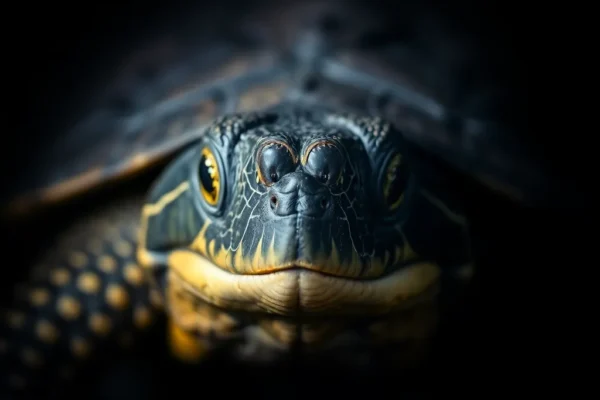
Loading Wildlife…

Emydidae VU

THE

BOX TURTLE

Ancient Wanderer of the Woods

Terrapene carolina

Americas
CLASS Reptilia FAMILY Emydidae GENUS Terrapene
0.27 km/h
Top Speed
⚖️
300–600 g kg
Max Weight
📏
10–17 cm
Body Length
🕰️
50–100+ years
Lifespan
🍖
Omnivore
Diet Type

IUCN Red List — Where this species stands

LC Least Concern
NT Near Threatened
VU Vulnerable
EN Endangered
CR Critical
EW Extinct Wild
EX Extinct

About the Box Turtle

Terrapene carolina

Advertisement

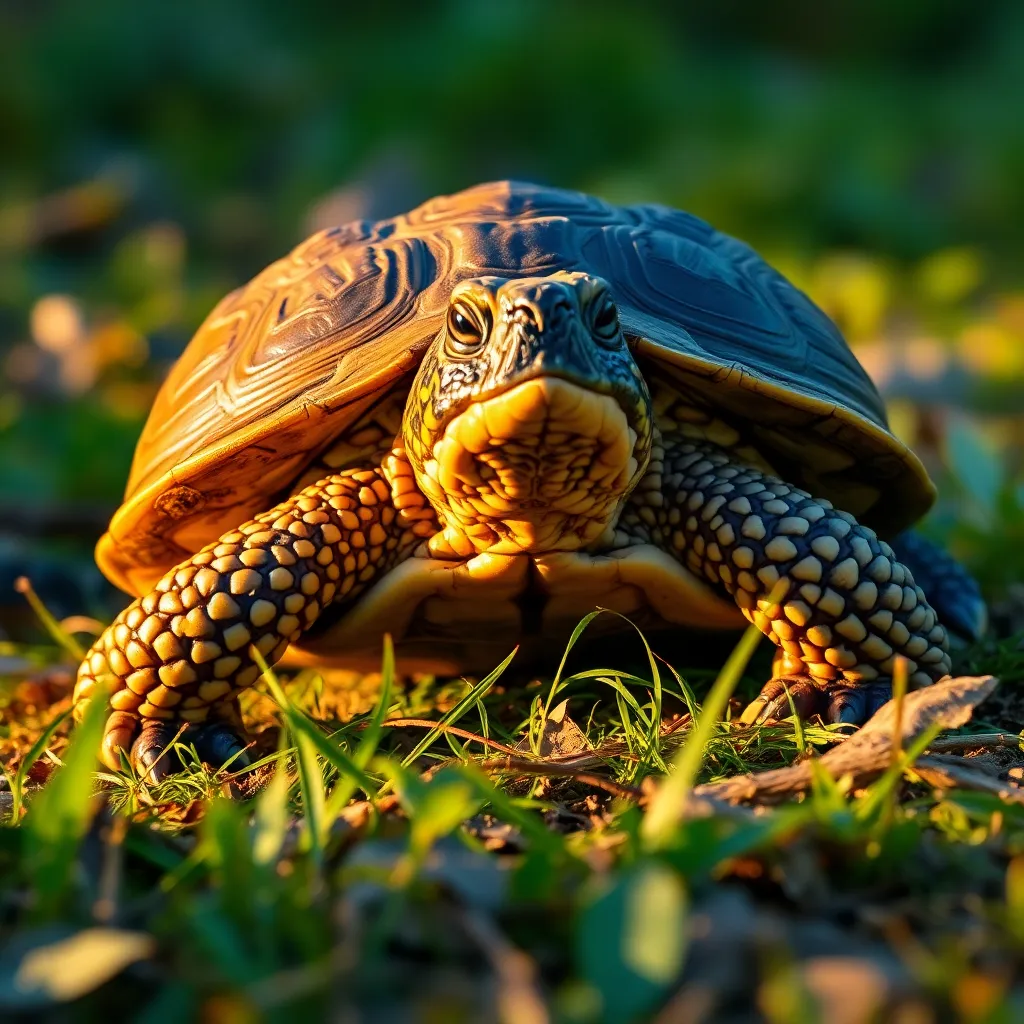
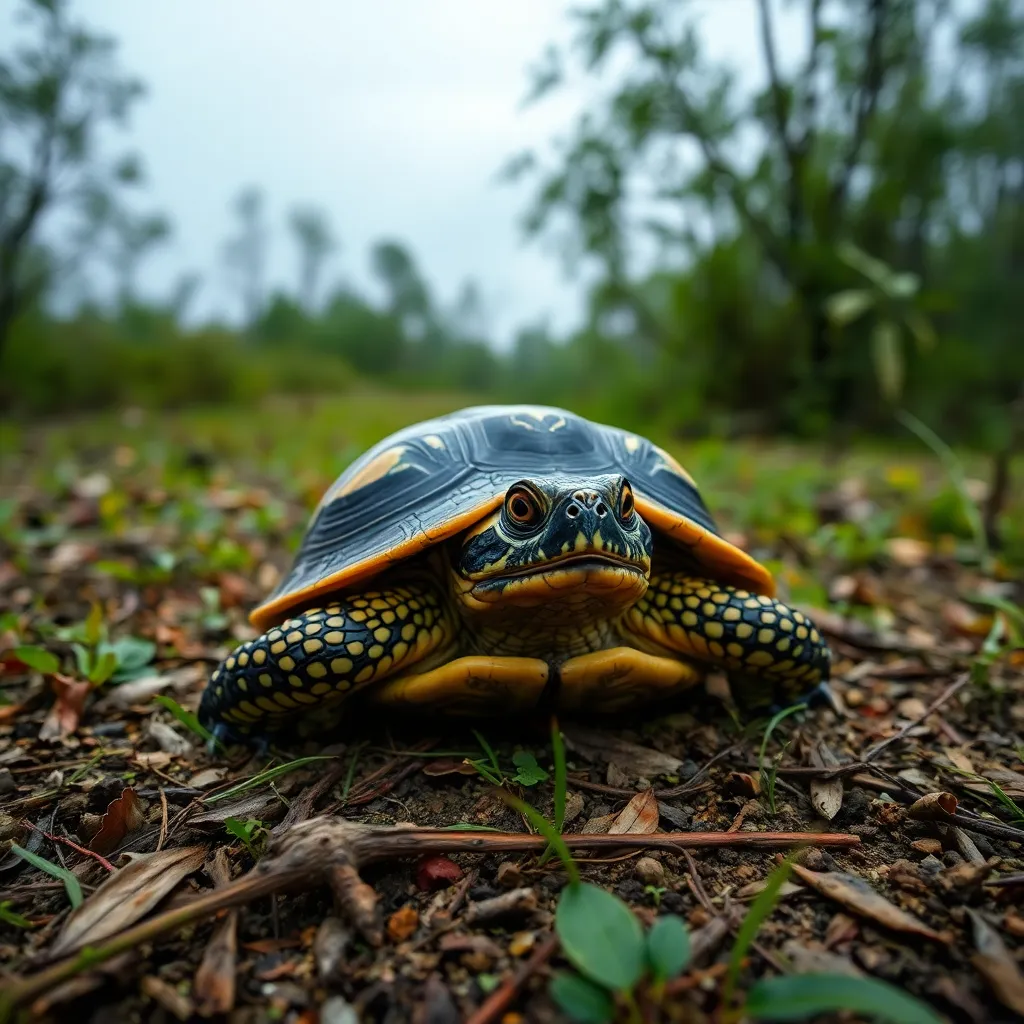
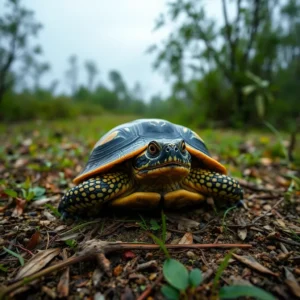
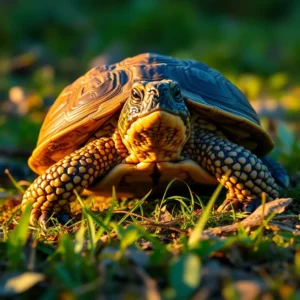
The eastern box turtle is a terrestrial turtle famous for its unique hinged plastron, which allows it to seal itself completely inside its shell — creating a near-impregnable box that protects it from most predators. Found across eastern North America, box turtles have extraordinarily long lifespans, with some individuals confirmed to live over 130 years. They are important seed dispersers and indicators of forest ecosystem health.

⚡ Speed Comparison

Box Turtle
0 km/h
Human
12 km/h
Car (city)
50 km/h
Horse
54 km/h

💡 Fun Facts

01

Box turtles have a hinged plastron (bottom shell) that closes so tightly even a knife blade cannot be inserted between the shell halves without forcing — providing nearly impenetrable protection.

02

Some individual box turtles have been documented returning to the same small home range of just 2–5 acres for over 50 consecutive years.

03

Box turtles have a heat-sensing organ that allows them to detect wild strawberries from several meters away — they will ignore all other food during strawberry season.

04

Box turtles can accumulate toxins from eating poisonous mushrooms in their tissues — consuming their flesh has caused serious poisoning in humans who ate them.

05

Hatchling sex in box turtles is determined by incubation temperature: eggs kept below 27°C produce males, while warmer temperatures produce females.

Unlock Expert Wildlife Facts

Watch a short 15-second video to unlock detailed expert analysis, exclusive wildlife photography, and rare behavioral facts.

📍 Where to Find This Animal

🛒 Box Turtle Related Gear

As an Amazon Associate we earn from qualifying purchases.
🗨️

Join the Conversation

Share your thoughts about the Box Turtle

✍️

Leave a Comment

Your email address will not be published. Required fields are marked *

How Big Is a Box Turtle?

Side-by-side comparison with an adult human (175 cm)

🧍
Human
175 cm
🐢
Box Turtle
65 cm
shoulder height
300–600 BODY WEIGHT
10–17 BODY LENGTH
0.27 TOP SPEED
50–100+ LIFESPAN
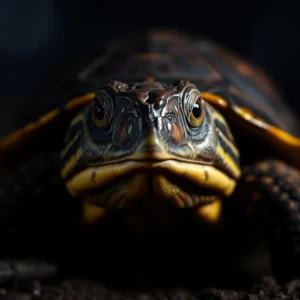
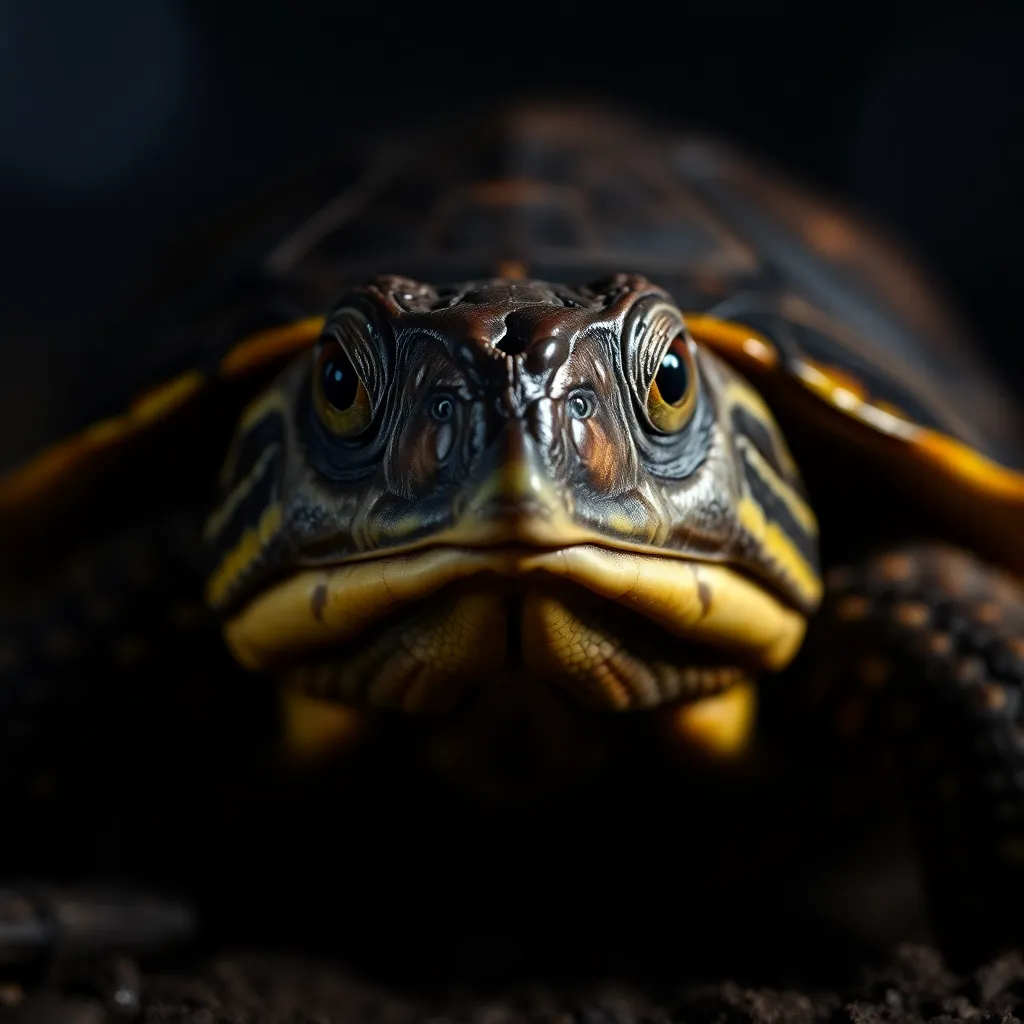
Box Turtle close-up
Box Turtle

SURVIVAL TOOLKIT

Built for Survival

Nature's engineering refined over millions of years

🔬 SURVIVAL TOOLKIT
Hinged Shell Fortress
01

Hinged Shell Fortress

A unique flexible hinge across the plastron allows the turtle to retract head, legs, and tail completely, closing the shell into an airtight box that defeats most predators.

Temperature-Dependent Sex Determination
02

Temperature-Dependent Sex Determination

Nest temperature during incubation determines offspring sex, allowing the species to shift sex ratios in response to local thermal conditions.

Brilliant Coloration
03

Brilliant Coloration

Bold yellow-orange patterns on the shell and skin serve as aposematic warning signals, advertising the potential toxicity of flesh to predators.

Winter Torpor
04

Winter Torpor

Box turtles excavate burrows up to 60 cm deep to spend 3–5 months in hibernation, reducing metabolic rate by over 95% to survive freezing winters.

Strong Site Fidelity
05

Strong Site Fidelity

An innate homing ability using celestial and magnetic cues allows box turtles displaced up to several kilometers to navigate back to their home range.

Toxin Sequestration
06

Toxin Sequestration

Box turtles can consume mushrooms toxic to most vertebrates and sequester the compounds in their tissues, making their own flesh potentially dangerous to predators.

Ancient Wanderer of the Woods. An extraordinary creature that reminds us what we stand to lose.

Jungal Safari · Wildlife Network
💡

Did You Know?

Box turtles have a hinged plastron (bottom shell) that closes so tightly even a knife blade cannot be inserted between the shell halves without forcing — providing nearly impenetrable protection.

🍖 DIET: OMNIVORE

What Does the Box Turtle Eat?

🫐
Berries & Fruit
🍄
Mushrooms
🪱
Earthworms
🦟
Insects & Beetles
🌿
Leafy Vegetation
🗺️ GEOGRAPHIC RANGE

Where Do Box Turtles Live?

🌍
Continents
📉
Population Trend Declining

Conservation in Action

How You Can Help the Box Turtle

Small actions, taken together, can reverse the decline of species like this one

🌳
Protect Habitat

Support wildlife reserves and protected land corridors

🚫
Stop Poaching

Report illegal trade and back anti-poaching patrols

🔬
Fund Research

Camera-trap studies and population monitoring

🤝
Community Work

Partner with local herders to reduce conflict

📢
Raise Awareness

Educate and inspire future wildlife champions

"Without urgent action, the Box Turtle could disappear from the wild within our lifetime."

PROTECT THEM. PRESERVE THEIR LEGACY.

The Box Turtle's Future
Is In Our Hands

Every share, every donation, every voice raised — makes a difference for wildlife conservation.

🌳Protect Habitat
📢Raise Awareness
💰Fund Research
🤝Community Work
🚫Stop Poaching

"Protect Wildlife. Preserve Our Planet."

Every species matters. Every action counts.

Advertisement