Loading Wildlife…

Emydidae VU

THE

TERRAPIN

Diamond Back of the Salt Marsh

Malaclemys terrapin

Americas
CLASS Reptilia FAMILY Emydidae GENUS Malaclemys
3 km/h
Top Speed
⚖️
300–900 g kg
Max Weight
📏
10–23 cm
Body Length
🕰️
25–40 years
Lifespan
🍖
Carnivore
Diet Type

IUCN Red List — Where this species stands

LC Least Concern
NT Near Threatened
VU Vulnerable
EN Endangered
CR Critical
EW Extinct Wild
EX Extinct

About the Terrapin

Malaclemys terrapin

Advertisement

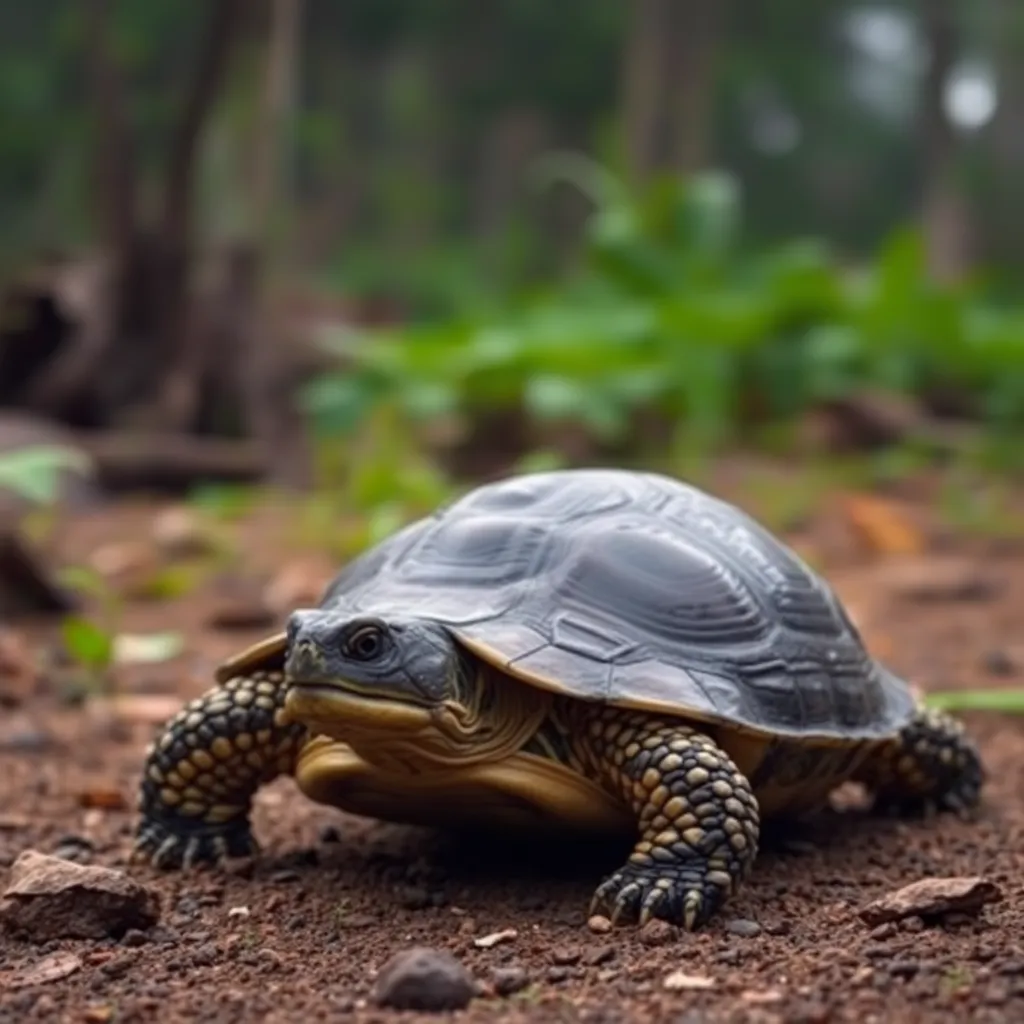
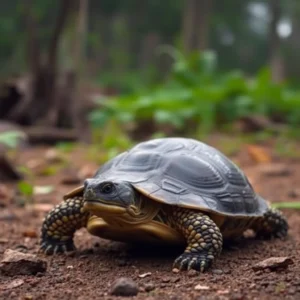
The diamondback terrapin is the only North American turtle adapted to live in brackish water, inhabiting coastal salt marshes, estuaries, and tidal flats along the Atlantic and Gulf coasts. Named for the concentric diamond-shaped growth rings on its scutes, this turtle was once hunted to near-extinction for the luxury food market in the early 20th century. Today, populations continue to decline due to habitat loss, road mortality, and drowning in commercial crab traps.

⚡ Speed Comparison

Terrapin
3 km/h
Human
12 km/h
Car (city)
50 km/h
Horse
54 km/h

💡 Fun Facts

01

Diamondback terrapins are the only turtles in the world that live exclusively in brackish water — neither fully marine nor fully freshwater habitats, but the challenging intermediate zone.

02

Females are significantly larger than males, a reversal of the typical turtle pattern, because larger females can carry more eggs through the high-salinity environment.

03

Terrapins can drink freshwater from rain puddles sitting on the surface of the salt marsh without mixing with the surrounding brine — a behavior called surface tension drinking.

04

They were once considered the greatest American delicacy; at their peak demand in 1920, a single terrapin sold for $120 (equivalent to thousands of dollars today).

05

Female terrapins use a magnetic map sense to return to the exact beach where they were born — sometimes the same stretch of sand — to lay their own eggs years later.

Unlock Expert Wildlife Facts

Watch a short 15-second video to unlock detailed expert analysis, exclusive wildlife photography, and rare behavioral facts.

📍 Where to Find This Animal

🛒 Terrapin Related Gear

As an Amazon Associate we earn from qualifying purchases.

🗨️

Join the Conversation

Share your thoughts about the Terrapin

✍️

Leave a Comment

Your email address will not be published. Required fields are marked *

How Big Is a Terrapin?

Side-by-side comparison with an adult human (175 cm)

🧍
Human
175 cm
🐢
Terrapin
65 cm
shoulder height
300–900 BODY WEIGHT
10–23 BODY LENGTH
3 TOP SPEED
25–40 LIFESPAN
Terrapin close-up
Terrapin

SURVIVAL TOOLKIT

Built for Survival

Nature's engineering refined over millions of years

🔬 SURVIVAL TOOLKIT
Salt-Gland Kidneys
01

Salt-Gland Kidneys

Highly efficient kidneys and orbital salt-secreting glands allow terrapins to excrete excess sodium chloride from consumed prey and ambient seawater, maintaining internal osmotic balance.

Crushing Jaws
02

Crushing Jaws

Broad, flat jaw surfaces are adapted to crack the shells of hard-bodied prey such as periwinkles, fiddler crabs, and mussels that are abundant in salt marsh habitat.

Tidal Zone Adaptation
03

Tidal Zone Adaptation

A highly variable tolerance for salinity from nearly fresh to nearly full seawater allows terrapins to exploit the full tidal range of estuaries as they follow prey with the tides.

Winter Dormancy in Mud
04

Winter Dormancy in Mud

Terrapins bury themselves in marsh mud during winter, reducing metabolic demand to near zero and absorbing oxygen directly through the skin — a process called cloacal bursae respiration.

Magnetic Natal Homing
05

Magnetic Natal Homing

Females imprint on the unique magnetic signature of their birth beach and use this information to navigate back to precisely the same nesting site years later.

Diamond Back of the Salt Marsh. An extraordinary creature that reminds us what we stand to lose.

Jungal Safari · Wildlife Network
💡

Did You Know?

Diamondback terrapins are the only turtles in the world that live exclusively in brackish water — neither fully marine nor fully freshwater habitats, but the challenging intermediate zone.

🍖 DIET: CARNIVORE

What Does the Terrapin Eat?

🦀
Fiddler & Mud Crabs
🐚
Periwinkles & Snails
🦪
Mussels & Clams
🐟
Small Fish
🦐
Shrimp
🗺️ GEOGRAPHIC RANGE

Where Do Terrapins Live?

🌍
Continents
📉
Population Trend Declining

Conservation in Action

How You Can Help the Terrapin

Small actions, taken together, can reverse the decline of species like this one

🌳
Protect Habitat

Support wildlife reserves and protected land corridors

🚫
Stop Poaching

Report illegal trade and back anti-poaching patrols

🔬
Fund Research

Camera-trap studies and population monitoring

🤝
Community Work

Partner with local herders to reduce conflict

📢
Raise Awareness

Educate and inspire future wildlife champions

"Without urgent action, the Terrapin could disappear from the wild within our lifetime."

PROTECT THEM. PRESERVE THEIR LEGACY.

The Terrapin's Future
Is In Our Hands

Every share, every donation, every voice raised — makes a difference for wildlife conservation.

🌳Protect Habitat
📢Raise Awareness
💰Fund Research
🤝Community Work
🚫Stop Poaching

"Protect Wildlife. Preserve Our Planet."

Every species matters. Every action counts.

Advertisement