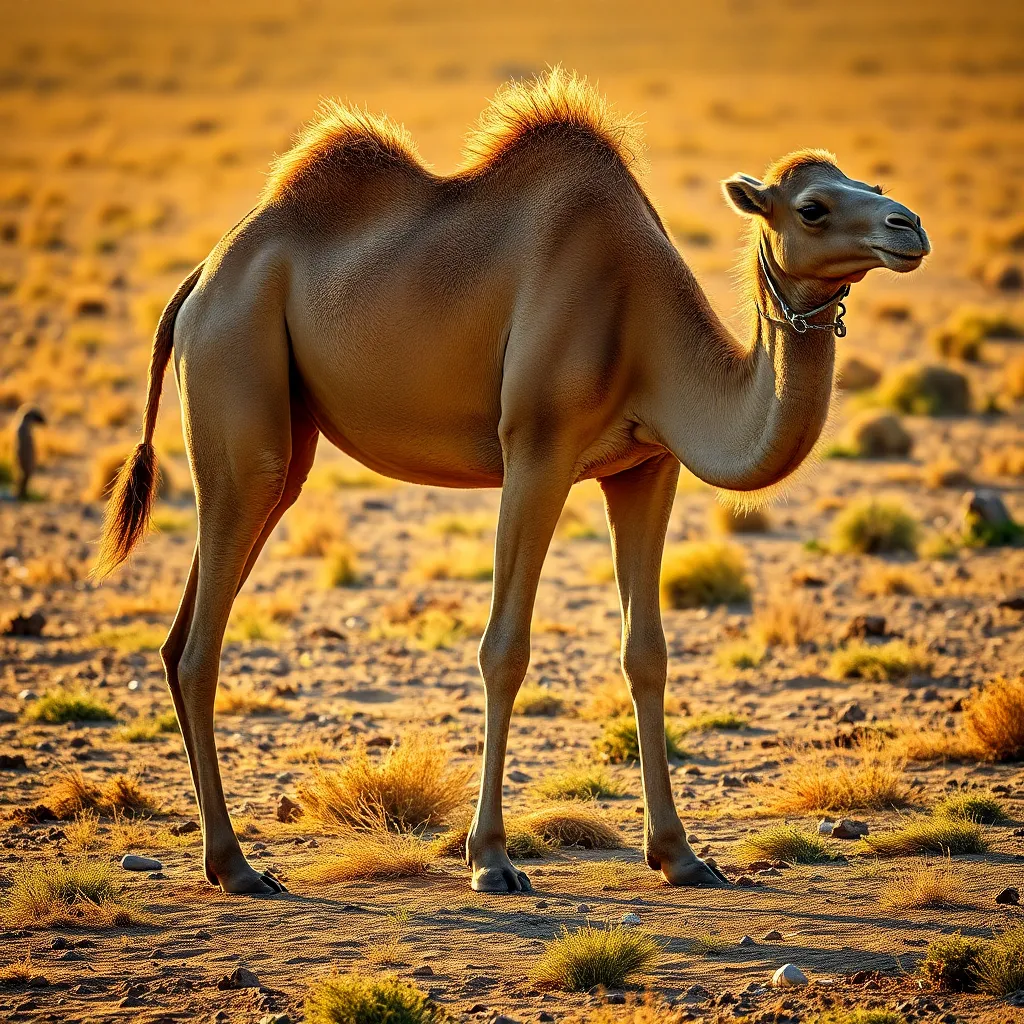
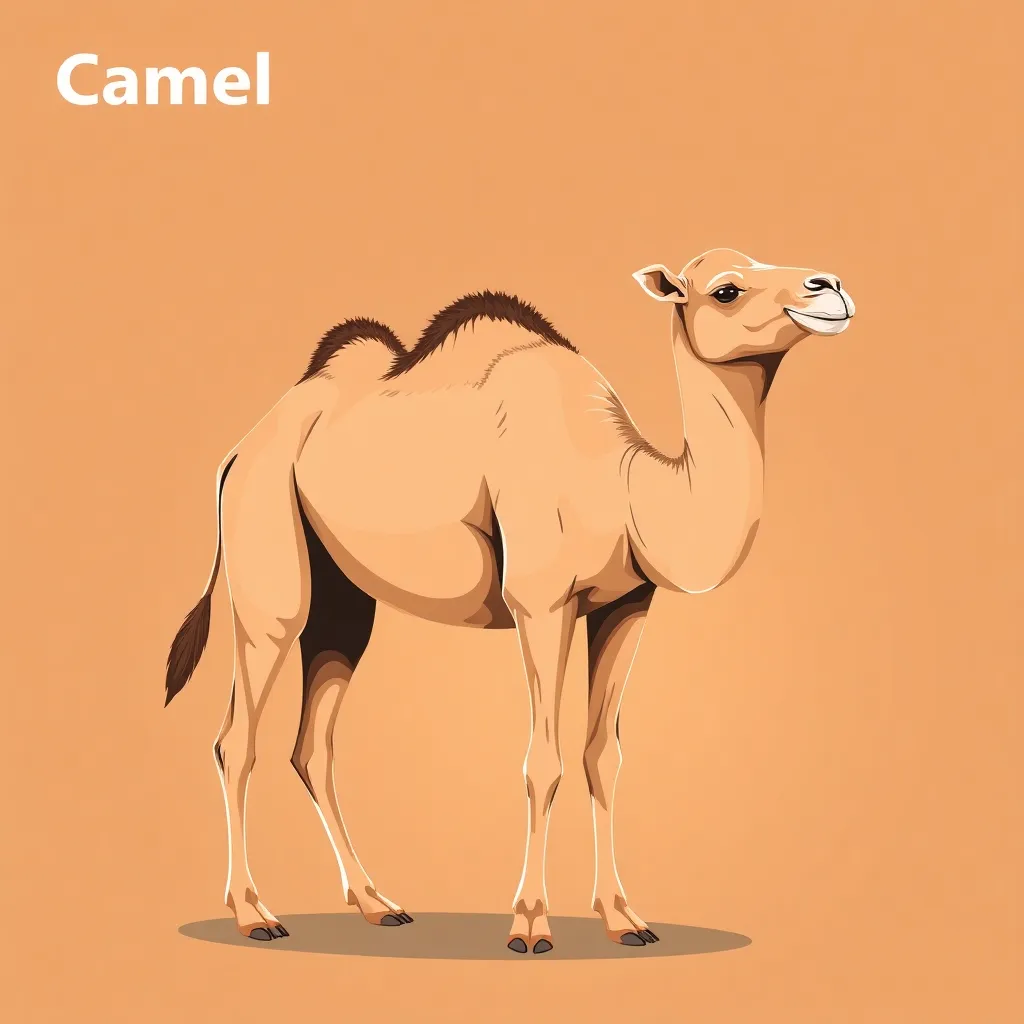
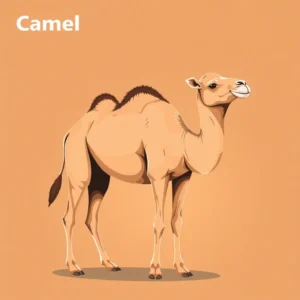
The dromedary, or one-humped camel, is a large hoofed mammal that has been domesticated for over 3,000 years and is now the dominant camel species, making up 90% of all camels worldwide. Superbly adapted to desert life, it can survive losing up to 40% of its body water — a level fatal to most other mammals — and then rehydrate by drinking 200 liters in under 15 minutes. Contrary to popular belief, the hump stores fat, not water, providing energy reserves during long desert crossings.
About the Camel
Camelus dromedarius
Advertisement
⚡ Speed Comparison
📸 Photo Gallery
💡 Fun Facts
01
A camel's hump is a fat store, not a water reservoir — it can metabolize this fat, producing water as a metabolic byproduct.
02
Camels can survive losing up to 40% of their body water, compared to 15% maximum for humans before organ failure.
03
Their oval-shaped red blood cells (unlike the round cells of other mammals) can continue flowing even when blood is highly viscous from dehydration.
04
A camel's body temperature ranges from 34°C at night to 41°C during the day, delaying sweating and saving enormous amounts of water.
05
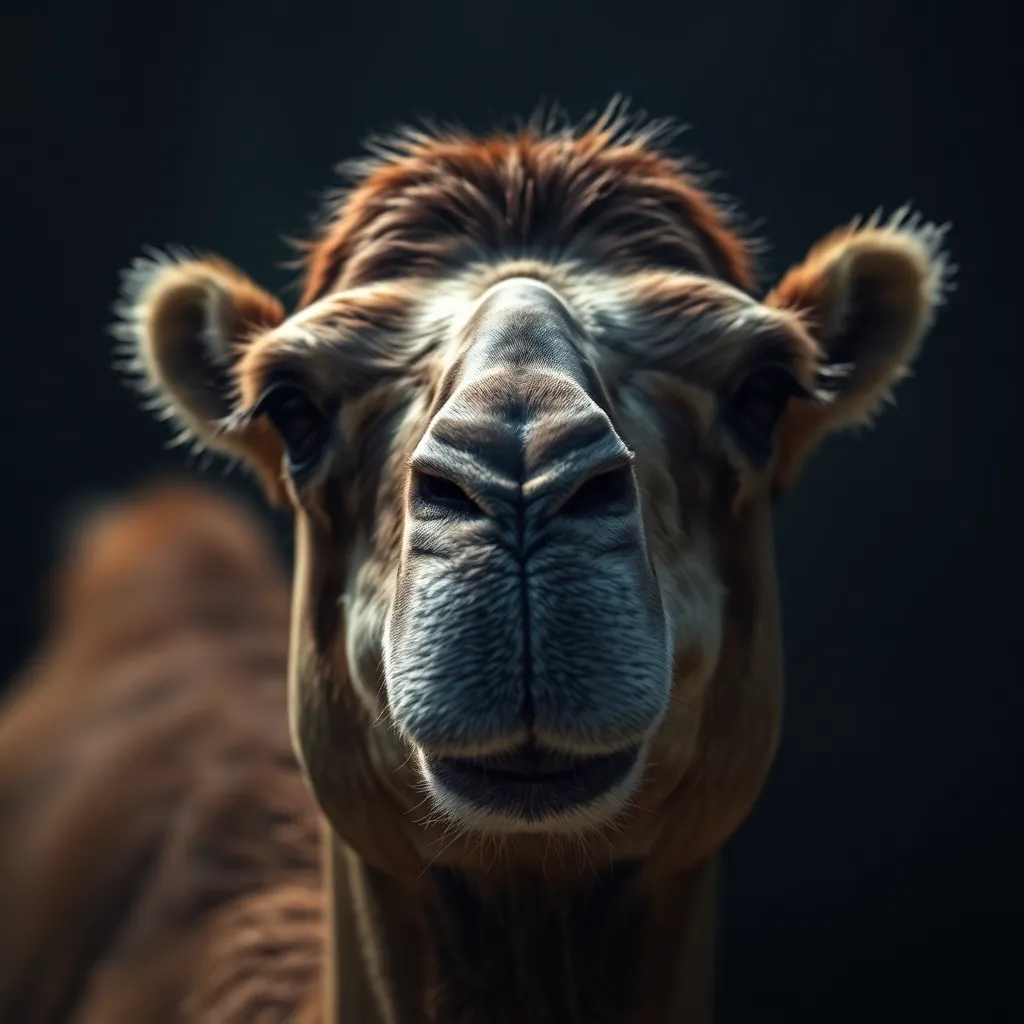
They can close their nostrils entirely during sandstorms and have three eyelids — two with lashes and one transparent one for clearing sand.
📍 Where to Find This Animal
Habitat Types:
Desert and Arid Scrubland
🛒 Camel Related Gear
As an Amazon Associate we earn from qualifying purchases.




Join the Conversation
Share your thoughts about the Camel