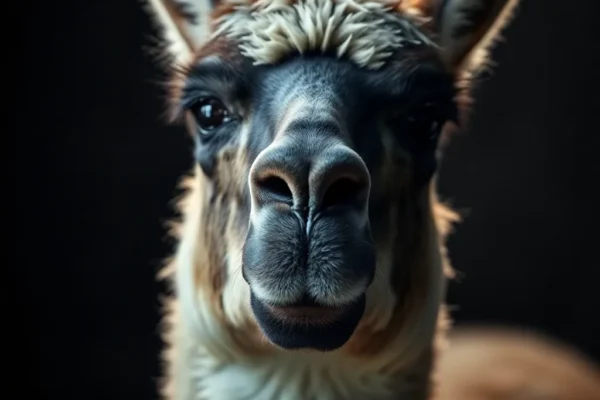
Loading Wildlife…

Camelidae LC

THE

ALPACA

Cloud Weaver of the Andes

Vicugna pacos

South America
CLASS Mammalia FAMILY Camelidae GENUS Vicugna
56 km/h
Top Speed
⚖️
48–84 kg
Max Weight
📏
120–145 cm
Body Length
🕰️
15–20 years
Lifespan
🍖
Herbivore
Diet Type

IUCN Red List — Where this species stands

LC Least Concern
NT Near Threatened
VU Vulnerable
EN Endangered
CR Critical
EW Extinct Wild
EX Extinct

About the Alpaca

Vicugna pacos

Advertisement

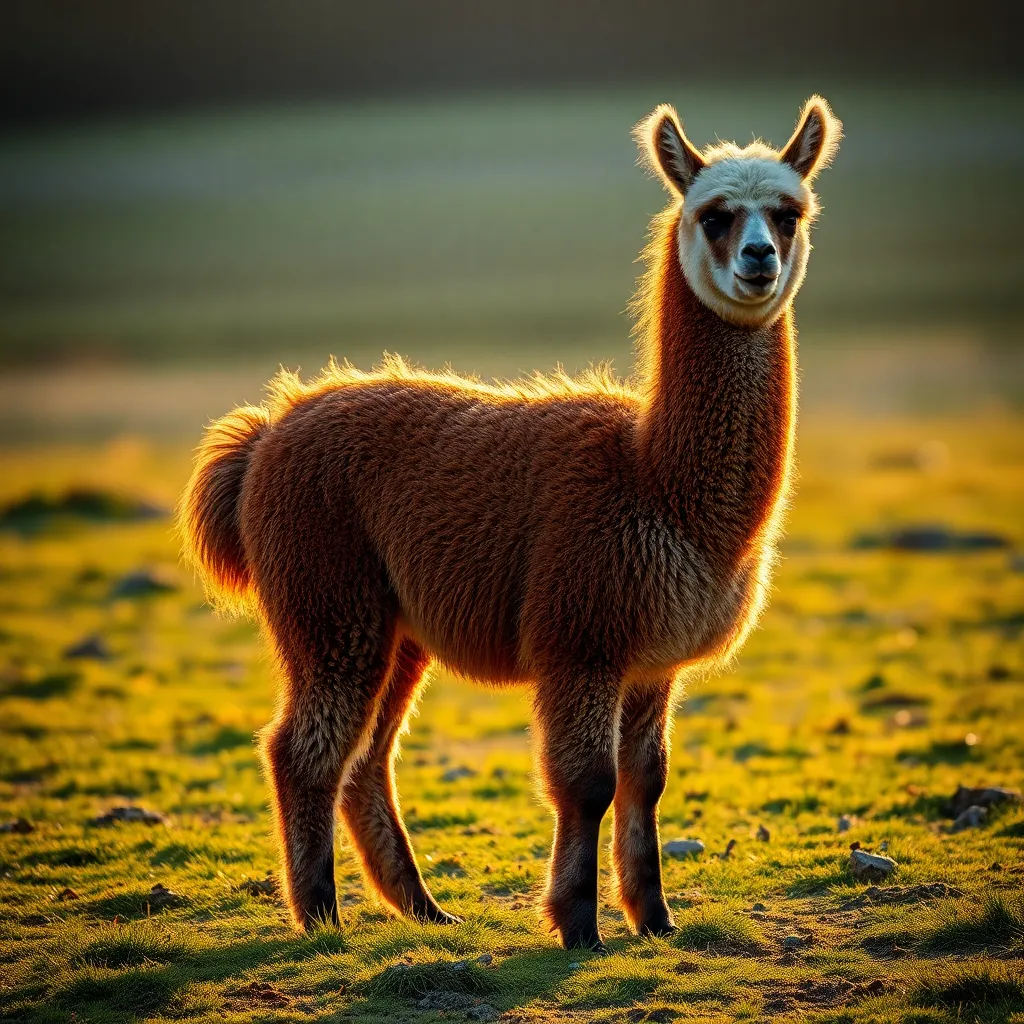
The alpaca is a domesticated South American camelid bred for thousands of years on the Andean altiplano for its extraordinarily fine fiber. Unlike llamas, which serve primarily as pack animals, alpacas were selectively bred purely for textile production, and their fleece was historically reserved for Incan royalty. Alpaca fiber is naturally hypoallergenic, contains no lanolin, and comes in 22 natural colors — a wider natural palette than any other fiber animal.

⚡ Speed Comparison

Human
12 km/h
Car (city)
50 km/h
Horse
54 km/h
Alpaca
56 km/h

💡 Fun Facts

01

Alpaca fiber comes in 22 natural colors — more than any other fiber-producing animal — and is warmer than sheep wool.

02

Alpacas were domesticated from wild vicunas over 6,000 years ago; their fiber was reserved exclusively for Inca royalty.

03

They communicate displeasure by spitting a foul mixture of stomach acid and semi-digested grass with remarkable accuracy.

04

Alpacas have padded feet rather than hooves, which means they cause minimal soil erosion on their sensitive altiplano habitat.

05

A single alpaca's annual fleece can yield enough fiber to produce four to five sweaters.

Unlock Expert Wildlife Facts

Watch a short 15-second video to unlock detailed expert analysis, exclusive wildlife photography, and rare behavioral facts.

📍 Where to Find This Animal

🛒 Alpaca Related Gear

As an Amazon Associate we earn from qualifying purchases.
🗨️

Join the Conversation

Share your thoughts about the Alpaca

✍️

Leave a Comment

Your email address will not be published. Required fields are marked *

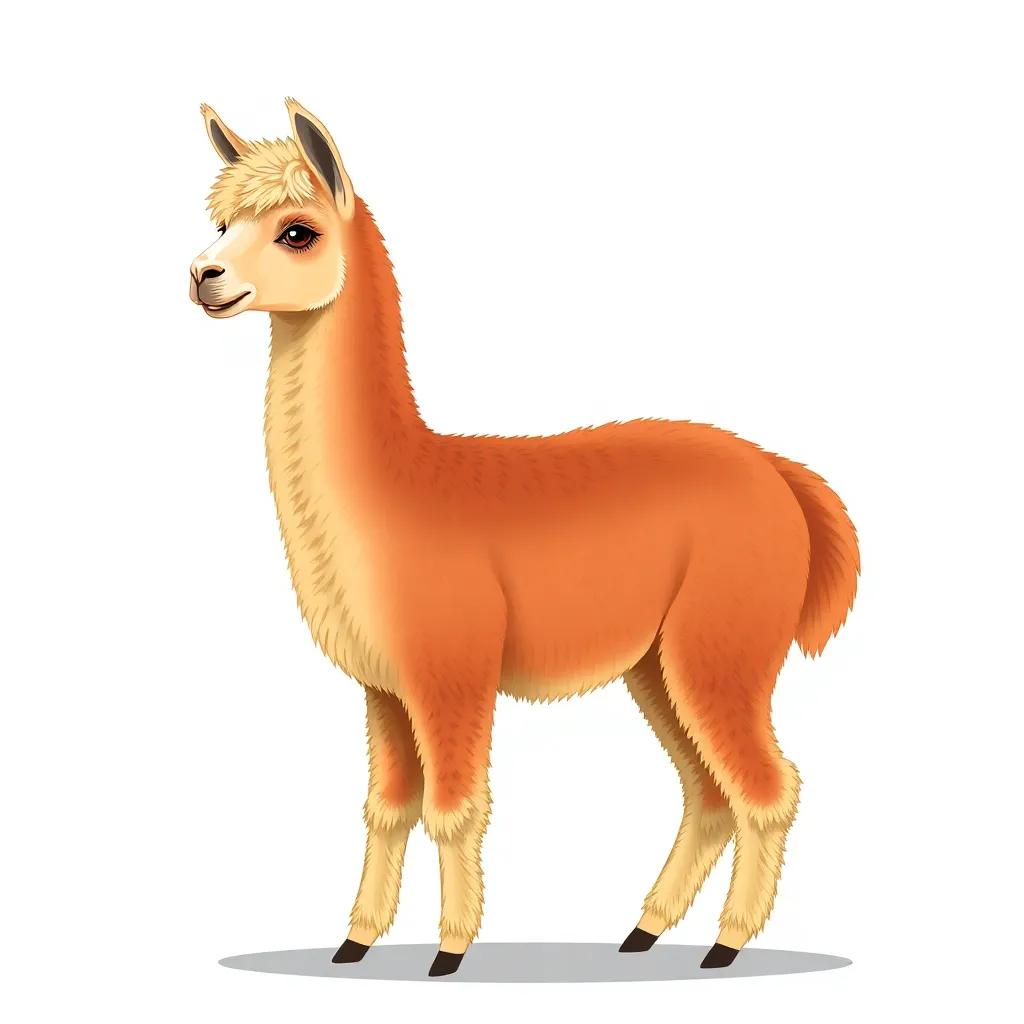
How Big Is a Alpaca?

Side-by-side comparison with an adult human (175 cm)

🧍
Human
175 cm
🦙
Alpaca
65 cm
shoulder height
48–84 BODY WEIGHT
120–145 BODY LENGTH
56 TOP SPEED
15–20 LIFESPAN
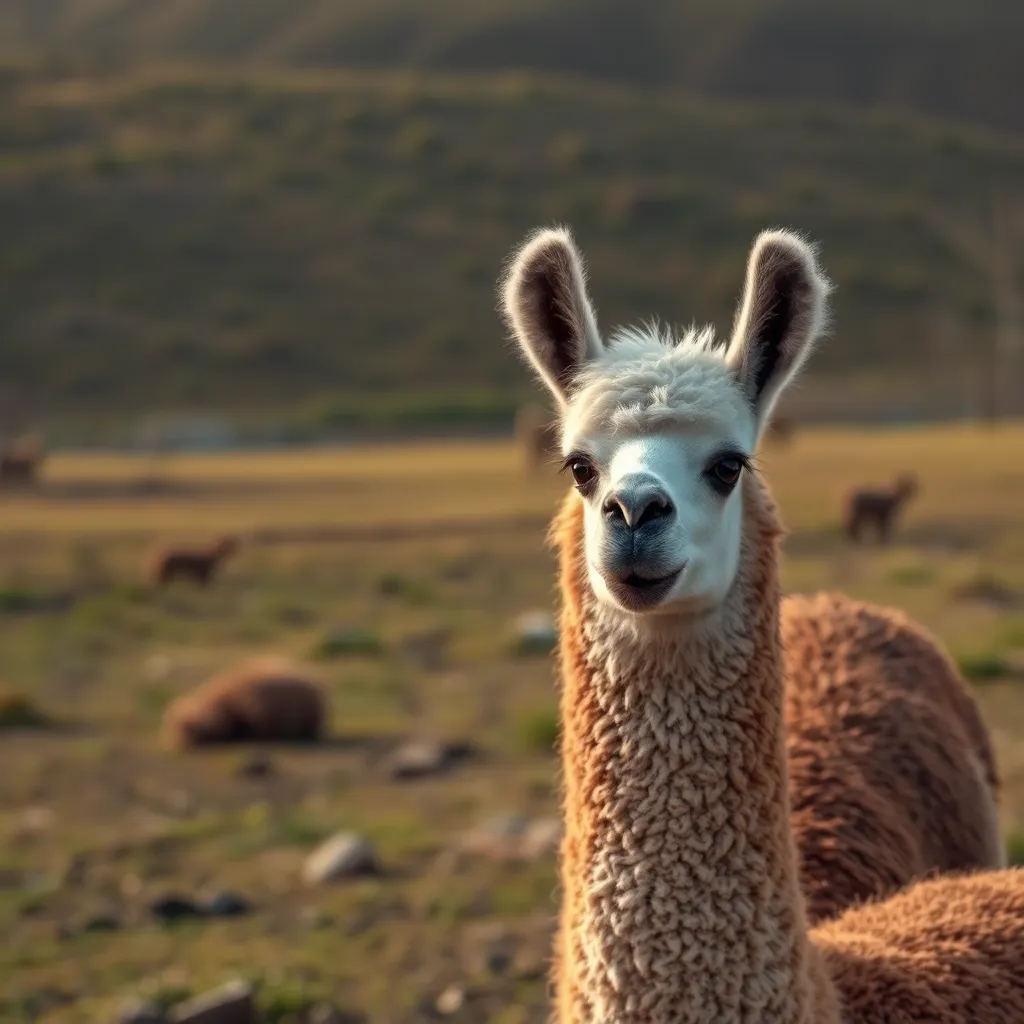
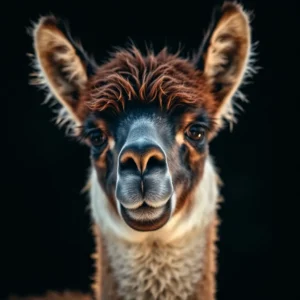
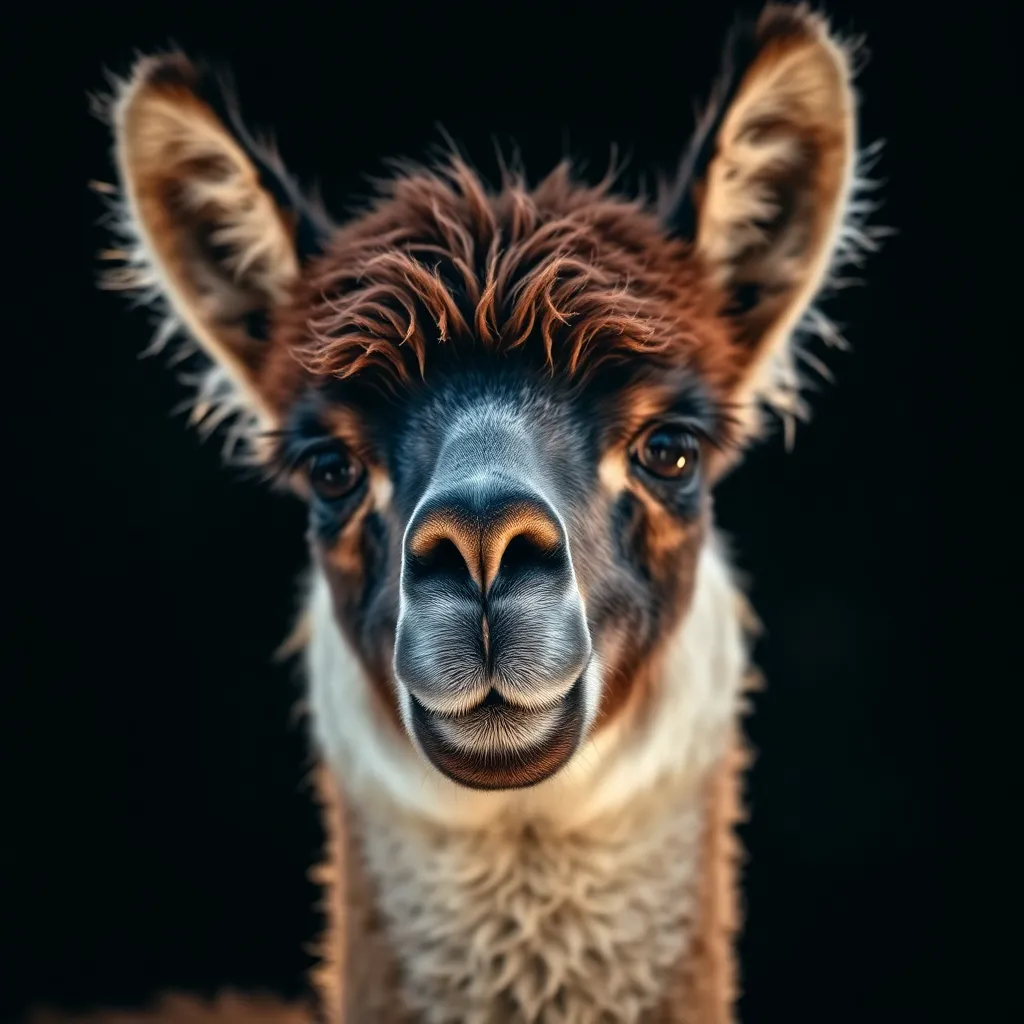
Alpaca close-up
Alpaca

SURVIVAL TOOLKIT

Built for Survival

Nature's engineering refined over millions of years

🔬 SURVIVAL TOOLKIT
Dense Insulating Fleece
01

Dense Insulating Fleece

Hollow fiber microstructure traps air for insulation against Andean nighttime temperatures below -20°C.

High-Altitude Blood
02

High-Altitude Blood

Oval red blood cells and elevated hemoglobin concentration maximize oxygen uptake at altitudes exceeding 4,500 m.

Continuous-Growth Incisors
03

Continuous-Growth Incisors

Ever-growing lower incisors against a hard dental pad efficiently crop tough altiplano grasses without damaging plant roots.

Water-Efficient Digestion
04

Water-Efficient Digestion

Three-chambered stomach extracts maximum nutrition and water from sparse, low-quality highland vegetation.

Padded Feet
05

Padded Feet

Two-toed feet with soft leathery pads rather than hooves provide grip on rocky slopes and minimize erosion.

Cloud Weaver of the Andes. An extraordinary creature that reminds us what we stand to lose.

Jungal Safari · Wildlife Network
💡

Did You Know?

Alpaca fiber comes in 22 natural colors — more than any other fiber-producing animal — and is warmer than sheep wool.

🍖 DIET: HERBIVORE

What Does the Alpaca Eat?

🌾
Altiplano Grasses
🌿
Shrubs & Sedges
🍃
Hay & Forbs
🌱
Lichens & Mosses
🗺️ GEOGRAPHIC RANGE

Where Do Alpacas Live?

🌍
Continents
📈
Population Trend Increasing

Conservation in Action

How You Can Help the Alpaca

Small actions, taken together, can reverse the decline of species like this one

🌳
Protect Habitat

Support wildlife reserves and protected land corridors

🚫
Stop Poaching

Report illegal trade and back anti-poaching patrols

🔬
Fund Research

Camera-trap studies and population monitoring

🤝
Community Work

Partner with local herders to reduce conflict

📢
Raise Awareness

Educate and inspire future wildlife champions

"Without urgent action, the Alpaca could disappear from the wild within our lifetime."

PROTECT THEM. PRESERVE THEIR LEGACY.

The Alpaca's Future
Is In Our Hands

Every share, every donation, every voice raised — makes a difference for wildlife conservation.

🌳Protect Habitat
📢Raise Awareness
💰Fund Research
🤝Community Work
🚫Stop Poaching

"Protect Wildlife. Preserve Our Planet."

Every species matters. Every action counts.

Advertisement