Loading Wildlife…

Psittacidae LC

THE

LOVEBIRD

Tiny Heart of the Savanna

Agapornis roseicollis

Africa
CLASS Aves FAMILY Psittacidae GENUS Agapornis
56 km/h
Top Speed
⚖️
40-60 g kg
Max Weight
📏
17-18 cm
Body Length
🕰️
10-15 years
Lifespan
🍖
Granivore
Diet Type

IUCN Red List — Where this species stands

LC Least Concern
NT Near Threatened
VU Vulnerable
EN Endangered
CR Critical
EW Extinct Wild
EX Extinct

About the Lovebird

Agapornis roseicollis

Advertisement

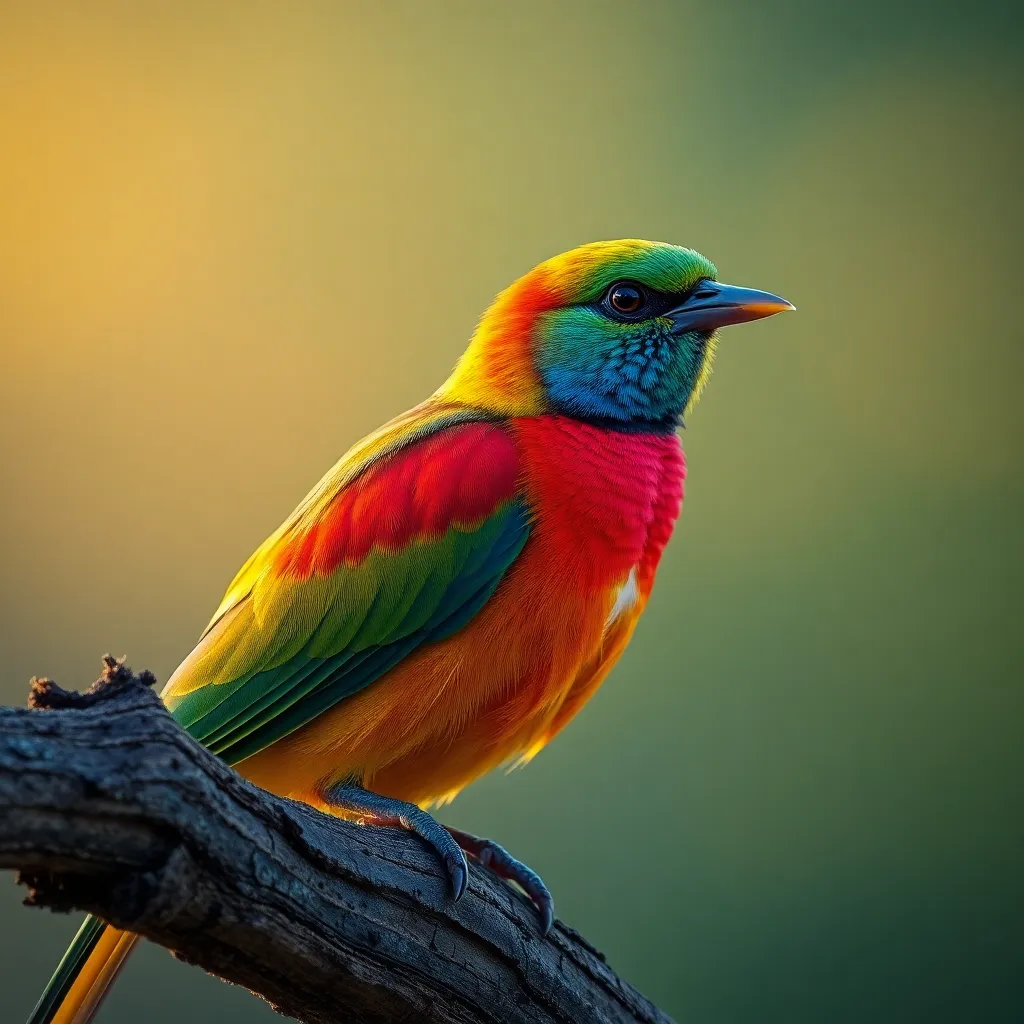
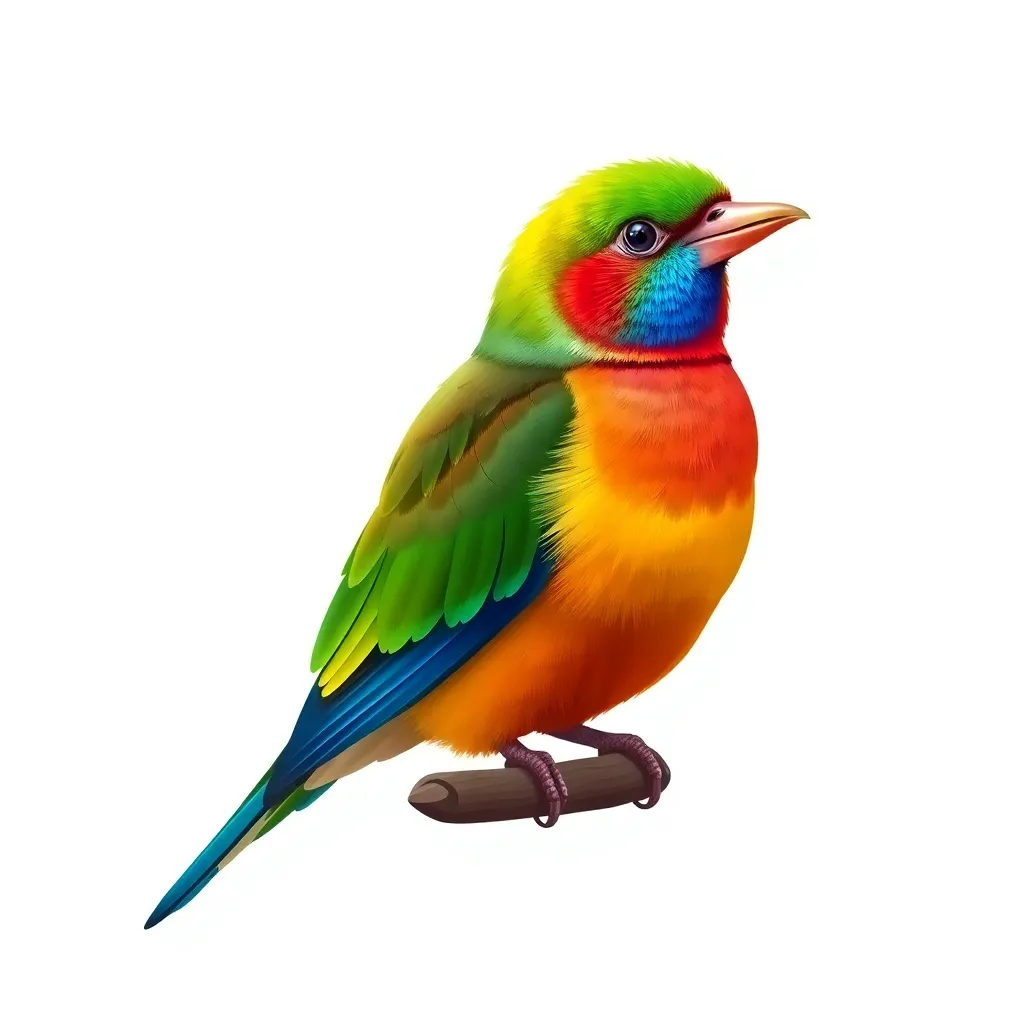
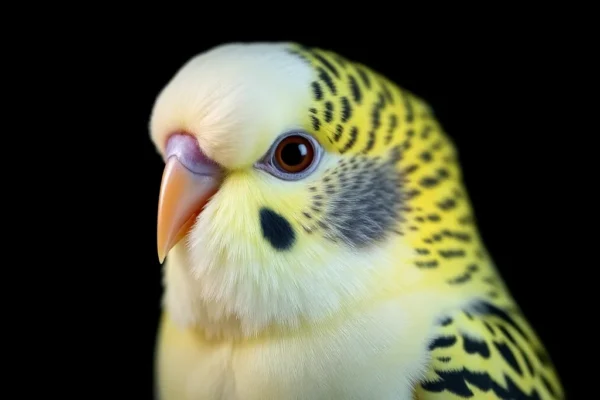
The rosy-faced lovebird is a small, vibrantly colored parrot native to the arid regions of southwestern Africa. These highly social birds form long-term monogamous pair bonds and spend hours preening each other, a behavior that gave the genus its evocative common name. Unlike most parrots that carry nesting material in their bills, the female lovebird tucks strips of bark and leaves into the feathers of her rump to transport them to the nest.

⚡ Speed Comparison

Human
12 km/h
Car (city)
50 km/h
Horse
54 km/h
Lovebird
56 km/h

💡 Fun Facts

01

Female lovebirds tuck nesting material into their rump feathers — a unique nest-carrying behavior not seen in closely related parrots.

02

Lovebirds can recognize their mate's individual call out of hundreds in a large flock.

03

Pairs that are separated show behavioral signs of stress consistent with grief, including reduced appetite and lethargy.

04

Their beak can exert up to three times their body weight in force, allowing them to crack hard seeds that other small birds cannot open.

05

In captivity, lovebirds have been documented engaging in collaborative problem-solving to obtain food rewards.

Unlock Expert Wildlife Facts

Watch a short 15-second video to unlock detailed expert analysis, exclusive wildlife photography, and rare behavioral facts.

📍 Where to Find This Animal

🛒 Lovebird Related Gear

As an Amazon Associate we earn from qualifying purchases.
🗨️

Join the Conversation

Share your thoughts about the Lovebird

✍️

Leave a Comment

Your email address will not be published. Required fields are marked *

How Big Is a Lovebird?

Side-by-side comparison with an adult human (175 cm)

🧍
Human
175 cm
🦜
Lovebird
65 cm
shoulder height
40-60 BODY WEIGHT
17-18 BODY LENGTH
56 TOP SPEED
10-15 LIFESPAN
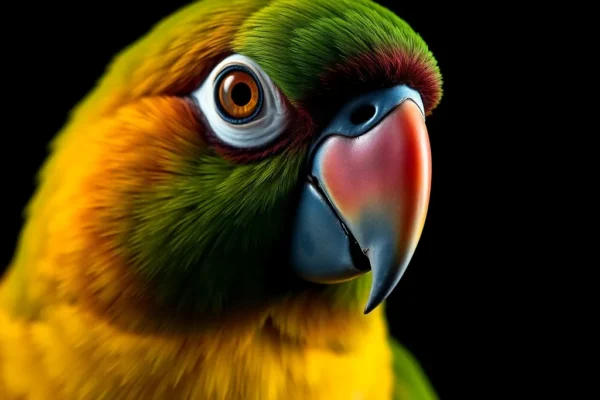
Lovebird close-up
Lovebird

SURVIVAL TOOLKIT

Built for Survival

Nature's engineering refined over millions of years

🔬 SURVIVAL TOOLKIT
Pair Bonding
01

Pair Bonding

Long-term monogamous bonds reduce stress hormones and improve reproductive success through cooperative chick rearing.

Water Conservation
02

Water Conservation

Physiologically adapted to arid environments, obtaining much of their moisture from succulent food items.

Strong Hooked Bill
03

Strong Hooked Bill

Powerful, curved beak cracks hard seed husks and grips branches securely during feeding and climbing.

Bright Plumage
04

Bright Plumage

Vivid green and rosy-pink coloration serves as species recognition and pair quality signaling in the flock.

Rump Feather Pockets
05

Rump Feather Pockets

Females uniquely tuck nesting strips into back feathers, freeing the bill for flight and other tasks during nest building.

Tiny Heart of the Savanna. An extraordinary creature that reminds us what we stand to lose.

Jungal Safari · Wildlife Network
💡

Did You Know?

Female lovebirds tuck nesting material into their rump feathers — a unique nest-carrying behavior not seen in closely related parrots.

🍖 DIET: GRANIVORE

What Does the Lovebird Eat?

🌾
Grass Seeds
🌻
Millet
🍎
Fruit
🌿
Leaf Buds
🗺️ GEOGRAPHIC RANGE

Where Do Lovebirds Live?

🌍
Continents
➡️
Population Trend Stable

Conservation in Action

How You Can Help the Lovebird

Small actions, taken together, can reverse the decline of species like this one

🌳
Protect Habitat

Support wildlife reserves and protected land corridors

🚫
Stop Poaching

Report illegal trade and back anti-poaching patrols

🔬
Fund Research

Camera-trap studies and population monitoring

🤝
Community Work

Partner with local herders to reduce conflict

📢
Raise Awareness

Educate and inspire future wildlife champions

"Without urgent action, the Lovebird could disappear from the wild within our lifetime."

PROTECT THEM. PRESERVE THEIR LEGACY.

The Lovebird's Future
Is In Our Hands

Every share, every donation, every voice raised — makes a difference for wildlife conservation.

🌳Protect Habitat
📢Raise Awareness
💰Fund Research
🤝Community Work
🚫Stop Poaching

"Protect Wildlife. Preserve Our Planet."

Every species matters. Every action counts.

Advertisement