Loading Wildlife…

Apidae LC

THE

HONEY BEE

Golden Architect of Ecosystems

Apis mellifera

Global
CLASS Insecta FAMILY Apidae GENUS Apis
~24 km/h
Top Speed
⚖️
0.1 g (worker) kg
Max Weight
📏
1.2-1.5 cm
Body Length
🕰️
6 weeks (worker); 3-5 years (queen)
Lifespan
🍖
Nectarivore
Diet Type

IUCN Red List — Where this species stands

LC Least Concern
NT Near Threatened
VU Vulnerable
EN Endangered
CR Critical
EW Extinct Wild
EX Extinct

About the Honey Bee

Apis mellifera

Advertisement

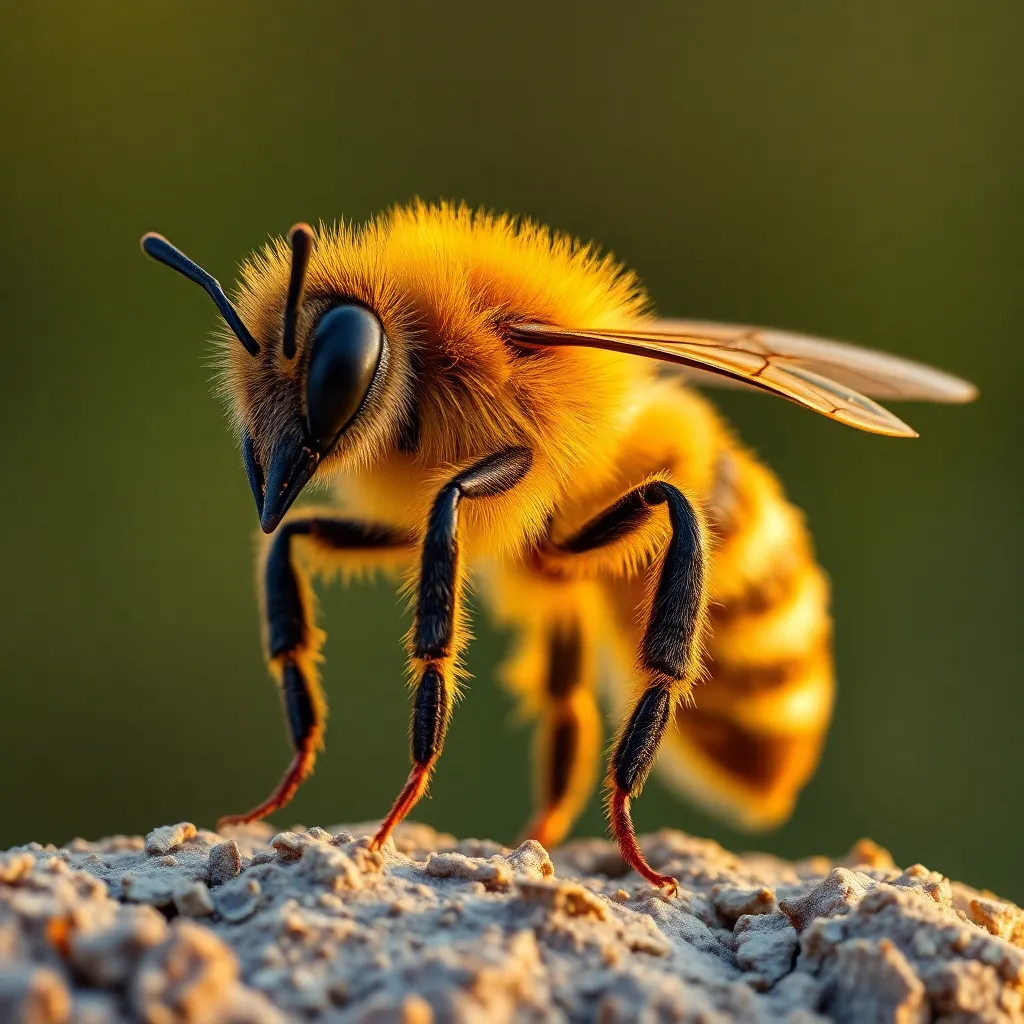
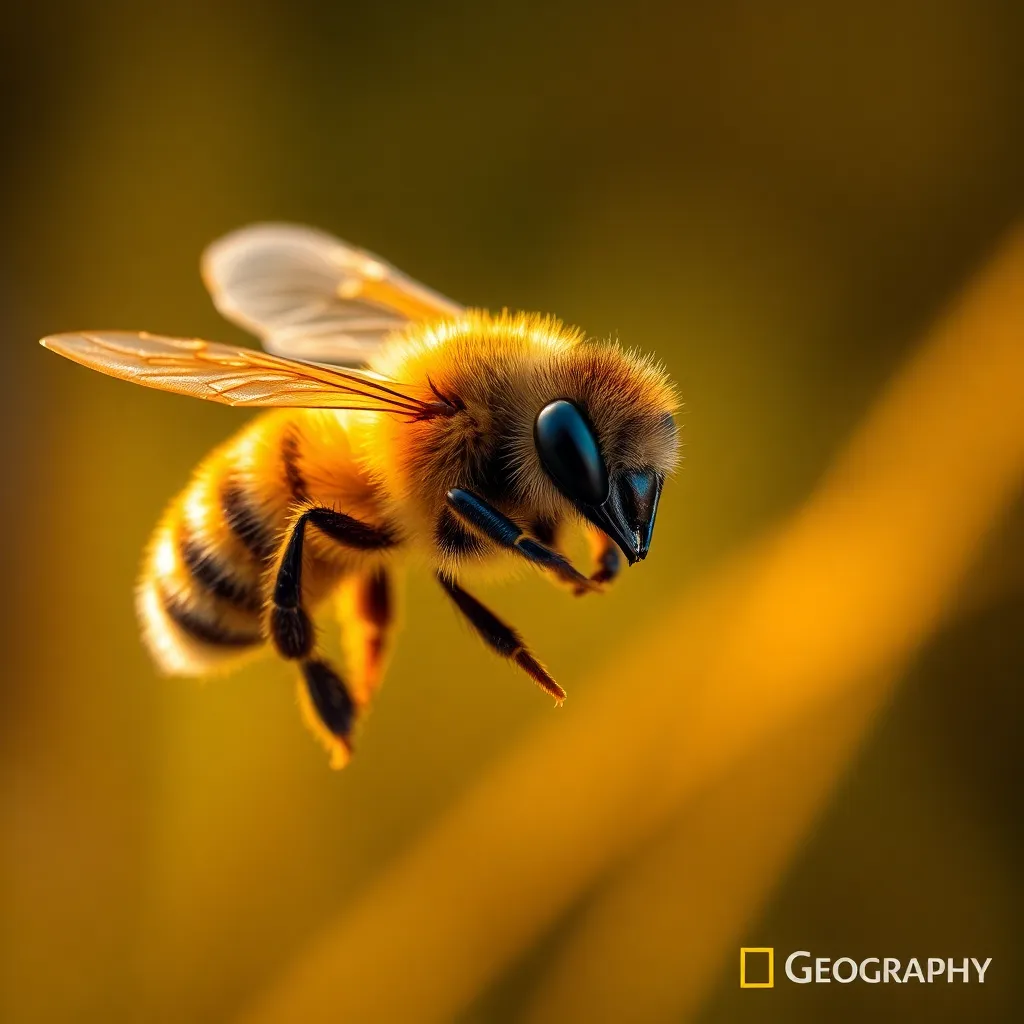
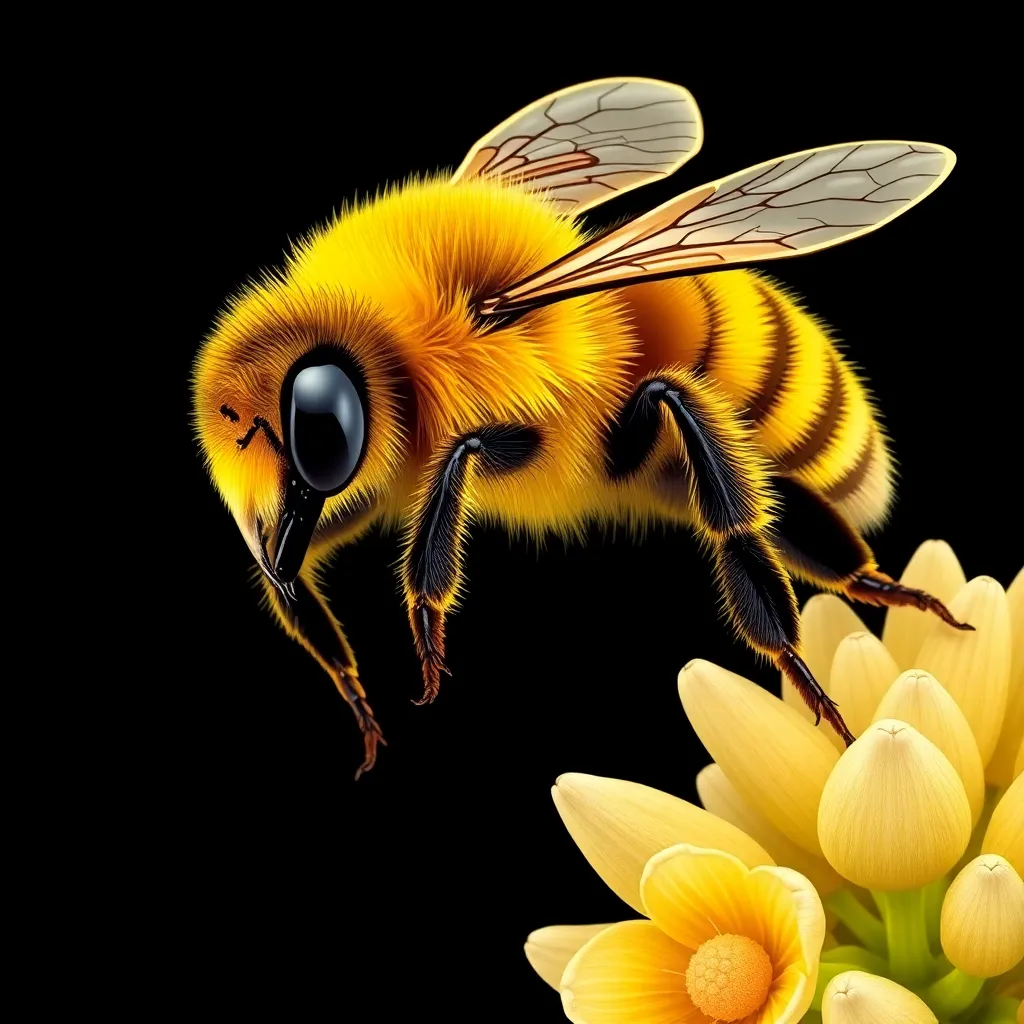
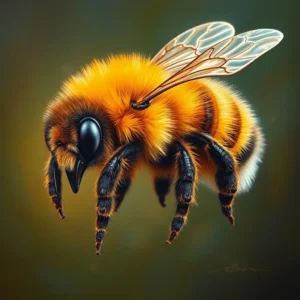
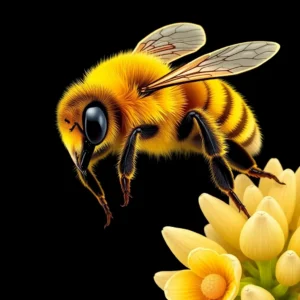
The western honey bee is arguably the world’s most economically important insect, pollinating roughly one-third of all human food crops and producing honey as a storable food source. Living in highly organized colonies of up to 80,000 individuals, honey bees exhibit extraordinary collective intelligence and social behavior governed by pheromone signals and the famous waggle dance. Their decline due to pesticides, pathogens, and habitat loss poses one of the most critical threats to global food security.

⚡ Speed Comparison

Human
12 km/h
Honey Bee
24 km/h
Car (city)
50 km/h
Horse
54 km/h

💡 Fun Facts

01

A single worker bee produces only about 1/12th of a teaspoon of honey in her entire lifetime.

02

The waggle dance is a precise symbolic language that communicates the direction and distance of food sources relative to the sun's position.

03

Honey bees beat their wings approximately 200 times per second, creating their characteristic buzzing sound.

04

A queen bee can lay up to 2,000 eggs per day and is distinguished from workers solely by diet — larvae fed only royal jelly develop into queens.

05

Honey never spoils; archaeologists have found 3,000-year-old honey in Egyptian tombs that was still edible.

Unlock Expert Wildlife Facts

Watch a short 15-second video to unlock detailed expert analysis, exclusive wildlife photography, and rare behavioral facts.

📍 Where to Find This Animal

🛒 Honey Bee Related Gear

As an Amazon Associate we earn from qualifying purchases.

🗨️

Join the Conversation

Share your thoughts about the Honey Bee

✍️

Leave a Comment

Your email address will not be published. Required fields are marked *

How Big Is a Honey Bee?

Side-by-side comparison with an adult human (175 cm)

🧍
Human
175 cm
🐝
Honey Bee
65 cm
shoulder height
0.1 BODY WEIGHT
1.2-1.5 BODY LENGTH
~24 TOP SPEED
6 LIFESPAN
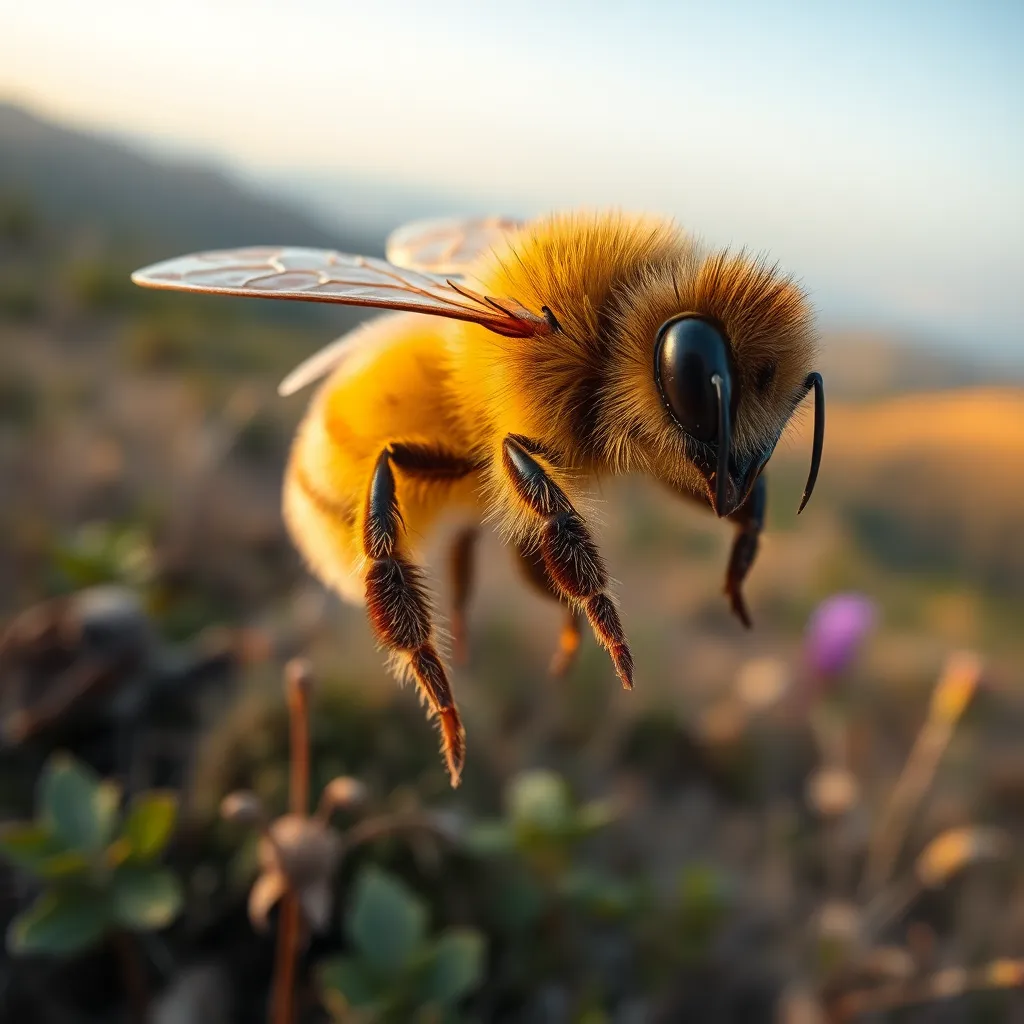
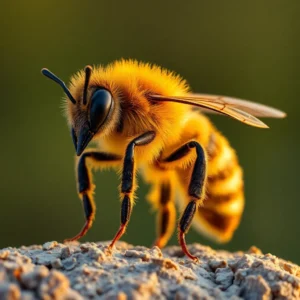
Honey Bee close-up
Honey Bee

SURVIVAL TOOLKIT

Built for Survival

Nature's engineering refined over millions of years

🔬 SURVIVAL TOOLKIT
Pollen Baskets
01

Pollen Baskets

Specialized hind-leg structures called corbiculae collect and carry pollen loads weighing up to 35% of the bee's body weight.

Waggle Dance Navigation
02

Waggle Dance Navigation

A figure-eight dance on the comb encodes the angle and distance to food sources with remarkable precision up to 14 km away.

Compound Eyes + UV Vision
03

Compound Eyes + UV Vision

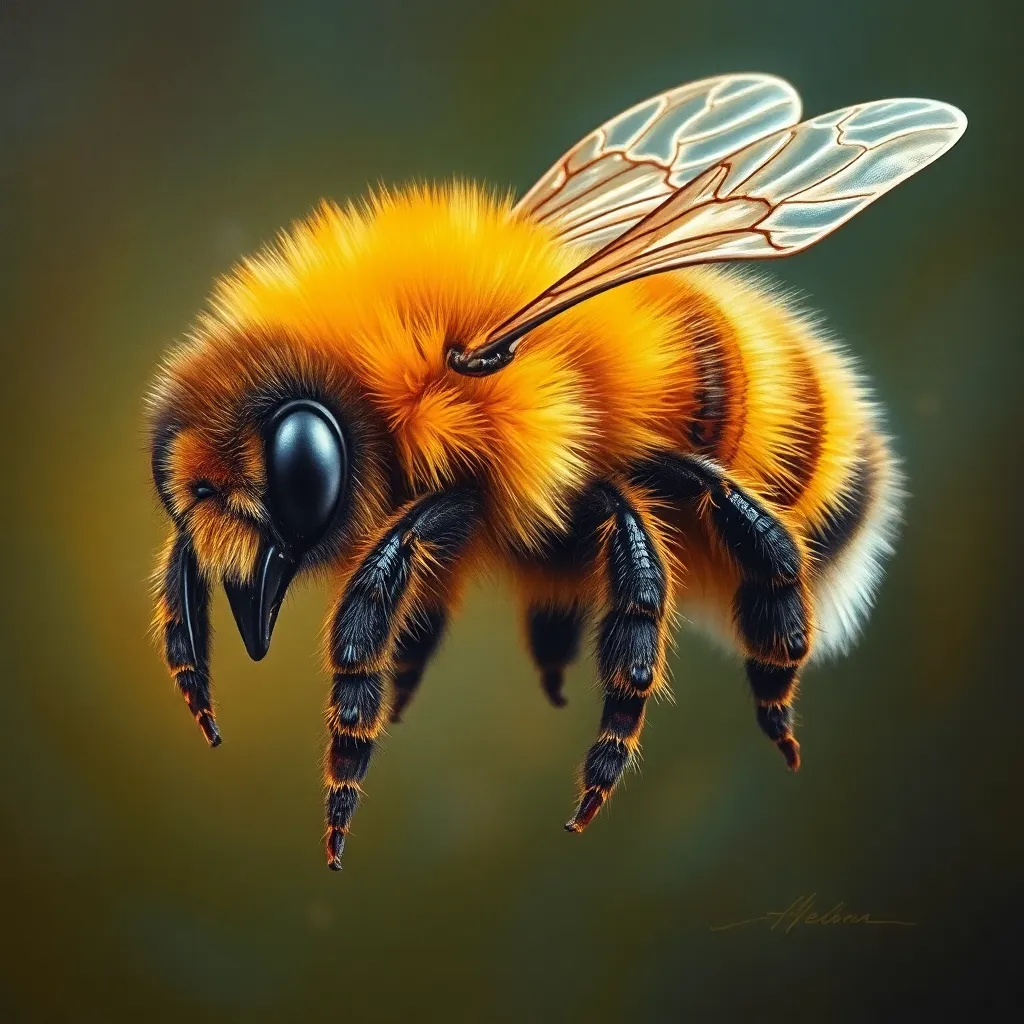
Five eyes, including two large compound eyes sensitive to ultraviolet light, allow bees to detect flower patterns invisible to humans.

Barbed Stinger Defense
04

Barbed Stinger Defense

Worker bees sacrifice their lives stinging threats; the barbed stinger tears out, continuing to pump venom and release alarm pheromones.

Colony Thermoregulation
05

Colony Thermoregulation

Bees fan wings or form tight clusters to maintain hive temperature within 1°C of 35°C regardless of external conditions.

Honey Production
06

Honey Production

Bees convert nectar into honey by enzymatic digestion and evaporation, creating a low-moisture, antimicrobial long-term food store.

Golden Architect of Ecosystems. An extraordinary creature that reminds us what we stand to lose.

Jungal Safari · Wildlife Network
💡

Did You Know?

A single worker bee produces only about 1/12th of a teaspoon of honey in her entire lifetime.

🍖 DIET: NECTARIVORE

What Does the Honey Bee Eat?

🌸
Flower nectar
🌼
Pollen
💧
Water
🍯
Stored honey (winter)
🗺️ GEOGRAPHIC RANGE

Where Do Honey Bees Live?

🌍
Continents
📉
Population Trend Declining

Conservation in Action

How You Can Help the Honey Bee

Small actions, taken together, can reverse the decline of species like this one

🌳
Protect Habitat

Support wildlife reserves and protected land corridors

🚫
Stop Poaching

Report illegal trade and back anti-poaching patrols

🔬
Fund Research

Camera-trap studies and population monitoring

🤝
Community Work

Partner with local herders to reduce conflict

📢
Raise Awareness

Educate and inspire future wildlife champions

"Without urgent action, the Honey Bee could disappear from the wild within our lifetime."

PROTECT THEM. PRESERVE THEIR LEGACY.

The Honey Bee's Future
Is In Our Hands

Every share, every donation, every voice raised — makes a difference for wildlife conservation.

🌳Protect Habitat
📢Raise Awareness
💰Fund Research
🤝Community Work
🚫Stop Poaching

"Protect Wildlife. Preserve Our Planet."

Every species matters. Every action counts.

Advertisement