Loading Wildlife…

Bovidae LC

THE

IMPALA

Sprinter of the African Savanna

Aepyceros melampus

Africa
CLASS Mammalia FAMILY Bovidae GENUS Aepyceros
~90 km/h
Top Speed
⚖️
40-80 kg
Max Weight
📏
1.2-1.6 m
Body Length
🕰️
12-15 years
Lifespan
🍖
Herbivore
Diet Type

IUCN Red List — Where this species stands

LC Least Concern
NT Near Threatened
VU Vulnerable
EN Endangered
CR Critical
EW Extinct Wild
EX Extinct

About the Impala

Aepyceros melampus

Advertisement

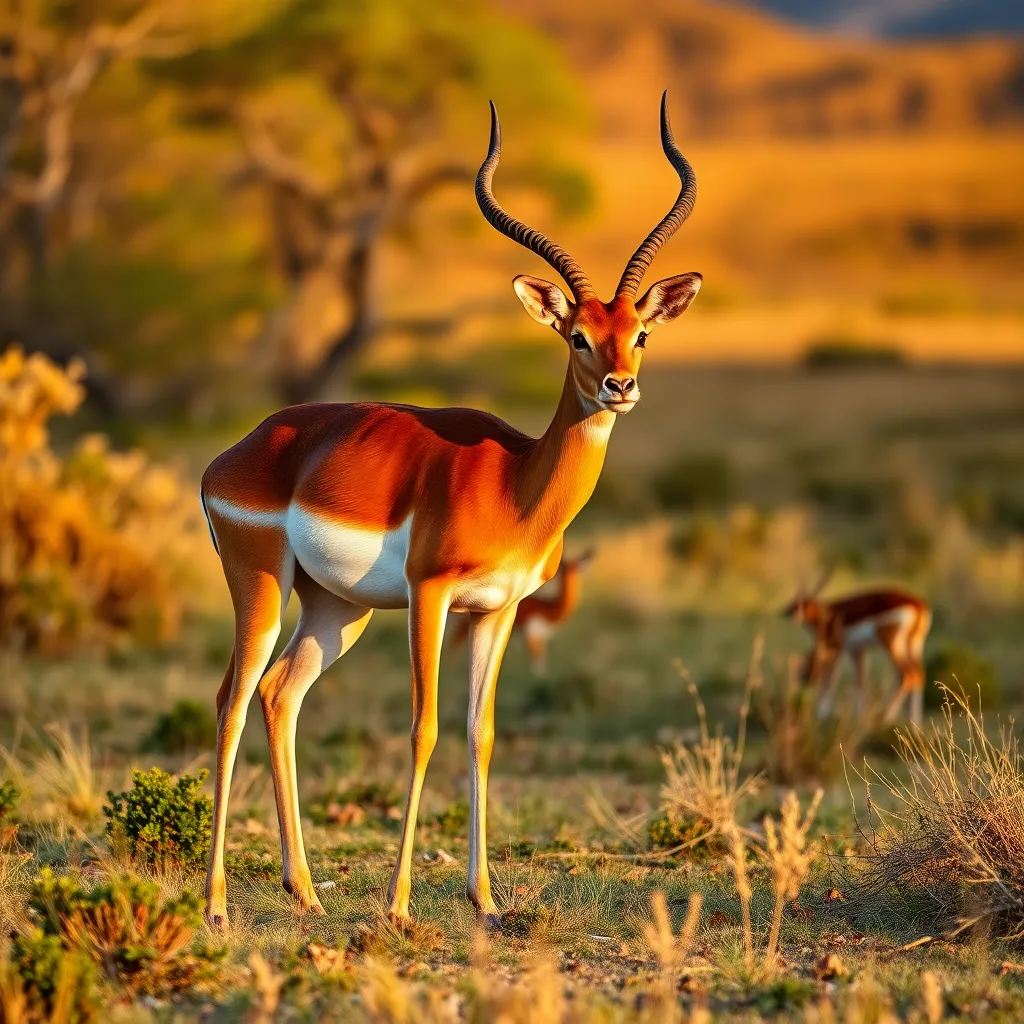
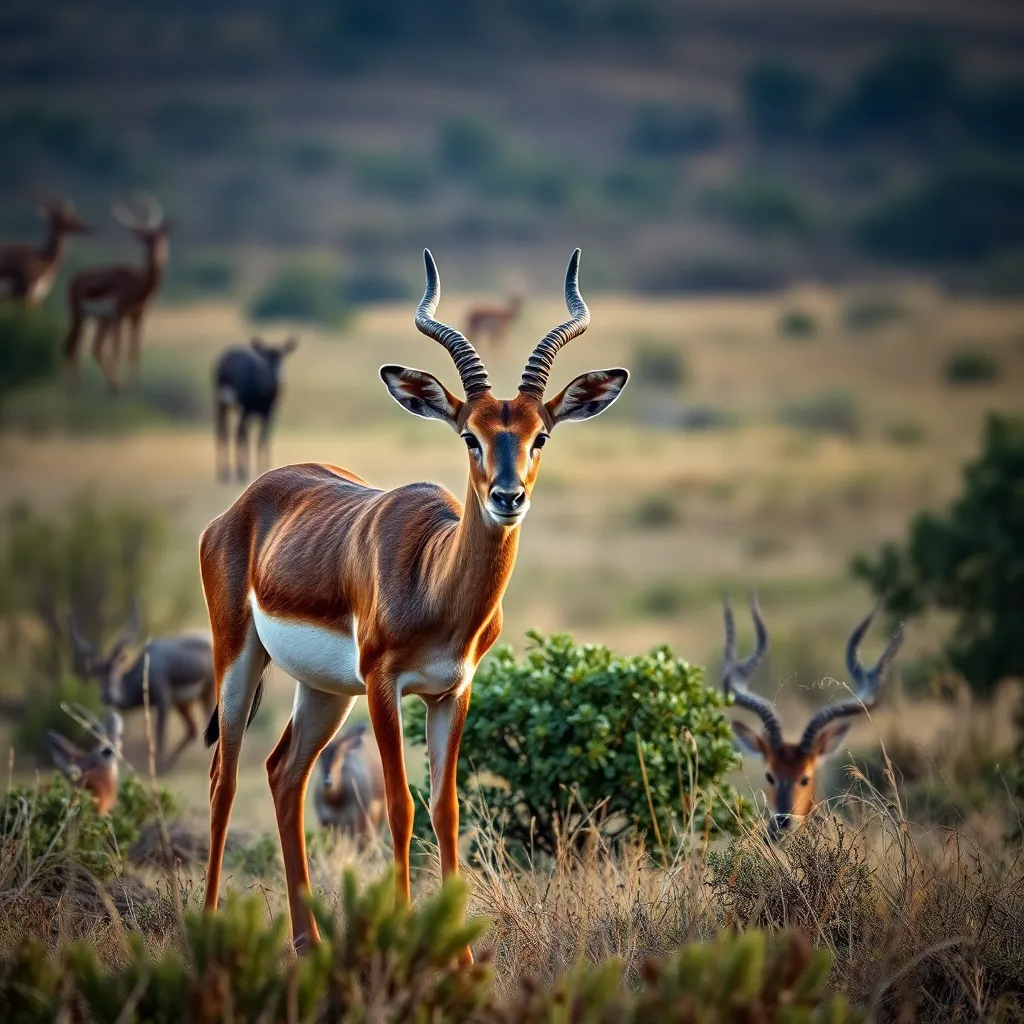
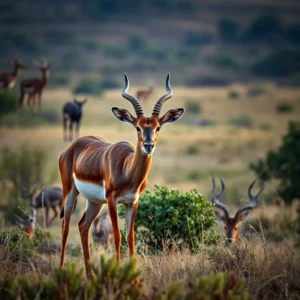
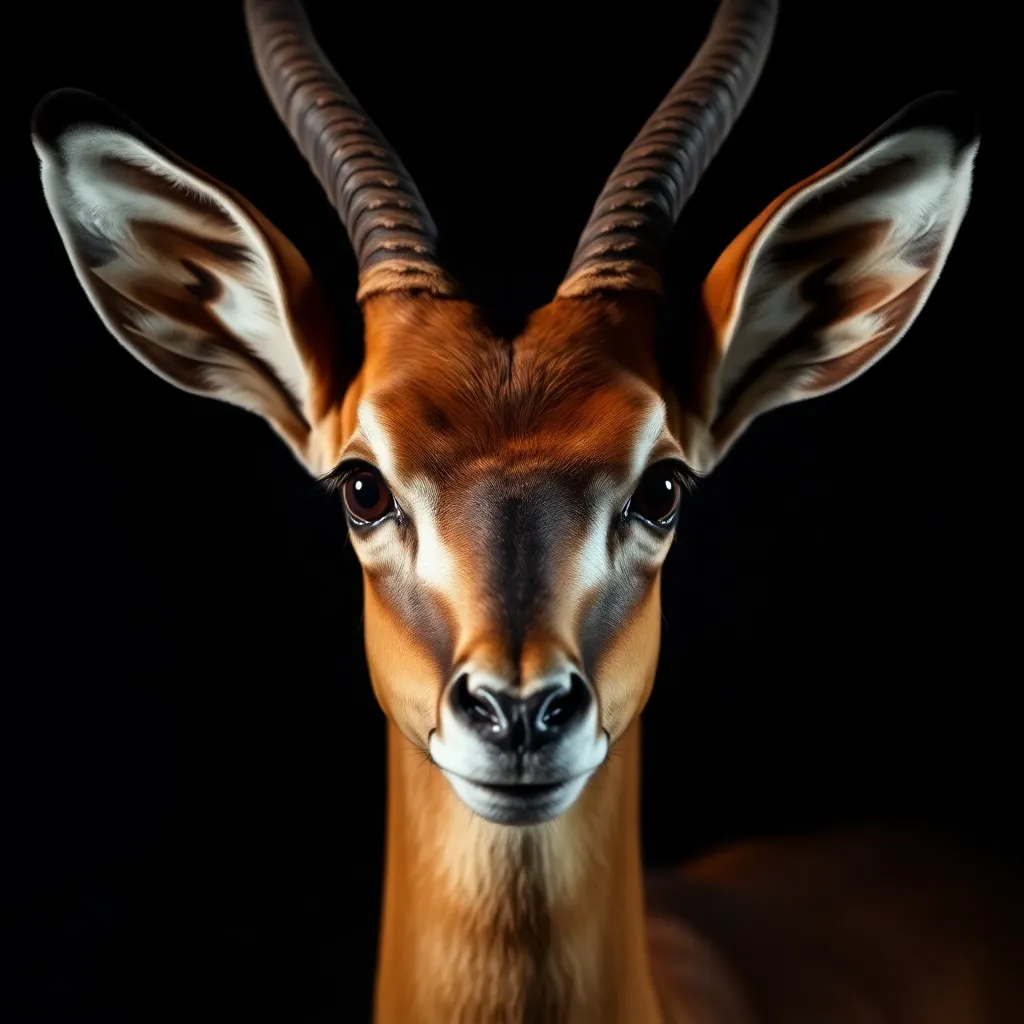
The impala is one of Africa’s most numerous and graceful antelopes, inhabiting savanna and open woodland across eastern and southern Africa. Renowned for its explosive speed and spectacular leaping ability, an impala can jump over 3 meters high and 10 meters in horizontal distance, making it one of the most agile prey animals on the continent. Males grow elegant lyre-shaped horns and maintain harems during the rut through dramatic roaring and ritualized sparring.

⚡ Speed Comparison

Human
12 km/h
Car (city)
50 km/h
Horse
54 km/h
Impala
90 km/h

💡 Fun Facts

01

Impalas can leap over 3 meters vertically and 10 meters horizontally in a single bound, often jumping for no apparent reason — believed to confuse predators.

02

Their black leg stripes contain scent glands that release alarm pheromones when fleeing, alerting the entire herd to danger.

03

Impalas are one of the few African antelopes that can switch between grazing and browsing depending on seasonal food availability.

04

A unique gland between the hind hooves releases a scent trail that keeps scattered herds cohesive during high-speed predator chases.

05

Male impalas produce a roar during the rut that resembles a lion's call, audible over 2 km away, to advertise dominance to rivals.

Unlock Expert Wildlife Facts

Watch a short 15-second video to unlock detailed expert analysis, exclusive wildlife photography, and rare behavioral facts.

📍 Where to Find This Animal

Habitat Types: Savanna & Woodland

🛒 Impala Related Gear

As an Amazon Associate we earn from qualifying purchases.
🗨️

Join the Conversation

Share your thoughts about the Impala

✍️

Leave a Comment

Your email address will not be published. Required fields are marked *

How Big Is a Impala?

Side-by-side comparison with an adult human (175 cm)

🧍
Human
175 cm
🦌
Impala
65 cm
shoulder height
40-80 BODY WEIGHT
1.2-1.6 BODY LENGTH
~90 TOP SPEED
12-15 LIFESPAN
Impala close-up
Impala

SURVIVAL TOOLKIT

Built for Survival

Nature's engineering refined over millions of years

🔬 SURVIVAL TOOLKIT
Explosive Acceleration
01

Explosive Acceleration

Powerful hindquarters and long legs generate bursts of speed up to 90 km/h and agile direction changes to outrun cheetahs and wild dogs.

Stotting Leaps
02

Stotting Leaps

Random high bouncing leaps during escape confuse predators' targeting algorithms and signal individual fitness to deter pursuit.

Pedal Scent Glands
03

Pedal Scent Glands

Metatarsal and sebaceous glands on the legs deposit chemical alarm signals that persist on the ground and alert following group members.

Mixed Feeding Strategy
04

Mixed Feeding Strategy

The ability to shift between grazing grasses and browsing shrubs allows impalas to thrive year-round despite seasonal vegetation changes.

Rotatable Ears
05

Rotatable Ears

Independently rotating large ears scan 360 degrees for predator sounds while the animal grazes with eyes focused on vegetation.

Sprinter of the African Savanna. An extraordinary creature that reminds us what we stand to lose.

Jungal Safari · Wildlife Network
💡

Did You Know?

Impalas can leap over 3 meters vertically and 10 meters horizontally in a single bound, often jumping for no apparent reason — believed to confuse predators.

🍖 DIET: HERBIVORE

What Does the Impala Eat?

🌾
Grasses
🍃
Leaves & browse
🌿
Herbs & forbs
🫘
Seedpods & fruit
🗺️ GEOGRAPHIC RANGE

Where Do Impalas Live?

🌍
Continents
➡️
Population Trend Stable

Conservation in Action

How You Can Help the Impala

Small actions, taken together, can reverse the decline of species like this one

🌳
Protect Habitat

Support wildlife reserves and protected land corridors

🚫
Stop Poaching

Report illegal trade and back anti-poaching patrols

🔬
Fund Research

Camera-trap studies and population monitoring

🤝
Community Work

Partner with local herders to reduce conflict

📢
Raise Awareness

Educate and inspire future wildlife champions

"Without urgent action, the Impala could disappear from the wild within our lifetime."

PROTECT THEM. PRESERVE THEIR LEGACY.

The Impala's Future
Is In Our Hands

Every share, every donation, every voice raised — makes a difference for wildlife conservation.

🌳Protect Habitat
📢Raise Awareness
💰Fund Research
🤝Community Work
🚫Stop Poaching

"Protect Wildlife. Preserve Our Planet."

Every species matters. Every action counts.

Advertisement