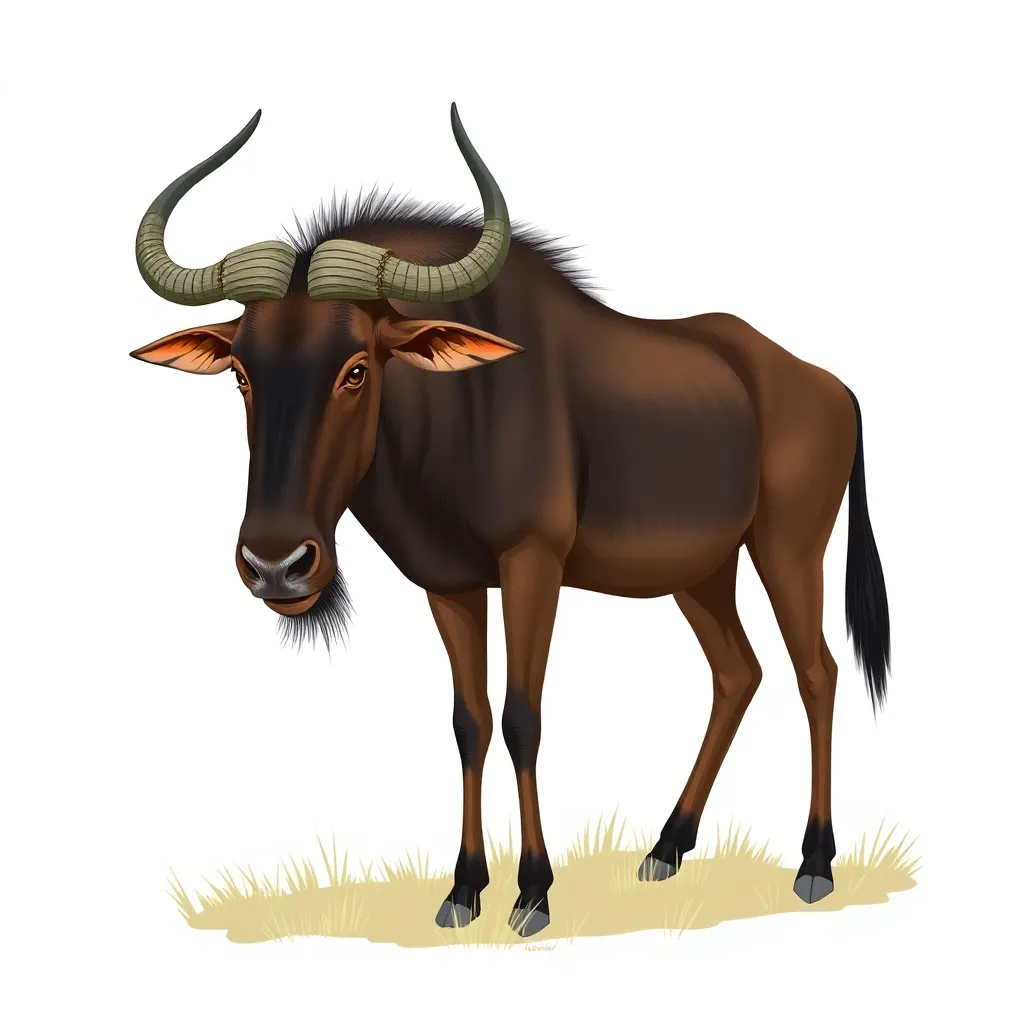
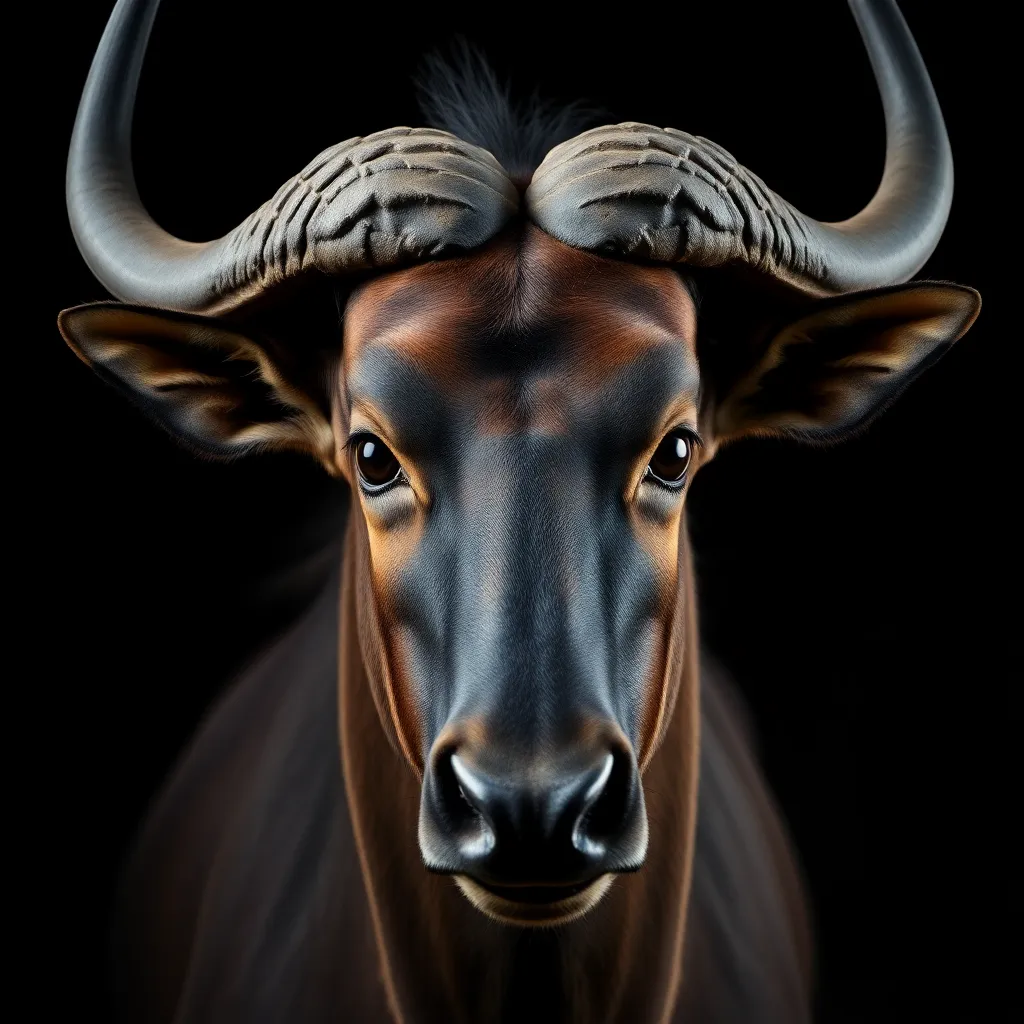
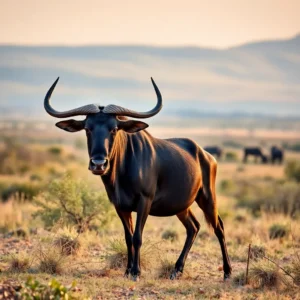
The blue wildebeest is the iconic species of the Serengeti ecosystem, famous for participating in the largest terrestrial mammal migration on Earth. More than 1.5 million wildebeest travel in a great circuit across Tanzania and Kenya each year, following seasonal rains and fresh grass. This migration is so ecologically transformative that it shapes the vegetation, predator populations, and even the course of rivers across the region.
About the Wildebeest
Connochaetes taurinus
Advertisement
⚡ Speed Comparison
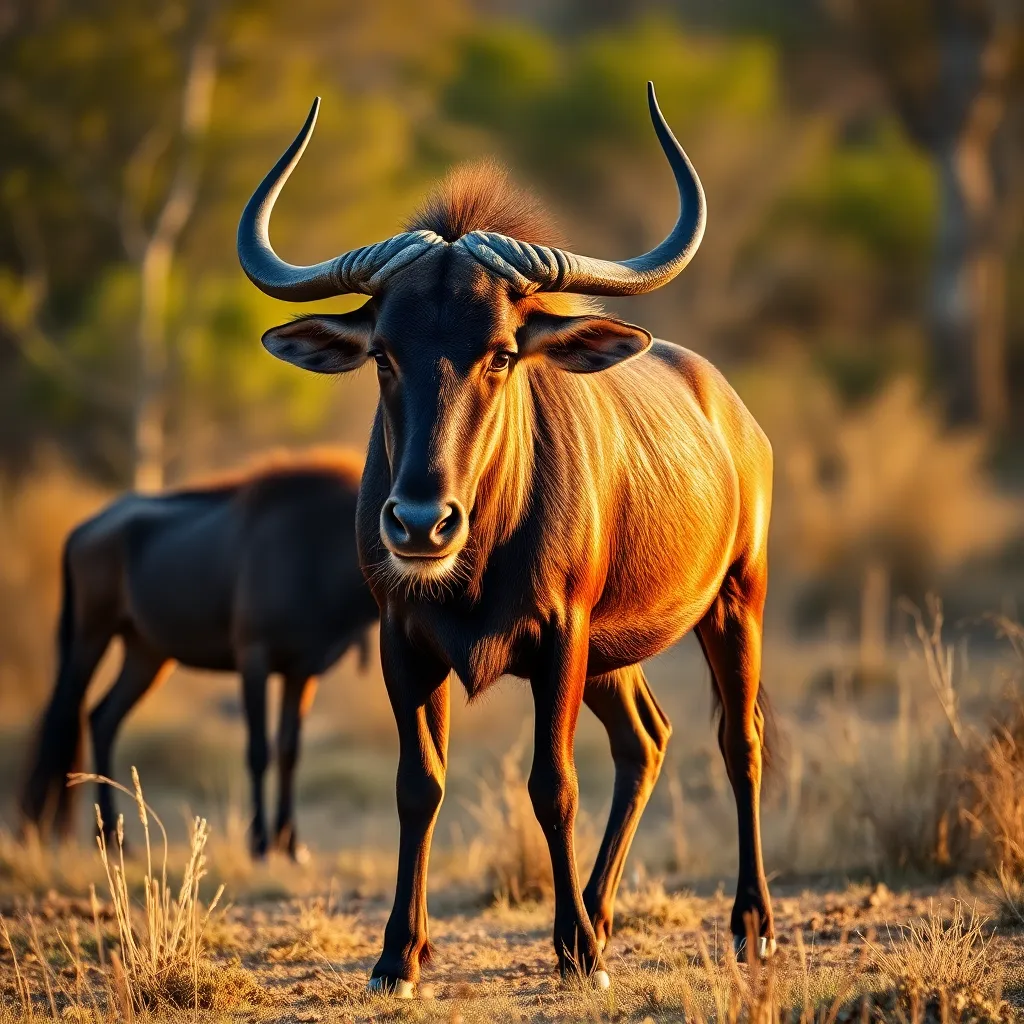
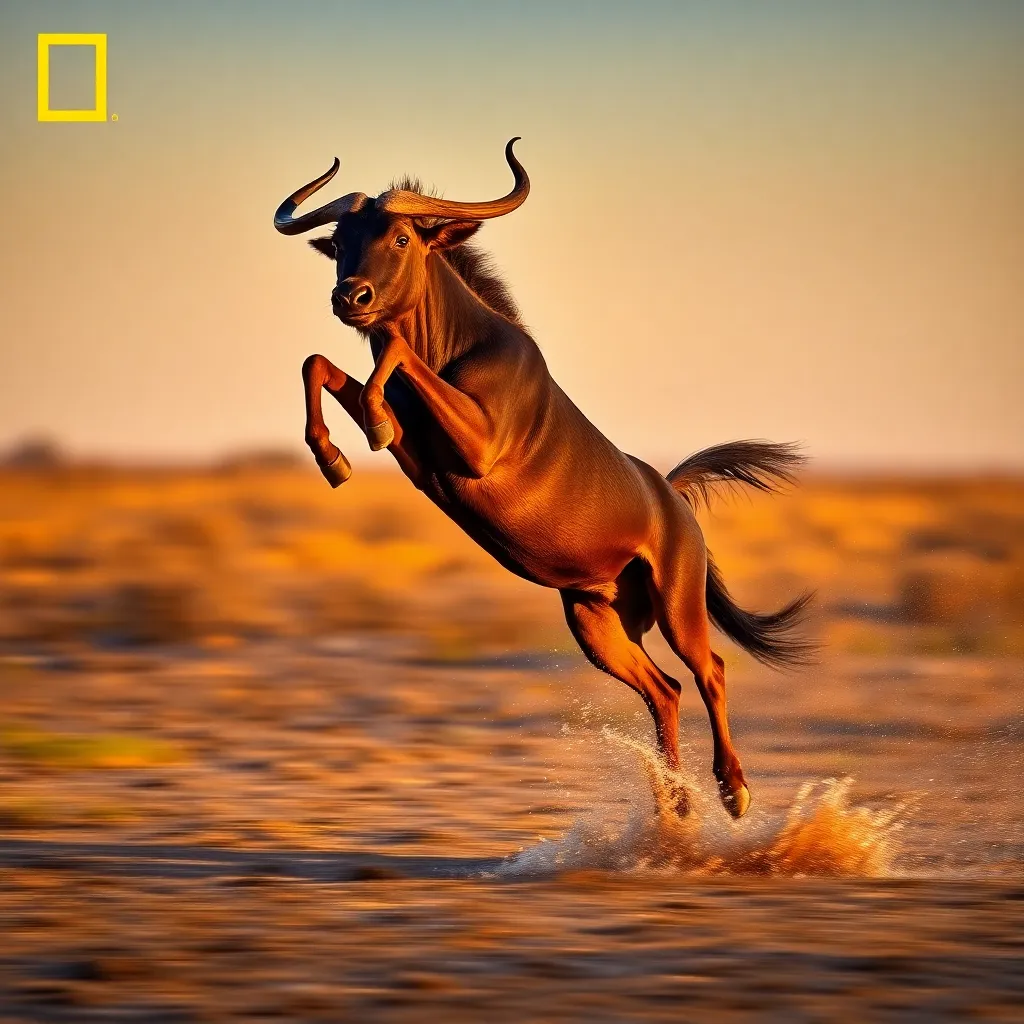
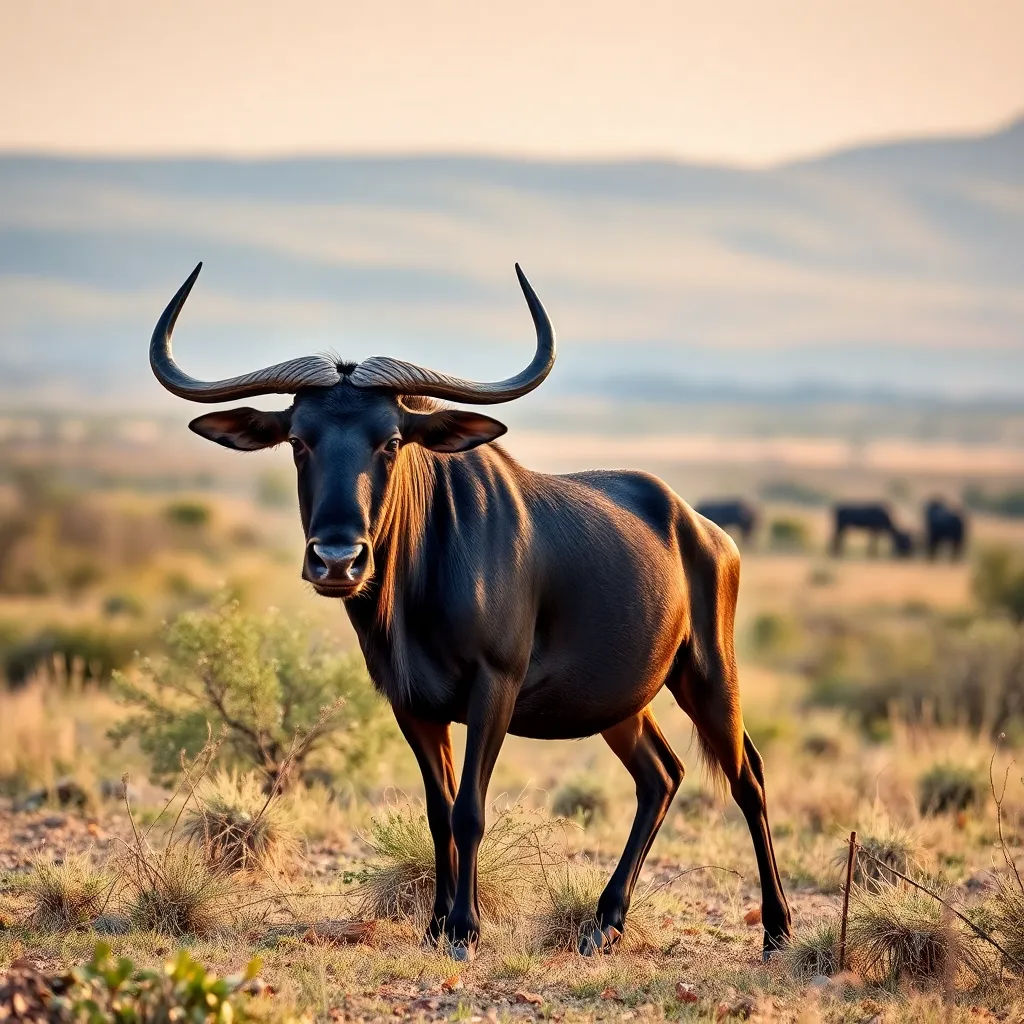
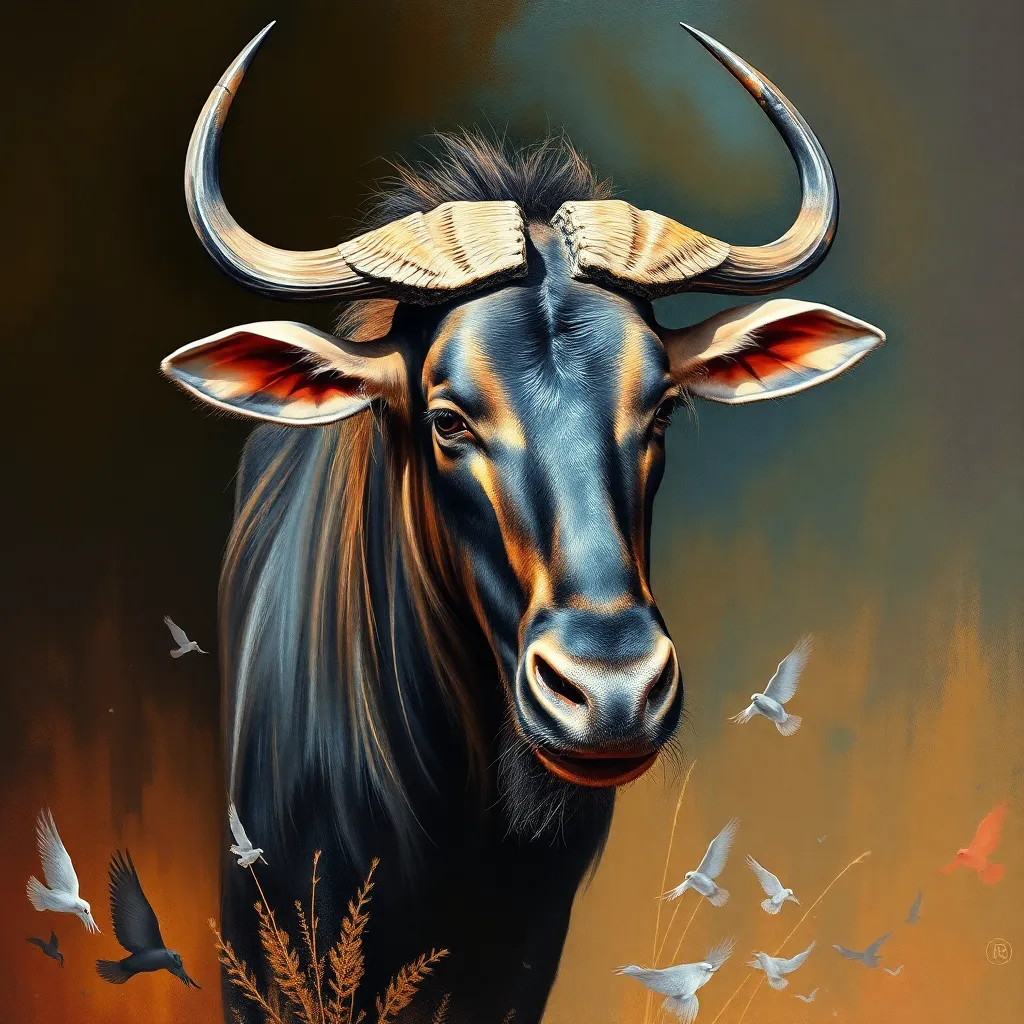
📸 Photo Gallery
💡 Fun Facts
01
Wildebeest calves can stand within minutes of birth and run with the herd within hours — the fastest developmental sprint of any hoofed animal.
02
The Great Migration involves crossing the Mara River, where thousands of Nile crocodiles lie in wait, making it one of nature's most spectacular and deadly events.
03
Male wildebeest hold temporary 'toss territories' measuring just 100 metres across during the rut, defending them fiercely for only a few hours each.
04
Wildebeest communicate with a series of loud, low-pitched bellows called 'grunting' that can be heard up to 2 km away.
05
Their dung is a critical source of nutrients for the savanna, depositing millions of tonnes of nitrogen and phosphorus that support grass regrowth each year.
📍 Where to Find This Animal
Habitat Types:
Grasslands
🛒 Wildebeest Related Gear
As an Amazon Associate we earn from qualifying purchases.

Join the Conversation
Share your thoughts about the Wildebeest