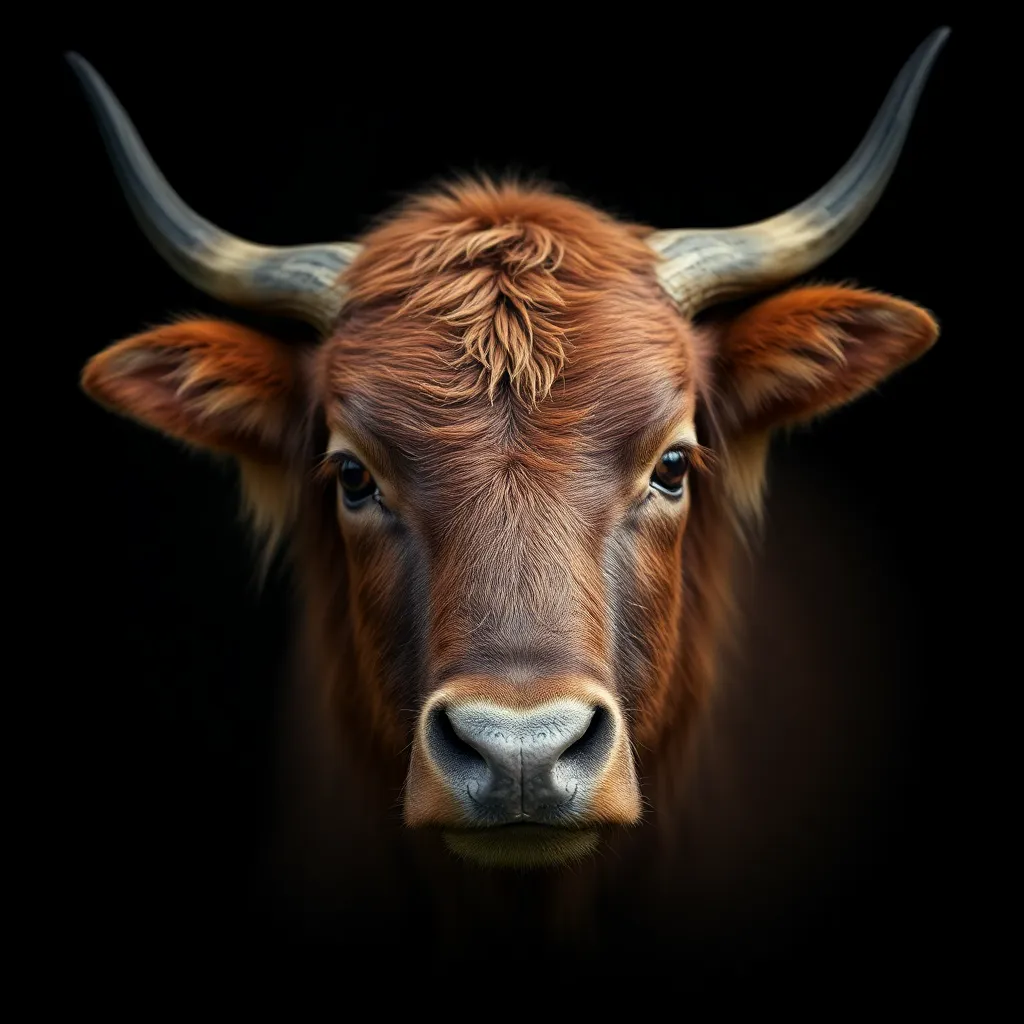
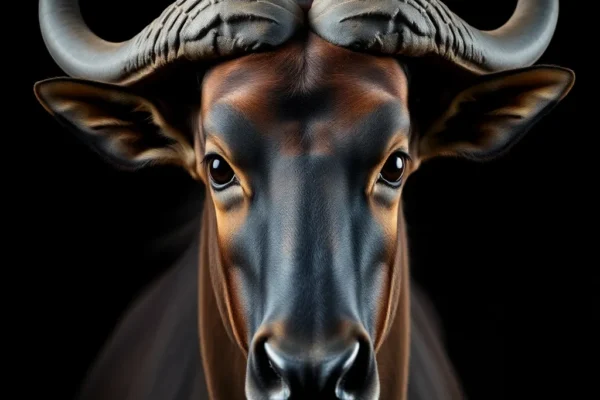
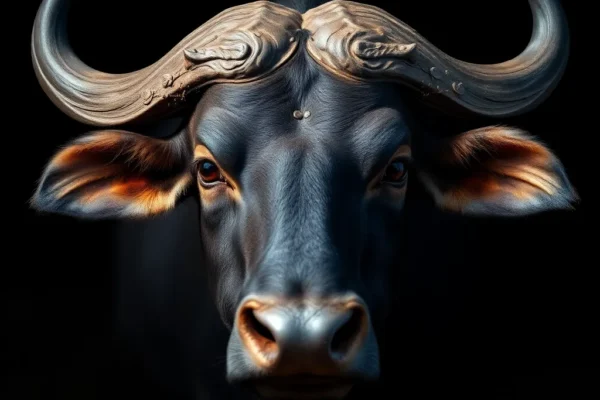
The wild Yak is a massive bovid of the Tibetan Plateau, living at altitudes between 4,000 and 6,000 meters — among the highest of any large mammal on Earth. Wild yaks are considerably larger and more aggressive than their domesticated counterparts, with horns spanning up to 95 cm and a thick double-layer coat that insulates against temperatures as low as -40°C. Domestic yaks have sustained Tibetan and Himalayan cultures for millennia, providing milk, meat, fiber, and transport in one of Earth’s harshest environments.
About the Yak
Bos mutus
Advertisement
⚡ Speed Comparison
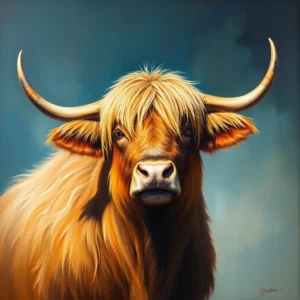
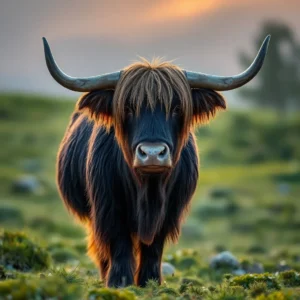
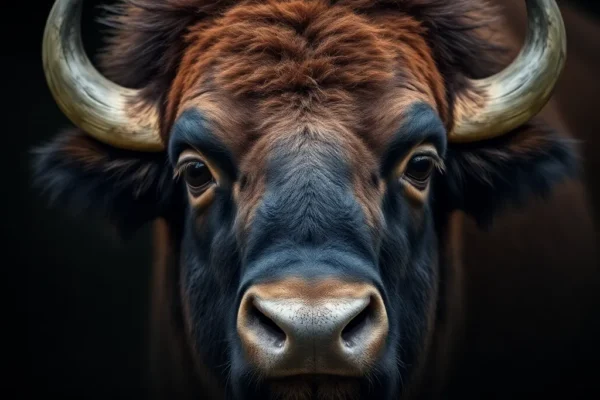
📸 Photo Gallery
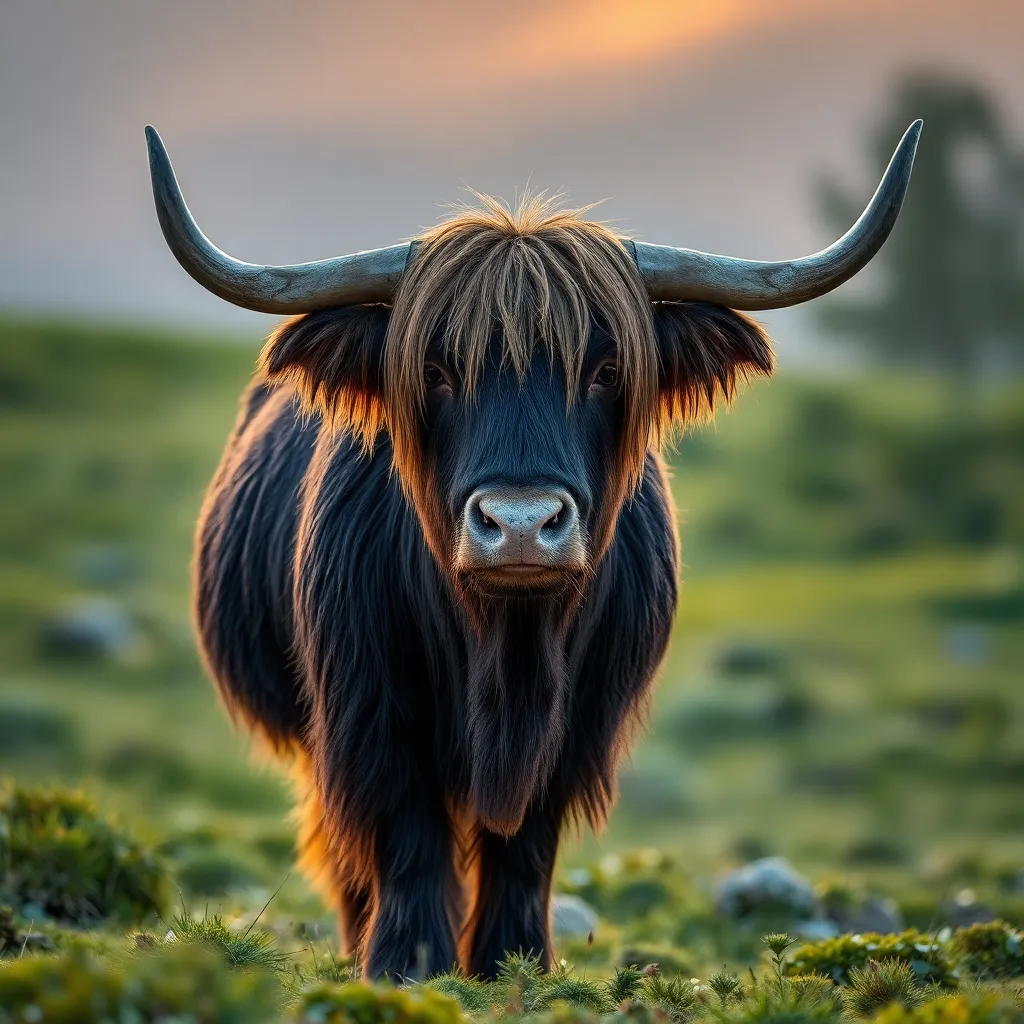
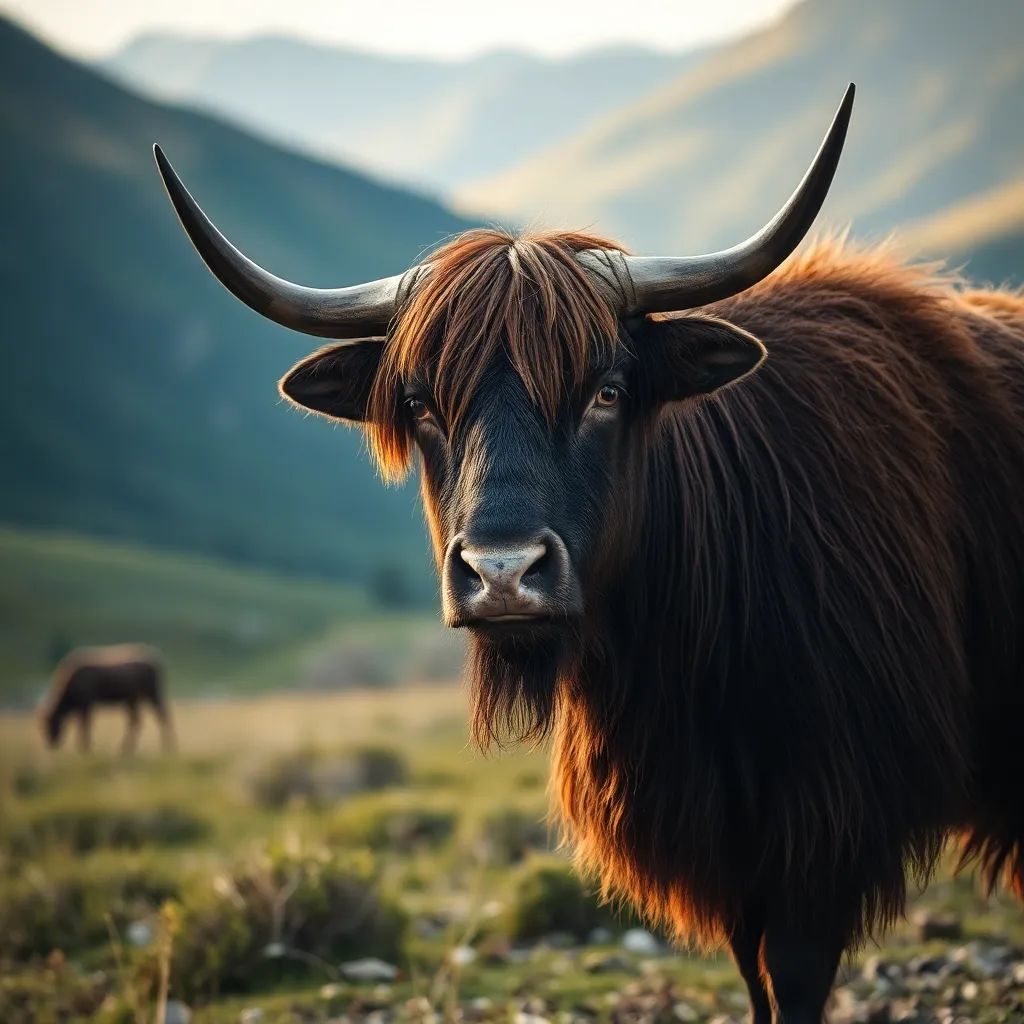
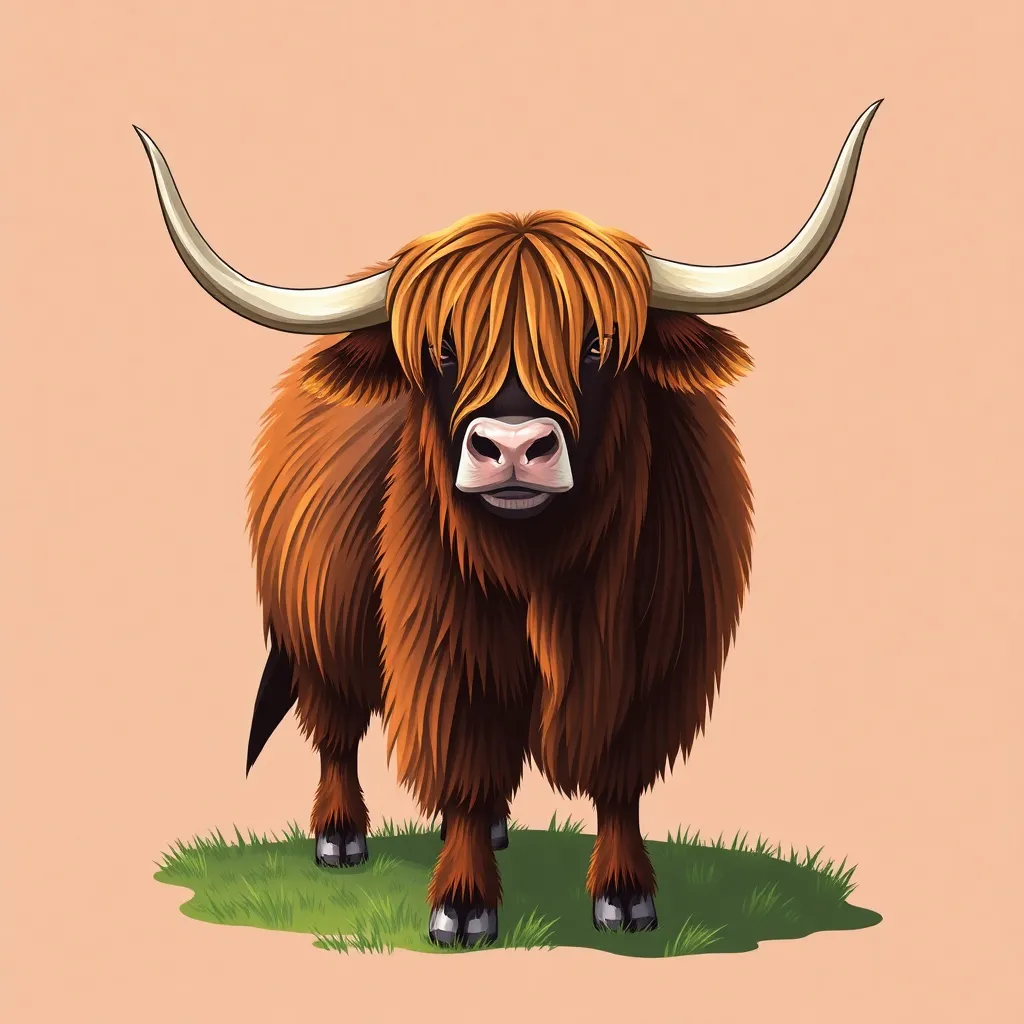
💡 Fun Facts
01
Wild yaks have lungs and hearts roughly three times larger than comparable lowland cattle, with blood carrying elevated hemoglobin concentrations adapted for thin air.
02
Their thick outer coat of coarse guard hairs can reach 60 cm in length on the belly, nearly touching the ground and insulating against extreme cold.
03
Yak dung compressed into dry cakes is the primary fuel source across much of the treeless Tibetan Plateau, a resource essential to high-altitude civilization.
04
A genetic mutation that suppresses a protein called EPAS1 — the 'hypoxia gene' — allows yaks to thrive where cattle would experience altitude sickness and die.
05
Wild yaks (Bos mutus) were domesticated approximately 10,000 years ago; domesticated yaks are so genetically divergent they form a separate subspecies.
📍 Where to Find This Animal
Habitat Types:
Alpine Tundra & High Plateau
🛒 Yak Related Gear
As an Amazon Associate we earn from qualifying purchases.

Join the Conversation
Share your thoughts about the Yak