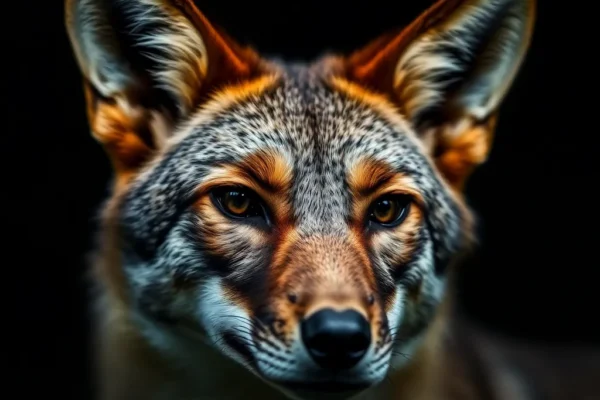
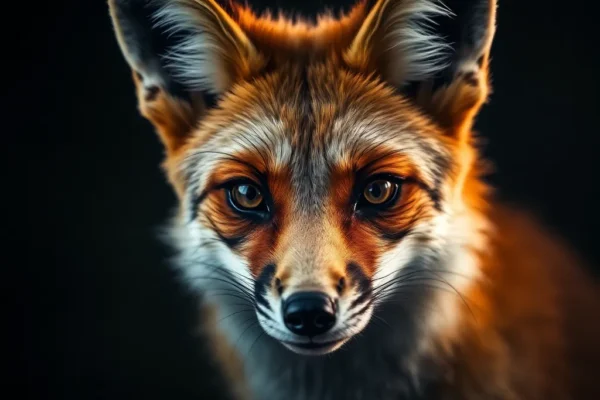
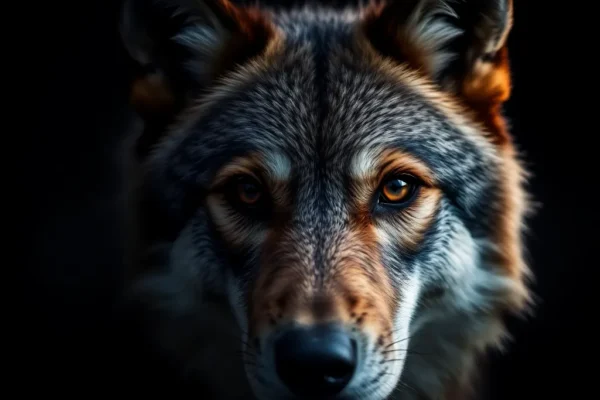
Loading Wildlife…

Canidae LC

THE

JACKAL

Twilight Opportunist of Africa

Canis mesomelas

Africa
CLASS Mammalia FAMILY Canidae GENUS Canis
56 km/h
Top Speed
⚖️
6-14 kg
Max Weight
📏
69-102 cm
Body Length
🕰️
8-16 years
Lifespan
🍖
Omnivore
Diet Type

IUCN Red List — Where this species stands

LC Least Concern
NT Near Threatened
VU Vulnerable
EN Endangered
CR Critical
EW Extinct Wild
EX Extinct

About the Jackal

Canis mesomelas

Advertisement

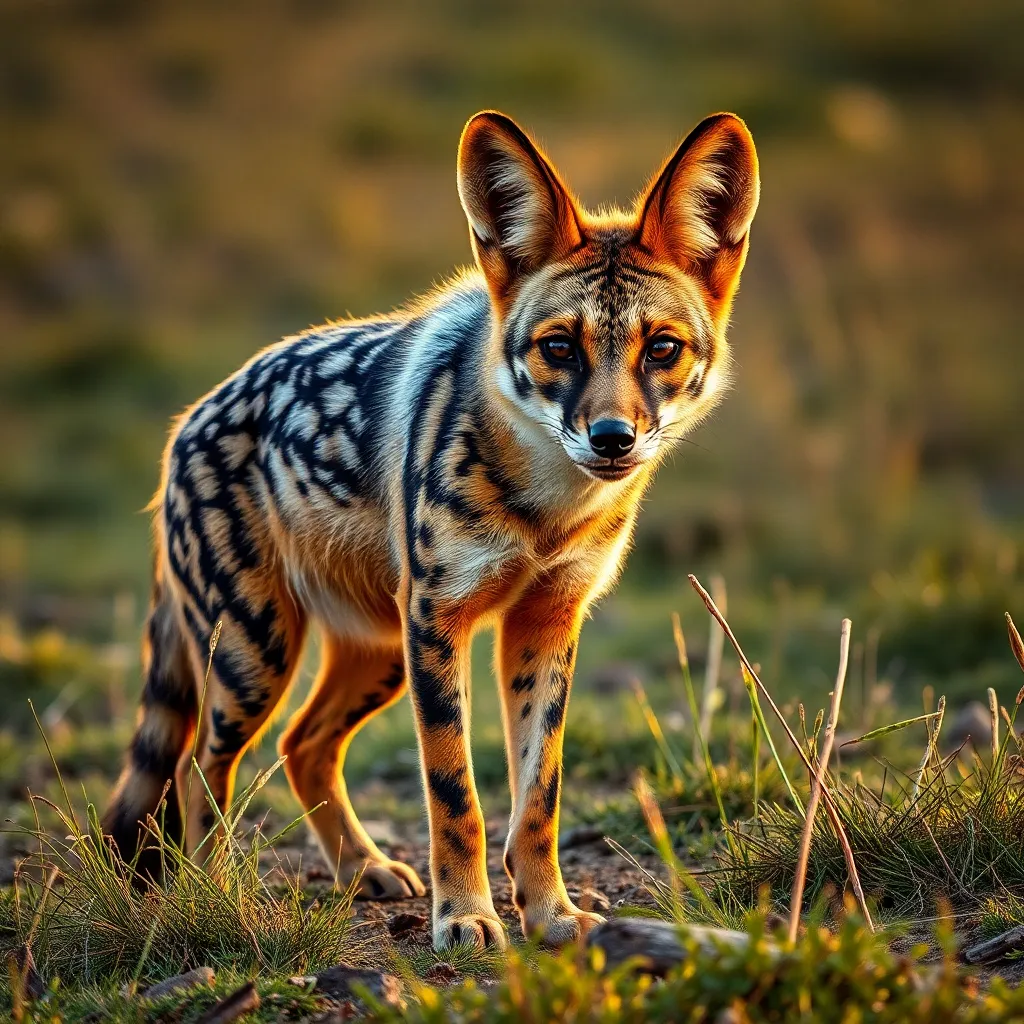
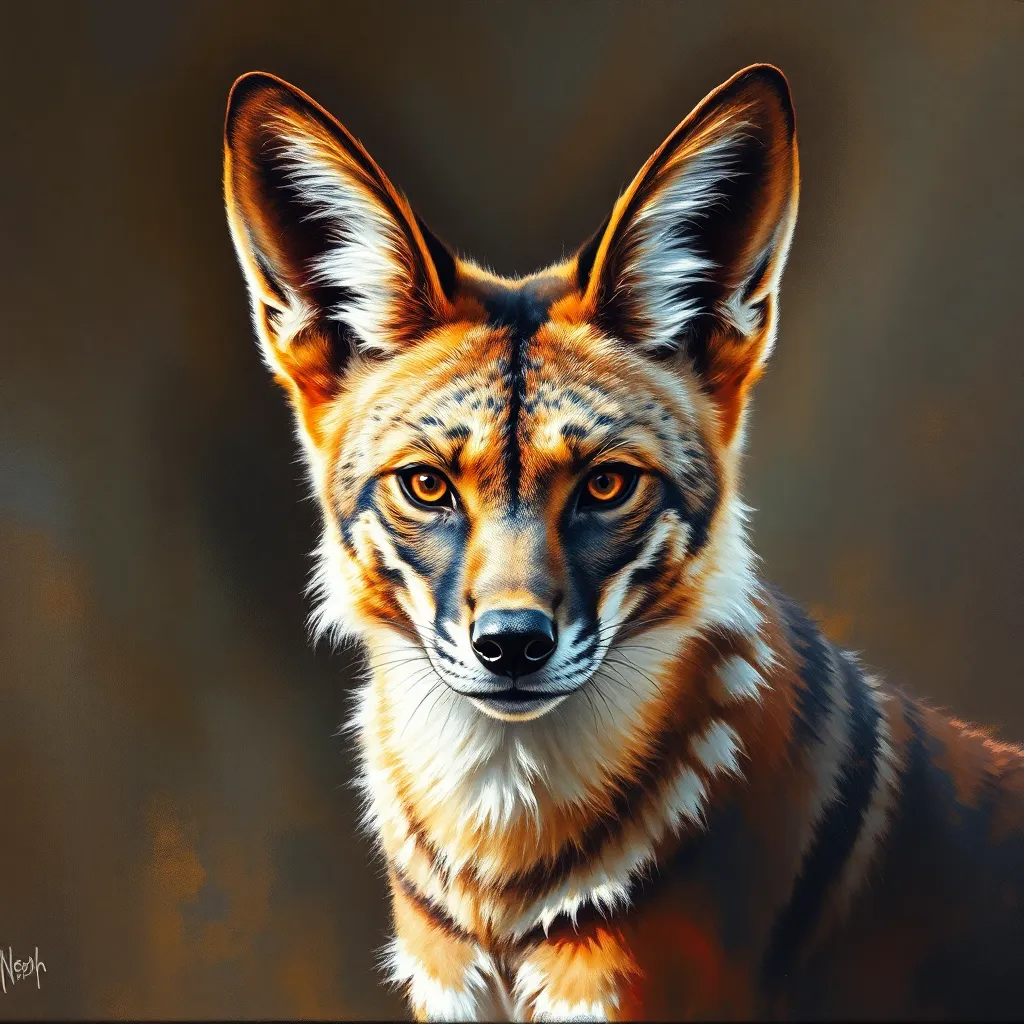
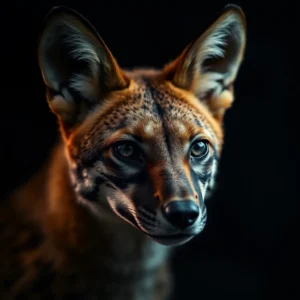
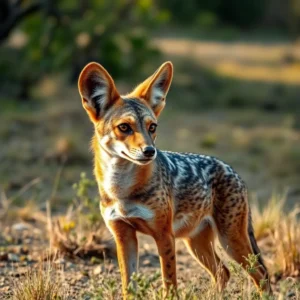
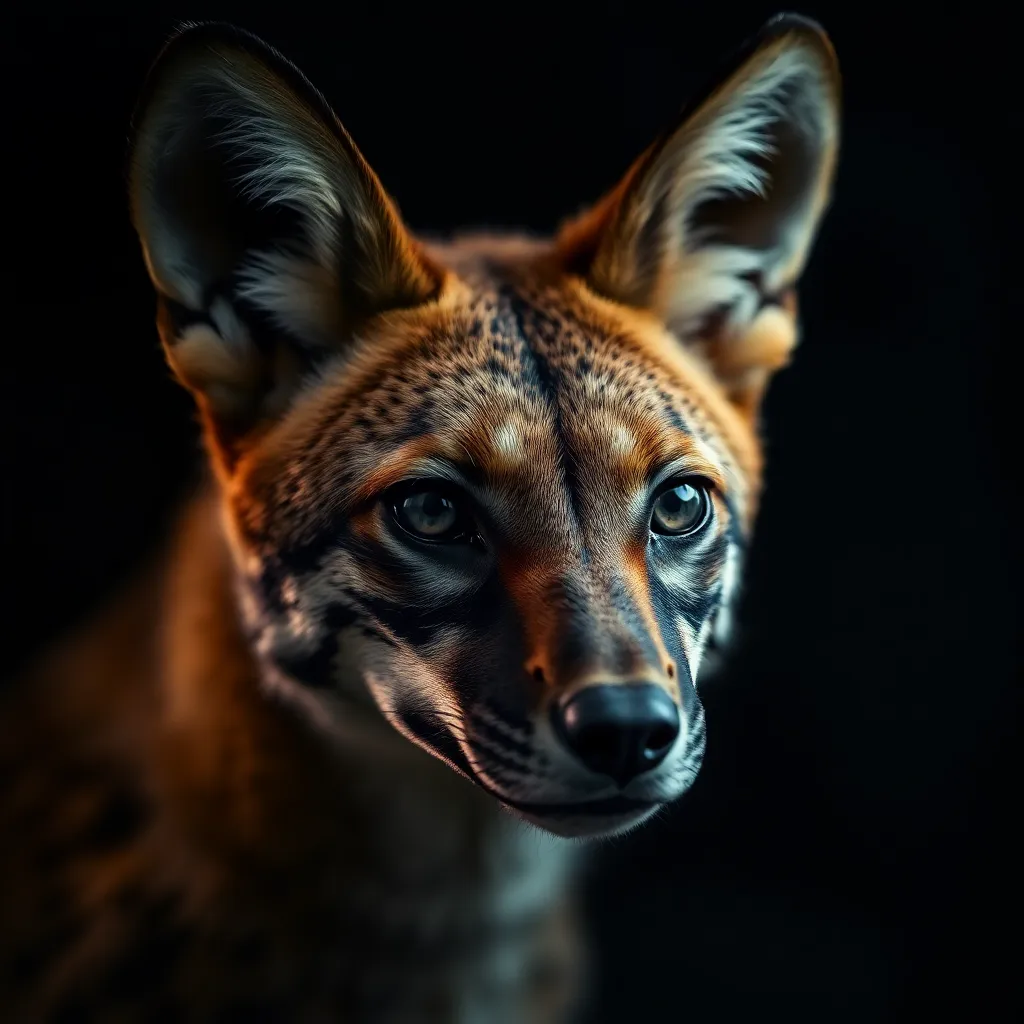
The black-backed jackal is one of Africa’s most successful and adaptable predators, found across the continent from the Sahel to the Cape. Active primarily at dawn and dusk, jackals are highly opportunistic, taking everything from insects and berries to impala fawns and lion kills. They are monogamous and mate for life, with older offspring often remaining to help raise subsequent litters — a cooperative breeding system remarkably similar to that of African wild dogs and wolves.

⚡ Speed Comparison

Human
12 km/h
Car (city)
50 km/h
Horse
54 km/h
Jackal
56 km/h

💡 Fun Facts

01

Black-backed jackals mate for life and are among the most monogamous of all canids; pairs reinforce their bond with elaborate greeting ceremonies.

02

Offspring from previous litters often stay with their parents to help raise the next litter, improving pup survival by up to 50% compared to pairs without helpers.

03

A jackal's howl is a complex communication that encodes individual identity, location, territorial claim, and pair bond status in a single sequence.

04

Jackals have been shown to remember and recognize hundreds of individual faces — both of jackals and of other species including lions and hyenas.

05

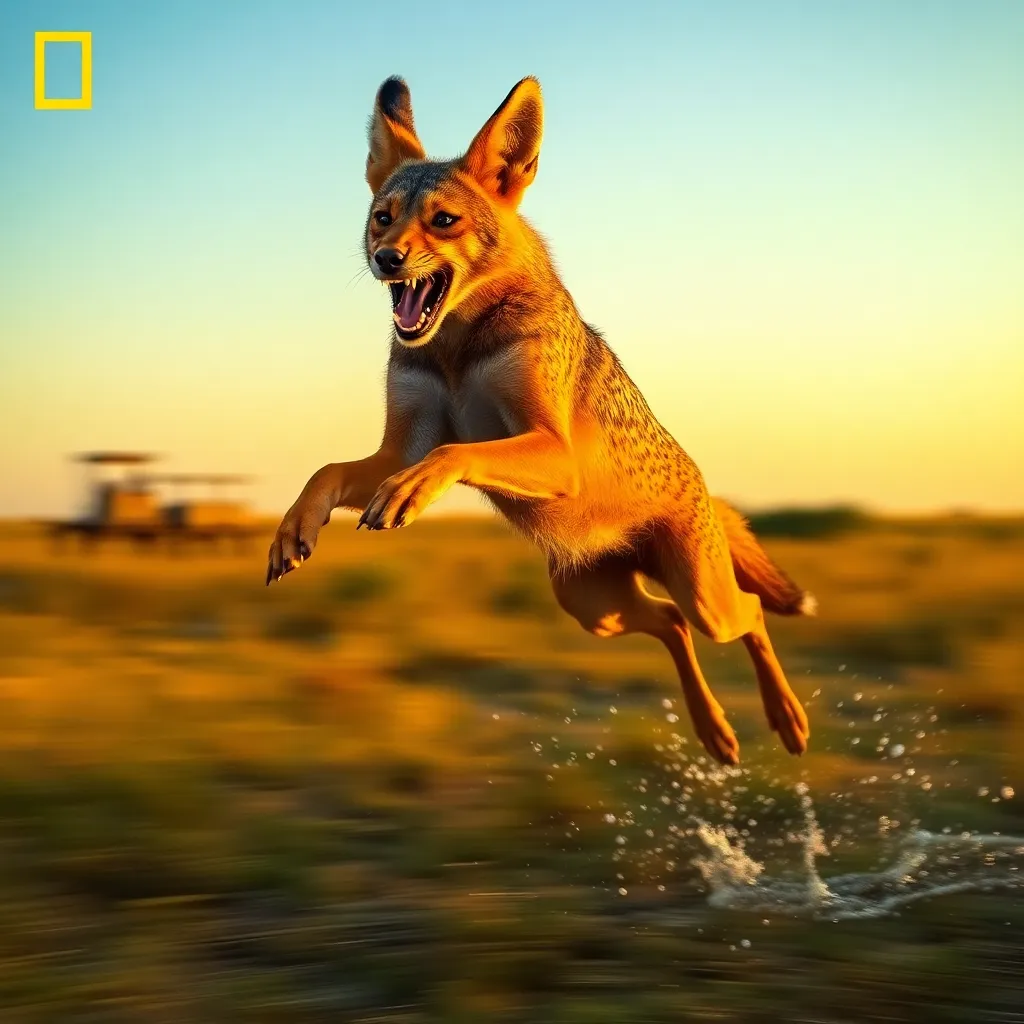
They can run continuously at 16 km/h for several kilometres to wear down prey, or sprint at 56 km/h over short distances.

Unlock Expert Wildlife Facts

Watch a short 15-second video to unlock detailed expert analysis, exclusive wildlife photography, and rare behavioral facts.

📍 Where to Find This Animal

🛒 Jackal Related Gear

As an Amazon Associate we earn from qualifying purchases.
🗨️

Join the Conversation

Share your thoughts about the Jackal

✍️

Leave a Comment

Your email address will not be published. Required fields are marked *

How Big Is a Jackal?

Side-by-side comparison with an adult human (175 cm)

🧍
Human
175 cm
🐺
Jackal
65 cm
shoulder height
6-14 BODY WEIGHT
69-102 BODY LENGTH
56 TOP SPEED
8-16 LIFESPAN
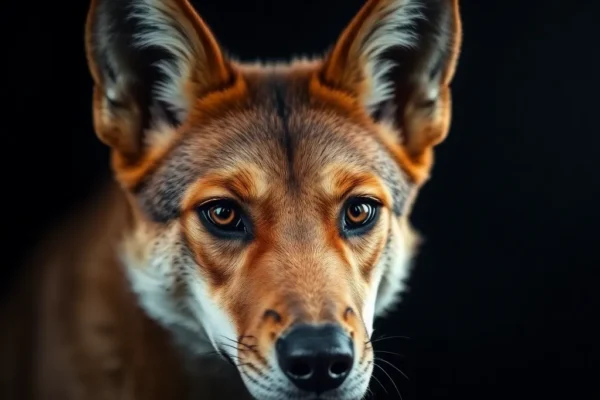
Jackal close-up
Jackal

SURVIVAL TOOLKIT

Built for Survival

Nature's engineering refined over millions of years

🔬 SURVIVAL TOOLKIT
Exceptional Olfaction
01

Exceptional Olfaction

A nose with 220 million scent receptors (compared to 5 million in humans) can detect carrion, territorial markings, and prey from over a kilometre away even in crosswinds.

Directional Hearing
02

Directional Hearing

Large, independently rotatable ears can pinpoint the exact location of a sound source — critical for locating small prey moving under grass or soil cover at night.

Crepuscular Activity
03

Crepuscular Activity

Peak activity at dawn and dusk coincides with the coolest temperatures, the most vulnerable moments for prey animals transitioning between rest and activity, and reduced competition with diurnal predators.

Cooperative Hunting
04

Cooperative Hunting

Mated pairs hunting together are dramatically more effective at catching gazelle fawns than individuals — one partner distracts the mother while the other seizes the fawn.

Flexible Omnivory
05

Flexible Omnivory

A generalist digestive system and low food specificity allows jackals to thrive on wildly varying diets by season, including fruit, insects, reptiles, small mammals, and large carrion.

Twilight Opportunist of Africa. An extraordinary creature that reminds us what we stand to lose.

Jungal Safari · Wildlife Network
💡

Did You Know?

Black-backed jackals mate for life and are among the most monogamous of all canids; pairs reinforce their bond with elaborate greeting ceremonies.

🍖 DIET: OMNIVORE

What Does the Jackal Eat?

🐇
Hare
🦎
Lizard
🍎
Fruit
🦟
Insects
🦴
Carrion
🗺️ GEOGRAPHIC RANGE

Where Do Jackals Live?

🌍
Continents
➡️
Population Trend Stable

Conservation in Action

How You Can Help the Jackal

Small actions, taken together, can reverse the decline of species like this one

🌳
Protect Habitat

Support wildlife reserves and protected land corridors

🚫
Stop Poaching

Report illegal trade and back anti-poaching patrols

🔬
Fund Research

Camera-trap studies and population monitoring

🤝
Community Work

Partner with local herders to reduce conflict

📢
Raise Awareness

Educate and inspire future wildlife champions

"Without urgent action, the Jackal could disappear from the wild within our lifetime."

PROTECT THEM. PRESERVE THEIR LEGACY.

The Jackal's Future
Is In Our Hands

Every share, every donation, every voice raised — makes a difference for wildlife conservation.

🌳Protect Habitat
📢Raise Awareness
💰Fund Research
🤝Community Work
🚫Stop Poaching

"Protect Wildlife. Preserve Our Planet."

Every species matters. Every action counts.

Advertisement