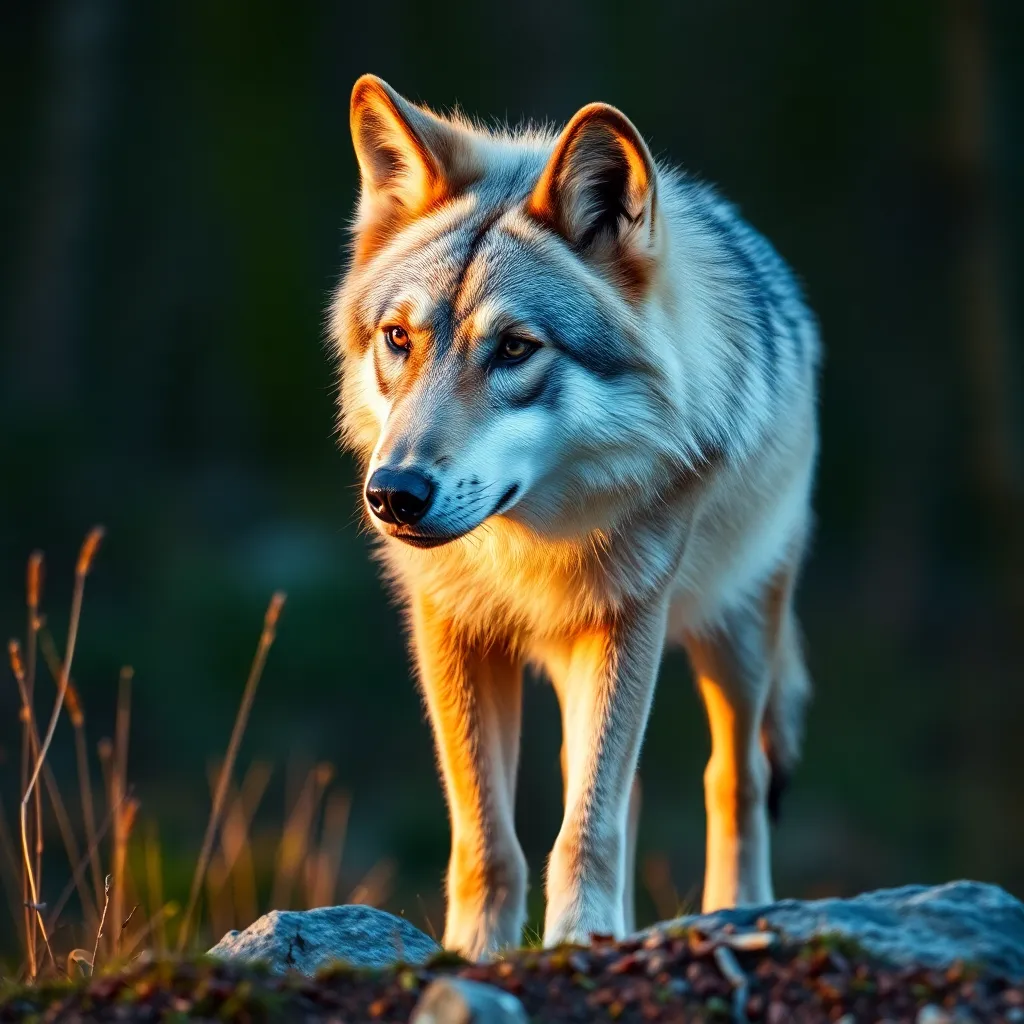
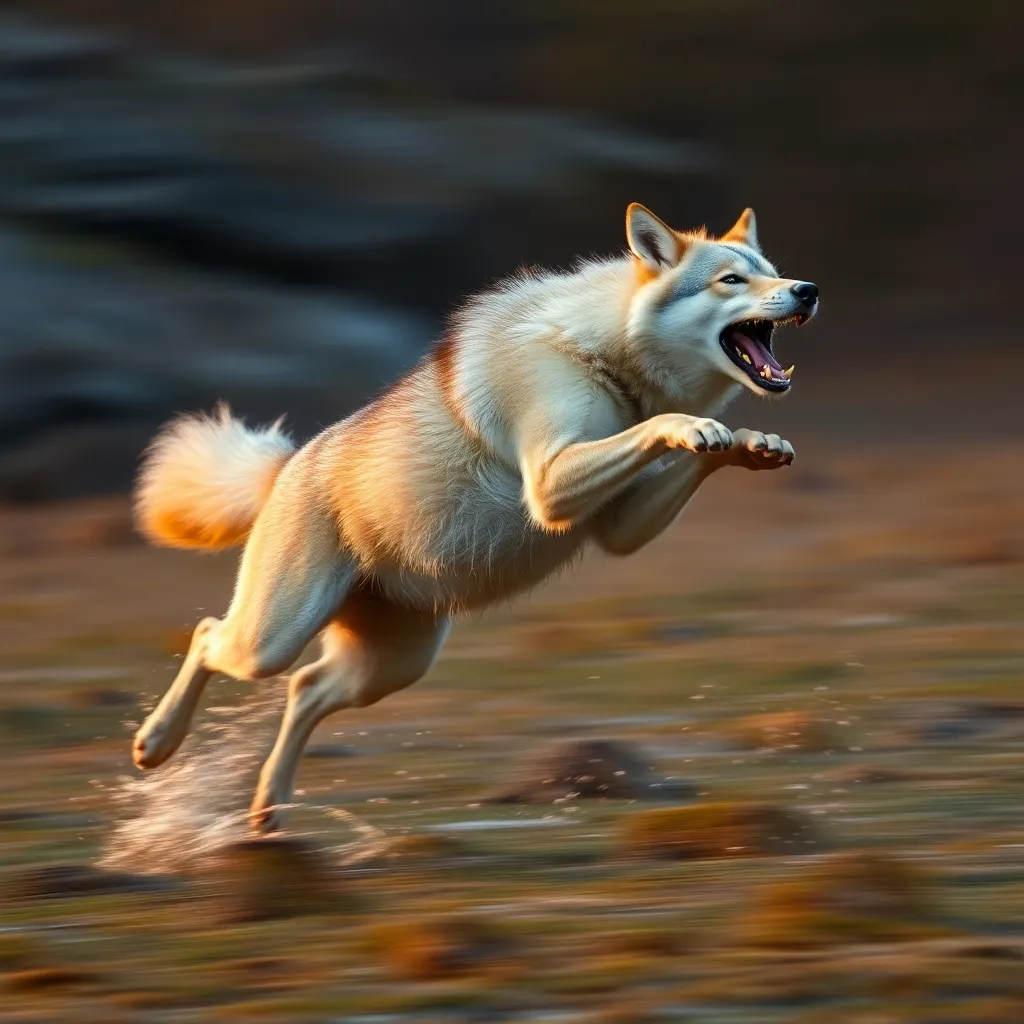
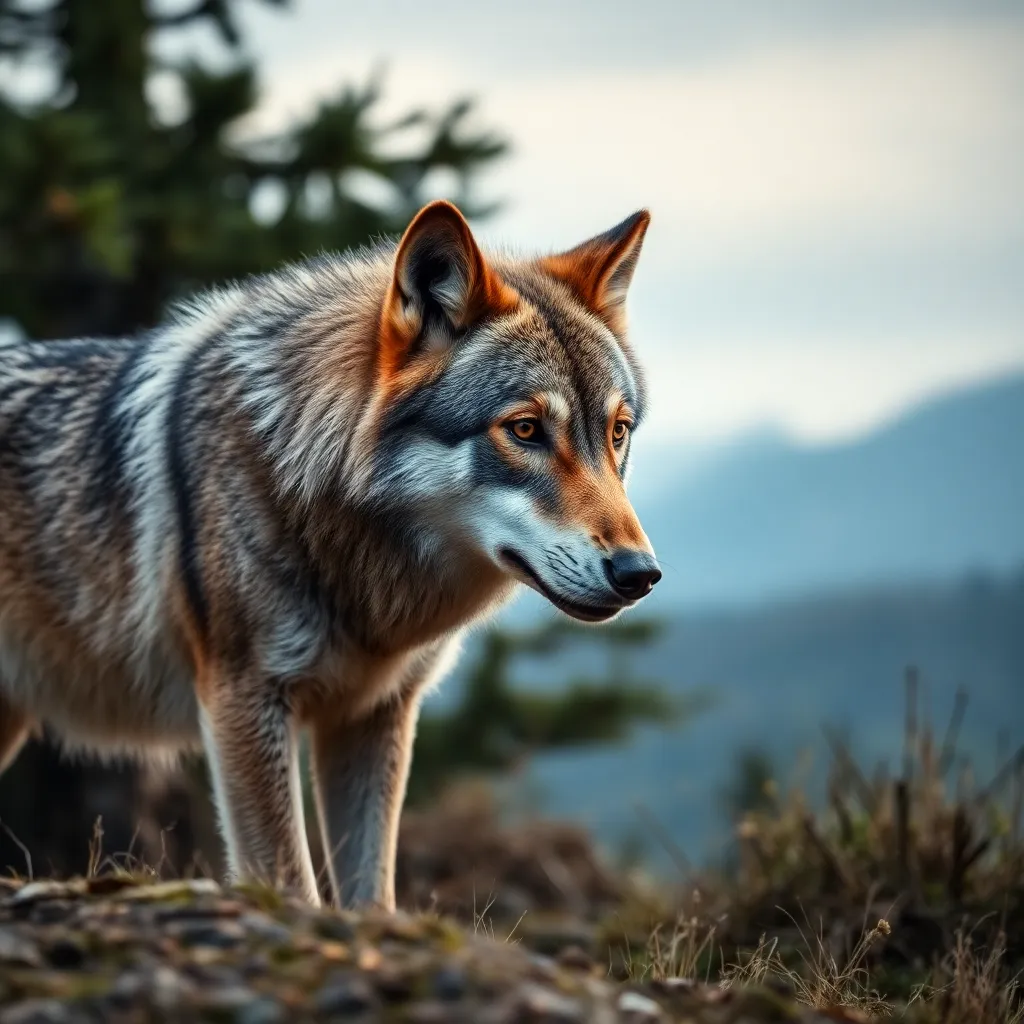
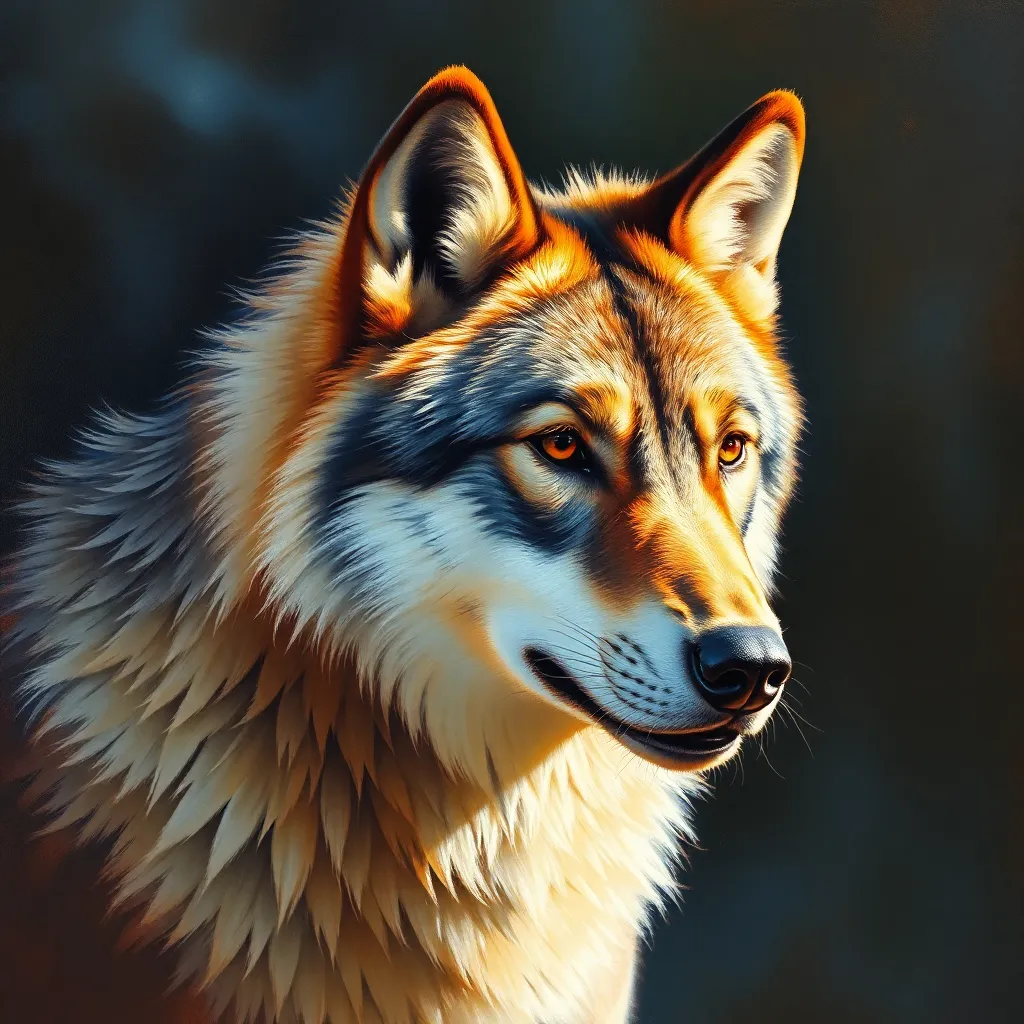
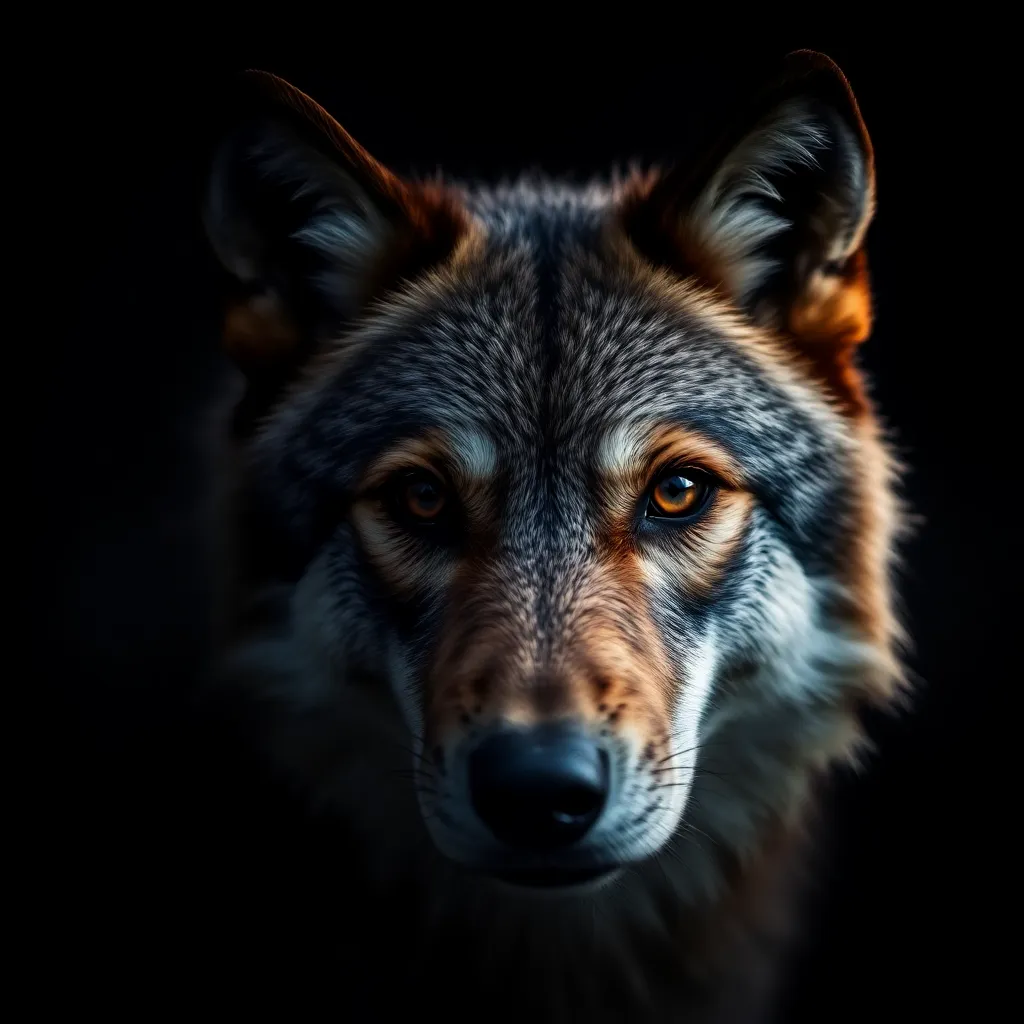
The gray wolf is the largest wild member of the dog family and one of the most ecologically impactful predators on Earth. Wolves hunt in cooperative family packs led by a breeding pair, capable of taking down prey many times their size. The reintroduction of wolves to Yellowstone National Park in 1995 famously triggered a ‘trophic cascade,’ transforming vegetation, river courses, and dozens of species through restored predator pressure.
About the Wolf
Canis lupus
Advertisement
⚡ Speed Comparison
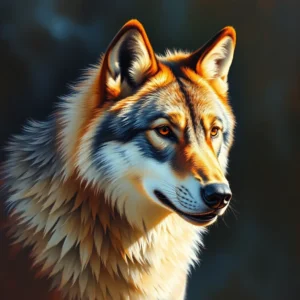
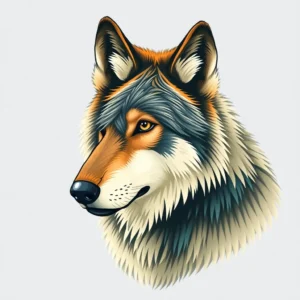
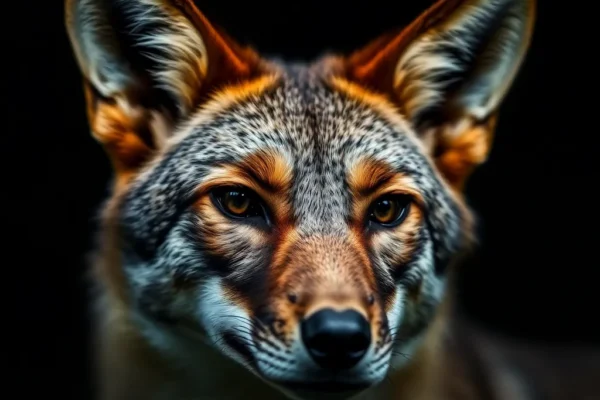
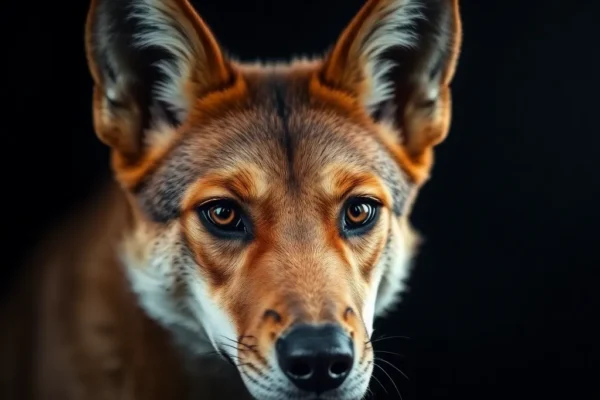
📸 Photo Gallery

💡 Fun Facts
01
The 1995 reintroduction of wolves to Yellowstone changed the course of rivers by reducing overgrazing near waterways — a trophic cascade.
02
Wolves can travel up to 70 km in a single day when following prey.
03
A wolf's howl can be heard up to 16 km away in open terrain.
04
Wolf packs typically consist of a mated pair and their offspring over several years, not unrelated individuals fighting for dominance.
05
Wolves were the first animals domesticated by humans, with dogs diverging from wolves at least 15,000 years ago.
📍 Where to Find This Animal
Habitat Types:
Boreal Forest
🛒 Wolf Related Gear
As an Amazon Associate we earn from qualifying purchases.

Join the Conversation
Share your thoughts about the Wolf