Loading Wildlife…

Felidae VU

THE

LEOPARD

Shadow with Golden Spots

Panthera pardus

Africa
CLASS Mammalia FAMILY Felidae GENUS Panthera
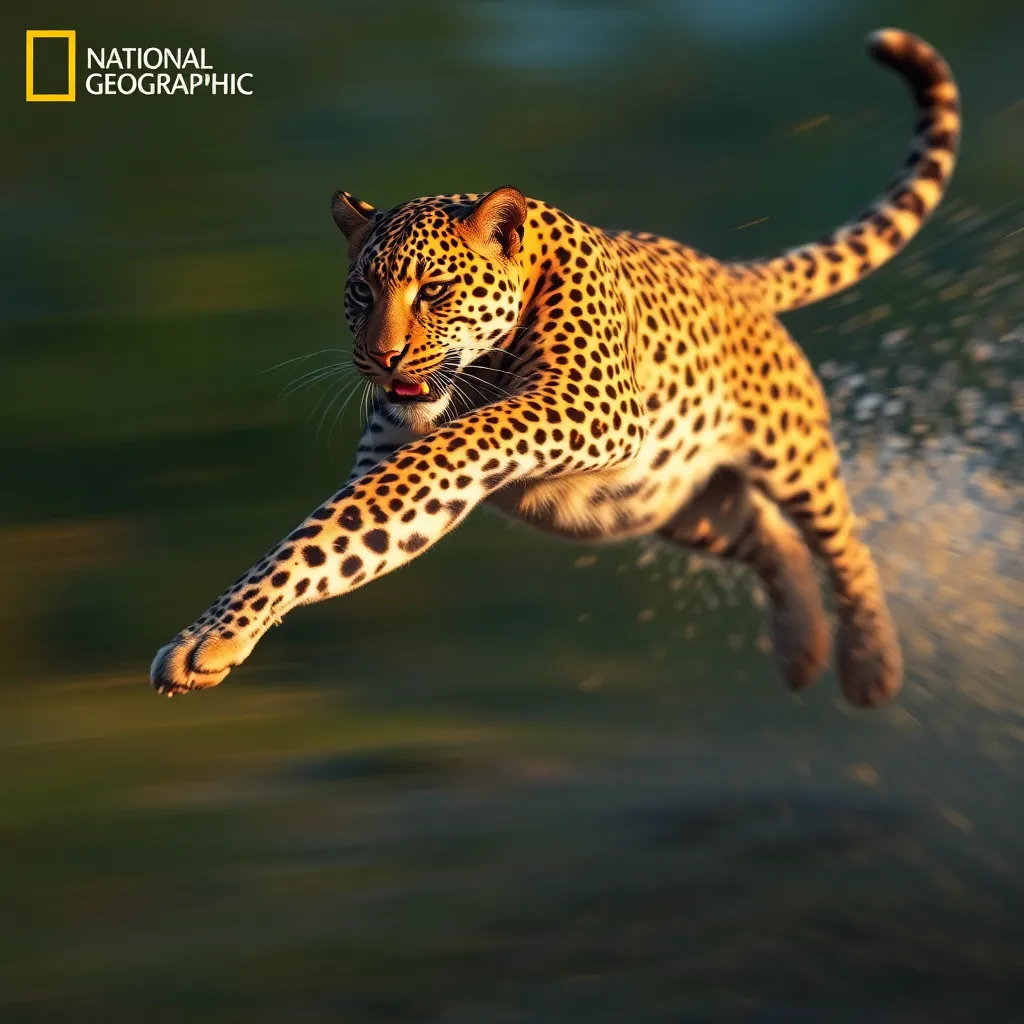
58 km/h
Top Speed
⚖️
28-90 kg
Max Weight
📏
1.6-2.3 m
Body Length
🕰️
12-17 years
Lifespan
🍖
Carnivore
Diet Type

IUCN Red List — Where this species stands

LC Least Concern
NT Near Threatened
VU Vulnerable
EN Endangered
CR Critical
EW Extinct Wild
EX Extinct

About the Leopard

Panthera pardus

Advertisement

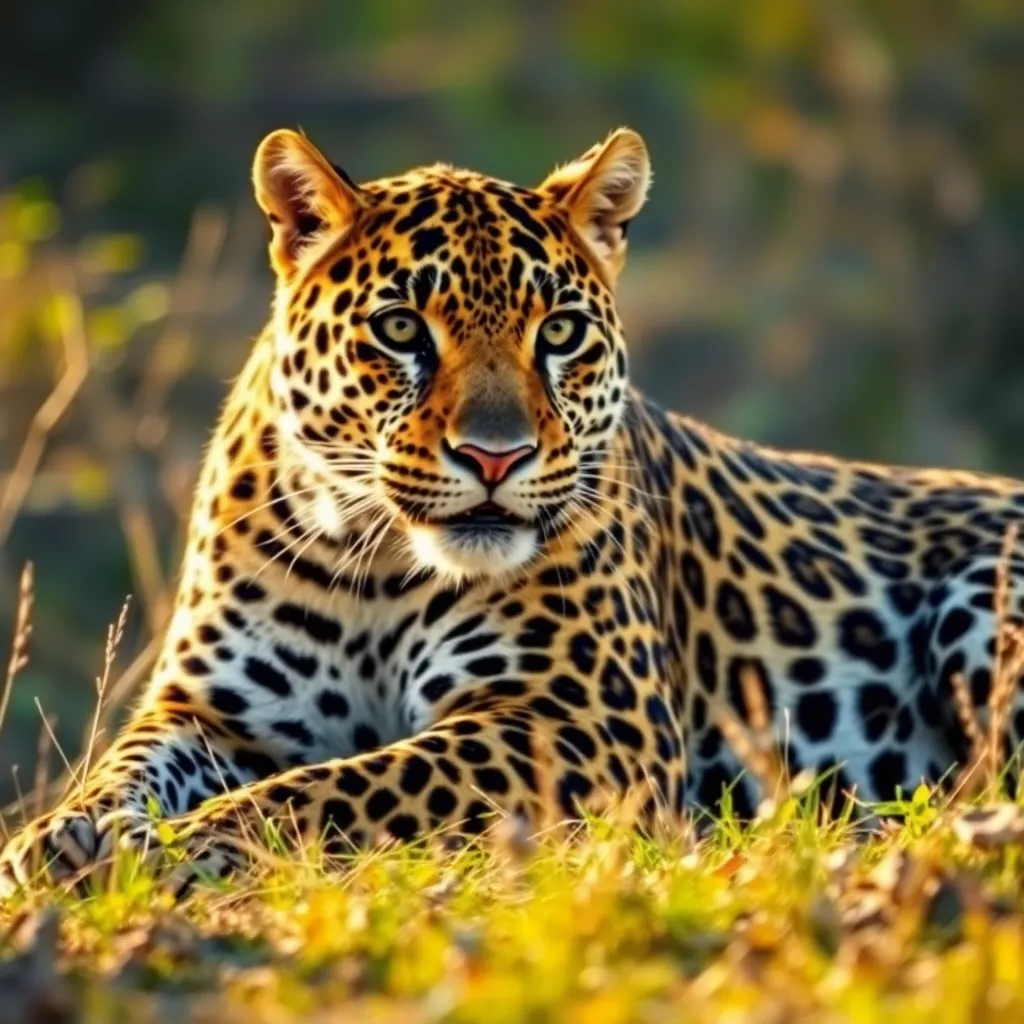
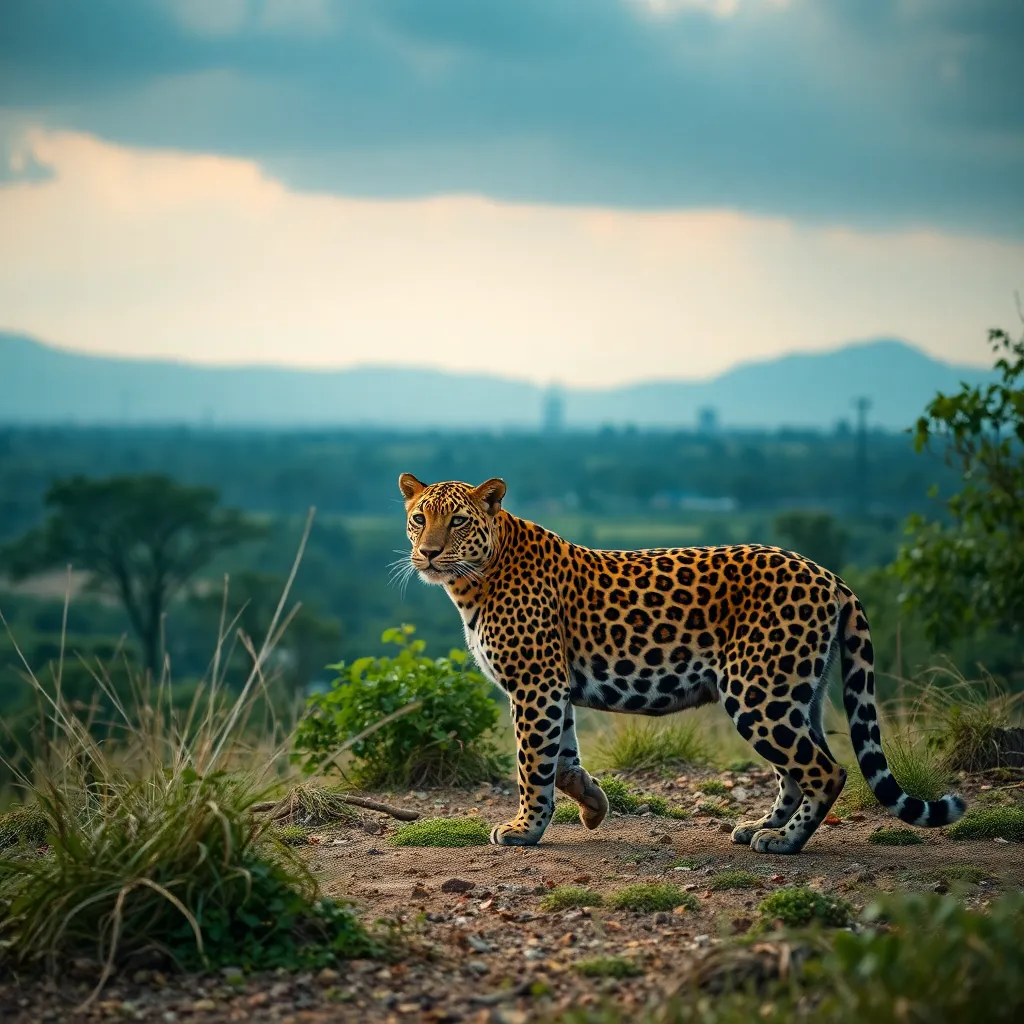
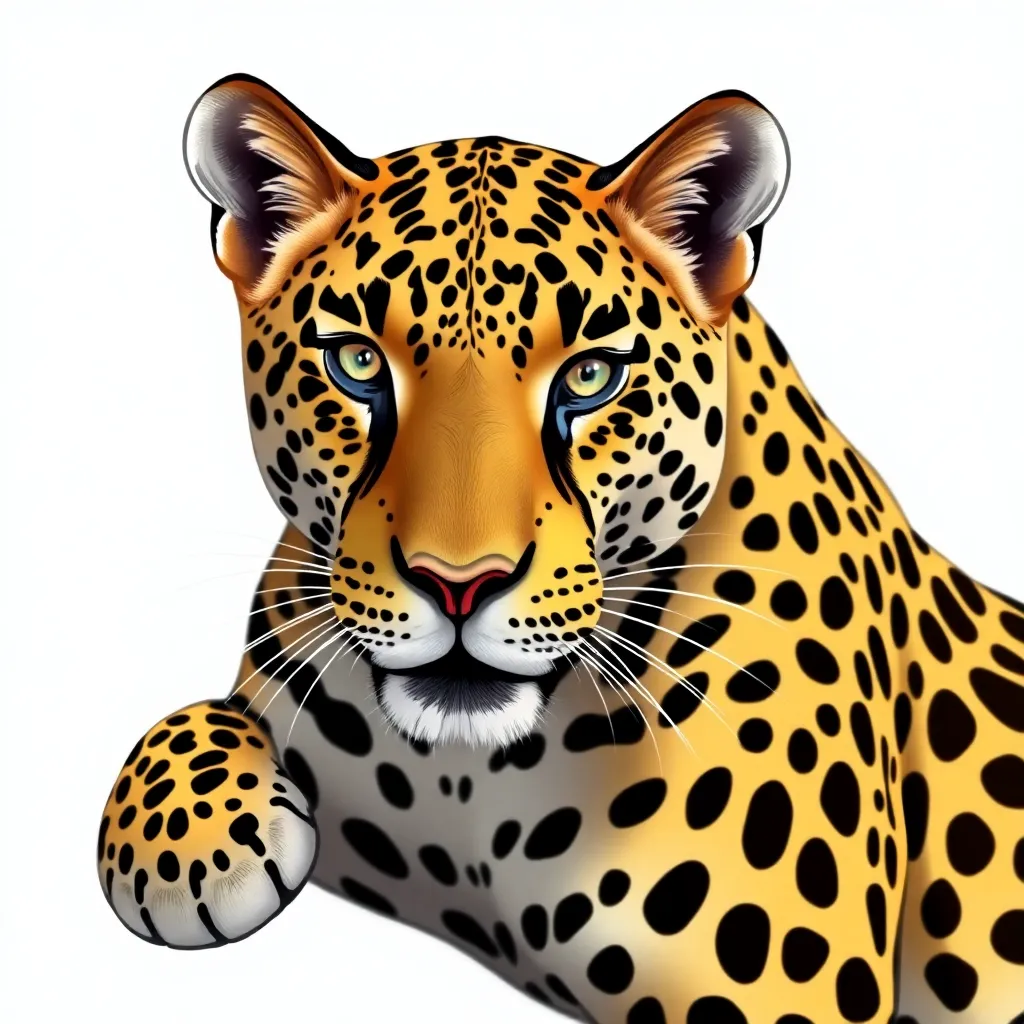
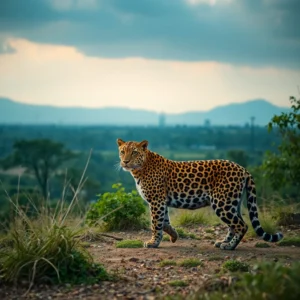
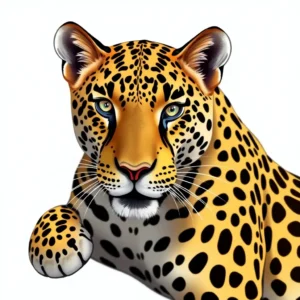
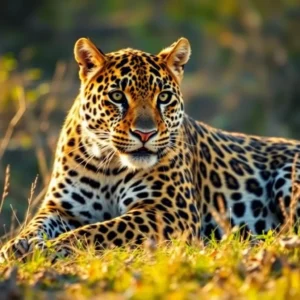
The Leopard is the most widespread of all wild big cats, ranging from sub-Saharan Africa to the Russian Far East and the jungles of Southeast Asia. A supreme generalist predator, it thrives in habitats from rainforest to desert to suburban fringes, eating everything from dung beetles to juvenile giraffes. Leopards are famous for hauling prey heavier than themselves into treetops to cache it from lions and hyenas — a feat of strength unmatched in the cat family relative to body size.

⚡ Speed Comparison

Human
12 km/h
Car (city)
50 km/h
Horse
54 km/h
Leopard
58 km/h

💡 Fun Facts

01

Leopards can carry prey up to three times their own body weight into trees, using a grip so powerful their claws leave permanent claw marks in hardwood branches.

02

Melanistic leopards — commonly called Black Panthers — are not a separate species but carry a recessive allele that causes overproduction of melanin pigment.

03

A leopard's rosette spots are unique like fingerprints — no two individuals have identical rosette patterns, allowing researchers to identify individuals from camera trap photos.

04

They have the broadest diet of any large felid, with documented prey items including over 100 different species from insects to young hippopotamuses.

05

Amur Leopards of the Russian Far East are the world's most endangered big cat, with fewer than 100 individuals remaining in the wild.

Unlock Expert Wildlife Facts

Watch a short 15-second video to unlock detailed expert analysis, exclusive wildlife photography, and rare behavioral facts.

📍 Where to Find This Animal

🛒 Leopard Related Gear

As an Amazon Associate we earn from qualifying purchases.
🗨️

Join the Conversation

Share your thoughts about the Leopard

✍️

Leave a Comment

Your email address will not be published. Required fields are marked *

How Big Is a Leopard?

Side-by-side comparison with an adult human (175 cm)

🧍
Human
175 cm
🐆
Leopard
65 cm
shoulder height
28-90 BODY WEIGHT
1.6-2.3 BODY LENGTH
58 TOP SPEED
12-17 LIFESPAN
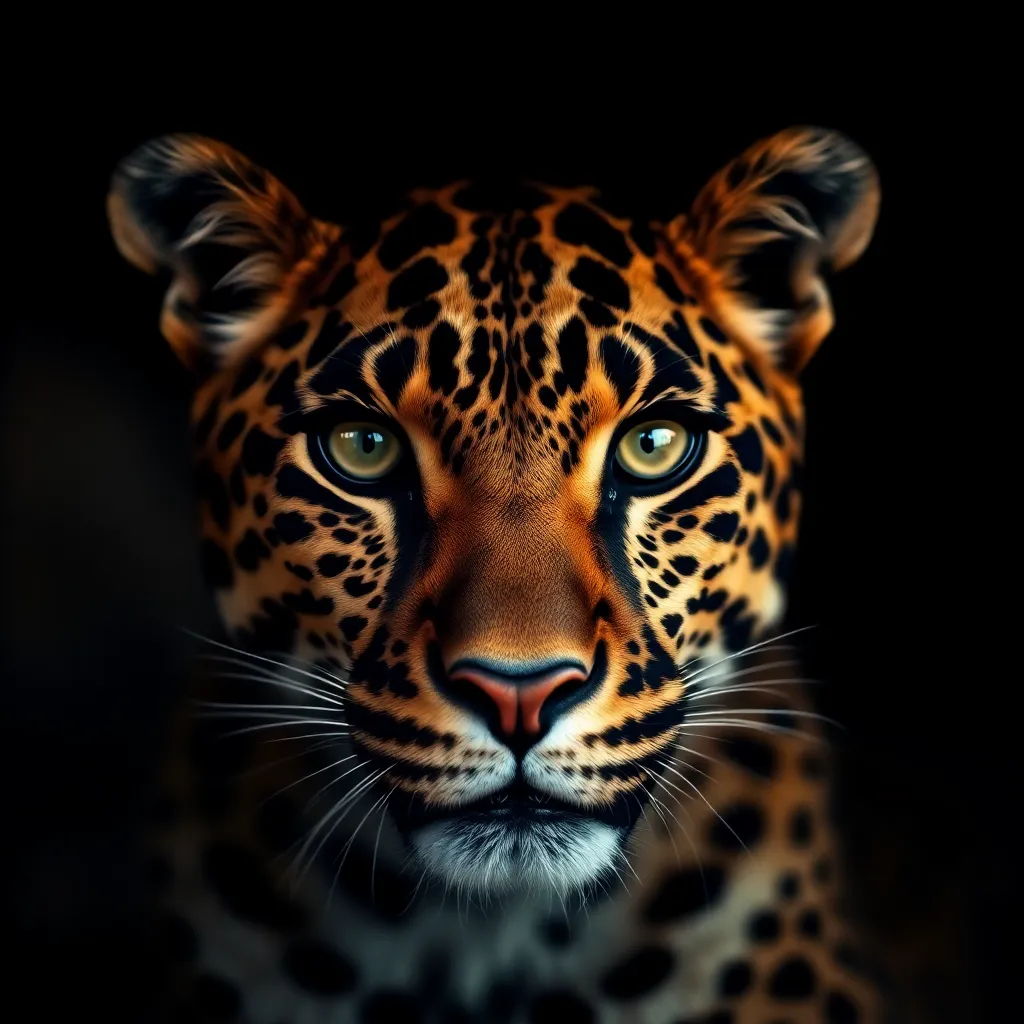
Leopard close-up
Leopard

SURVIVAL TOOLKIT

Built for Survival

Nature's engineering refined over millions of years

🔬 SURVIVAL TOOLKIT
Nocturnal Vision
01

Nocturnal Vision

A large cornea and tapetum lucidum give vision sensitivity 6–7 times greater than humans in low-light conditions.

Rosette Camouflage
02

Rosette Camouflage

Complex rosette patterns break up body outline against dappled forest and grassland backgrounds, enabling ambush at close range.

Disproportionate Strength
03

Disproportionate Strength

Exceptionally powerful shoulder and neck muscles allow hoisting prey three times their own weight vertically into tree branches.

Silent Stalking Paws
04

Silent Stalking Paws

Thick, cushioned digital pads muffle footfalls completely, enabling the leopard to approach within meters of prey before detection.

Habitat Generalism
05

Habitat Generalism

Physiological and behavioral flexibility allows leopards to colonize habitat from tropical rainforest to high-altitude snowfields and urban periphery.

Carnassial Shear
06

Carnassial Shear

Blade-like upper and lower carnassial teeth pass each other like scissors to slice meat with mechanical efficiency.

Shadow with Golden Spots. An extraordinary creature that reminds us what we stand to lose.

Jungal Safari · Wildlife Network
💡

Did You Know?

Leopards can carry prey up to three times their own body weight into trees, using a grip so powerful their claws leave permanent claw marks in hardwood branches.

🍖 DIET: CARNIVORE

What Does the Leopard Eat?

🦌
Antelope & Deer
🐒
Monkeys & Baboons
🐗
Warthogs & Pigs
🐇
Hares & Rabbits
🦎
Reptiles & Birds
🗺️ GEOGRAPHIC RANGE

Where Do Leopards Live?

🌍
Continents
📉
Population Trend Declining

Conservation in Action

How You Can Help the Leopard

Small actions, taken together, can reverse the decline of species like this one

🌳
Protect Habitat

Support wildlife reserves and protected land corridors

🚫
Stop Poaching

Report illegal trade and back anti-poaching patrols

🔬
Fund Research

Camera-trap studies and population monitoring

🤝
Community Work

Partner with local herders to reduce conflict

📢
Raise Awareness

Educate and inspire future wildlife champions

"Without urgent action, the Leopard could disappear from the wild within our lifetime."

A FUTURE FOR LEOPARDS IS IN OUR HANDS.

The Leopard's Future
Is In Our Hands

Every share, every donation, every voice raised — makes a difference for wildlife conservation.

🌳Protect Habitat
📢Raise Awareness
💰Fund Research
🤝Community Work
🚫Stop Poaching

"Protect Wildlife. Preserve Our Planet."

Every species matters. Every action counts.

Advertisement