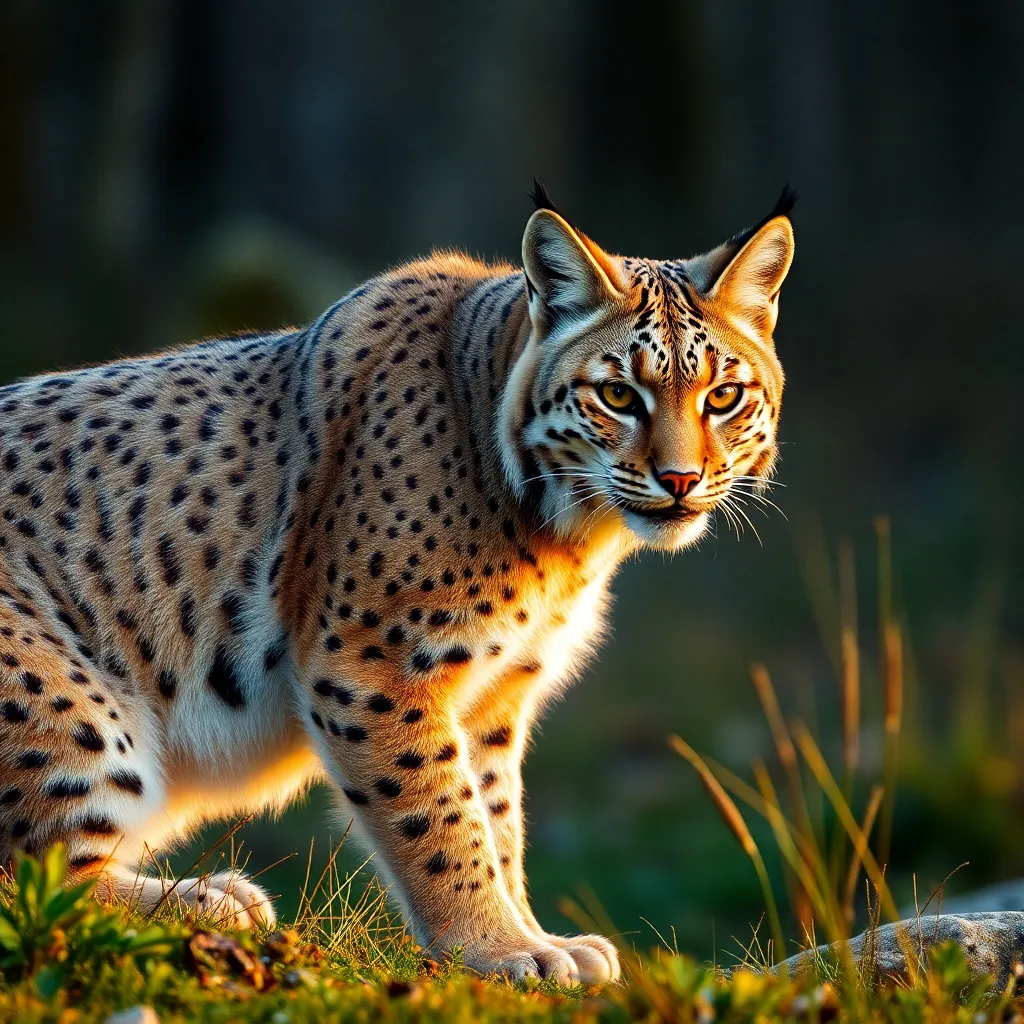
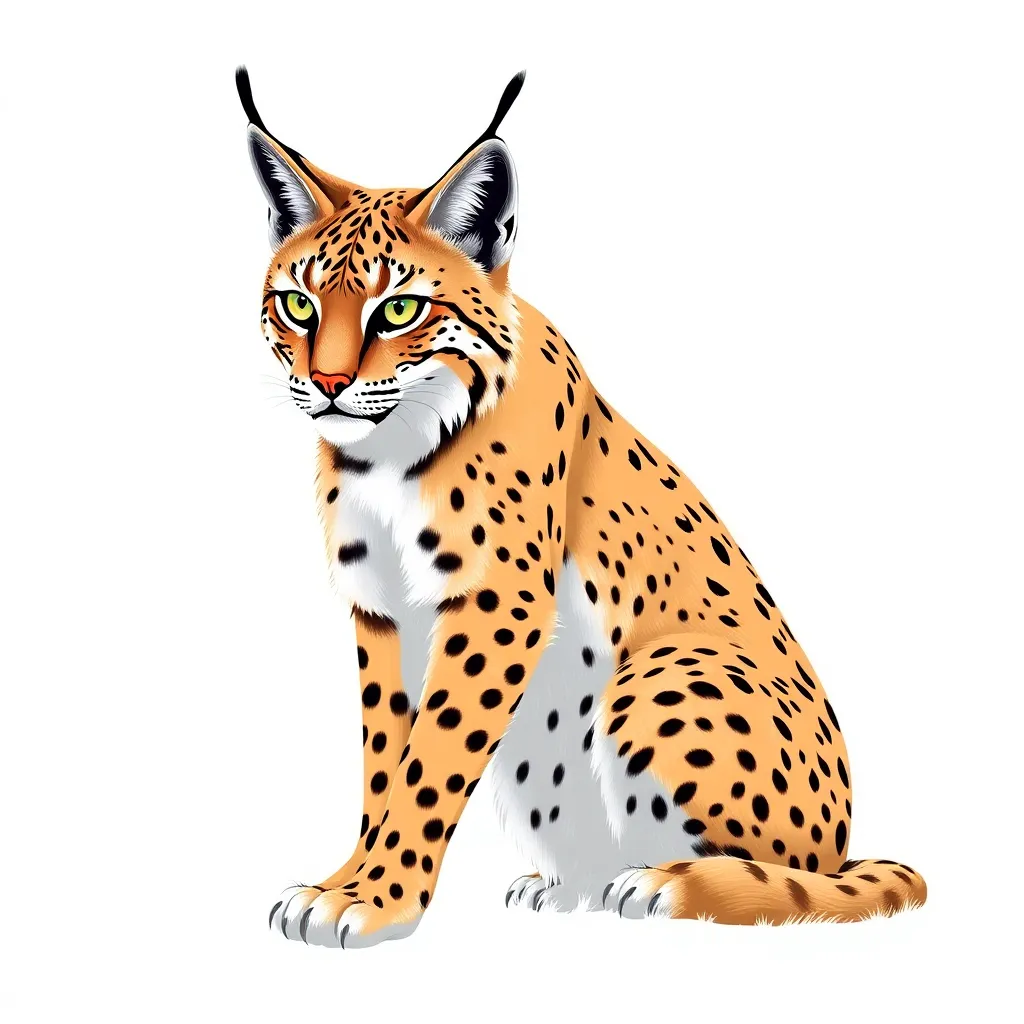
The Eurasian lynx is the largest of the four lynx species and Europe’s third-largest predator. Supremely adapted to life in deep snow, the lynx preys primarily on roe deer, chamois, and hares across boreal and mountain forests from western Europe to Central Asia. Its oversized paws act as natural snowshoes, enabling pursuit and ambush in terrain that stops most other predators. Critically secretive and solitary, lynx are rarely seen despite sharing landscapes with millions of people.
About the Lynx
Lynx lynx
Advertisement
⚡ Speed Comparison
📸 Photo Gallery



💡 Fun Facts
01
Lynx paws are so large relative to body weight that they function as built-in snowshoes, exerting less pressure per square inch on snow than a human foot.
02
In Eurasia, single lynx territories can span up to 1,000 km², making them one of the widest-ranging medium felids.
03
The tufts on a lynx's ears are not decorative — they enhance directional hearing by funneling sound waves.
04
Lynx populations in Canada cycle almost perfectly in sync with snowshoe hare populations, peaking and crashing every ~10 years.
05
Lynx have excellent low-light vision, seeing clearly in conditions 6× darker than a human can perceive.
📍 Where to Find This Animal
Habitat Types:
Boreal Forest
🛒 Lynx Related Gear
As an Amazon Associate we earn from qualifying purchases.









Join the Conversation
Share your thoughts about the Lynx