Loading Wildlife…

Psittacidae LC

THE

BUDGERIGAR

Jewel of the Outback Sky

Melopsittacus undulatus

Oceania
CLASS Aves FAMILY Psittacidae GENUS Melopsittacus
80 km/h
Top Speed
⚖️
25-40 g kg
Max Weight
📏
18-20 cm
Body Length
🕰️
5-10 years
Lifespan
🍖
Granivore
Diet Type

IUCN Red List — Where this species stands

LC Least Concern
NT Near Threatened
VU Vulnerable
EN Endangered
CR Critical
EW Extinct Wild
EX Extinct

About the Budgerigar

Melopsittacus undulatus

Advertisement

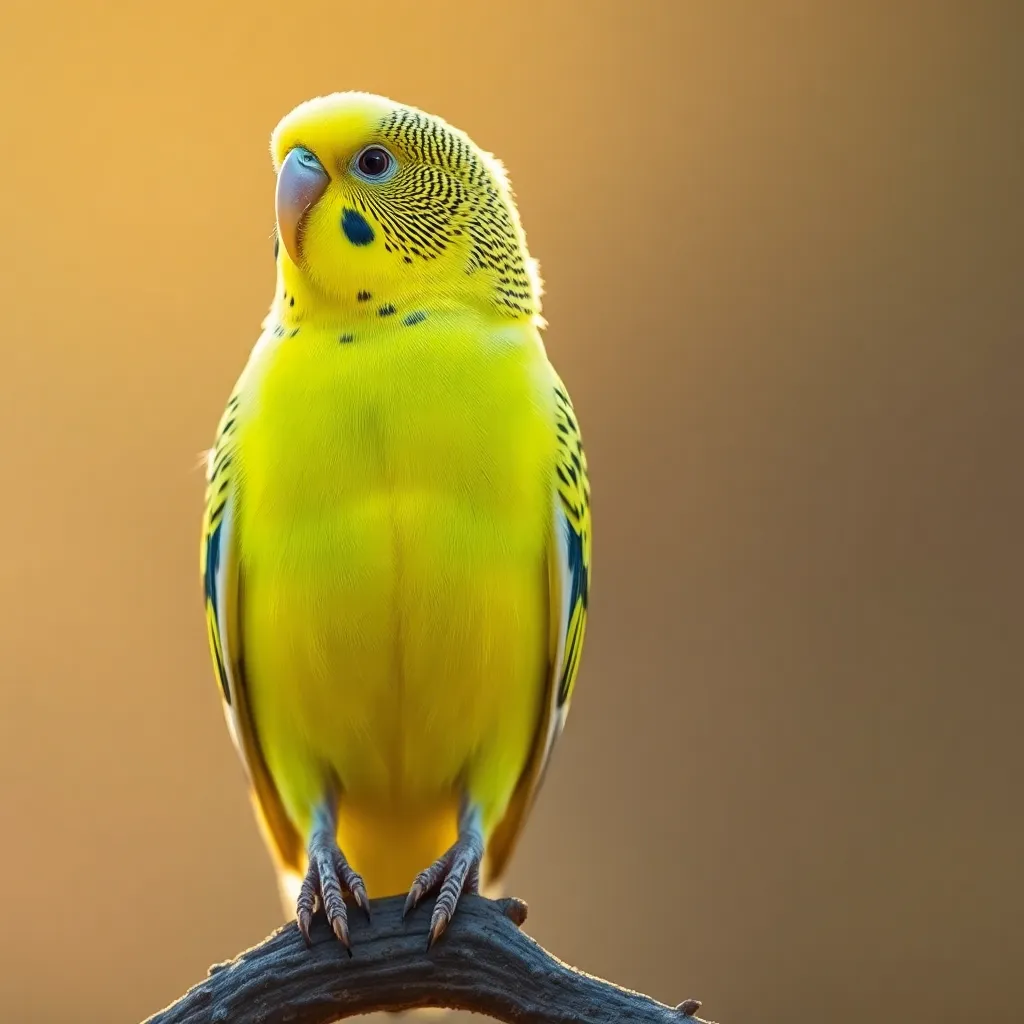
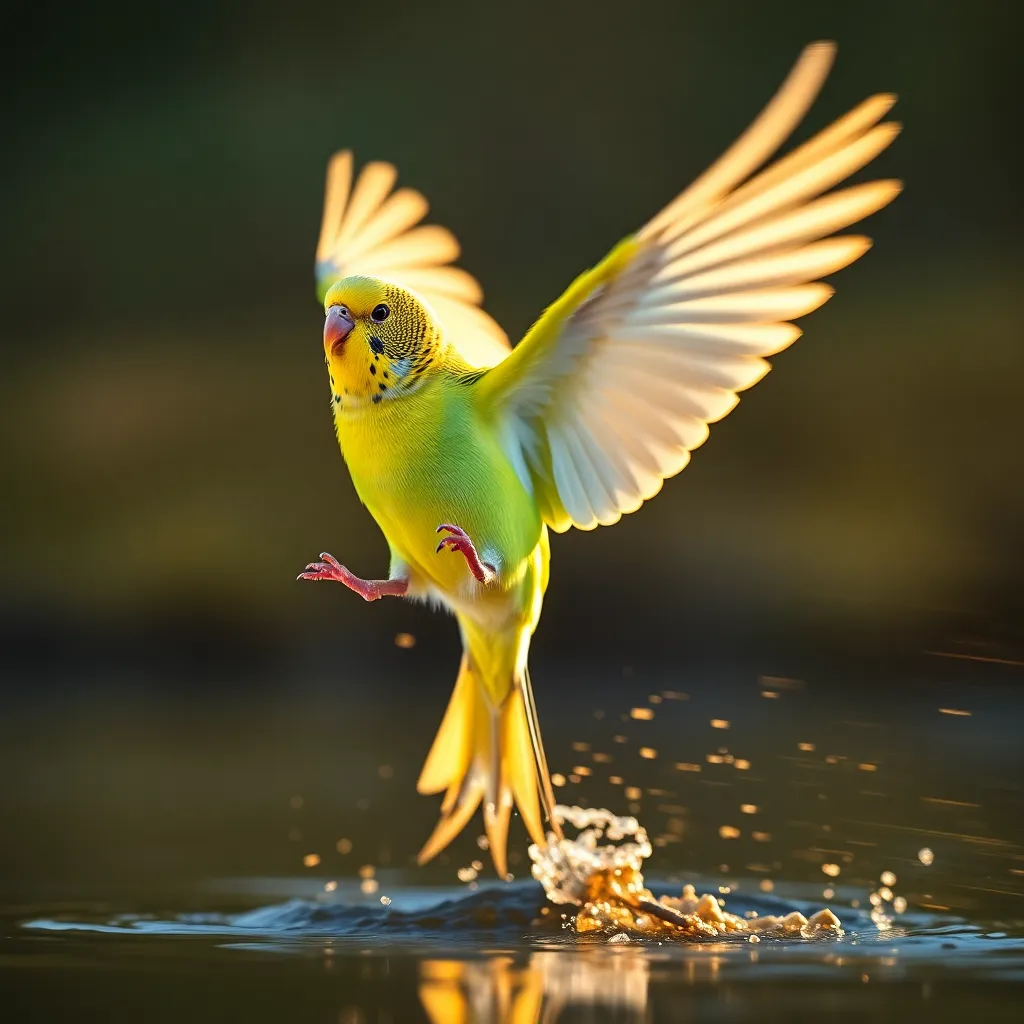
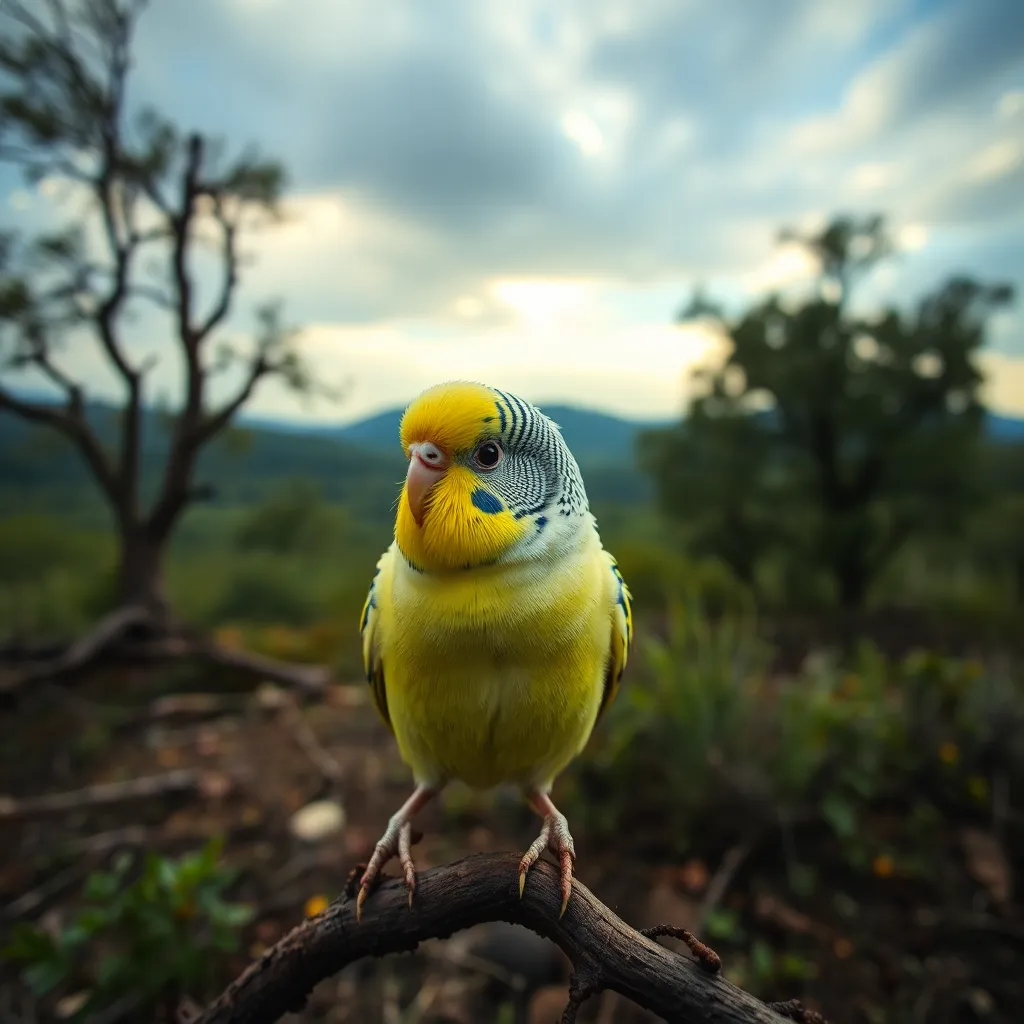
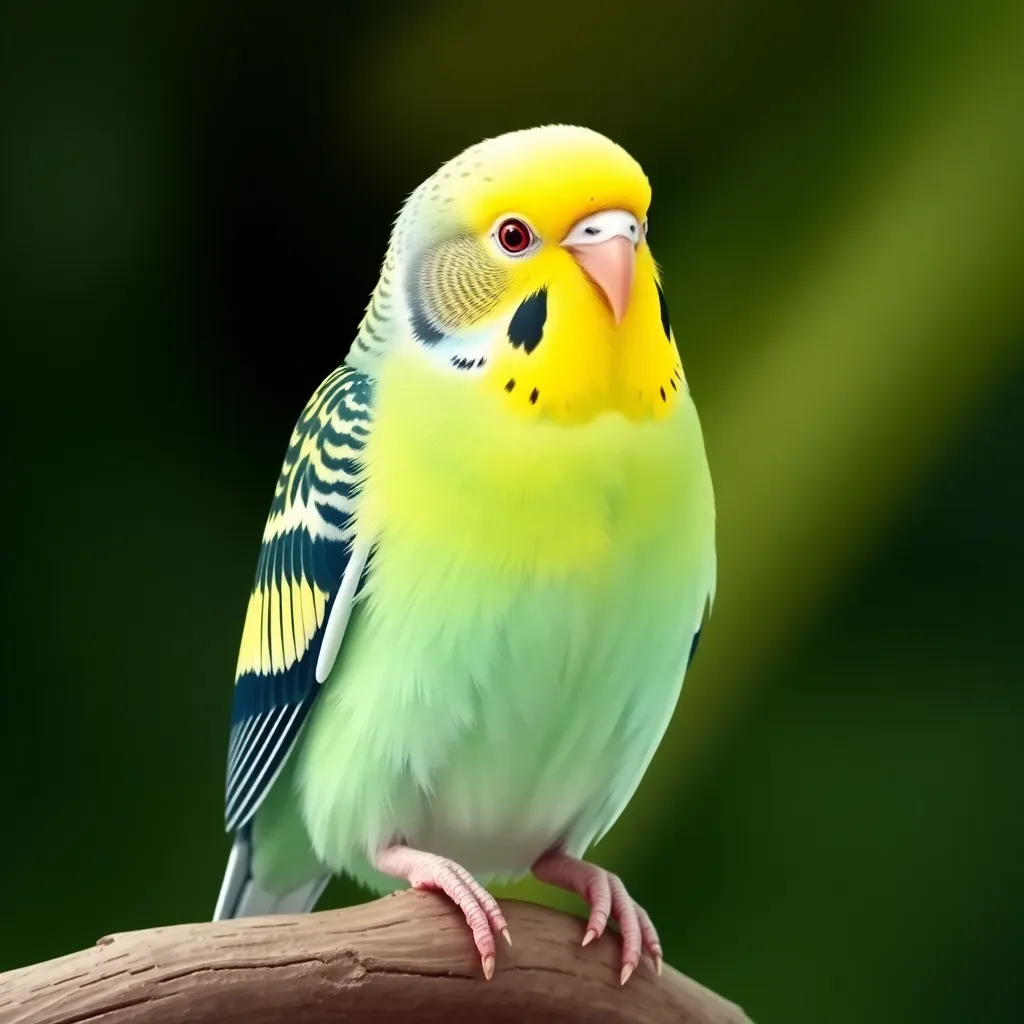
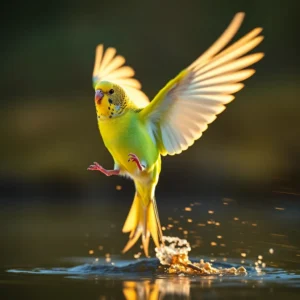
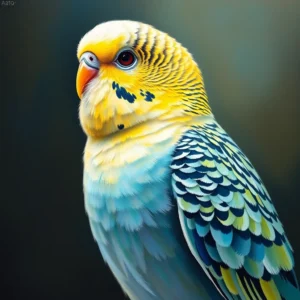
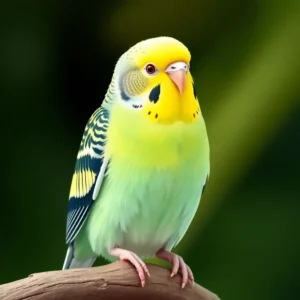
The Budgerigar is Australia’s most abundant native parrot and one of the world’s most popular pet birds, domesticated from wild flocks that form some of the largest nomadic bird aggregations on Earth. Wild budgies travel in roiling flocks of millions across inland Australia, following rainfall and fresh seed growth across the arid interior. Despite their tiny size, they can fly at speeds exceeding 80 km/h and navigate hundreds of kilometers of featureless desert using the Earth’s magnetic field and polarized light patterns in the sky.

⚡ Speed Comparison

Human
12 km/h
Car (city)
50 km/h
Horse
54 km/h
Budgerigar
80 km/h

💡 Fun Facts

01

Wild budgerigar flocks in inland Australia can number in the millions, forming clouds of birds that take minutes to pass overhead — one of the world's great wildlife spectacles.

02

The cere (the fleshy patch at the base of the bill) changes color between males and females: adult males have a blue cere, while females have a brownish-white one.

03

Budgerigars can see ultraviolet light; male plumage reflects UV in patterns invisible to humans that are used in mate selection.

04

They have been used in scientific studies on birdsong acquisition, revealing that budgies learn their calls socially in a process remarkably parallel to human language acquisition.

05

In captivity, budgies can develop 'diphthong' vocalizations — combining two syllables into novel speech units — suggesting a linguistic creativity beyond pure mimicry.

Unlock Expert Wildlife Facts

Watch a short 15-second video to unlock detailed expert analysis, exclusive wildlife photography, and rare behavioral facts.

📍 Where to Find This Animal

🛒 Budgerigar Related Gear

As an Amazon Associate we earn from qualifying purchases.
🗨️

Join the Conversation

Share your thoughts about the Budgerigar

✍️

Leave a Comment

Your email address will not be published. Required fields are marked *

How Big Is a Budgerigar?

Side-by-side comparison with an adult human (175 cm)

🧍
Human
175 cm
🦜
Budgerigar
65 cm
shoulder height
25-40 BODY WEIGHT
18-20 BODY LENGTH
80 TOP SPEED
5-10 LIFESPAN
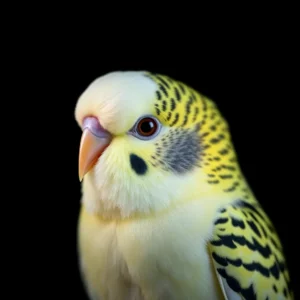
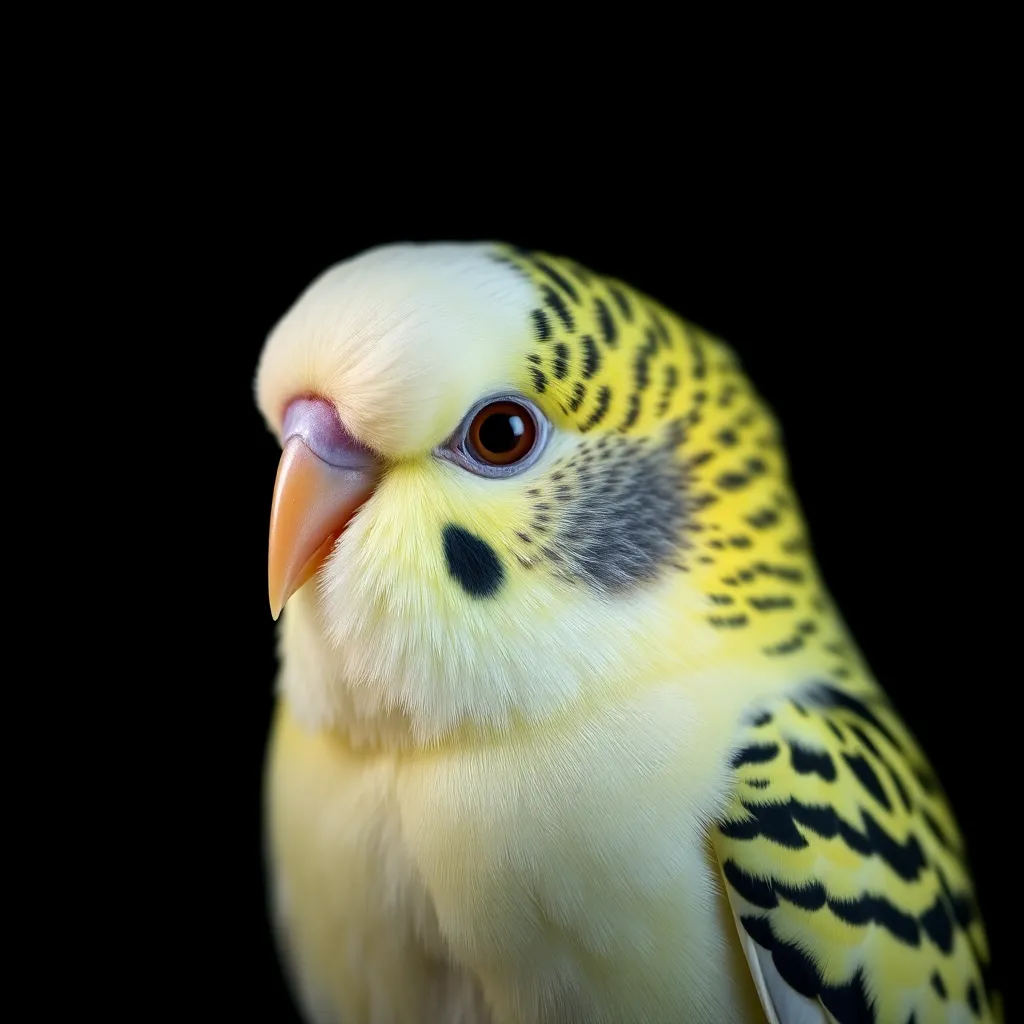
Budgerigar close-up
Budgerigar

SURVIVAL TOOLKIT

Built for Survival

Nature's engineering refined over millions of years

🔬 SURVIVAL TOOLKIT
Water-Independent Diet
01

Water-Independent Diet

A diet of dry seeds requires very little water; metabolic water produced during digestion can sustain budgies for extended periods without drinking.

UV Plumage Signals
02

UV Plumage Signals

Feather barbs reflect ultraviolet wavelengths invisible to humans but highly visible to other budgies, encoding health and fitness information.

Magnetic Navigation
03

Magnetic Navigation

Cryptochrome proteins in the eye and suspected magnetite deposits allow long-distance navigation across featureless arid landscapes.

High-Speed Flight
04

High-Speed Flight

A streamlined body with long, pointed wings produces a swift, agile flight profile capable of sustained speeds over 80 km/h.

Social Vocal Learning
05

Social Vocal Learning

Budgies learn contact calls from flock members — a rare form of vocal learning that allows cohesion across massive nomadic flocks.

Jewel of the Outback Sky. An extraordinary creature that reminds us what we stand to lose.

Jungal Safari · Wildlife Network
💡

Did You Know?

Wild budgerigar flocks in inland Australia can number in the millions, forming clouds of birds that take minutes to pass overhead — one of the world's great wildlife spectacles.

🍖 DIET: GRANIVORE

What Does the Budgerigar Eat?

🌾
Grass Seeds
🌿
Leaves & Shoots
🌸
Flower Buds
🐛
Insects (seasonal)
🗺️ GEOGRAPHIC RANGE

Where Do Budgerigars Live?

🌍
Continents
📉
Population Trend Declining

Conservation in Action

How You Can Help the Budgerigar

Small actions, taken together, can reverse the decline of species like this one

🌳
Protect Habitat

Support wildlife reserves and protected land corridors

🚫
Stop Poaching

Report illegal trade and back anti-poaching patrols

🔬
Fund Research

Camera-trap studies and population monitoring

🤝
Community Work

Partner with local herders to reduce conflict

📢
Raise Awareness

Educate and inspire future wildlife champions

"Without urgent action, the Budgerigar could disappear from the wild within our lifetime."

PROTECT THEM. PRESERVE THEIR LEGACY.

The Budgerigar's Future
Is In Our Hands

Every share, every donation, every voice raised — makes a difference for wildlife conservation.

🌳Protect Habitat
📢Raise Awareness
💰Fund Research
🤝Community Work
🚫Stop Poaching

"Protect Wildlife. Preserve Our Planet."

Every species matters. Every action counts.

Advertisement