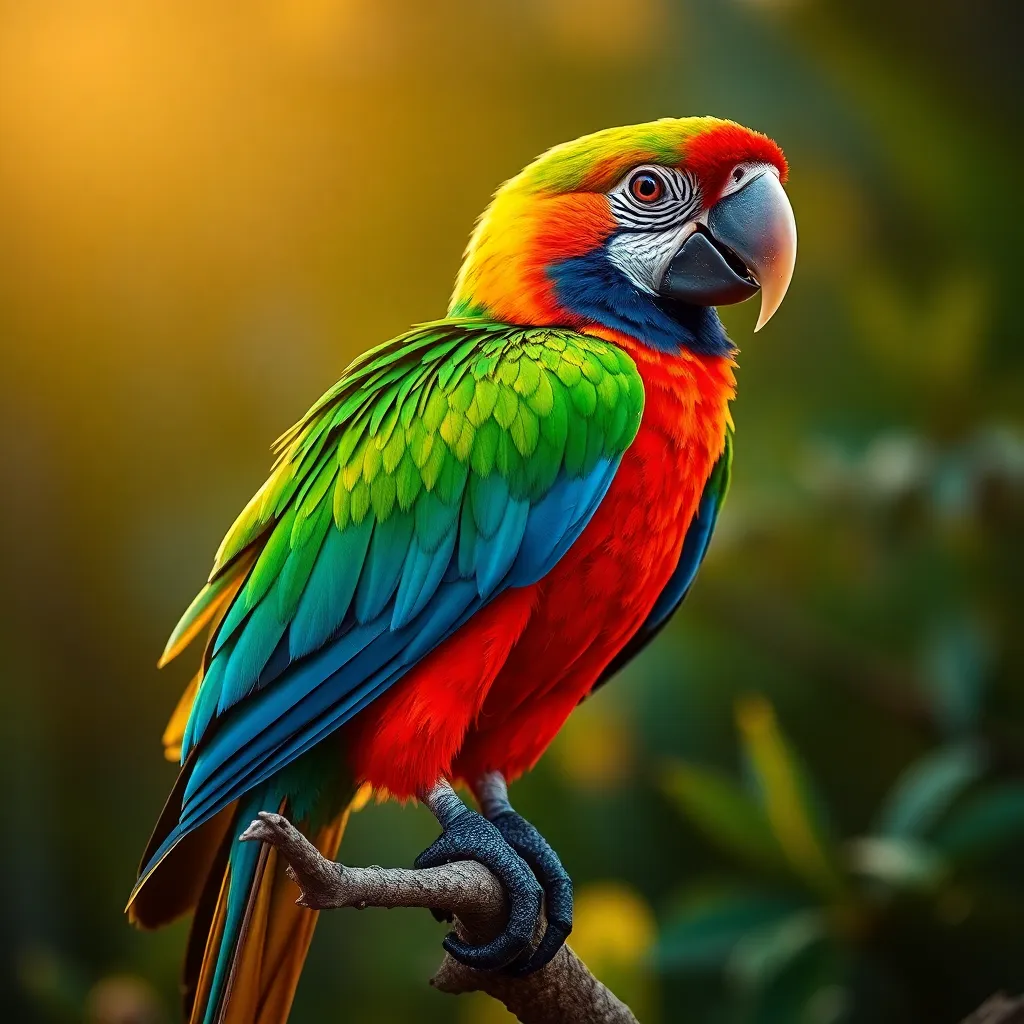
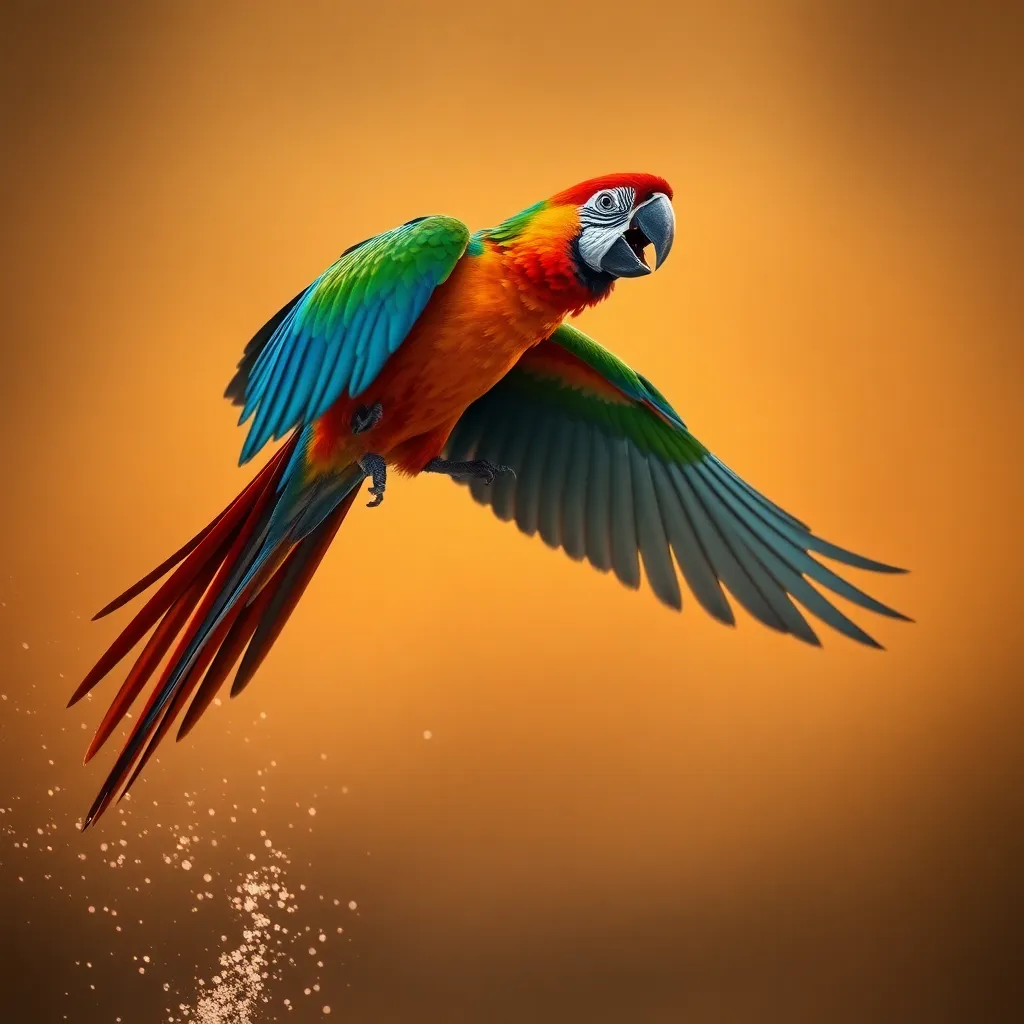
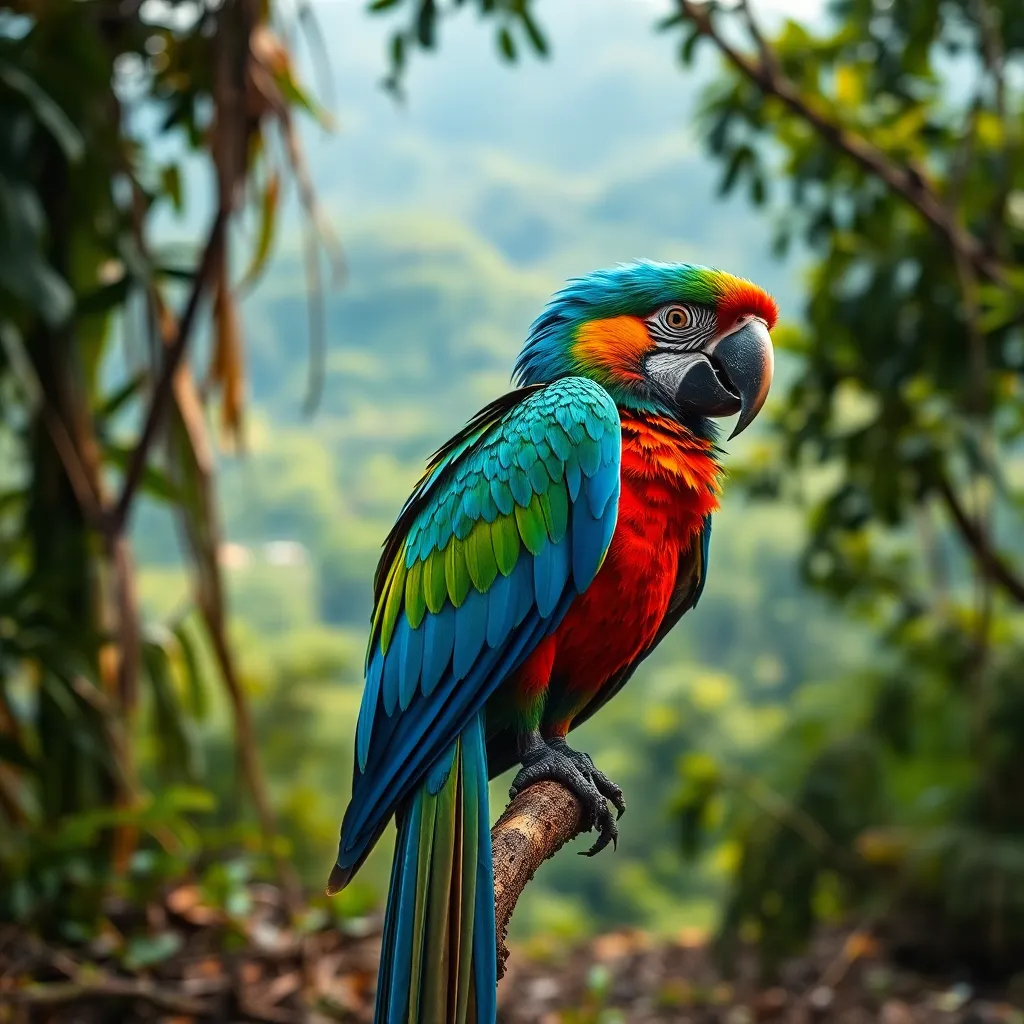
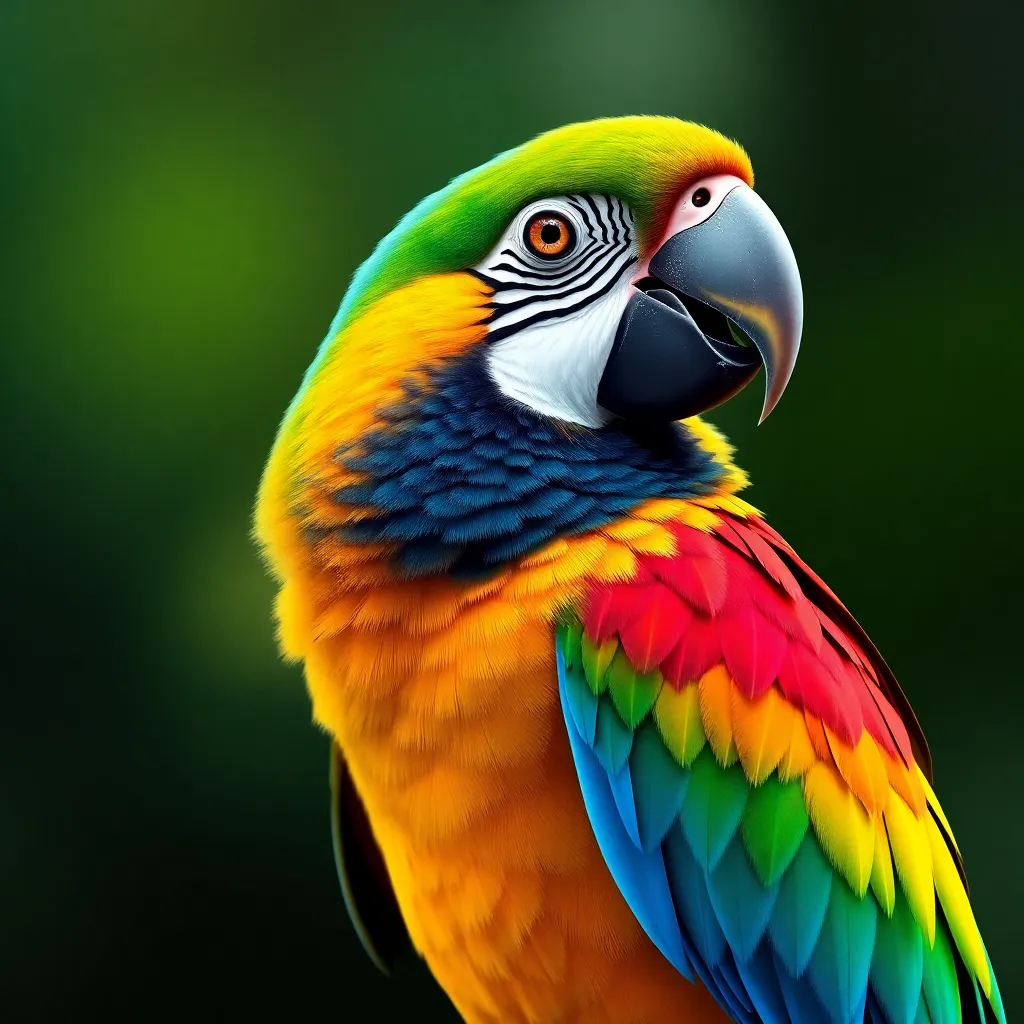
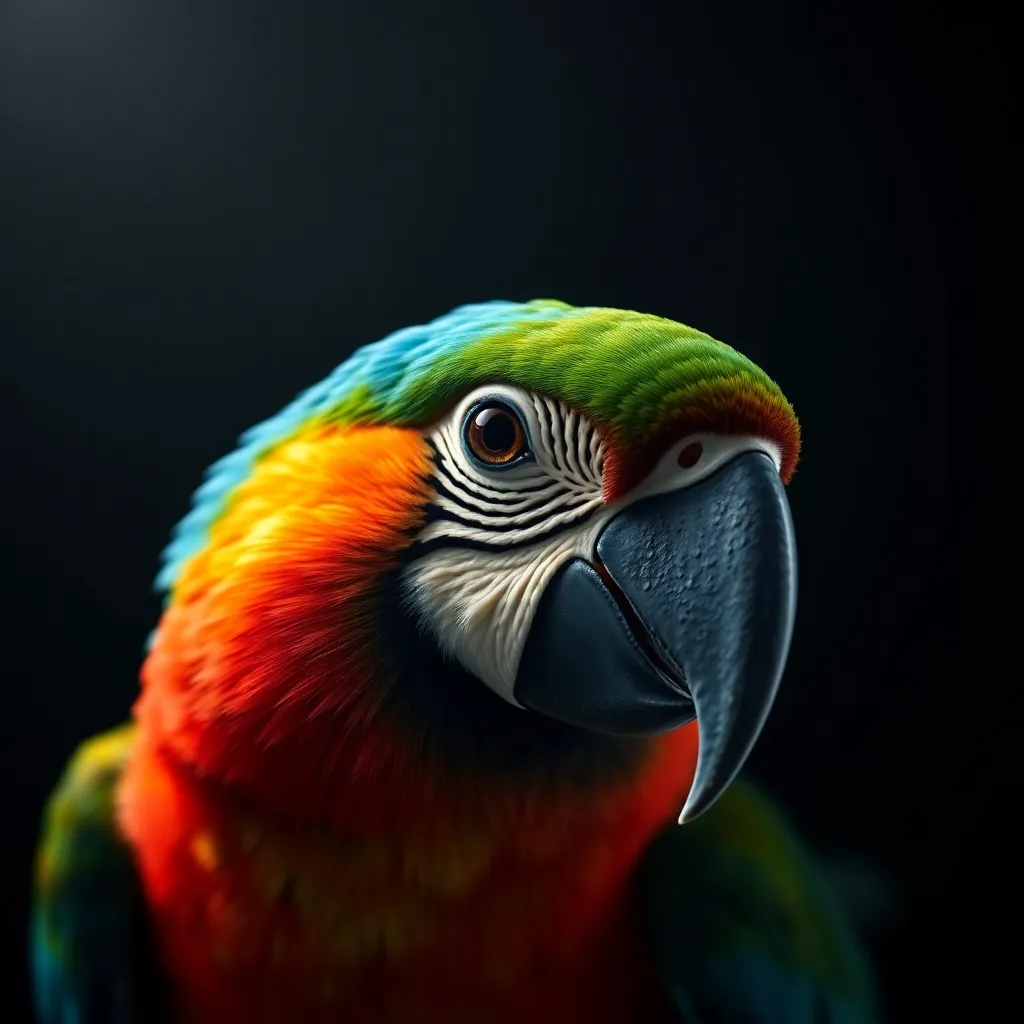
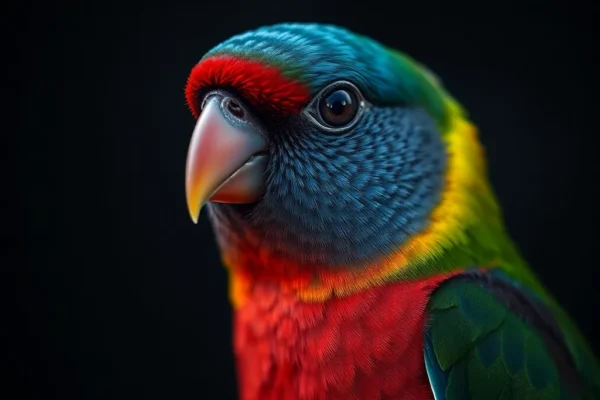
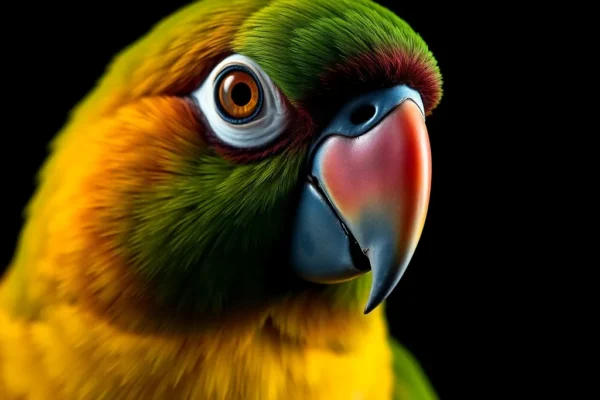
The scarlet macaw is one of the most spectacular and intelligent birds in the Americas, ranging from Mexico through Central America to Bolivia and Brazil. As seed dispersers and fruit consumers in intact rainforest, macaws play a critical ecological role. They are famous for visiting mineral-rich clay licks, where hundreds gather to consume kaolin clay that neutralizes toxins in the unripe fruits and seeds they eat. Scarlet macaws are capable of remarkable vocal mimicry and demonstrate complex tool-assisted problem solving.
About the Macaw
Ara macao
Advertisement
⚡ Speed Comparison
📸 Photo Gallery
💡 Fun Facts
01
Macaws visit clay licks not for minerals but for kaolin clay that adsorbs and neutralizes toxins in the unripe, chemically defended seeds they consume.
02
Scarlet macaws have been demonstrated to pass the same problem-solving tests that stump great apes, including multi-step causal reasoning tasks.
03
Each macaw feather barb is loaded with structural nanostructures rather than pigments to produce their most vivid blues — the color comes from light physics, not chemistry.
04
Mated macaw pairs are essentially inseparable — they fly, eat, and roost in contact, and widowed birds often show lasting behavioral changes.
05
Macaws can live 60 years or more in captivity, meaning a bird purchased as a pet may outlive its owner and require care arrangements.
📍 Where to Find This Animal
Habitat Types:
Tropical Rainforest
🛒 Macaw Related Gear
As an Amazon Associate we earn from qualifying purchases.



Join the Conversation
Share your thoughts about the Macaw