Loading Wildlife…

Salamandridae LC

THE

SALAMANDER

Fire Myth of the Forest Floor

Salamandra salamandra

Europe
CLASS Amphibia FAMILY Salamandridae GENUS Salamandra
0.5 km/h
Top Speed
⚖️
25–60 g kg
Max Weight
📏
15–25 cm
Body Length
🕰️
14–20 years
Lifespan
🍖
Carnivore
Diet Type

IUCN Red List — Where this species stands

LC Least Concern
NT Near Threatened
VU Vulnerable
EN Endangered
CR Critical
EW Extinct Wild
EX Extinct

About the Salamander

Salamandra salamandra

Advertisement

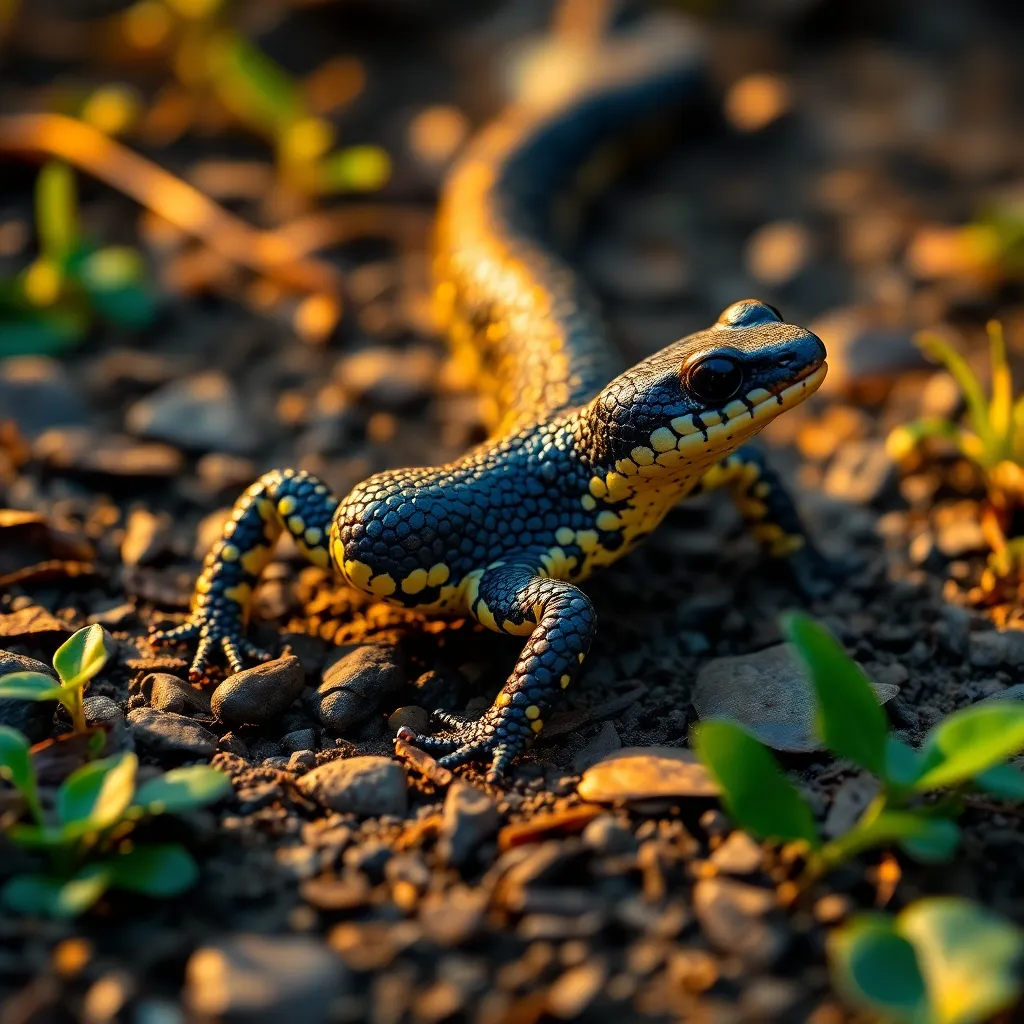
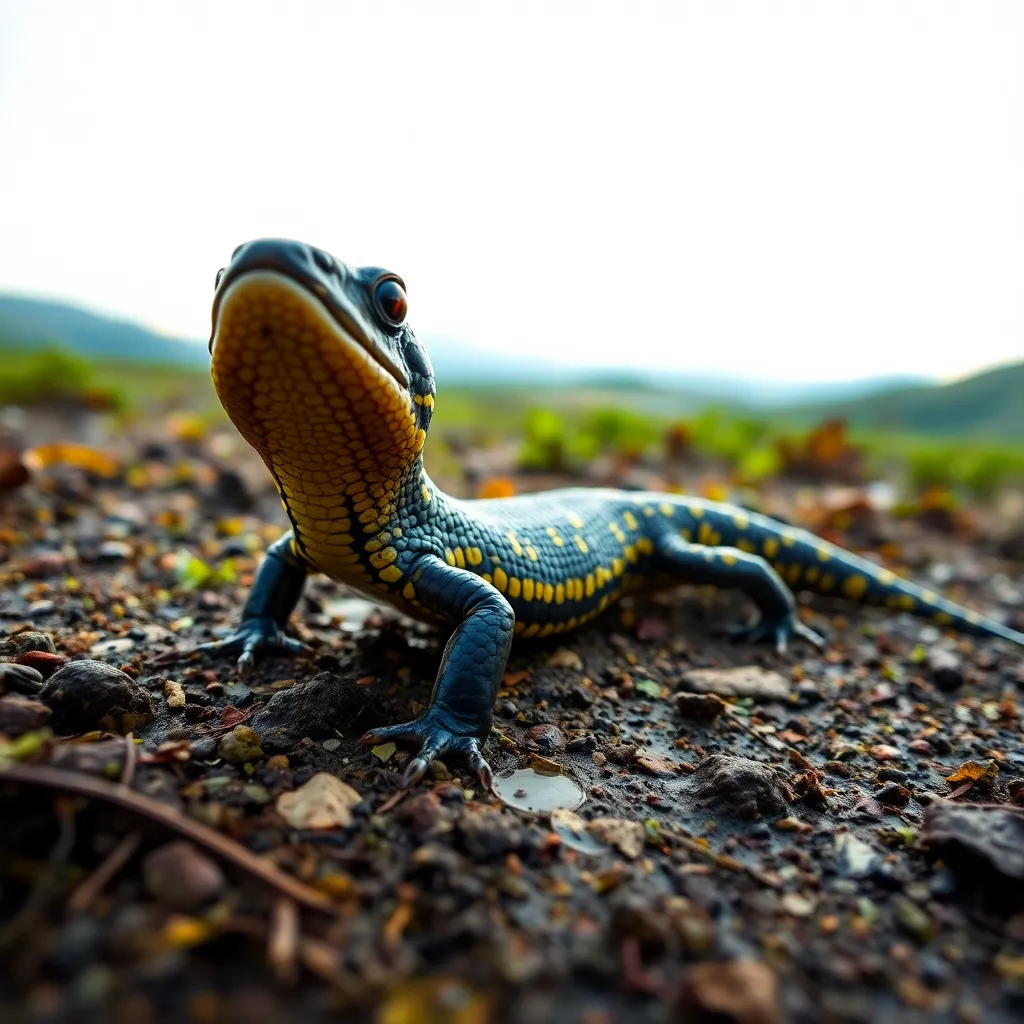
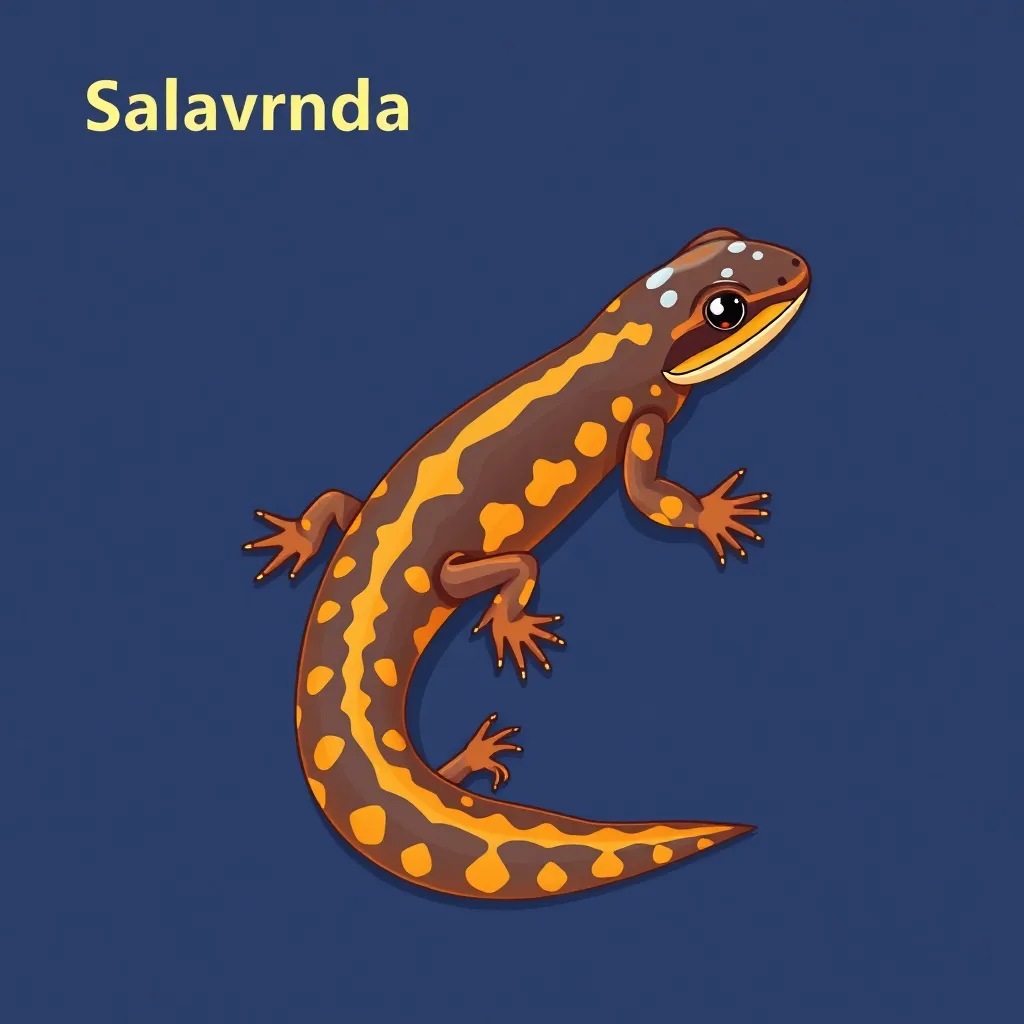
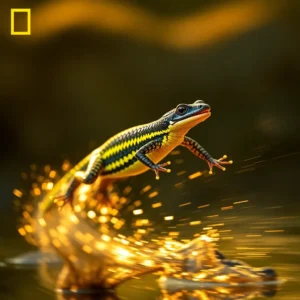
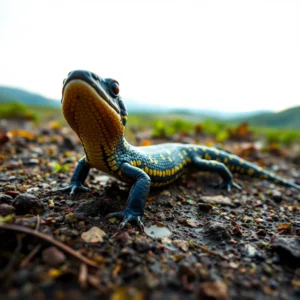
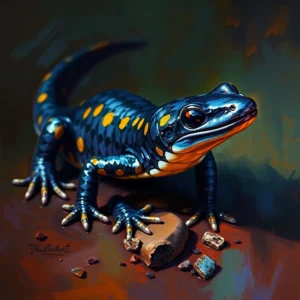
The fire salamander is one of Europe’s most recognizable amphibians, its striking black and yellow warning coloration advertising the potent neurotoxic alkaloids secreted from parotoid glands behind its head. The vivid yellow markings are a classic example of aposematism — a biological warning system that tells predators this animal is poisonous and dangerous. Fire salamanders gave rise to the myth that they could live in fire, as logs carried indoors for fuel would often release the secretive animals sheltering within when the wood was placed on a fire.

⚡ Speed Comparison

Salamander
1 km/h
Human
12 km/h
Car (city)
50 km/h
Horse
54 km/h

💡 Fun Facts

01

The ancient belief that salamanders were born from fire arose because they shelter inside rotting logs — when the logs were placed on fires, salamanders would crawl out of the flames, apparently unharmed.

02

Fire salamanders secrete samandarin — a steroidal alkaloid so toxic that a small amount applied to a frog's skin causes tetanic convulsions within seconds.

03

Unlike most amphibians that lay eggs in water, fire salamanders are viviparous — females retain developing larvae internally and give birth to fully formed, gill-bearing larvae directly into streams.

04

A fire salamander can regenerate lost limbs, eyes, and portions of the heart with functional precision, a capacity studied intensively for insights into potential regenerative medicine.

05

Fire salamanders are devastatingly threatened by Bsal (Batrachochytrium salamandrivorans), a fungal disease from Asia that has caused near-total extinction of some European populations within years of arrival.

Unlock Expert Wildlife Facts

Watch a short 15-second video to unlock detailed expert analysis, exclusive wildlife photography, and rare behavioral facts.

📍 Where to Find This Animal

🛒 Salamander Related Gear

As an Amazon Associate we earn from qualifying purchases.
🗨️

Join the Conversation

Share your thoughts about the Salamander

✍️

Leave a Comment

Your email address will not be published. Required fields are marked *

How Big Is a Salamander?

Side-by-side comparison with an adult human (175 cm)

🧍
Human
175 cm
🦎
Salamander
65 cm
shoulder height
25–60 BODY WEIGHT
15–25 BODY LENGTH
0.5 TOP SPEED
14–20 LIFESPAN
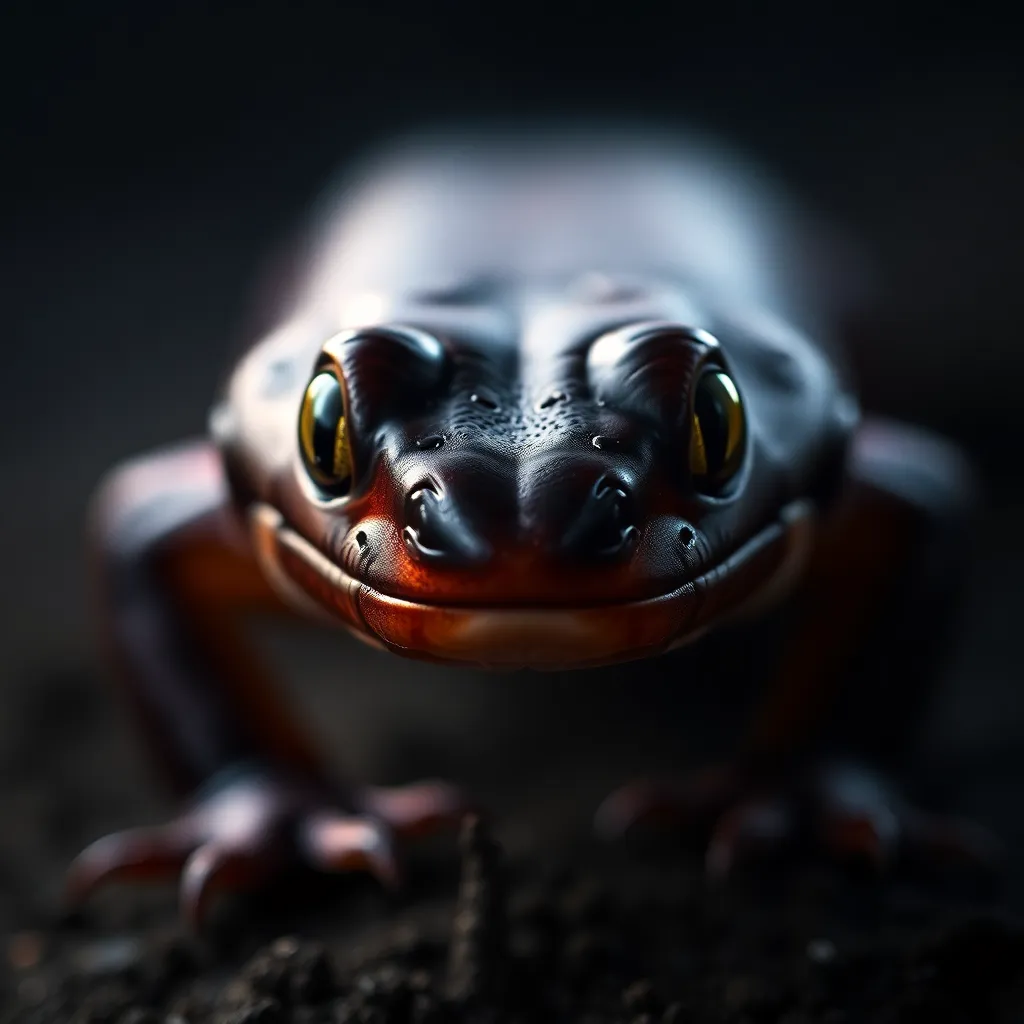
Salamander close-up
Salamander

SURVIVAL TOOLKIT

Built for Survival

Nature's engineering refined over millions of years

🔬 SURVIVAL TOOLKIT
Aposematic Coloration
01

Aposematic Coloration

Vivid yellow spots and blotches on jet black skin signal toxicity to predators through visual warning coloration, reducing predation attempts dramatically after a single learned encounter.

Skin Toxin Glands
02

Skin Toxin Glands

Parotoid glands behind the head and skin granular glands across the body secrete alkaloid neurotoxins including samandarin that cause convulsions and death in small vertebrate predators.

Cutaneous Respiration
03

Cutaneous Respiration

Moist, vascularised skin allows gas exchange across the skin surface, supplementing pulmonary respiration and enabling prolonged activity in oxygen-rich, humid forest environments.

Nocturnal Rain Activity
04

Nocturnal Rain Activity

Fire salamanders are active primarily on rainy nights, timing surface activity to when humidity is highest to prevent desiccation of their permeable amphibian skin.

Live Birth Strategy
05

Live Birth Strategy

Ovoviviparity allows females to bypass the vulnerable aquatic egg stage, with larvae developing in a moist internal environment and deposited directly into small streams as advanced larvae.

Fire Myth of the Forest Floor. An extraordinary creature that reminds us what we stand to lose.

Jungal Safari · Wildlife Network
💡

Did You Know?

The ancient belief that salamanders were born from fire arose because they shelter inside rotting logs — when the logs were placed on fires, salamanders would crawl out of the flames, apparently unharmed.

🍖 DIET: CARNIVORE

What Does the Salamander Eat?

🐛
Earthworms & Slugs
🐜
Insects & Millipedes
🐌
Snails
🕷️
Spiders & Small Invertebrates
🗺️ GEOGRAPHIC RANGE

Where Do Salamanders Live?

🌍
Continents
📉
Population Trend Declining

Conservation in Action

How You Can Help the Salamander

Small actions, taken together, can reverse the decline of species like this one

🌳
Protect Habitat

Support wildlife reserves and protected land corridors

🚫
Stop Poaching

Report illegal trade and back anti-poaching patrols

🔬
Fund Research

Camera-trap studies and population monitoring

🤝
Community Work

Partner with local herders to reduce conflict

📢
Raise Awareness

Educate and inspire future wildlife champions

"Without urgent action, the Salamander could disappear from the wild within our lifetime."

PROTECT THEM. PRESERVE THEIR LEGACY.

The Salamander's Future
Is In Our Hands

Every share, every donation, every voice raised — makes a difference for wildlife conservation.

🌳Protect Habitat
📢Raise Awareness
💰Fund Research
🤝Community Work
🚫Stop Poaching

"Protect Wildlife. Preserve Our Planet."

Every species matters. Every action counts.

Advertisement