Loading Wildlife…

Hominidae EN

THE

ORANGUTAN

Red Sage of the Canopy

Pongo pygmaeus

Asia
CLASS Mammalia FAMILY Hominidae GENUS Pongo
4.5 km/h
Top Speed
⚖️
30-90 kg
Max Weight
📏
1.2-1.4 m
Body Length
🕰️
35-45 years
Lifespan
🍖
Frugivore
Diet Type

IUCN Red List — Where this species stands

LC Least Concern
NT Near Threatened
VU Vulnerable
EN Endangered
CR Critical
EW Extinct Wild
EX Extinct

About the Orangutan

Pongo pygmaeus

Advertisement

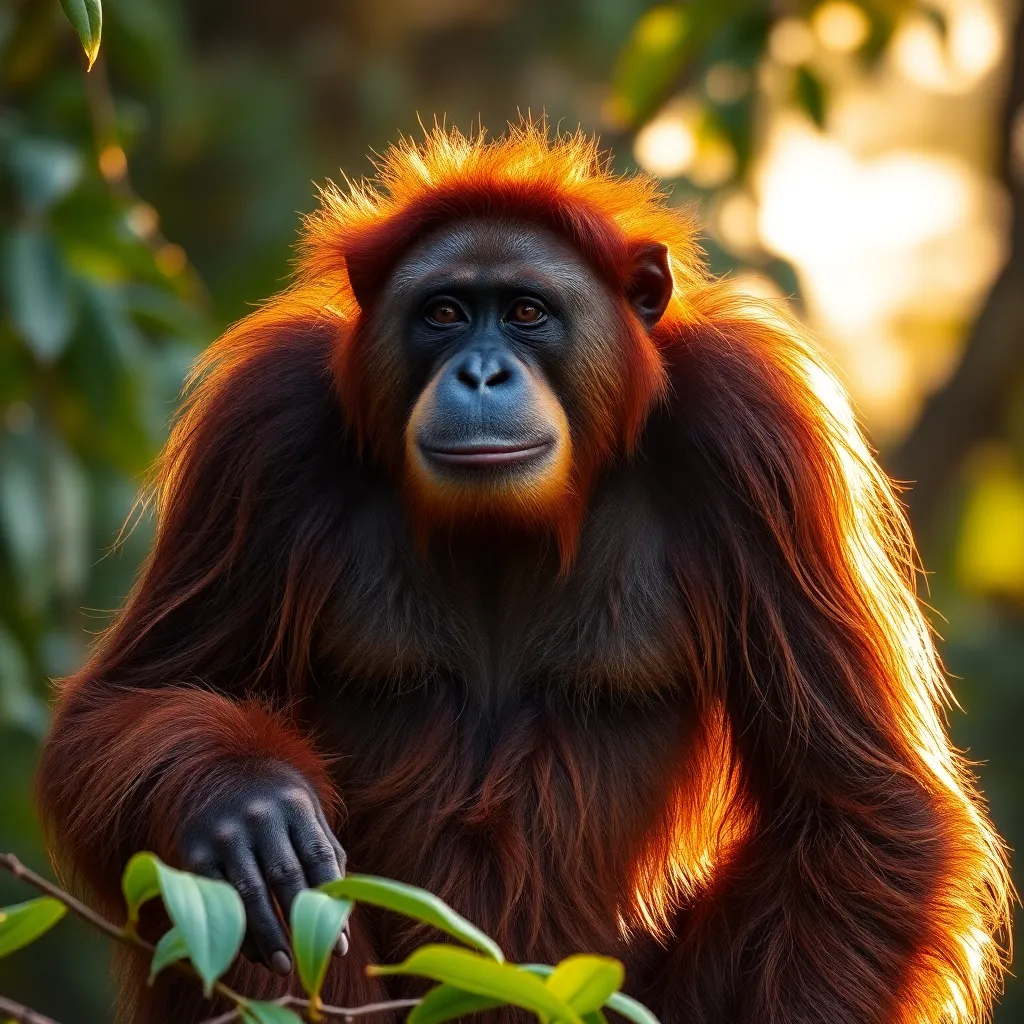
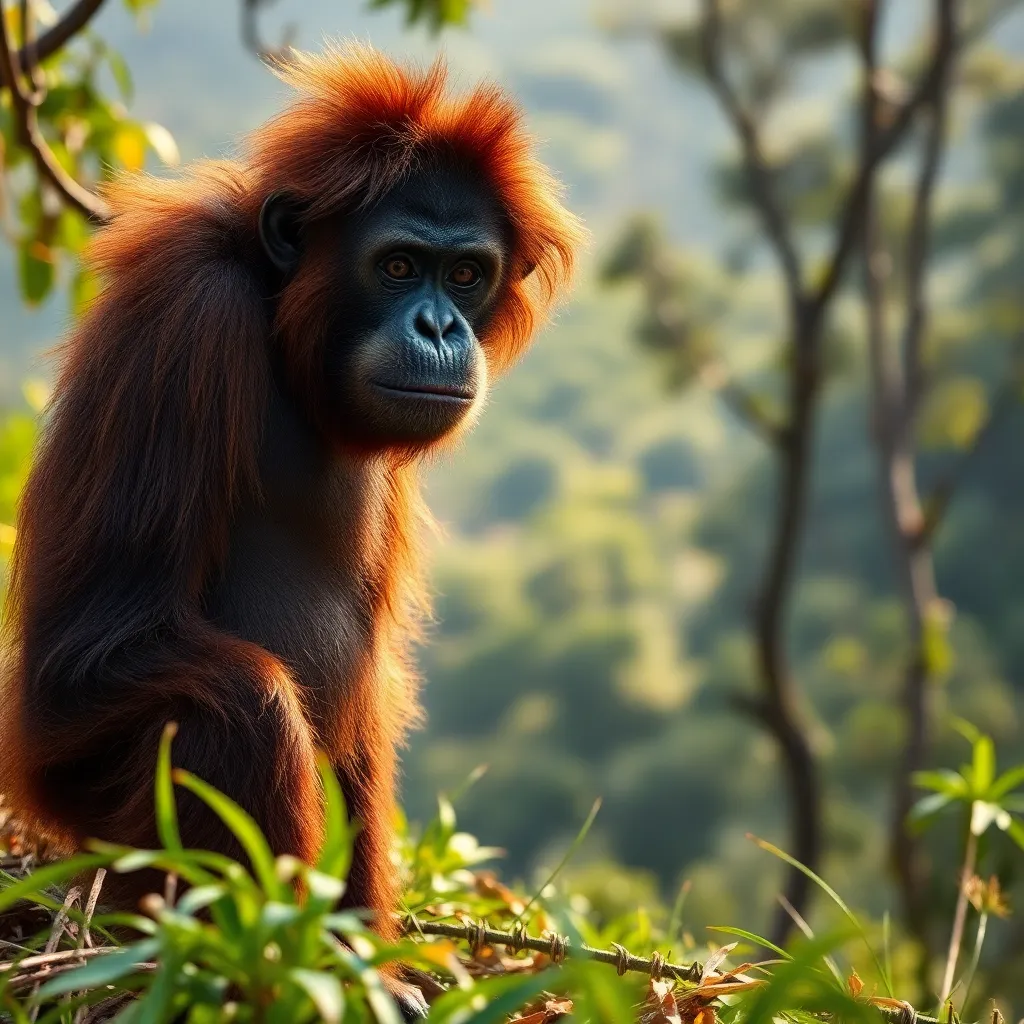
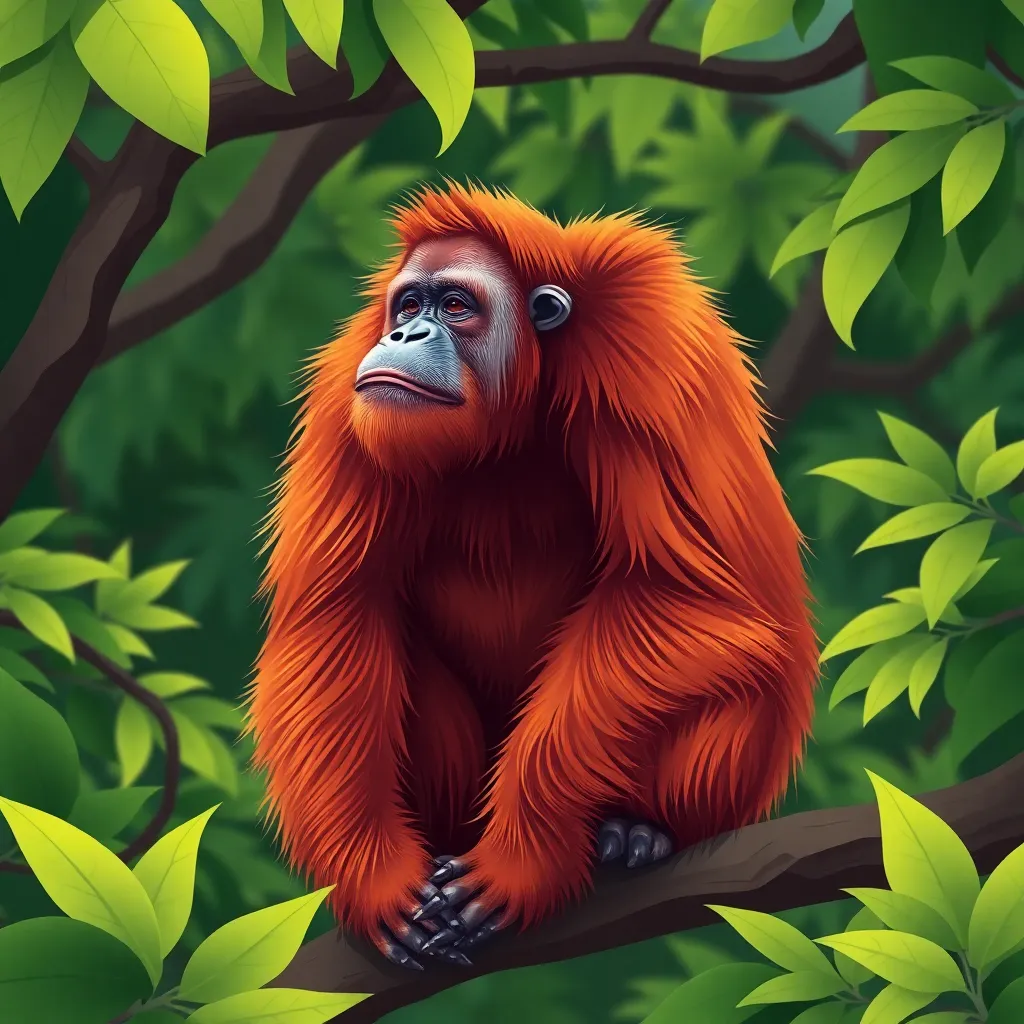
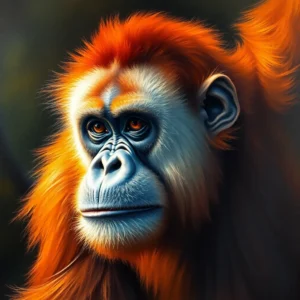
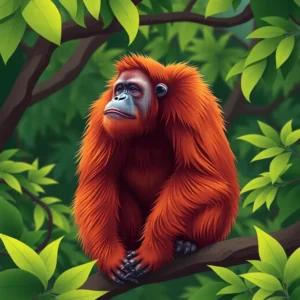
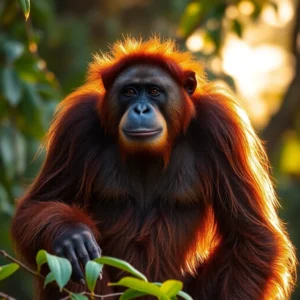
Orangutans are the largest tree-dwelling animals on Earth and share approximately 97% of their DNA with humans. Found only on Borneo and Sumatra, these great apes are critically threatened by habitat loss from palm oil plantations and logging. They are remarkably intelligent — orangutans have been observed making and using tools, constructing elaborate sleeping platforms nightly, and even practicing rudimentary medicine using plant compounds.

⚡ Speed Comparison

Orangutan
5 km/h
Human
12 km/h
Car (city)
50 km/h
Horse
54 km/h

💡 Fun Facts

01

Orangutans construct a new sleeping nest in the tree canopy every single night, engineering platforms of woven branches.

02

They are the slowest reproducers of any land mammal — females give birth only once every 7–9 years.

03

Orangutans have been observed applying chewed Akar Kuning plant to sore spots on their skin, suggesting self-medication.

04

Adult male Bornean orangutans develop large cheek flanges (pads) that amplify their long calls heard up to 2 km away.

05

They share ~97% of their DNA with humans, making them our third-closest living relative after chimpanzees and bonobos.

Unlock Expert Wildlife Facts

Watch a short 15-second video to unlock detailed expert analysis, exclusive wildlife photography, and rare behavioral facts.

📍 Where to Find This Animal

Habitat Types: Tropical Rainforest

🛒 Orangutan Related Gear

As an Amazon Associate we earn from qualifying purchases.
🗨️

Join the Conversation

Share your thoughts about the Orangutan

✍️

Leave a Comment

Your email address will not be published. Required fields are marked *

How Big Is a Orangutan?

Side-by-side comparison with an adult human (175 cm)

🧍
Human
175 cm
🦧
Orangutan
65 cm
shoulder height
30-90 BODY WEIGHT
1.2-1.4 BODY LENGTH
4.5 TOP SPEED
35-45 LIFESPAN
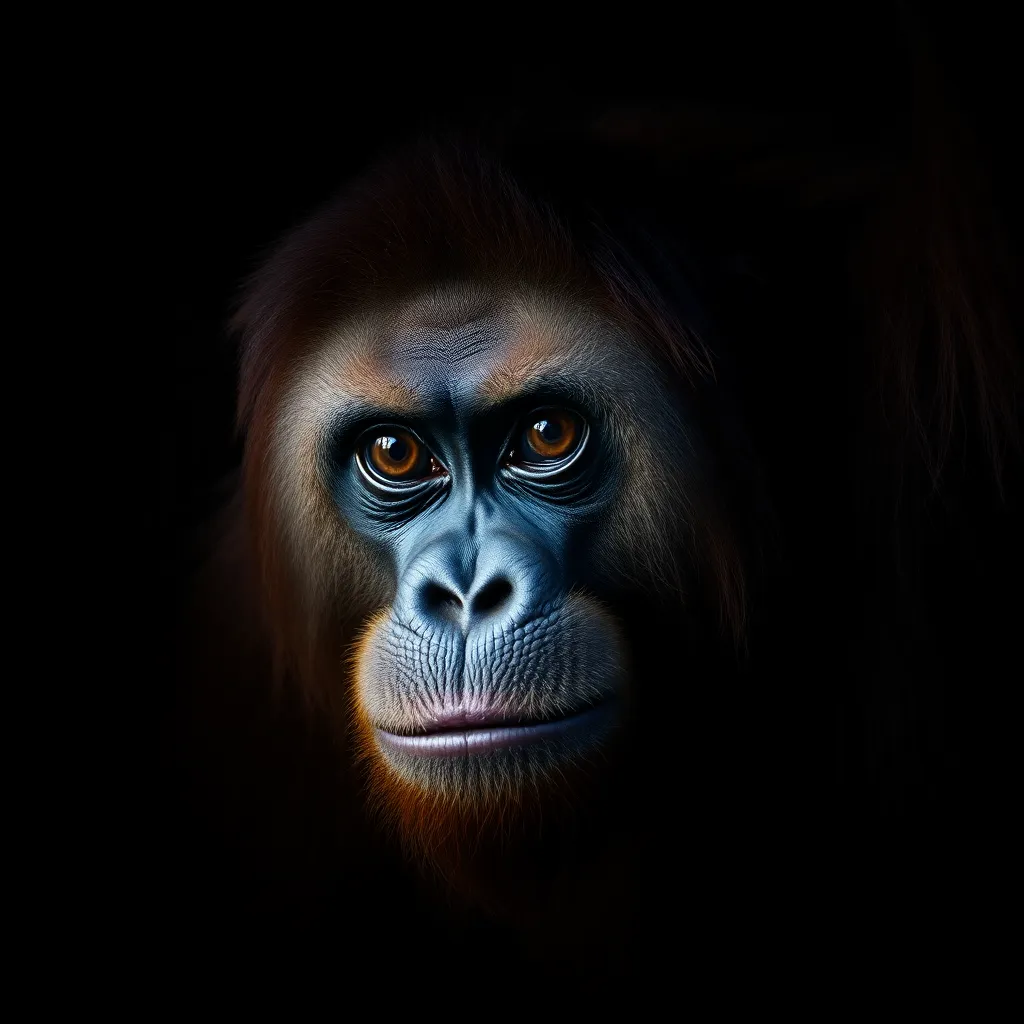
Orangutan close-up
Orangutan

SURVIVAL TOOLKIT

Built for Survival

Nature's engineering refined over millions of years

🔬 SURVIVAL TOOLKIT
Prehensile Hands & Feet
01

Prehensile Hands & Feet

All four limbs have long, hook-like fingers enabling a powerful grip for suspending their heavy body from branches.

Complex Tool Use
02

Complex Tool Use

Wild orangutans fashion sticks to extract insects, use leaves as umbrellas, and craft bark tools for food processing.

Fruit-Mapping Memory
03

Fruit-Mapping Memory

A spatial memory of thousands of fruit trees across their range allows efficient foraging across large forest territories.

Nightly Nest Building
04

Nightly Nest Building

Orangutans weave fresh platform nests high in trees each evening, insulating them from ground predators and rain.

Long Call Communication
05

Long Call Communication

Flanged adult males produce low-frequency 'long calls' that carry 2 km through dense forest to attract females and warn rivals.

Leaf Umbrellas
06

Leaf Umbrellas

Orangutans hold large leaves overhead during rain to reduce heat loss — one of the few observed tool uses for weather protection.

Red Sage of the Canopy. An extraordinary creature that reminds us what we stand to lose.

Jungal Safari · Wildlife Network
💡

Did You Know?

Orangutans construct a new sleeping nest in the tree canopy every single night, engineering platforms of woven branches.

🍖 DIET: FRUGIVORE

What Does the Orangutan Eat?

🍈
Wild Fruits
🌿
Leaves & Bark
🦗
Insects
🪵
Tree Pith
🍯
Honey
🗺️ GEOGRAPHIC RANGE

Where Do Orangutans Live?

🌍
Continents
📉
Population Trend Declining

Conservation in Action

How You Can Help the Orangutan

Small actions, taken together, can reverse the decline of species like this one

🌳
Protect Habitat

Support wildlife reserves and protected land corridors

🚫
Stop Poaching

Report illegal trade and back anti-poaching patrols

🔬
Fund Research

Camera-trap studies and population monitoring

🤝
Community Work

Partner with local herders to reduce conflict

📢
Raise Awareness

Educate and inspire future wildlife champions

"Without urgent action, the Orangutan could disappear from the wild within our lifetime."

PROTECT THEM. PRESERVE THEIR LEGACY.

The Orangutan's Future
Is In Our Hands

Every share, every donation, every voice raised — makes a difference for wildlife conservation.

🌳Protect Habitat
📢Raise Awareness
💰Fund Research
🤝Community Work
🚫Stop Poaching

"Protect Wildlife. Preserve Our Planet."

Every species matters. Every action counts.

Advertisement