The Arctic’s Apex Predator
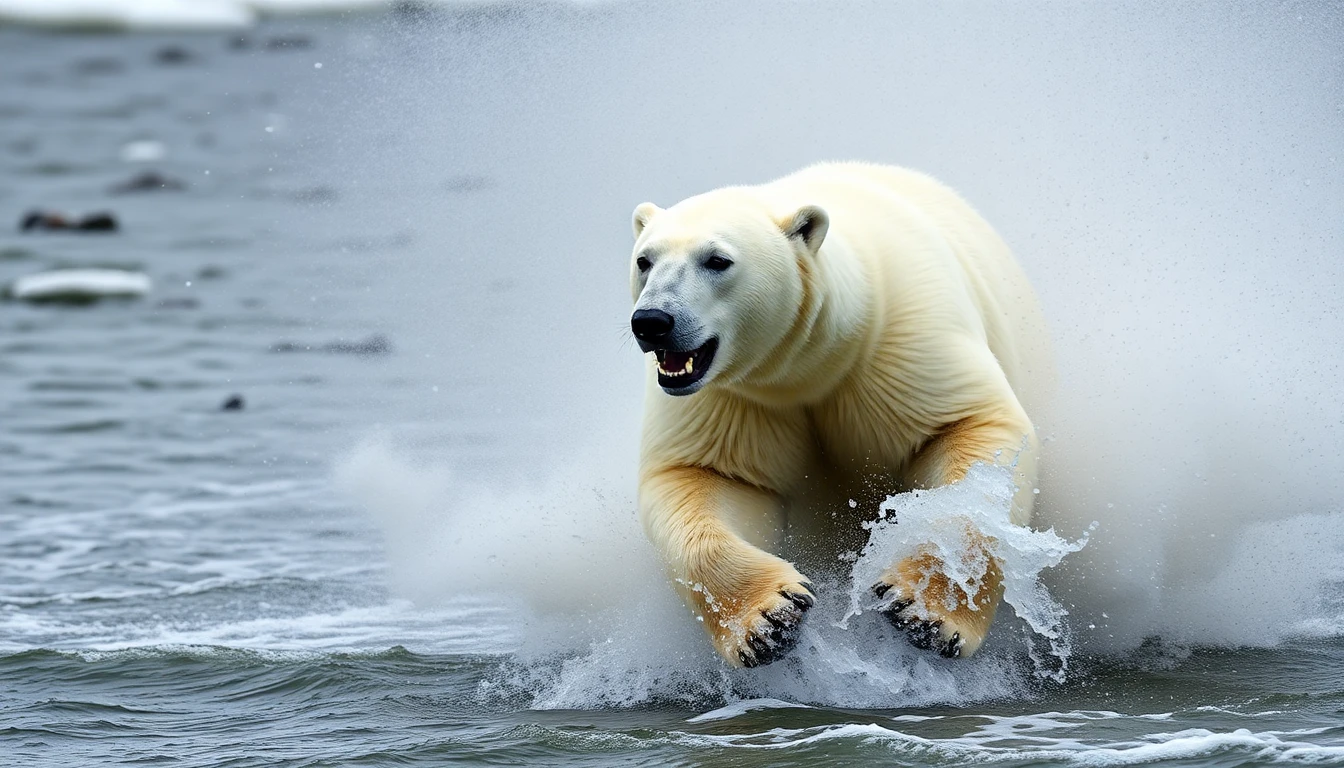
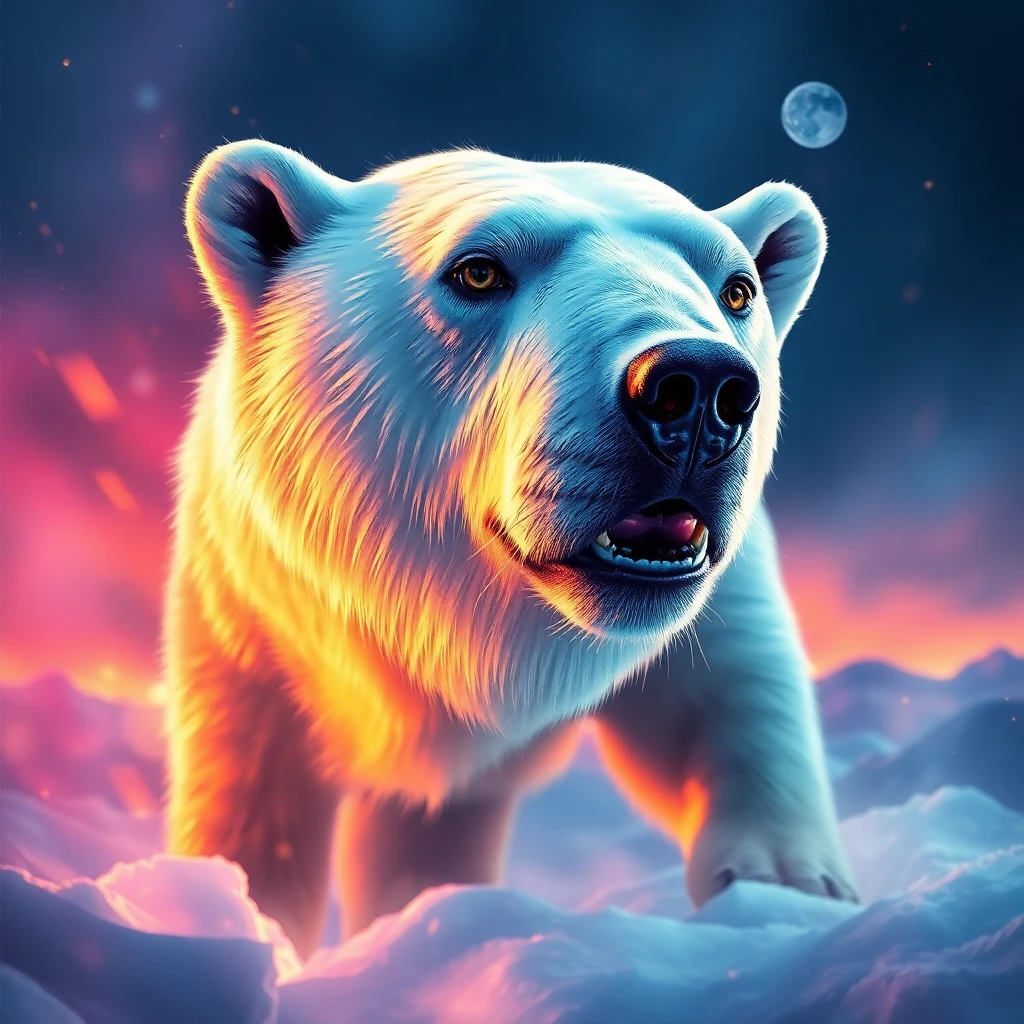
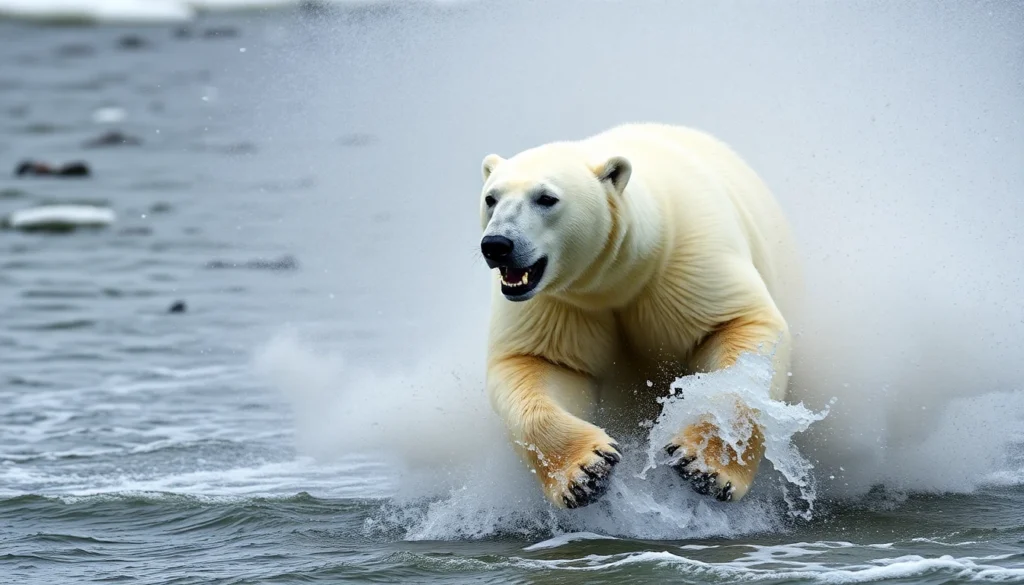
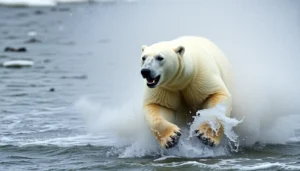
The Polar Bear (Ursus maritimus) — “sea bear” in Latin — is the world’s largest terrestrial carnivore and the supreme predator of the Arctic ecosystem. Evolved from brown bears approximately 150,000 years ago, polar bears have adapted so completely to their sea ice environment that they spend months at sea, swimming between ice floes, and can fast for up to 8 months during ice-free periods by entering a state of “walking hibernation.”
White Fur? Actually Transparent
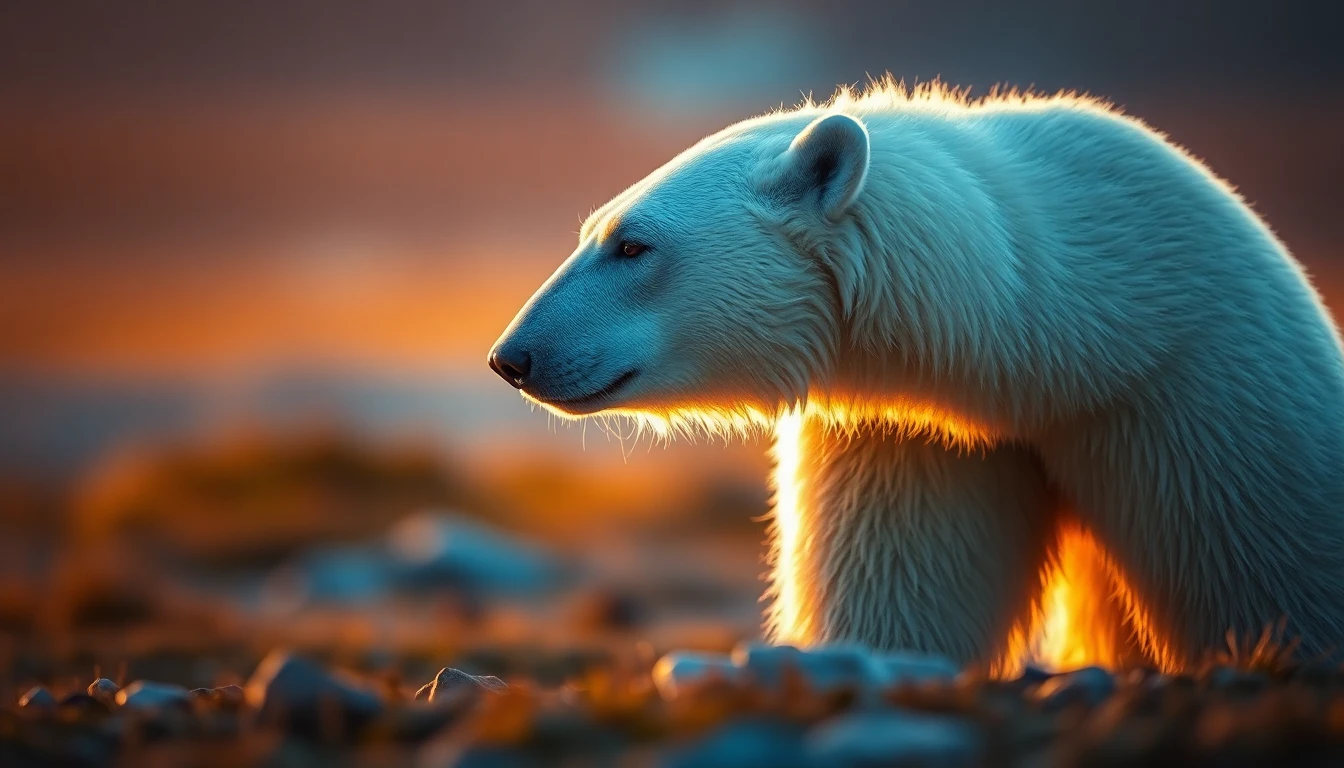
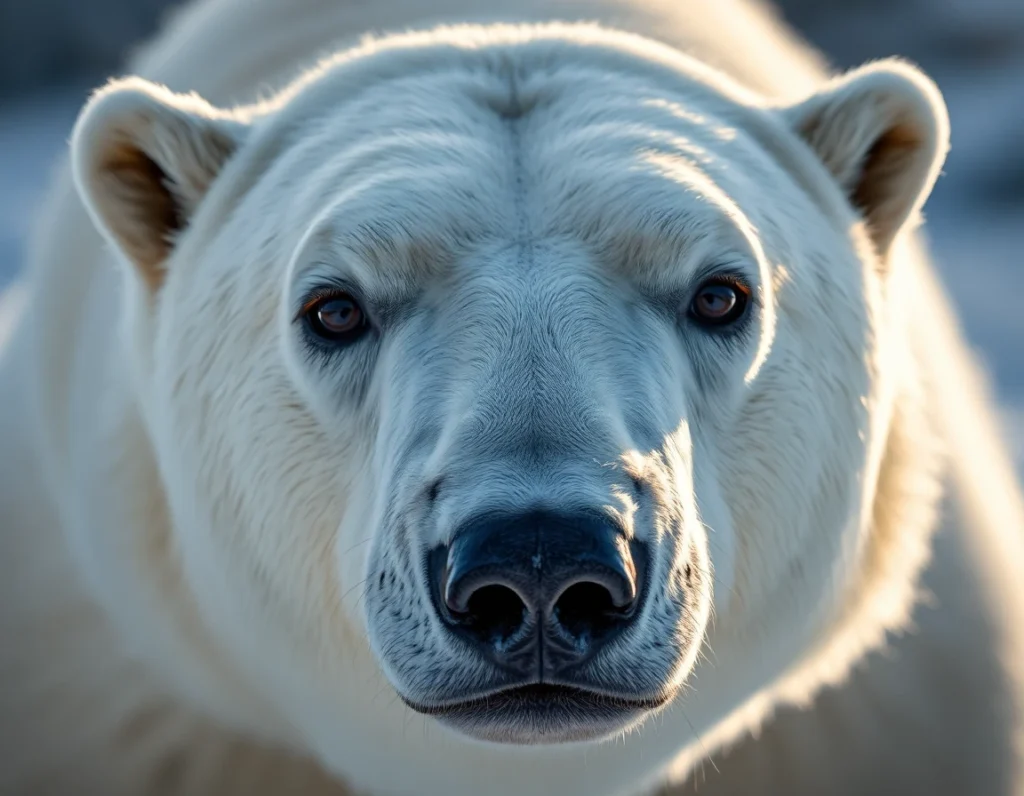
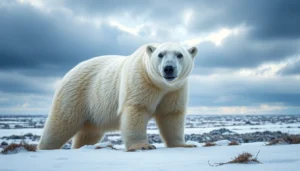
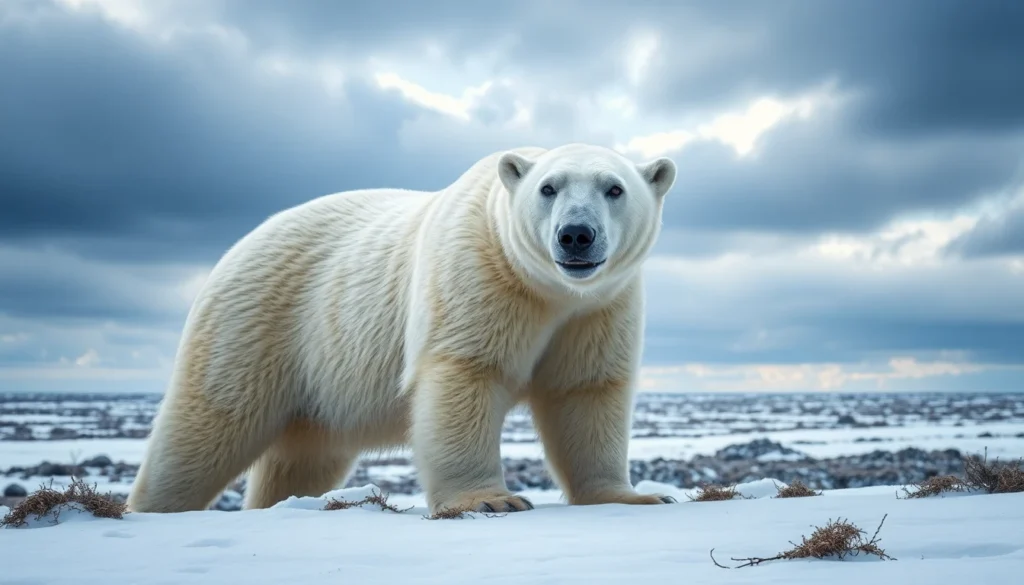
Polar bear fur is a masterpiece of biomimetic engineering. The individual hairs are transparent, hollow, and colorless — appearing white due to light scattering. This thermal insulation system, combined with a 4.5-inch layer of blubber, maintains body temperature in Arctic conditions where ambient temperatures drop to -45°C. Beneath the fur, a polar bear’s skin is jet black — maximizing solar heat absorption. The paws are partially webbed for swimming and have small bumps (papillae) on the soles for traction on ice.
Hunting Seals: Still-Hunting Mastery
The primary hunting technique — “still-hunting” (aglu hunting) — requires extraordinary patience. Polar bears locate seal breathing holes in the ice by smell (they can detect seals through 1 metre of ice and snow), then wait motionless, sometimes for hours, for a seal to surface. When the seal emerges, the bear strikes with a single paw strike powerful enough to crush a seal’s skull and haul a 90-kg ringed seal through a 25 cm hole in the ice — a feat requiring explosive power generated from a resting position.
Advertisement
Climate Change: A Species on a Melting Runway
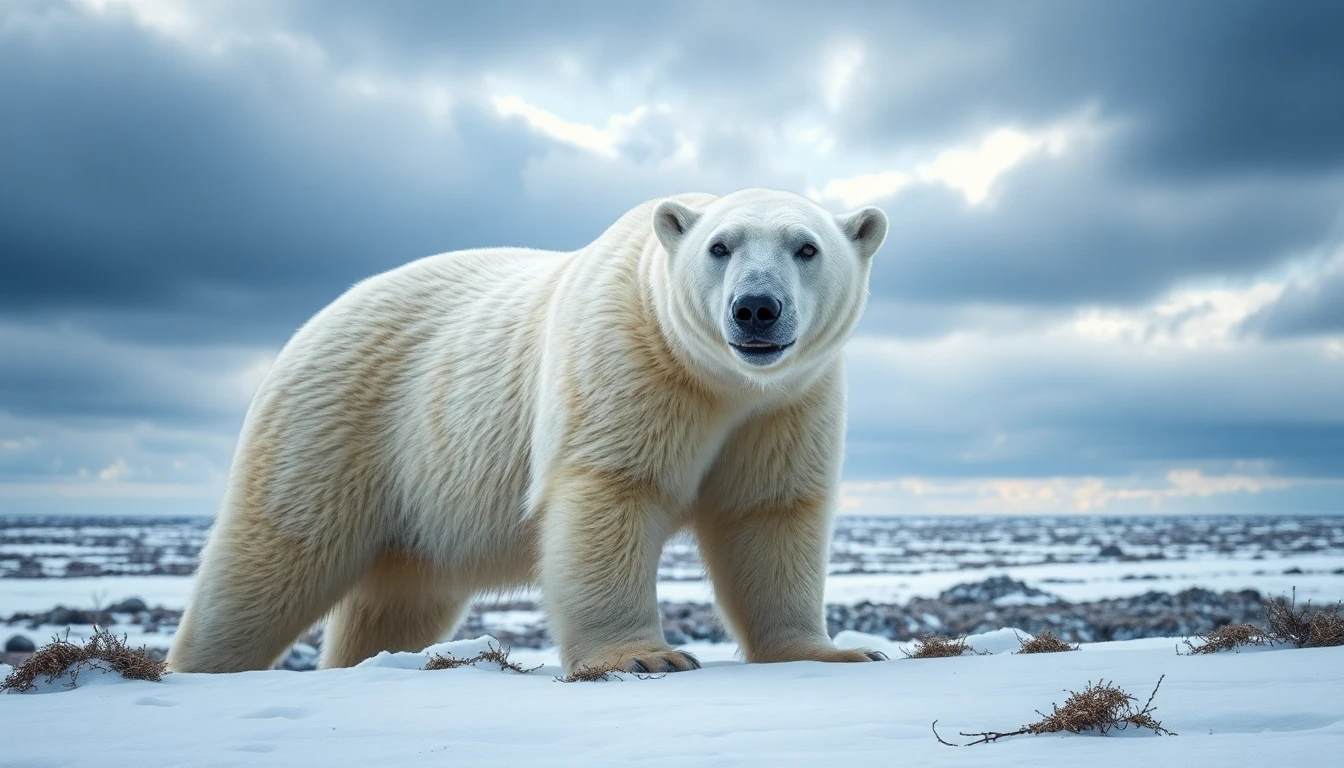
Polar bears are the most visible symbol of climate change’s ecological consequences. The Arctic is warming at 3–4 times the global average rate, and sea ice — the polar bear’s hunting platform — is declining by 13% per decade. Without adequate hunting time on sea ice, bears arrive ashore for summer with insufficient fat reserves. Bear body condition, cub survival rates, and overall population health show measurable decline across multiple Arctic subpopulations. Current models project that polar bears could face extinction by 2100 if greenhouse gas emissions continue on current trajectories.
Join the Conversation
Share your thoughts about the Polar Bear