North America’s Apex Omnivore
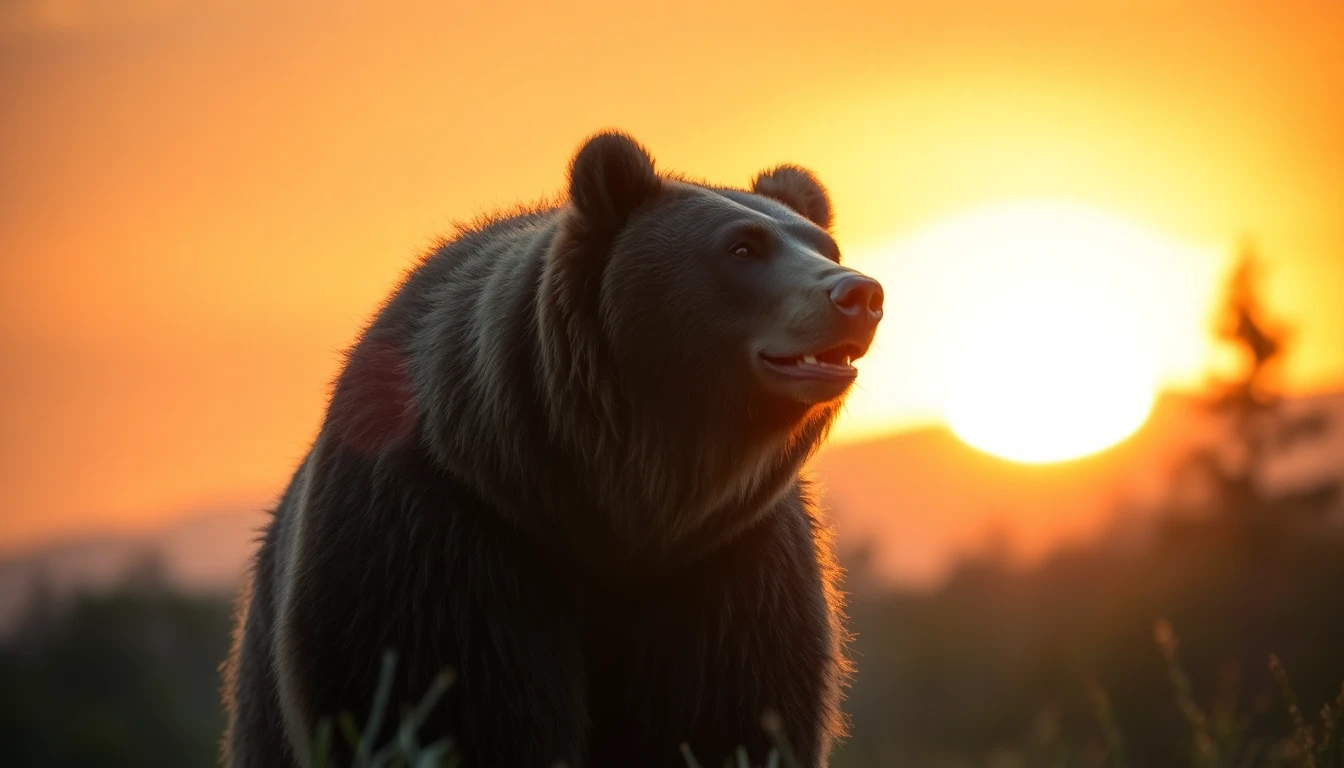
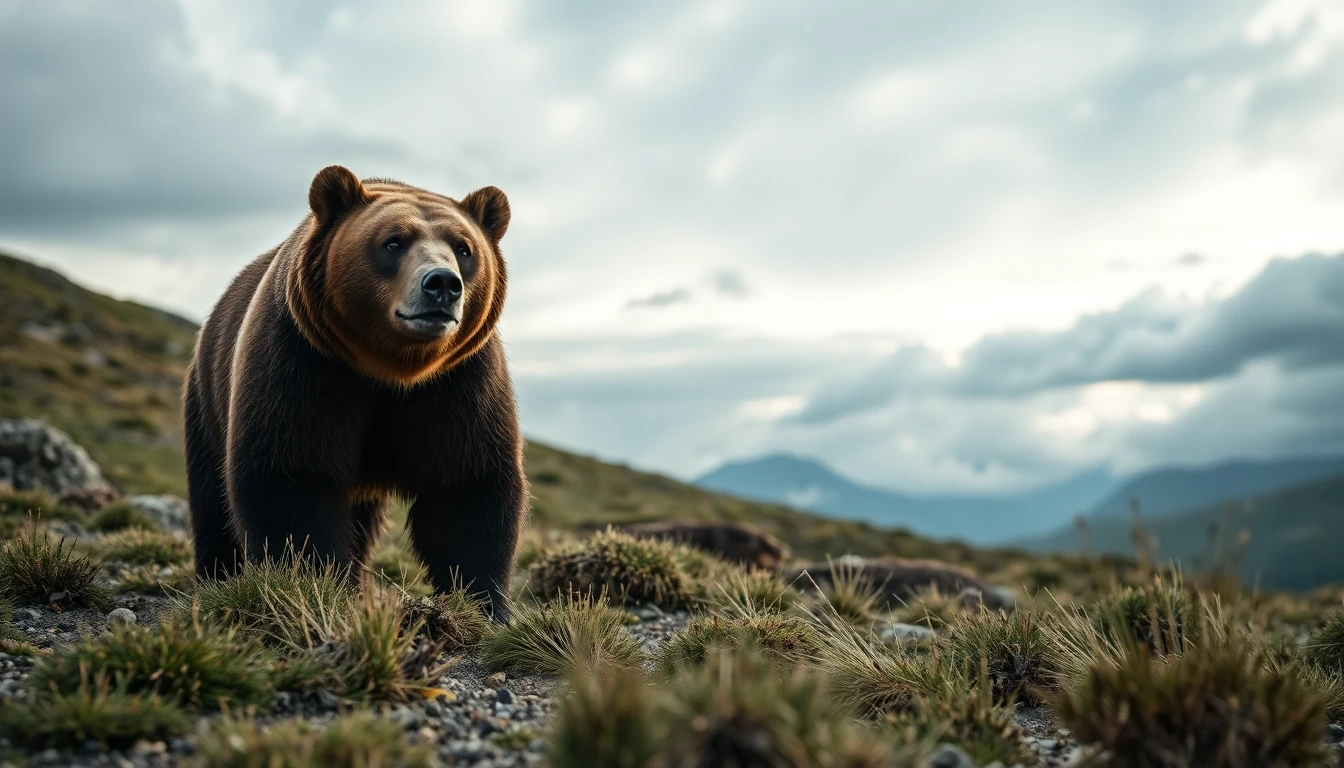
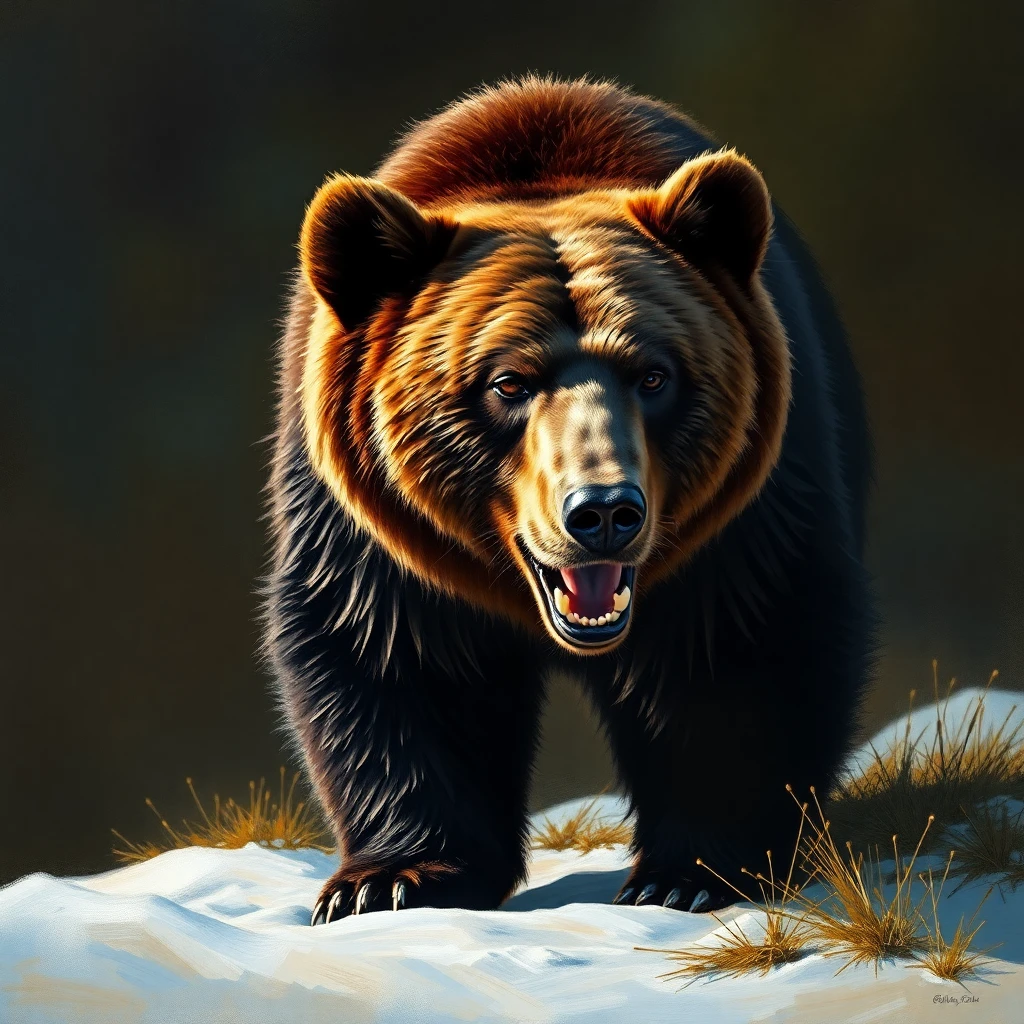
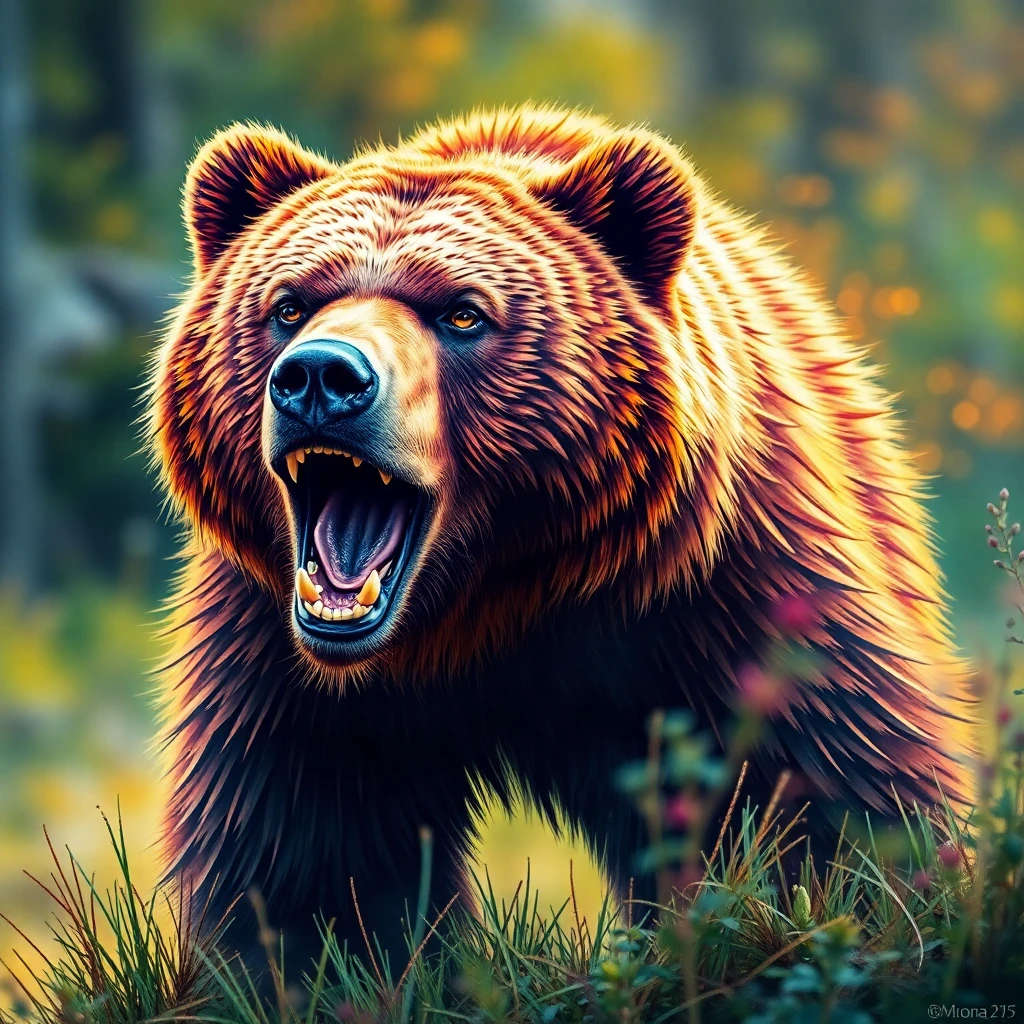
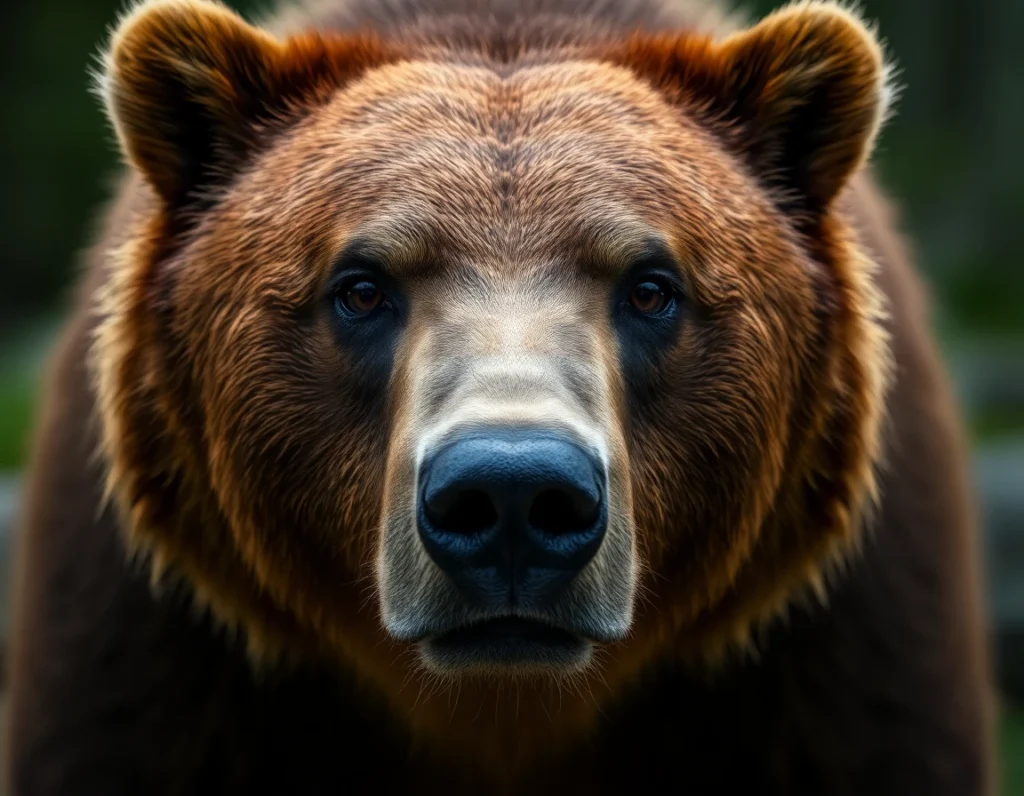
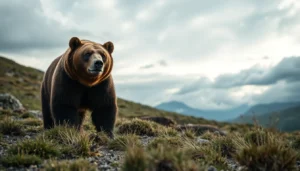
The Grizzly Bear (Ursus arctos horribilis) — a subspecies of the brown bear — stands as one of North America’s most ecologically important and behaviorally complex large mammals. An omnivore with extreme dietary flexibility, grizzlies eat everything from whitebark pine seeds and army cutworm moths to elk calves and sockeye salmon, playing crucial roles as seed dispersers, soil aerators, and marine-terrestrial nutrient connectors that no other North American species can replicate.
The Salmon Run: Forest Fertilization by Bear
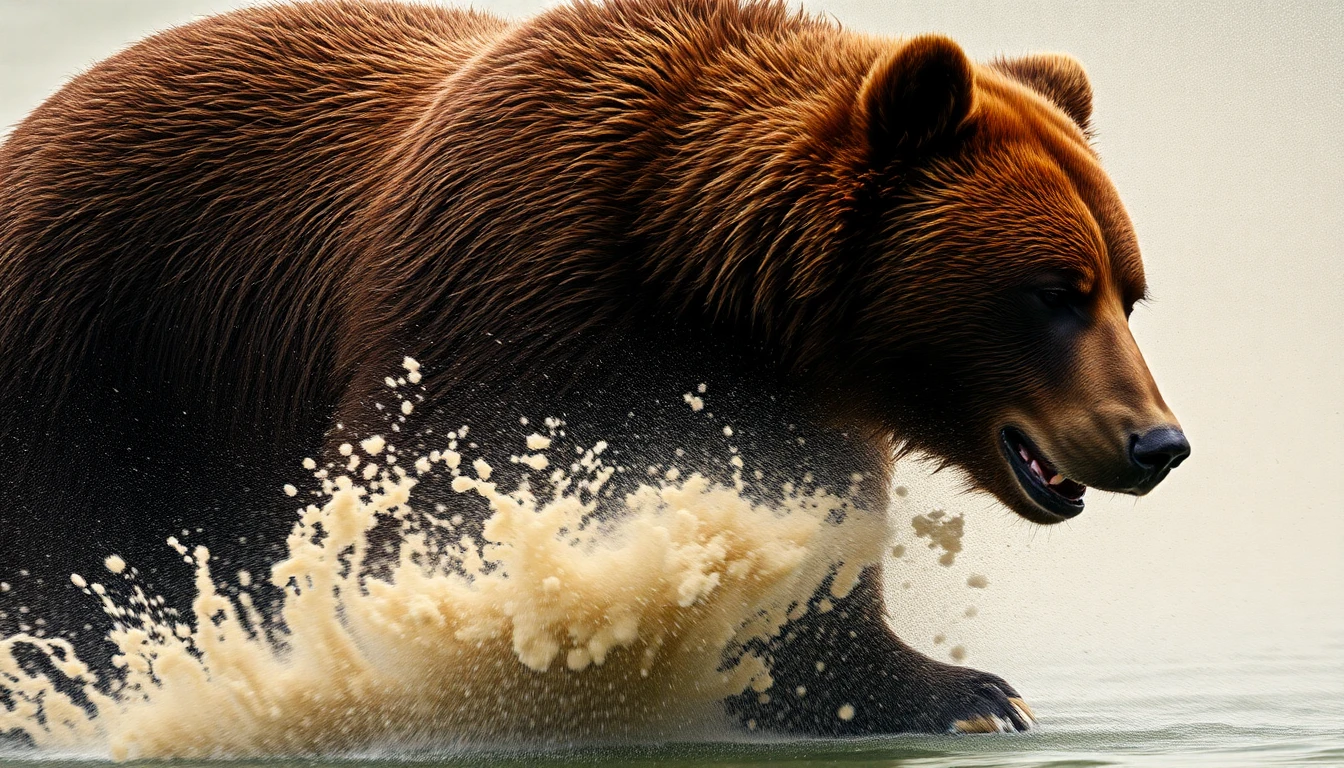
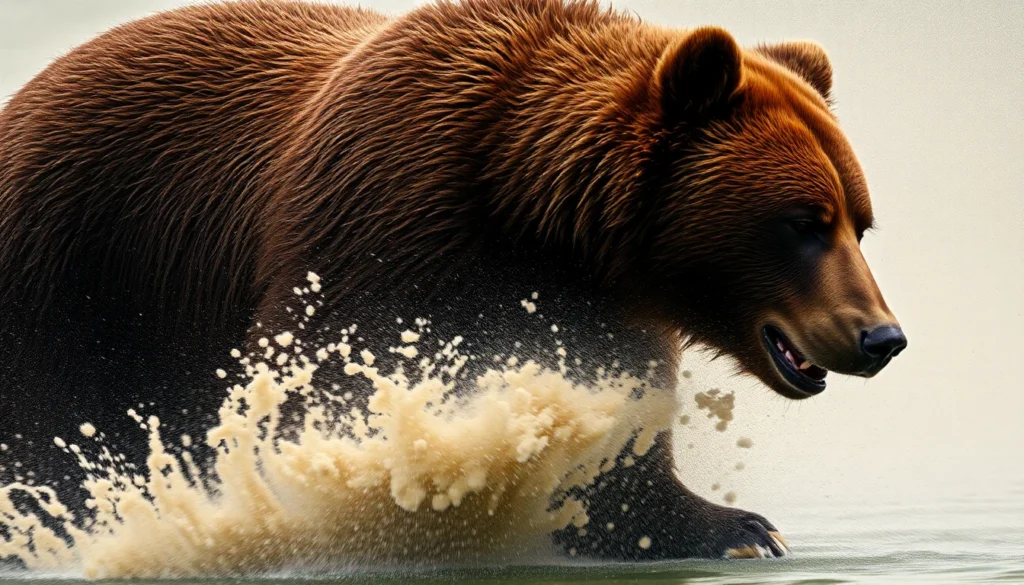
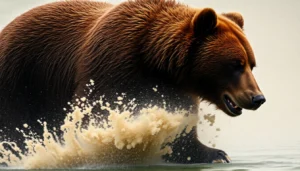
The annual salmon run represents one of ecology’s most dramatic cross-ecosystem nutrient transfers. At rivers like Alaska’s Brooks River, grizzlies congregate to intercept sockeye salmon at waterfalls — individual bears catching up to 30 salmon per hour during peak run. Crucially, bears carry salmon carcasses up to 500 metres from the river into the forest before eating them, distributing marine-derived nitrogen across the forest floor. Studies have shown that trees within 500 metres of salmon-bearing rivers grow 3 times faster than those farther away — a nutrient subsidy delivered entirely by bears.
Hibernation: The Metabolic Marvel
Grizzly bear hibernation is not a passive sleep but an active physiological performance. During 5–7 months of winter denning, a grizzly’s metabolic rate drops to 25% of normal, heart rate falls from 40 to 8 beats per minute, and body temperature decreases by only 4–5°C — but the bear neither eats, drinks, urinate, nor defecates. A pregnant female enters hibernation, gives birth to cubs weighing 450 grams, nurses them to 4–7 kg, and emerges in spring without having consumed a single calorie since autumn. Medical researchers study grizzly hibernation for insights into muscle wasting prevention, cardiovascular protection, and insulin resistance.
Advertisement
Join the Conversation
Share your thoughts about the Grizzly Bear