The World’s Most Beloved Endangered Species
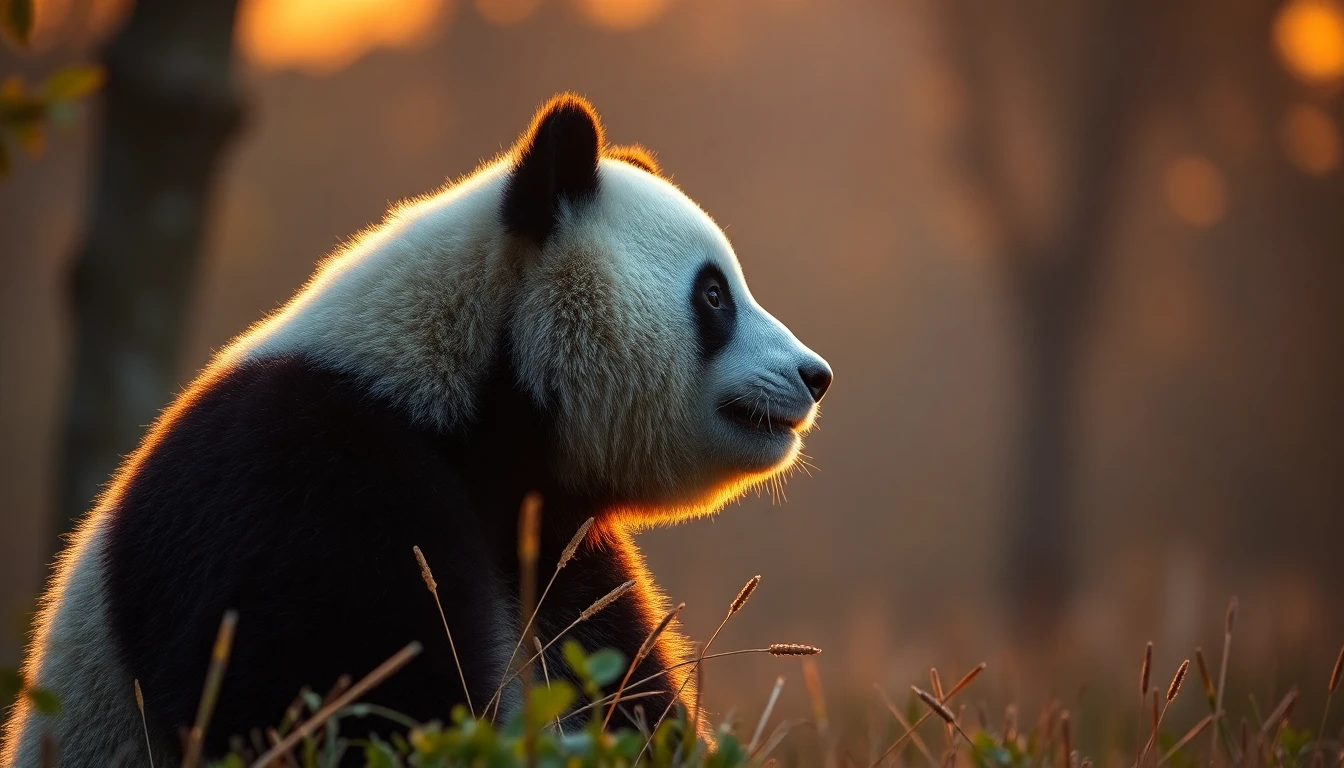
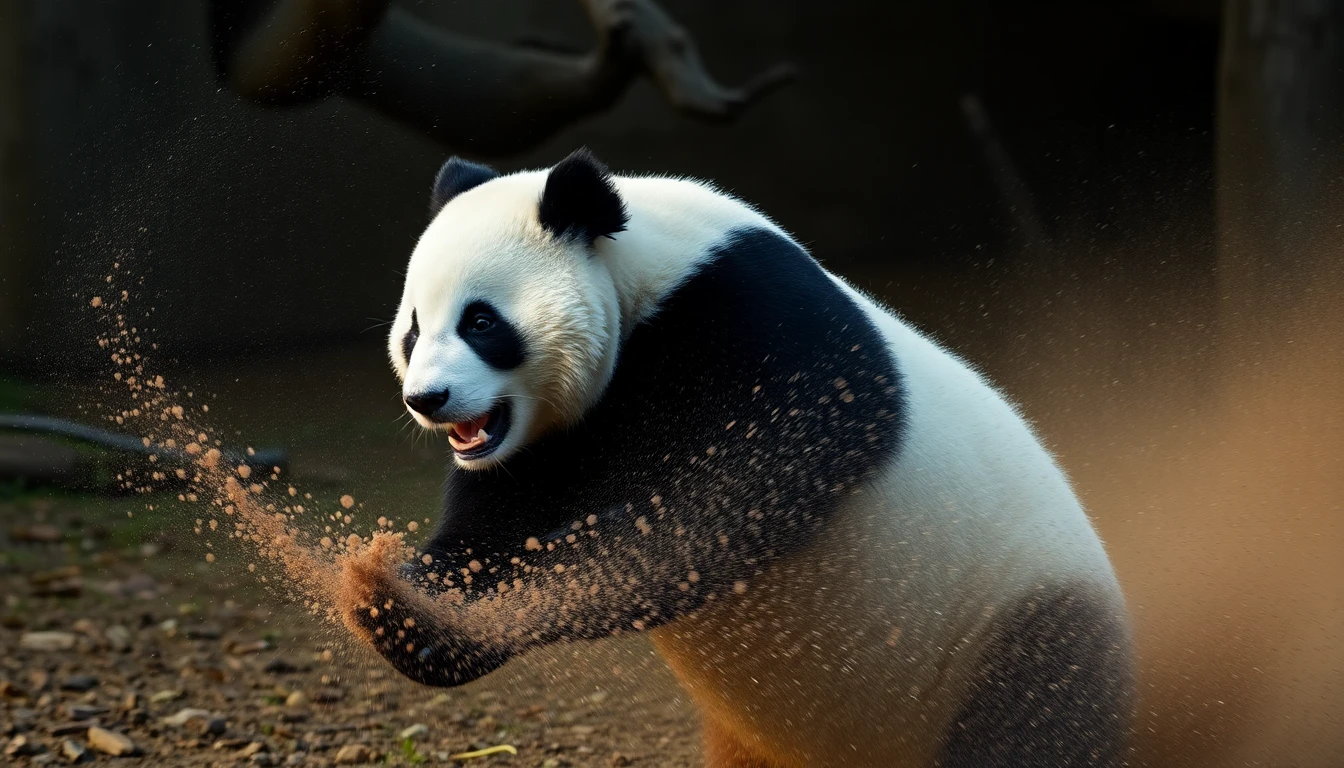
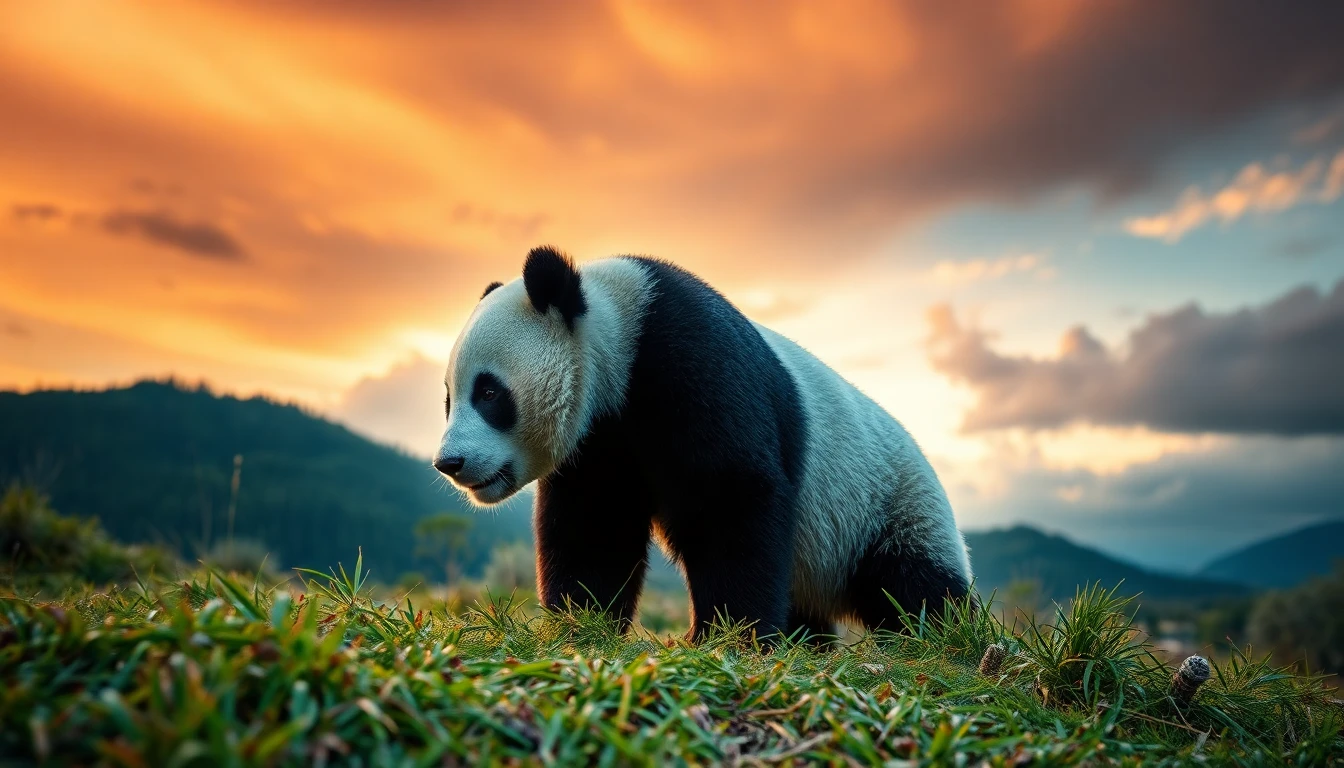
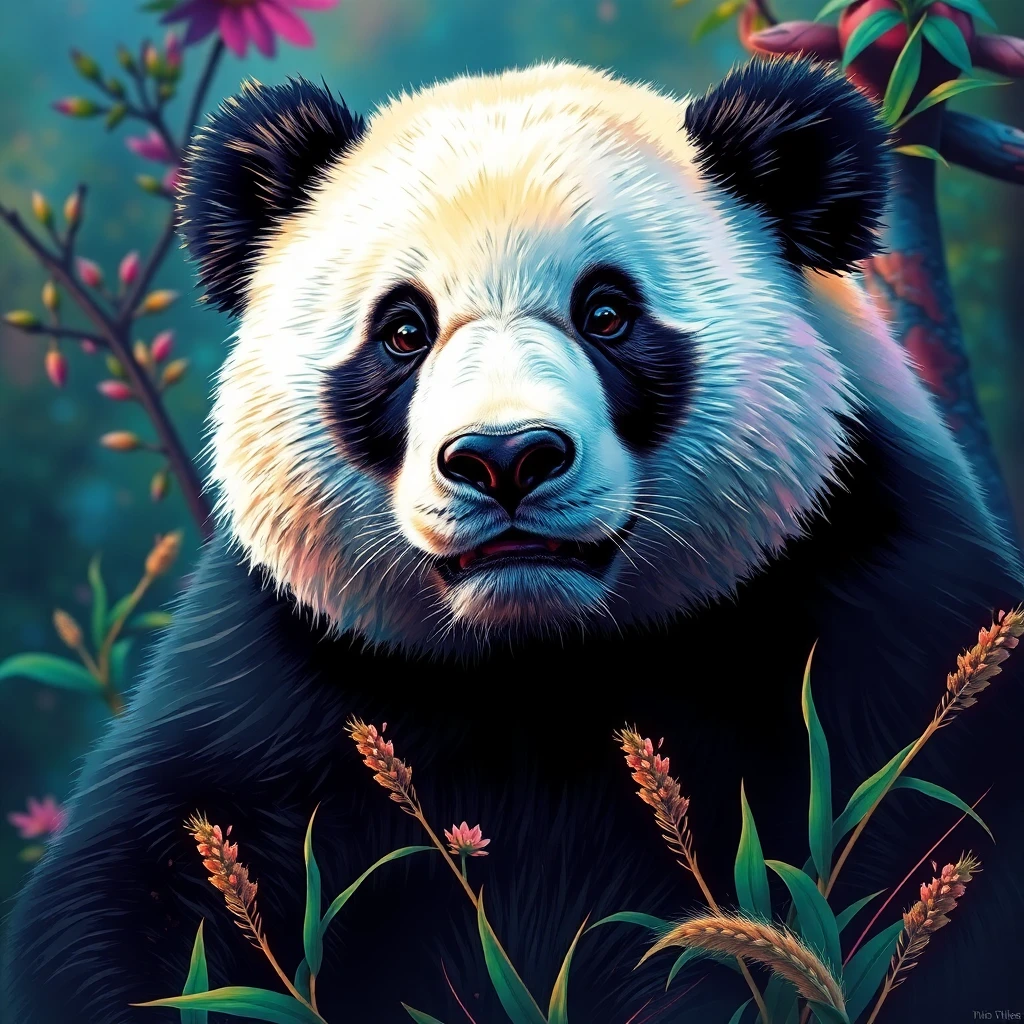
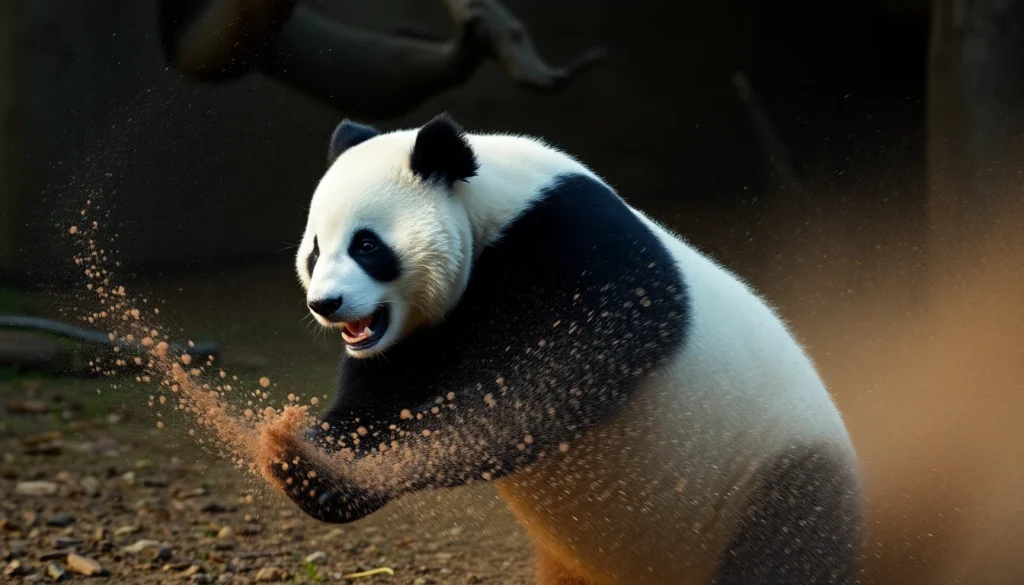
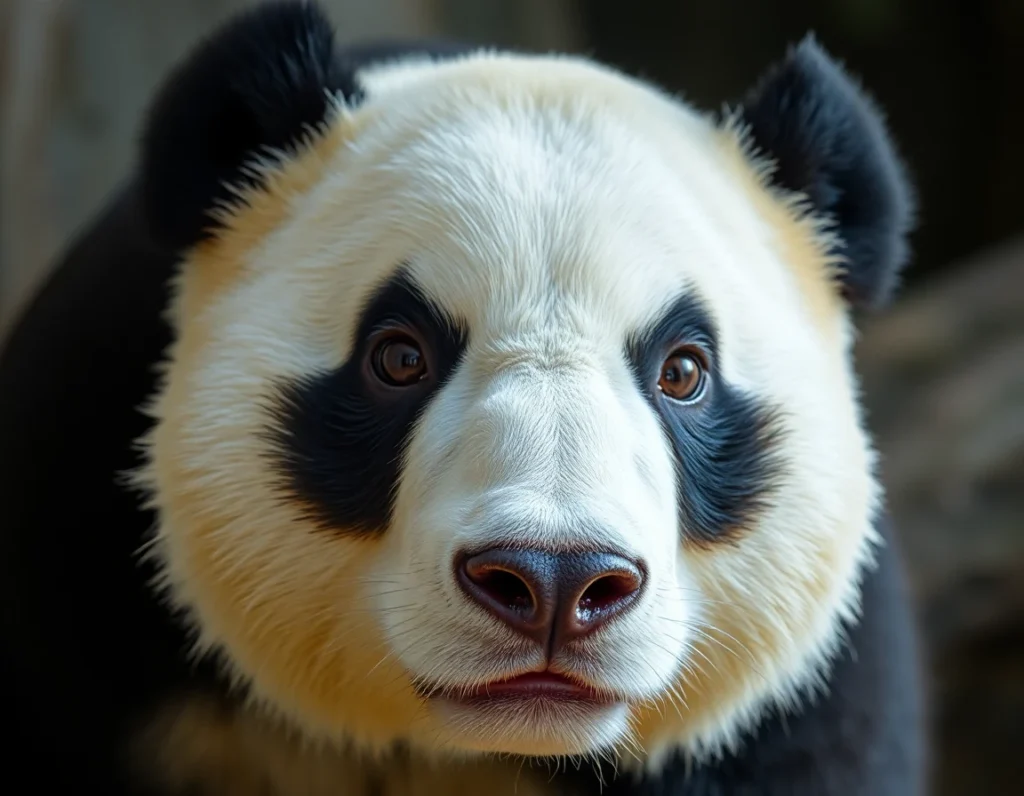
The Giant Panda (Ailuropoda melanoleuca) occupies a unique position in the human relationship with wildlife — simultaneously a genuine conservation priority, a symbol of international diplomacy (“panda diplomacy”), and the logo of the world’s largest conservation organization. With approximately 1,864 individuals remaining in the wild and increasing (downlisted from Endangered to Vulnerable in 2016), the giant panda represents conservation’s most visible success story — proof that intensive intervention can reverse even the most severe population declines.
The Bamboo Paradox
Giant pandas have the digestive system of a carnivore — with a simple stomach and short intestine designed for meat — but a diet of almost exclusively bamboo. This evolutionary mismatch means pandas digest only 17% of the bamboo they consume (compared to 80%+ for true herbivores), forcing them to eat for 10–16 hours per day, consuming 12–38 kg of bamboo to meet minimal caloric requirements. Their famous “false thumb” — an enlarged wrist bone (radial sesamoid) that functions as an opposable digit — is a convergent evolutionary solution to the challenge of gripping bamboo stems.
Reproduction: The 30-Hour Window
Giant pandas are notoriously difficult to breed, in captivity or in the wild — a fact that has both hampered conservation and made every successful birth headline news. Female pandas are fertile for only 24–72 hours per year (estrus lasts just one to three days). Wild males must locate receptive females across vast mountain territories, while captive breeding programs have relied heavily on artificial insemination. Cubs are born exceptionally undeveloped — weighing just 90–130 grams (0.2 lbs), approximately 1/800th of the mother’s weight — and require constant care for the first few months of life.
Advertisement



Join the Conversation
Share your thoughts about the Giant Panda