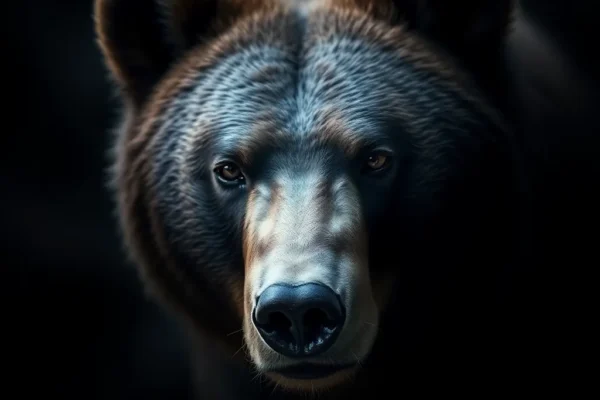
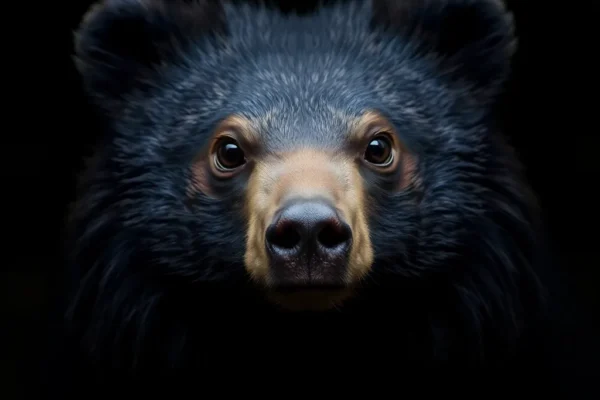
Loading Wildlife…

Ursidae VU

THE

SUN BEAR

Tiny Flame of the Rainforest

Helarctos malayanus

Asia
CLASS Mammalia FAMILY Ursidae GENUS Helarctos
48 km/h
Top Speed
⚖️
27-80 kg
Max Weight
📏
1-1.4 m
Body Length
🕰️
25-30 years
Lifespan
🍖
Omnivore
Diet Type

IUCN Red List — Where this species stands

LC Least Concern
NT Near Threatened
VU Vulnerable
EN Endangered
CR Critical
EW Extinct Wild
EX Extinct

About the Sun Bear

Helarctos malayanus

Advertisement

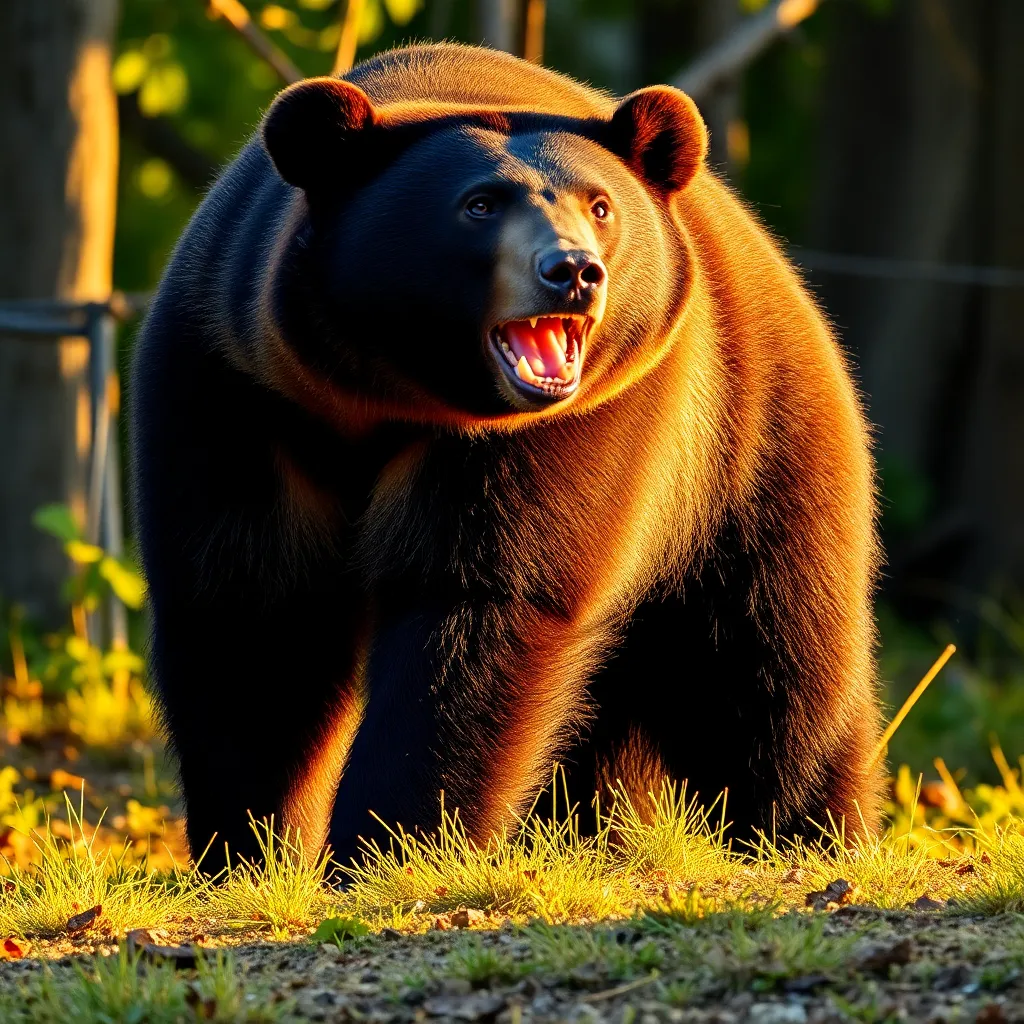
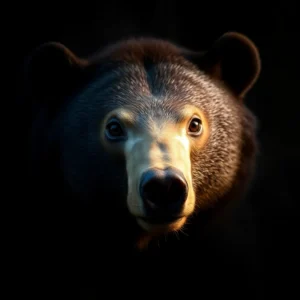
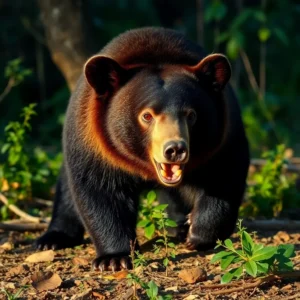
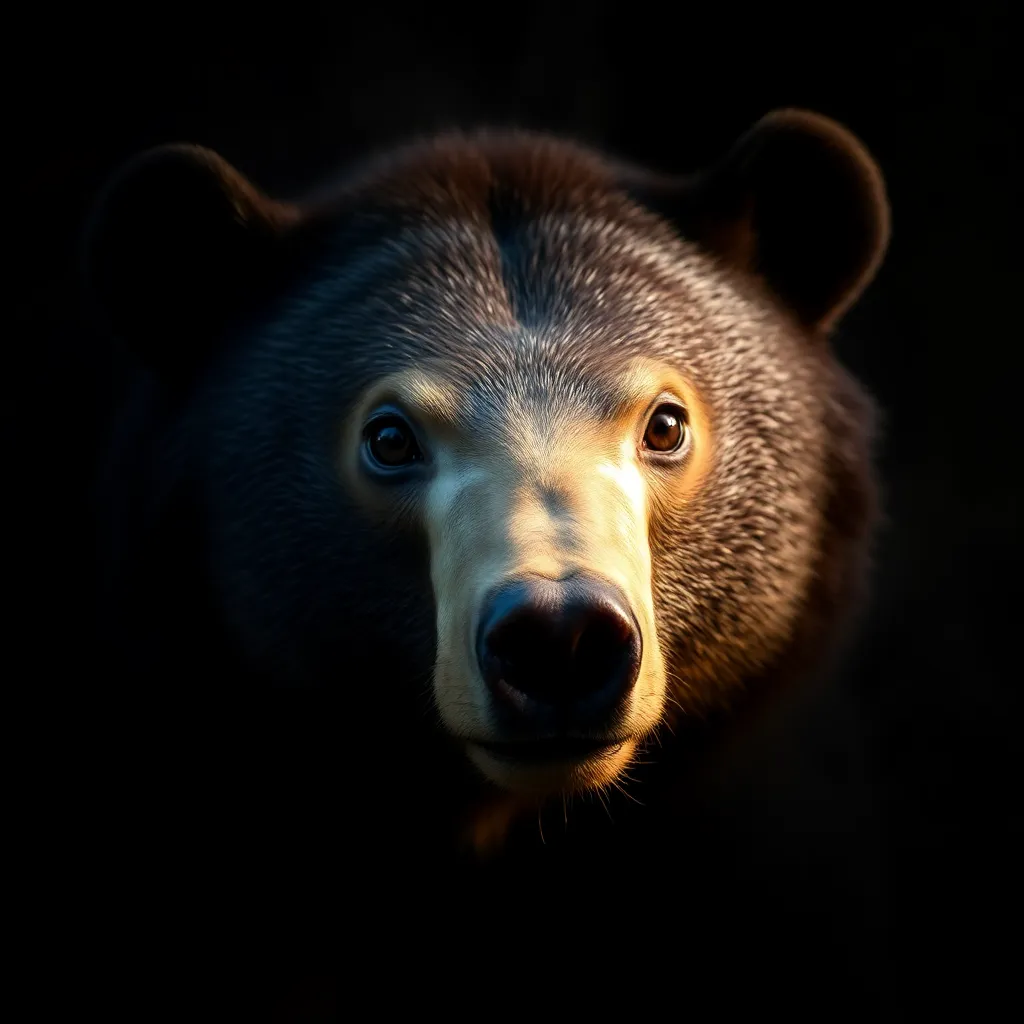
The sun bear is the smallest and least studied of the world’s eight bear species, found in the dense lowland tropical forests of Southeast Asia from Bangladesh to Borneo. Despite their small size, sun bears are powerful and resourceful animals that play a vital role in forest ecosystems by opening tree cavities used by other wildlife, dispersing seeds, and controlling termite populations. Deforestation and the illegal wildlife trade for bile and body parts have driven significant population declines.

⚡ Speed Comparison

Human
12 km/h
Sun Bear
48 km/h
Car (city)
50 km/h
Horse
54 km/h

💡 Fun Facts

01

The sun bear has the longest tongue relative to body size of any bear species — up to 25 cm — used to extract honey and insects from deep within tree cavities.

02

It is the world's smallest bear species, yet possesses the longest claws (relative to size) of any bear, adapted for climbing and tearing open trees.

03

Sun bears are capable of mimicking each other's facial expressions with extraordinary fidelity — a form of social communication previously thought limited to great apes.

04

The pale chest patch that gives the sun bear its name is unique to each individual, functioning like a fingerprint for individual identification.

05

Sun bears are primarily arboreal — they sleep and sunbathe in nests built from broken branches in forest canopy up to 10 meters above the ground.

Unlock Expert Wildlife Facts

Watch a short 15-second video to unlock detailed expert analysis, exclusive wildlife photography, and rare behavioral facts.

📍 Where to Find This Animal

Habitat Types: Tropical Rainforest

🛒 Sun Bear Related Gear

As an Amazon Associate we earn from qualifying purchases.
🗨️

Join the Conversation

Share your thoughts about the Sun Bear

✍️

Leave a Comment

Your email address will not be published. Required fields are marked *

How Big Is a Sun Bear?

Side-by-side comparison with an adult human (175 cm)

🧍
Human
175 cm
🐻
Sun Bear
65 cm
shoulder height
27-80 BODY WEIGHT
1-1.4 BODY LENGTH
48 TOP SPEED
25-30 LIFESPAN
Sun Bear close-up
Sun Bear

SURVIVAL TOOLKIT

Built for Survival

Nature's engineering refined over millions of years

🔬 SURVIVAL TOOLKIT
Elongated Tongue
01

Elongated Tongue

A 25-cm tongue with a narrow, flexible tip is specifically engineered to extract honey and insect larvae from deep tree cavities.

Curved Climbing Claws
02

Curved Climbing Claws

Long, sickle-shaped claws provide secure grip on bark during vertical tree climbing to reach beehives and fruit.

Loose Neck Skin
03

Loose Neck Skin

Exceptionally loose skin around the neck and throat allows sun bears to twist and bite attackers even when gripped by the scruff.

Powerful Jaws
04

Powerful Jaws

Extremely strong jaw muscles and robust dentition allow sun bears to tear open hardwood trees and crack the hardest tropical nuts.

Facial Mimicry
05

Facial Mimicry

Sun bears mirror conspecifics' facial expressions with millisecond accuracy, facilitating nuanced social communication in dense forest.

Tiny Flame of the Rainforest. An extraordinary creature that reminds us what we stand to lose.

Jungal Safari · Wildlife Network
💡

Did You Know?

The sun bear has the longest tongue relative to body size of any bear species — up to 25 cm — used to extract honey and insects from deep within tree cavities.

🍖 DIET: OMNIVORE

What Does the Sun Bear Eat?

🍯
Honey and Beeswax
🐜
Termites and Ants
🍌
Tropical Fruits
🐛
Beetle Larvae
🌰
Palm Hearts
🗺️ GEOGRAPHIC RANGE

Where Do Sun Bears Live?

🌍
Continents
📉
Population Trend Declining

Conservation in Action

How You Can Help the Sun Bear

Small actions, taken together, can reverse the decline of species like this one

🌳
Protect Habitat

Support wildlife reserves and protected land corridors

🚫
Stop Poaching

Report illegal trade and back anti-poaching patrols

🔬
Fund Research

Camera-trap studies and population monitoring

🤝
Community Work

Partner with local herders to reduce conflict

📢
Raise Awareness

Educate and inspire future wildlife champions

"Without urgent action, the Sun Bear could disappear from the wild within our lifetime."

PROTECT THEM. PRESERVE THEIR LEGACY.

The Sun Bear's Future
Is In Our Hands

Every share, every donation, every voice raised — makes a difference for wildlife conservation.

🌳Protect Habitat
📢Raise Awareness
💰Fund Research
🤝Community Work
🚫Stop Poaching

"Protect Wildlife. Preserve Our Planet."

Every species matters. Every action counts.

Advertisement