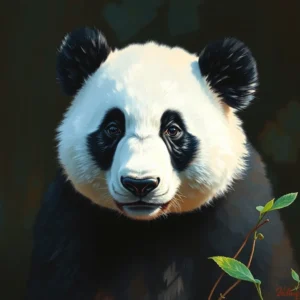
The giant panda is one of the world’s most recognisable endangered mammals, native to the mountain bamboo forests of central China. Despite being classified in the order Carnivora and retaining the gut anatomy of a meat-eater, 99% of the panda’s diet consists of bamboo — a remarkable dietary specialisation achieved without the digestive anatomy of a herbivore. They compensate by consuming enormous quantities (12-38 kg per day) and spending up to 16 hours eating. Conservation efforts in China have seen numbers slowly recover since the 1980s.
About the Panda
Ailuropoda melanoleuca
Advertisement
⚡ Speed Comparison
📸 Photo Gallery
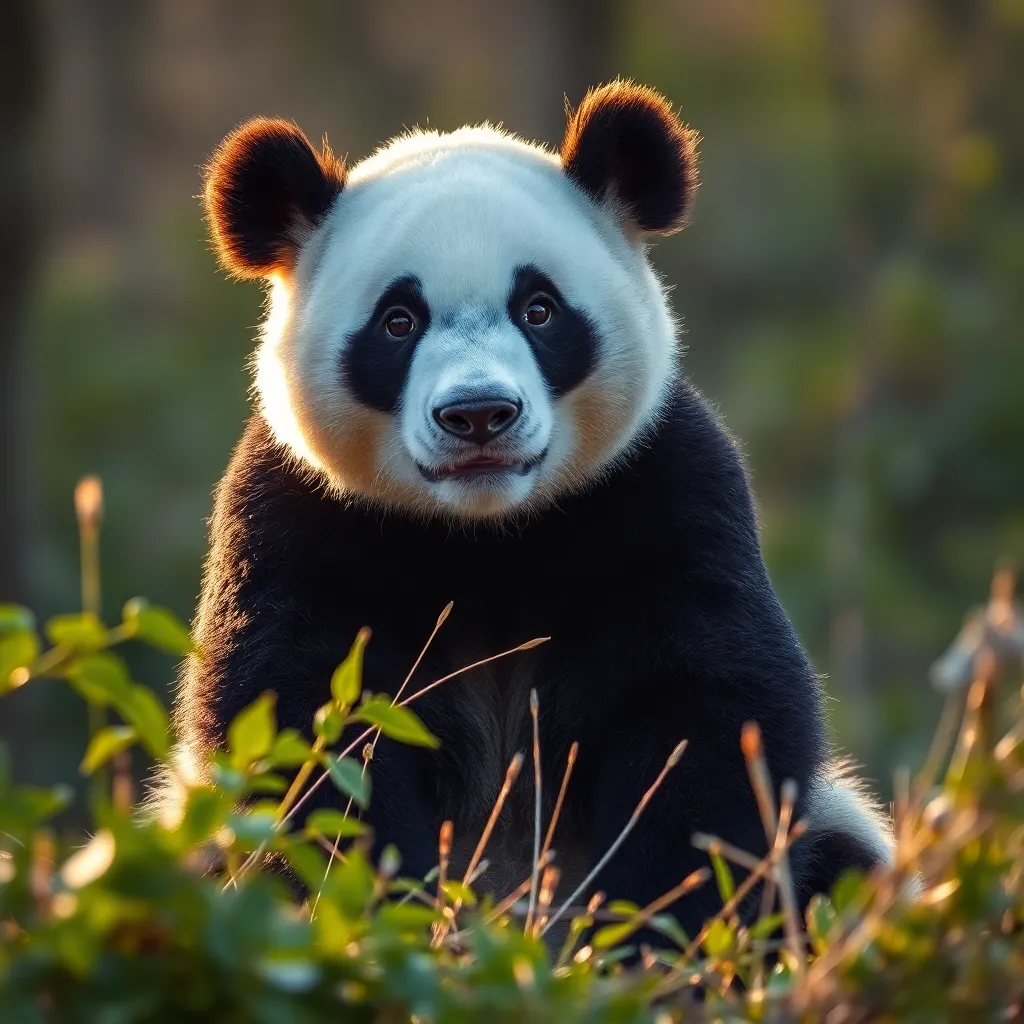
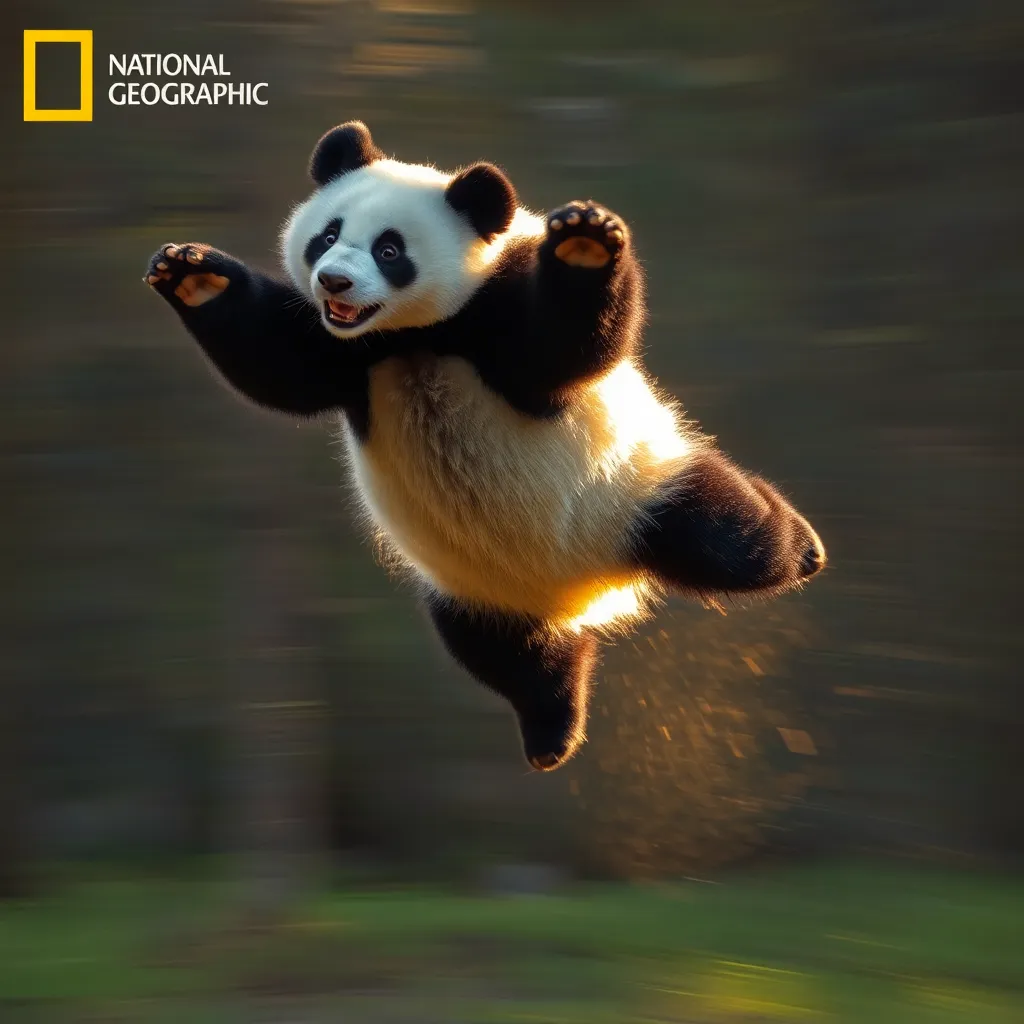

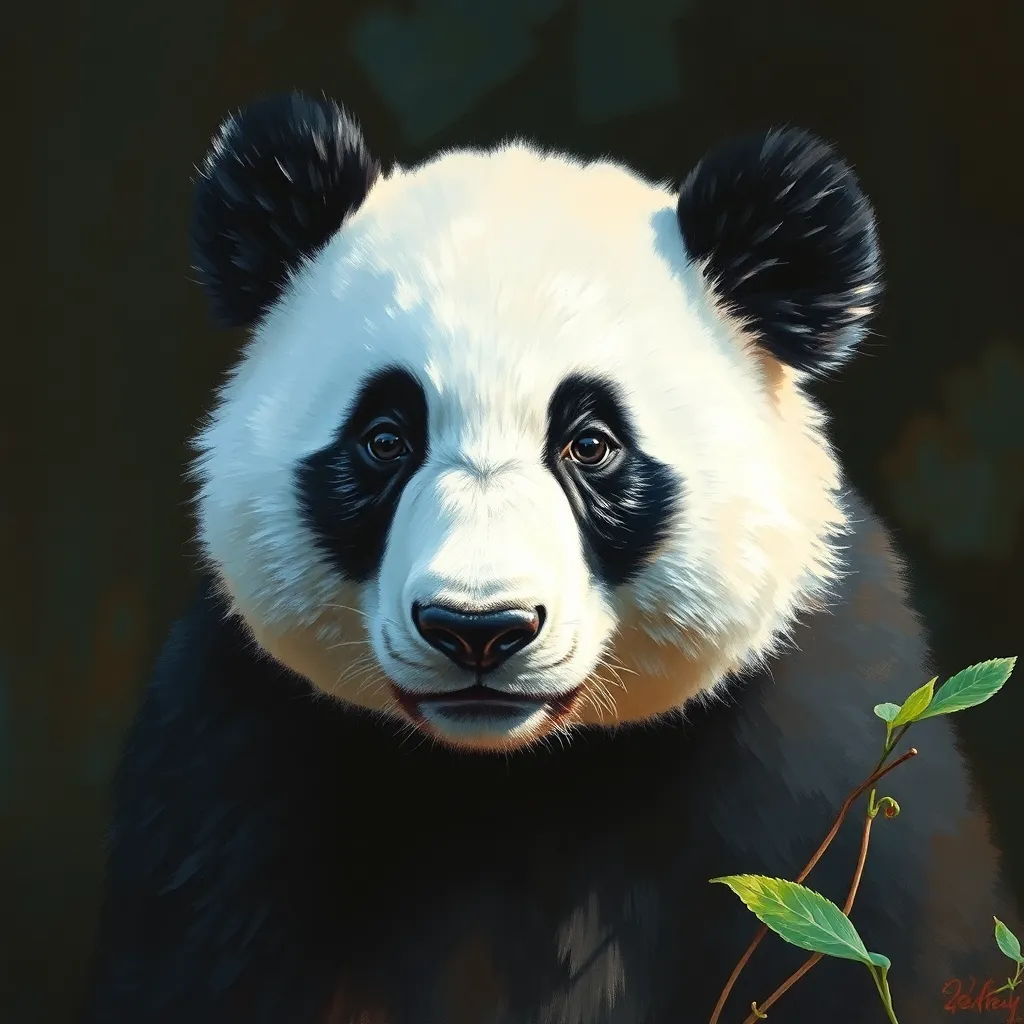

💡 Fun Facts
01
Giant pandas have a 'pseudo-thumb' — a modified radial sesamoid wrist bone that functions as a sixth digit for gripping bamboo stalks — it evolved independently from the true opposable thumbs of primates.
02
Panda cubs are born blind, pink, and weighing just 90-130 g — less than 1/900th of the mother's weight — the smallest newborn relative to maternal size of any placental mammal.
03
Despite their bulk, giant pandas are capable climbers and regularly ascend trees to rest, escape threats, or find mates, with cubs beginning to climb within five months.
04
A panda must consume 26-84 different bamboo culm and leaf species to meet nutritional needs; they switch between bamboo parts and species seasonally.
05
Their black-and-white colouration is now thought to serve dual purposes: camouflage in snowy habitats (white) and identity signalling via the black eye patches, which vary per individual.
📍 Where to Find This Animal
Habitat Types:
Temperate Forest
🛒 Panda Related Gear
As an Amazon Associate we earn from qualifying purchases.




Join the Conversation
Share your thoughts about the Panda