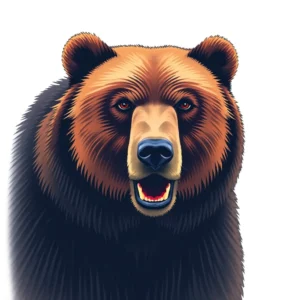
The brown bear is one of the world’s largest terrestrial carnivores and an iconic apex predator of northern forests, mountains, and tundra across North America, Europe, and Asia. Remarkably adaptable and highly intelligent, brown bears exploit an extraordinary range of food sources across the seasons, from digging roots in spring to harvesting salmon in late summer. Their role as ecosystem engineers — dispersing seeds, cycling nutrients, and shaping vegetation — makes them foundational to the ecosystems they inhabit.
About the Bear
Ursus arctos
Advertisement
⚡ Speed Comparison
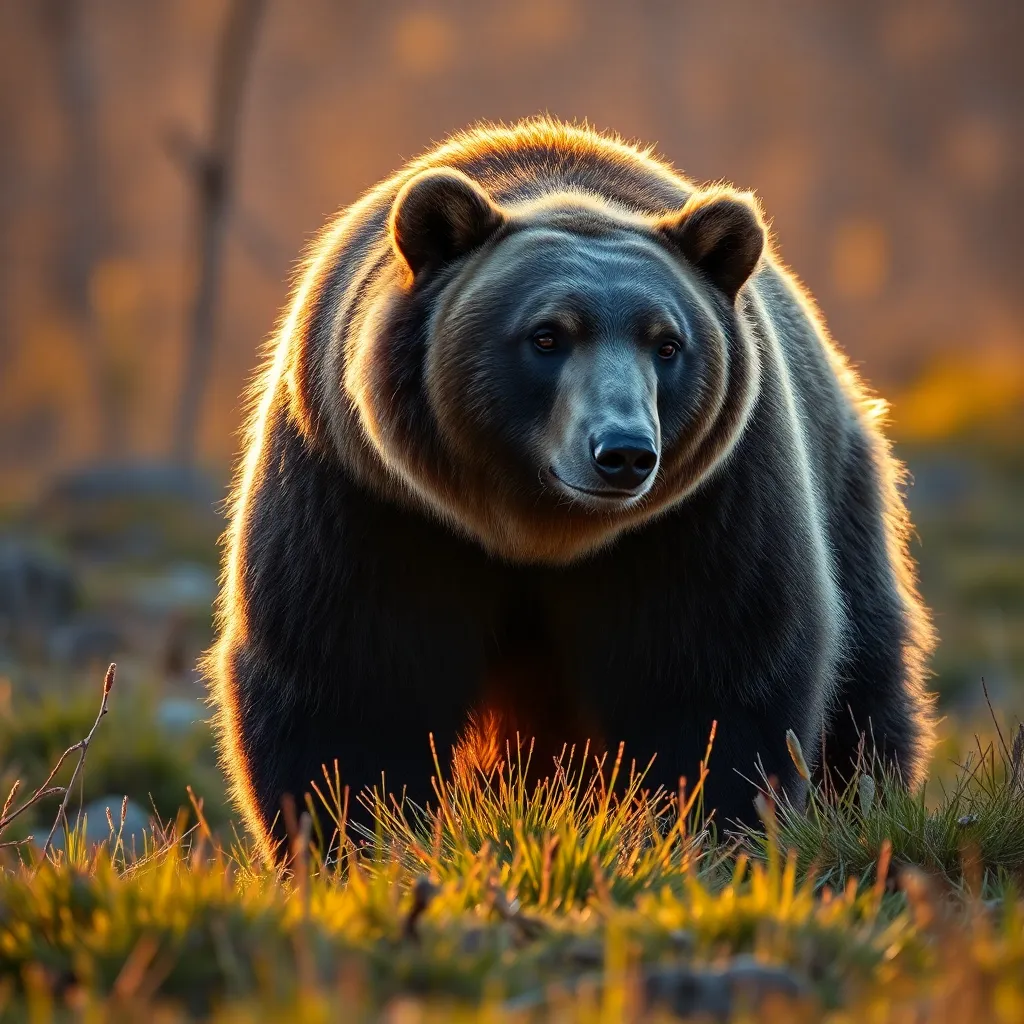
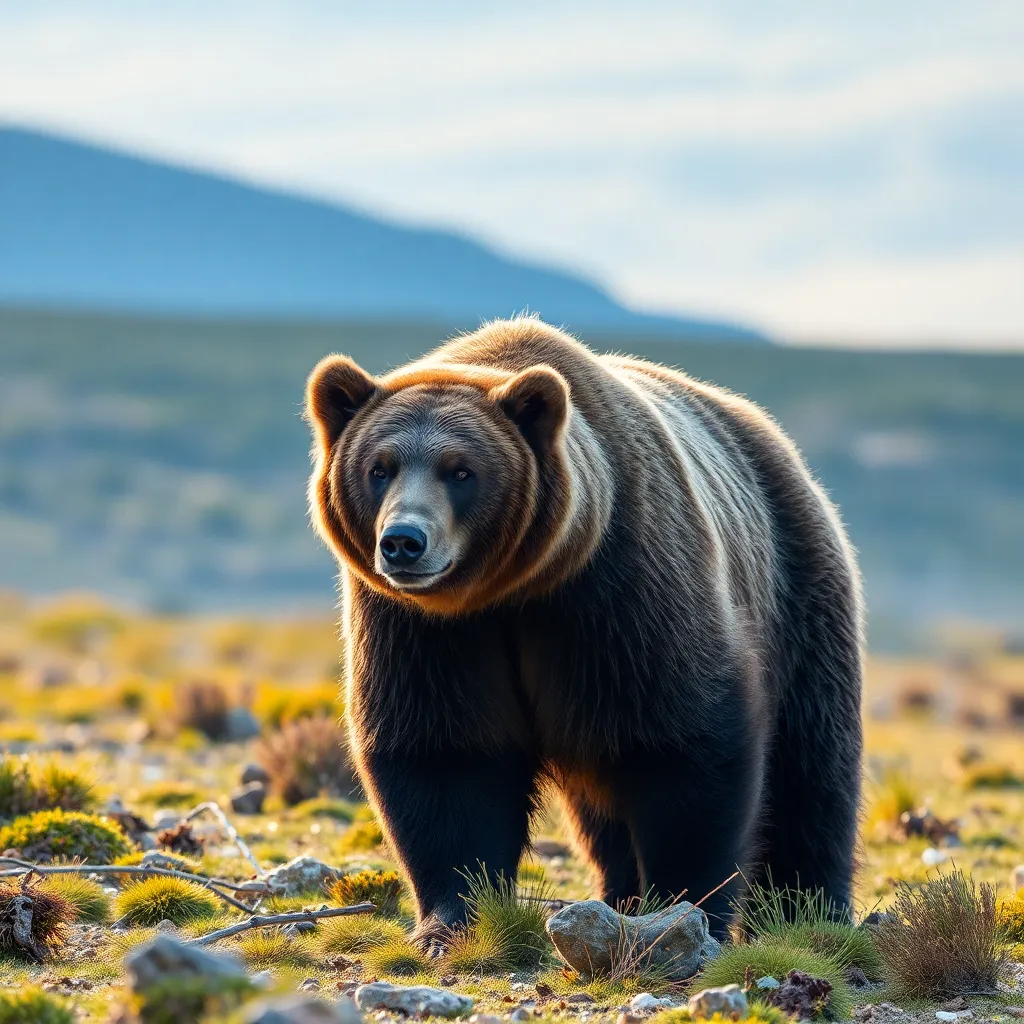
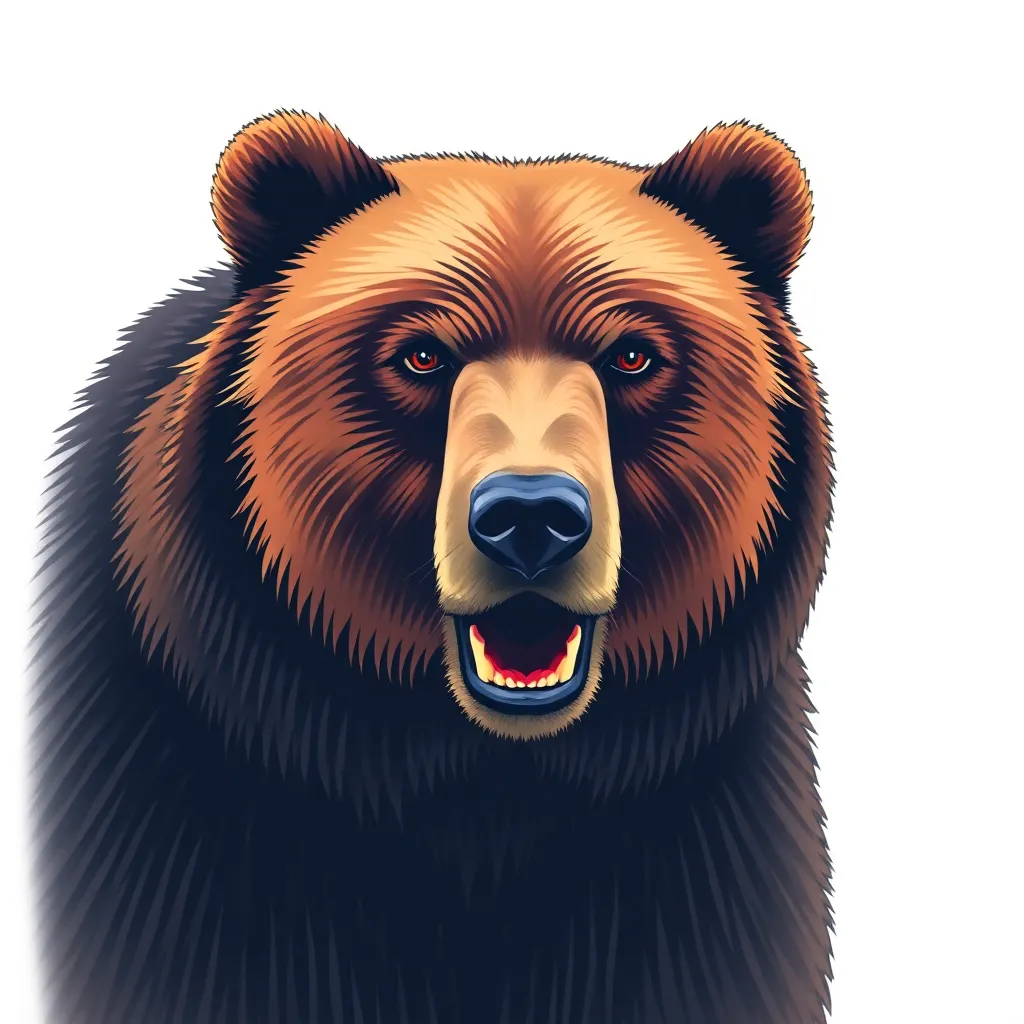
📸 Photo Gallery


💡 Fun Facts
01
Brown bears can sprint at 56 km/h over short distances — faster than a thoroughbred racehorse — despite weighing up to 680 kg.
02
A brown bear's sense of smell is roughly 2,100 times more sensitive than a human's and can detect a carcass from 30 kilometers downwind.
03
During hyperphagia before hibernation, grizzly bears consume up to 20,000 calories per day to accumulate sufficient fat reserves.
04
Bears in hibernation do not urinate for months — they recycle urea nitrogen back into amino acids and muscle protein through a unique metabolic process.
05
Mother bears nurse cubs during winter hibernation while remaining largely unconscious, and cubs emerge in spring having never experienced full wakefulness.
📍 Where to Find This Animal
Habitat Types:
Boreal Forest and Tundra
🛒 Bear Related Gear
As an Amazon Associate we earn from qualifying purchases.





Join the Conversation
Share your thoughts about the Bear