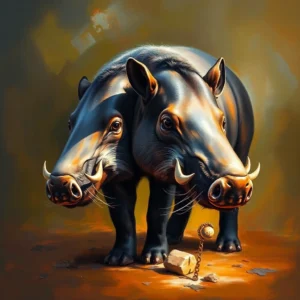
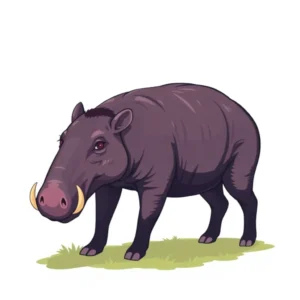
Loading Wildlife…

Tapiridae VU

THE

TAPIR

Ancient Walker of Rainforests

Tapirus terrestris

South America
CLASS Mammalia FAMILY Tapiridae GENUS Tapirus
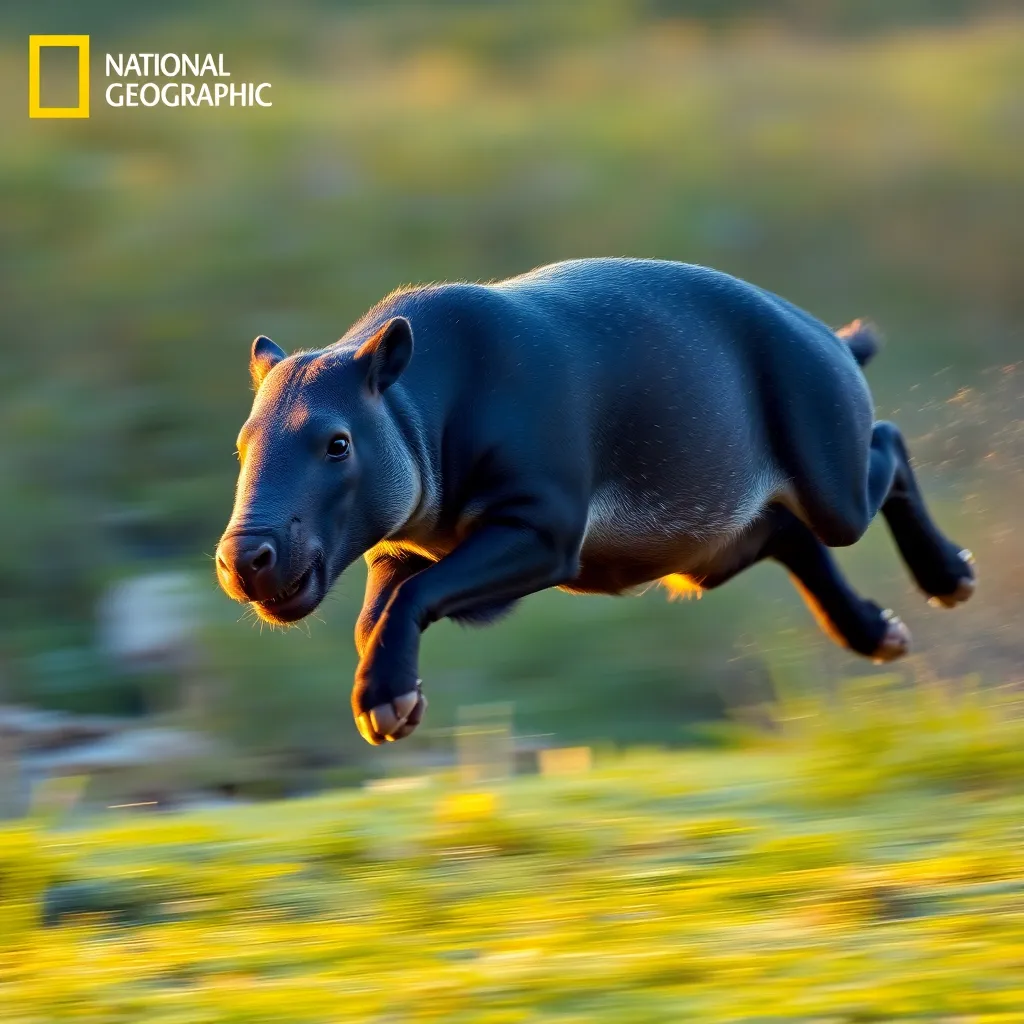
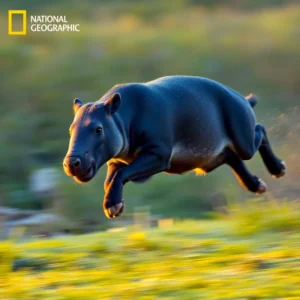
48 km/h
Top Speed
⚖️
150–300 kg
Max Weight
📏
1.8–2.5 m
Body Length
🕰️
25–35 years
Lifespan
🍖
Herbivore
Diet Type

IUCN Red List — Where this species stands

LC Least Concern
NT Near Threatened
VU Vulnerable
EN Endangered
CR Critical
EW Extinct Wild
EX Extinct

About the Tapir

Tapirus terrestris

Advertisement

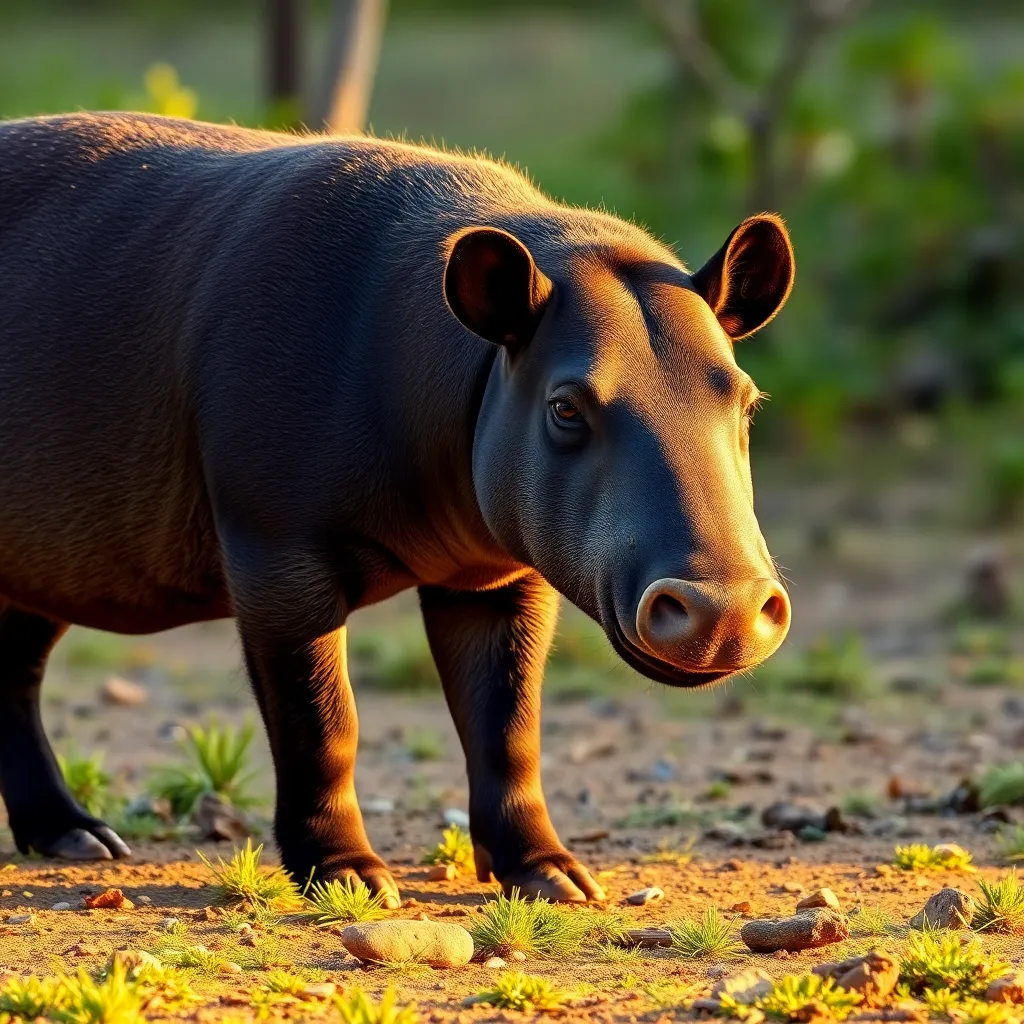
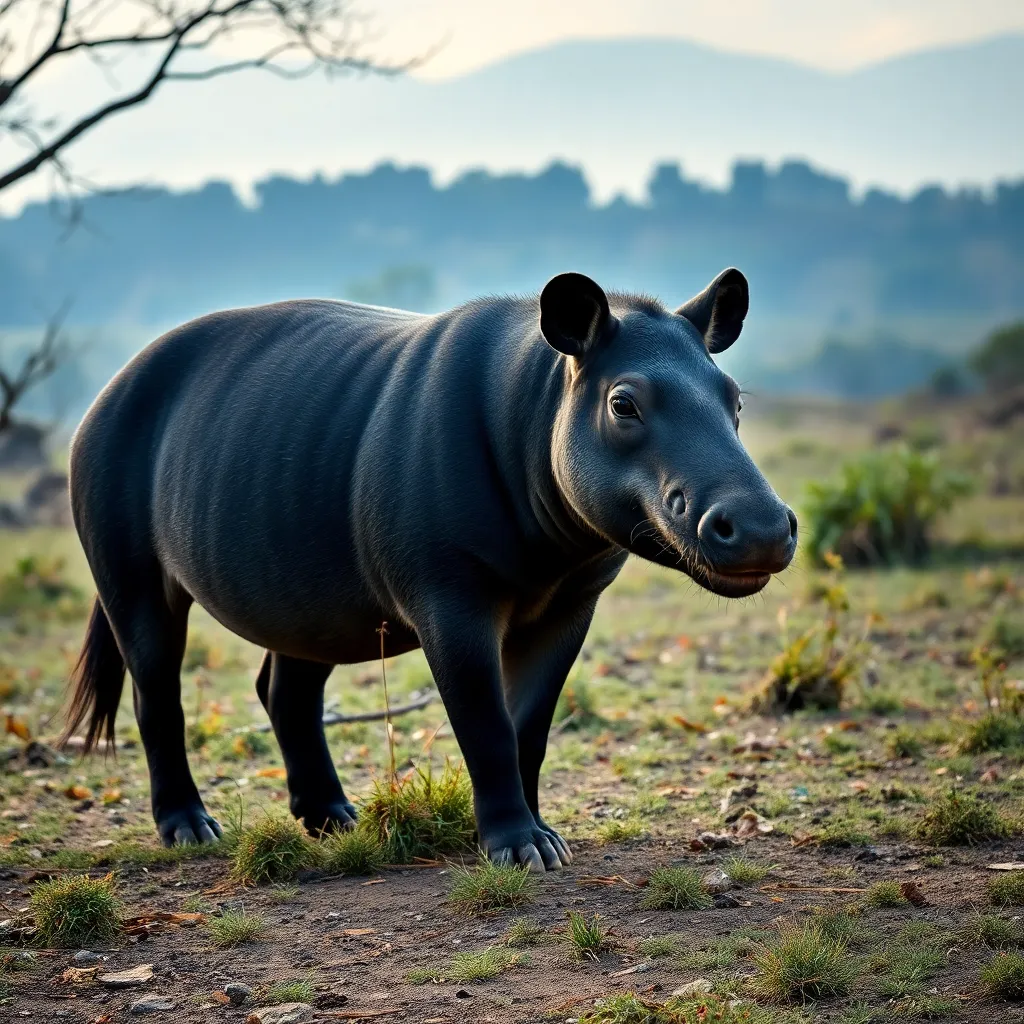
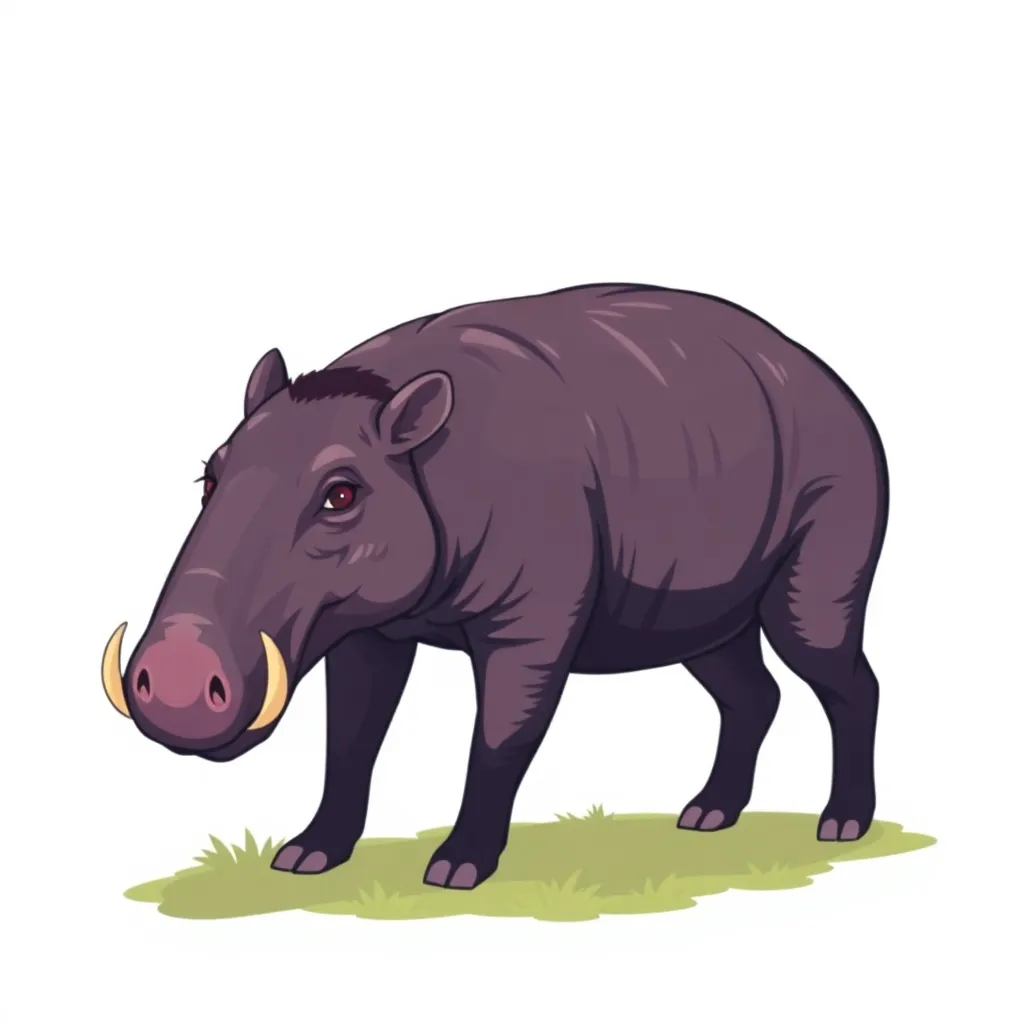
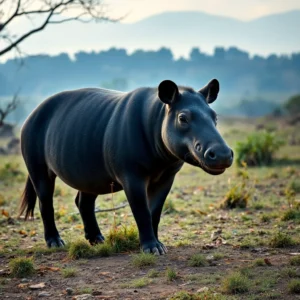
The South American tapir is a large, shy mammal and one of the oldest living mammals on Earth, with ancestors dating back 55 million years. Despite their pig-like appearance, tapirs are closely related to horses and rhinoceroses. They play a critical ecological role as seed dispersers, earning them the nickname ‘gardeners of the forest’ as they deposit large seeds throughout vast areas.

⚡ Speed Comparison

Human
12 km/h
Tapir
48 km/h
Car (city)
50 km/h
Horse
54 km/h

💡 Fun Facts

01

Tapirs are excellent swimmers and often submerge entirely underwater to escape predators and cool down.

02

A tapir's prehensile snout can grasp and strip leaves from branches like a miniature elephant trunk.

03

Baby tapirs are born with white spots and stripes that disappear within six months — a camouflage pattern like a watermelon.

04

Tapirs communicate using sharp high-pitched whistles that can be heard hundreds of meters away.

05

Fossil tapirs were present in North America and Europe; today they survive only in Central/South America and Southeast Asia.

Unlock Expert Wildlife Facts

Watch a short 15-second video to unlock detailed expert analysis, exclusive wildlife photography, and rare behavioral facts.

📍 Where to Find This Animal

🛒 Tapir Related Gear

As an Amazon Associate we earn from qualifying purchases.
🗨️

Join the Conversation

Share your thoughts about the Tapir

✍️

Leave a Comment

Your email address will not be published. Required fields are marked *

How Big Is a Tapir?

Side-by-side comparison with an adult human (175 cm)

🧍
Human
175 cm
🐗
Tapir
65 cm
shoulder height
150–300 BODY WEIGHT
1.8–2.5 BODY LENGTH
48 TOP SPEED
25–35 LIFESPAN
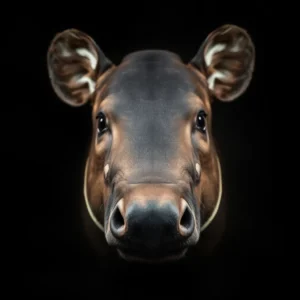
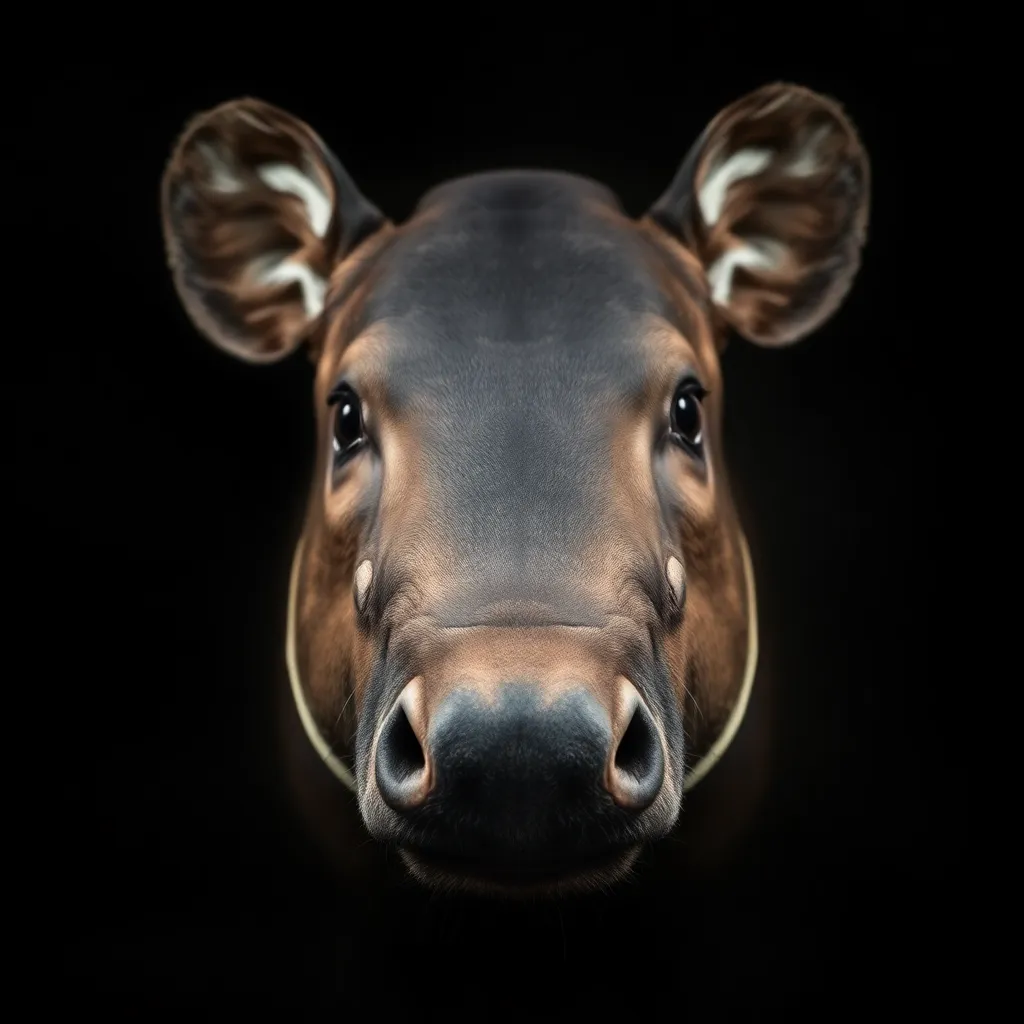
Tapir close-up
Tapir

SURVIVAL TOOLKIT

Built for Survival

Nature's engineering refined over millions of years

🔬 SURVIVAL TOOLKIT
Prehensile Proboscis
01

Prehensile Proboscis

A flexible, muscular snout acts like a hand to grasp vegetation and pull branches within reach.

Aquatic Escape
02

Aquatic Escape

Dense, barrel-shaped body and strong swimming ability allow tapirs to escape jaguars by diving into rivers.

Lophed Molars
03

Lophed Molars

Ridged molars grind fibrous vegetation with high efficiency, extracting maximum nutrition from tough plant material.

Seed Dispersal
04

Seed Dispersal

Large gut capacity passes viable seeds far from parent plants, making tapirs critical forest regeneration agents.

Low-Light Vision
05

Low-Light Vision

Eyes positioned on the sides of the head provide near 360-degree vision to detect approaching predators in dense jungle.

Ancient Walker of Rainforests. An extraordinary creature that reminds us what we stand to lose.

Jungal Safari · Wildlife Network
💡

Did You Know?

Tapirs are excellent swimmers and often submerge entirely underwater to escape predators and cool down.

🍖 DIET: HERBIVORE

What Does the Tapir Eat?

🍃
Leaves
🍎
Fruits
🌿
Aquatic Vegetation
🌱
Shoots & Twigs
🍄
Fungi
🗺️ GEOGRAPHIC RANGE

Where Do Tapirs Live?

🌍
Continents
📉
Population Trend Declining

Conservation in Action

How You Can Help the Tapir

Small actions, taken together, can reverse the decline of species like this one

🌳
Protect Habitat

Support wildlife reserves and protected land corridors

🚫
Stop Poaching

Report illegal trade and back anti-poaching patrols

🔬
Fund Research

Camera-trap studies and population monitoring

🤝
Community Work

Partner with local herders to reduce conflict

📢
Raise Awareness

Educate and inspire future wildlife champions

"Without urgent action, the Tapir could disappear from the wild within our lifetime."

PROTECT THEM. PRESERVE THEIR LEGACY.

The Tapir's Future
Is In Our Hands

Every share, every donation, every voice raised — makes a difference for wildlife conservation.

🌳Protect Habitat
📢Raise Awareness
💰Fund Research
🤝Community Work
🚫Stop Poaching

"Protect Wildlife. Preserve Our Planet."

Every species matters. Every action counts.

Advertisement