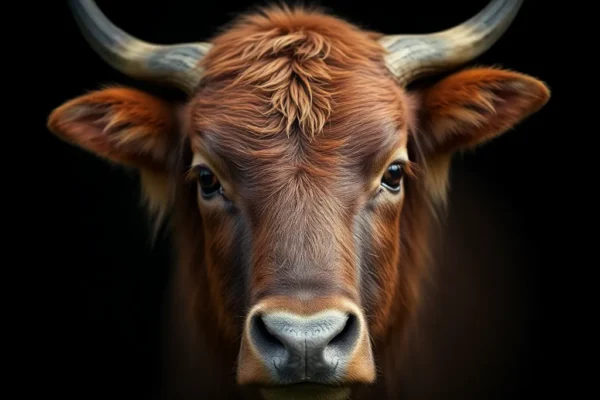
Loading Wildlife…

Bovidae LC

THE

ANTELOPE

Grace Upon the Savanna

Aepyceros melampus

Africa
CLASS Mammalia FAMILY Bovidae GENUS Aepyceros
90 km/h
Top Speed
⚖️
40-75 kg
Max Weight
📏
1.2-1.6 m
Body Length
🕰️
12-15 years
Lifespan
🍖
Herbivore
Diet Type

IUCN Red List — Where this species stands

LC Least Concern
NT Near Threatened
VU Vulnerable
EN Endangered
CR Critical
EW Extinct Wild
EX Extinct

About the Antelope

Aepyceros melampus

Advertisement

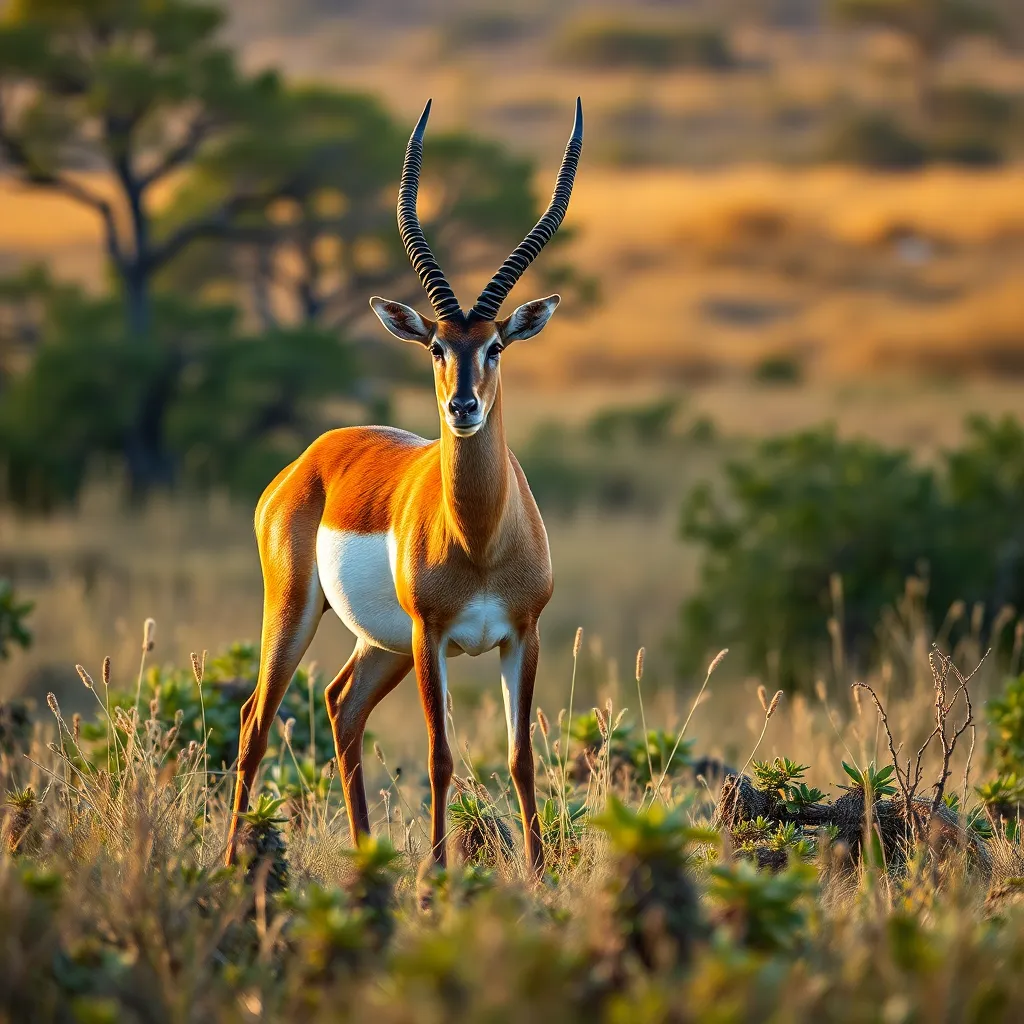
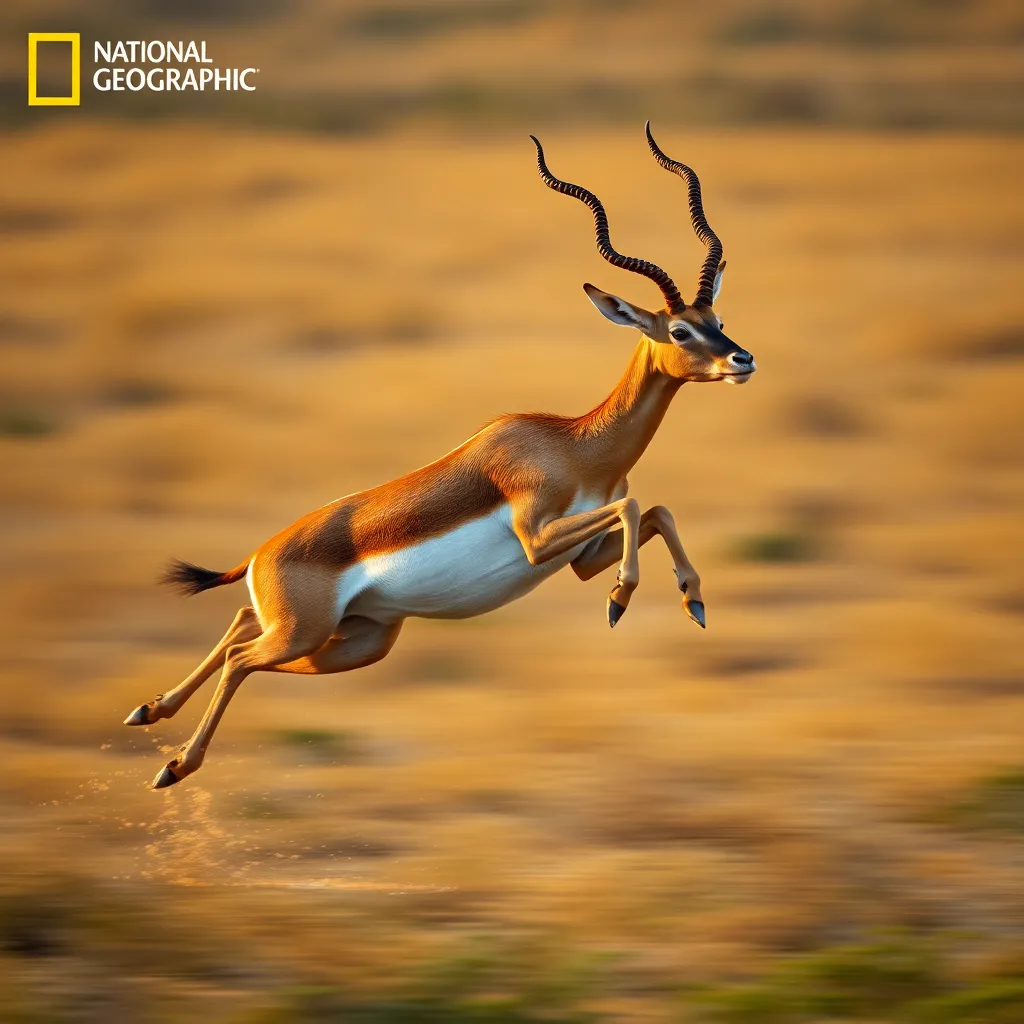
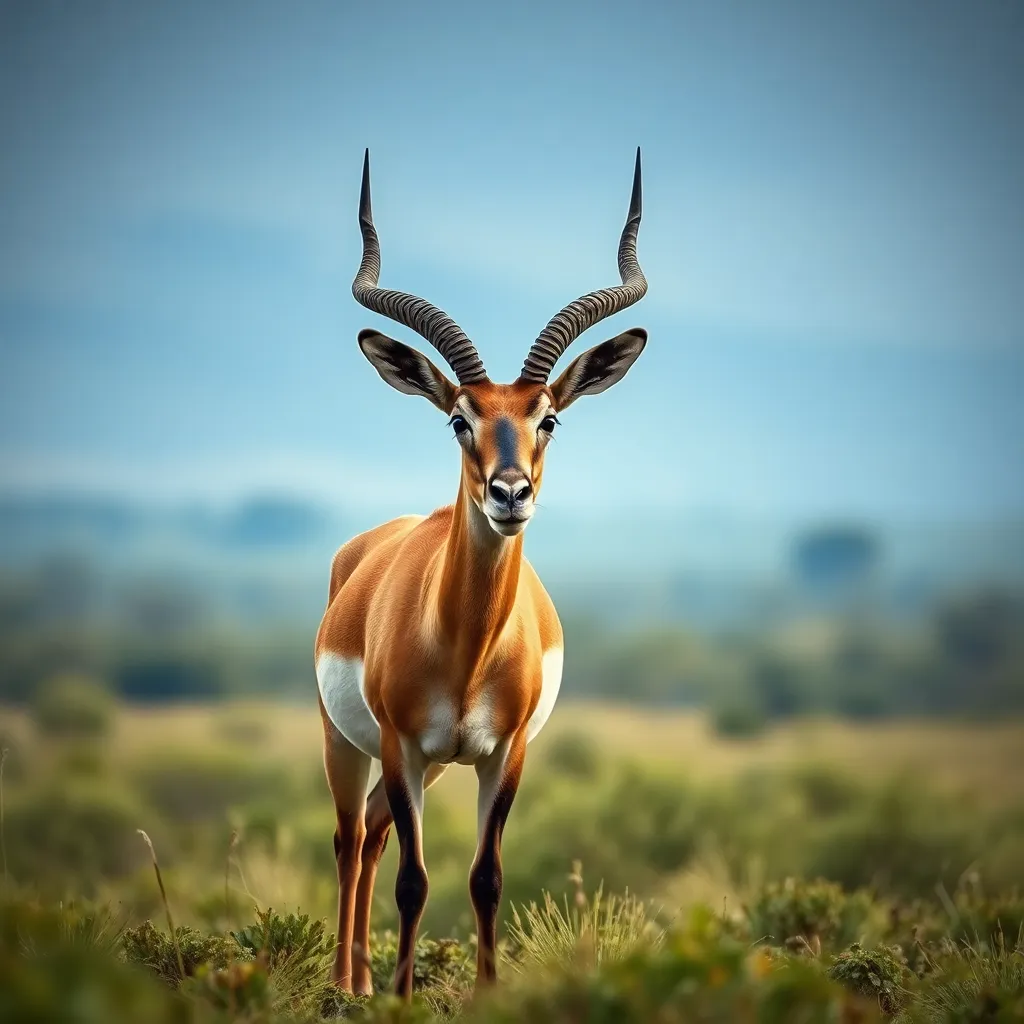
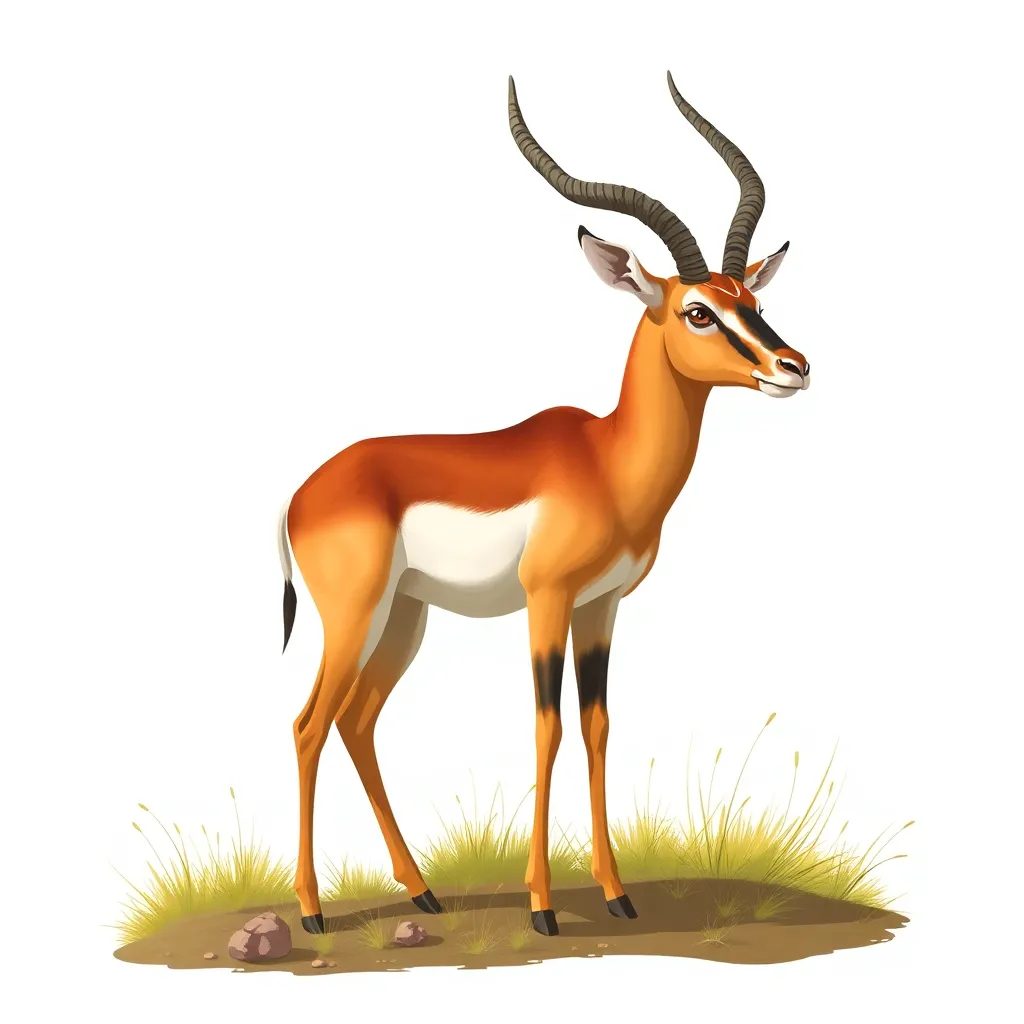
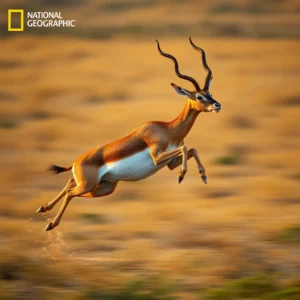
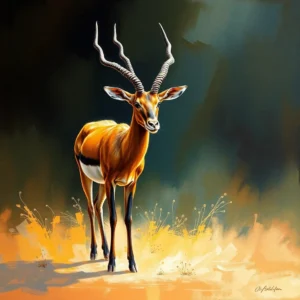
The Impala is one of Africa’s most elegant and abundant antelopes, a master of athleticism that can leap up to 3 meters high and 10 meters in a single bound. Found across sub-Saharan Africa’s woodlands and savannas, impalas form large mixed herds and serve as a crucial prey base for lions, leopards, cheetahs, and wild dogs. Their remarkable agility — including the ability to change direction in mid-air — makes them extremely difficult for predators to catch in a fair chase.

⚡ Speed Comparison

Human
12 km/h
Car (city)
50 km/h
Horse
54 km/h
Antelope
90 km/h

💡 Fun Facts

01

Impalas can leap up to 10 meters horizontally and 3 meters vertically — an ability used both to escape predators and to jump over each other in frantic group flight.

02

During rutting season, male impalas produce a distinctive roaring call and can mate with up to 30 females in a single day.

03

Impalas practice mutual grooming (allogrooming) to reach body parts they cannot groom themselves, also reinforcing social bonds.

04

Black-faced impalas (Aepyceros melampus petersi) are a distinct, more endangered subspecies found only in Namibia and Angola.

05

Impala herds practice 'confusion effect' flight — scattering in every direction simultaneously to overwhelm a predator's targeting ability.

Unlock Expert Wildlife Facts

Watch a short 15-second video to unlock detailed expert analysis, exclusive wildlife photography, and rare behavioral facts.

📍 Where to Find This Animal

Habitat Types: Savanna & Woodland

🛒 Antelope Related Gear

As an Amazon Associate we earn from qualifying purchases.
🗨️

Join the Conversation

Share your thoughts about the Antelope

✍️

Leave a Comment

Your email address will not be published. Required fields are marked *

How Big Is a Antelope?

Side-by-side comparison with an adult human (175 cm)

🧍
Human
175 cm
🦌
Antelope
65 cm
shoulder height
40-75 BODY WEIGHT
1.2-1.6 BODY LENGTH
90 TOP SPEED
12-15 LIFESPAN
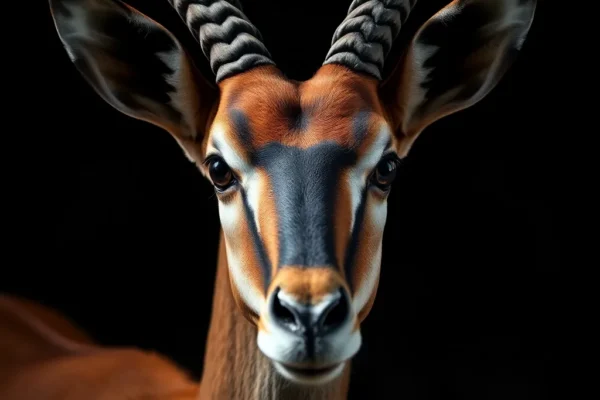
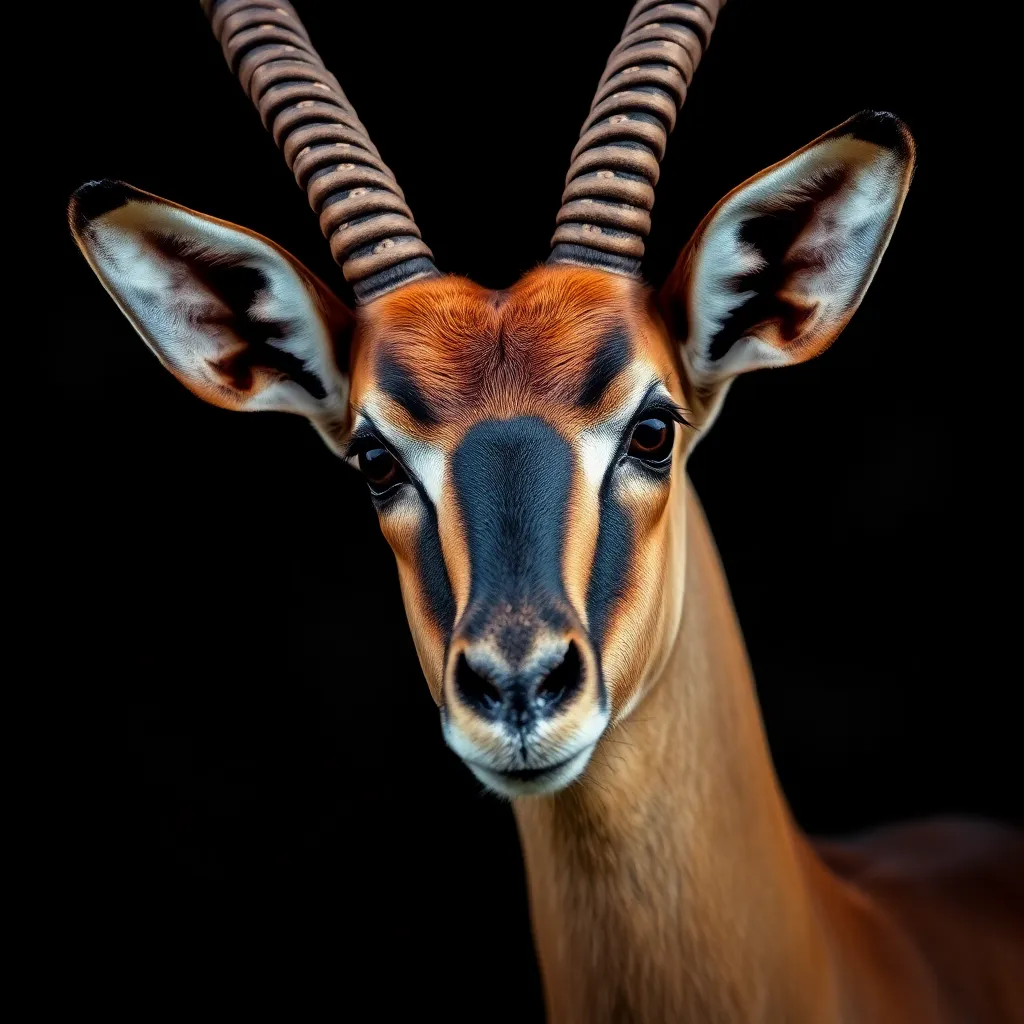
Antelope close-up
Antelope

SURVIVAL TOOLKIT

Built for Survival

Nature's engineering refined over millions of years

🔬 SURVIVAL TOOLKIT
Explosive Leap
01

Explosive Leap

Powerful hindquarters and long, springy legs can launch the body 3 meters vertically and 10 meters horizontally to escape predators.

Metatarsal Glands
02

Metatarsal Glands

Scent glands on the hind legs release a pheromone plume when fleeing, allowing scattered herd members to follow each other's escape route.

Dental Comb
03

Dental Comb

Lower incisors form a comb structure used in allogrooming to remove ticks and parasites from areas inaccessible by self-grooming.

Wide-Angle Vision
04

Wide-Angle Vision

Laterally placed eyes with horizontal slit pupils provide near-360-degree vision for predator detection while grazing.

Dietary Flexibility
05

Dietary Flexibility

Impalas switch between grazing and browsing seasonally, allowing survival in habitats with variable food availability throughout the year.

Grace Upon the Savanna. An extraordinary creature that reminds us what we stand to lose.

Jungal Safari · Wildlife Network
💡

Did You Know?

Impalas can leap up to 10 meters horizontally and 3 meters vertically — an ability used both to escape predators and to jump over each other in frantic group flight.

🍖 DIET: HERBIVORE

What Does the Antelope Eat?

🌾
Grasses
🍃
Leaves & Shoots
🌸
Flowers & Herbs
🌰
Fruit & Pods
🗺️ GEOGRAPHIC RANGE

Where Do Antelopes Live?

🌍
Continents
➡️
Population Trend Stable

Conservation in Action

How You Can Help the Antelope

Small actions, taken together, can reverse the decline of species like this one

🌳
Protect Habitat

Support wildlife reserves and protected land corridors

🚫
Stop Poaching

Report illegal trade and back anti-poaching patrols

🔬
Fund Research

Camera-trap studies and population monitoring

🤝
Community Work

Partner with local herders to reduce conflict

📢
Raise Awareness

Educate and inspire future wildlife champions

"Without urgent action, the Antelope could disappear from the wild within our lifetime."

PROTECT THEM. PRESERVE THEIR LEGACY.

The Antelope's Future
Is In Our Hands

Every share, every donation, every voice raised — makes a difference for wildlife conservation.

🌳Protect Habitat
📢Raise Awareness
💰Fund Research
🤝Community Work
🚫Stop Poaching

"Protect Wildlife. Preserve Our Planet."

Every species matters. Every action counts.

Advertisement