Loading Wildlife…

Elapidae LC

THE

COBRA

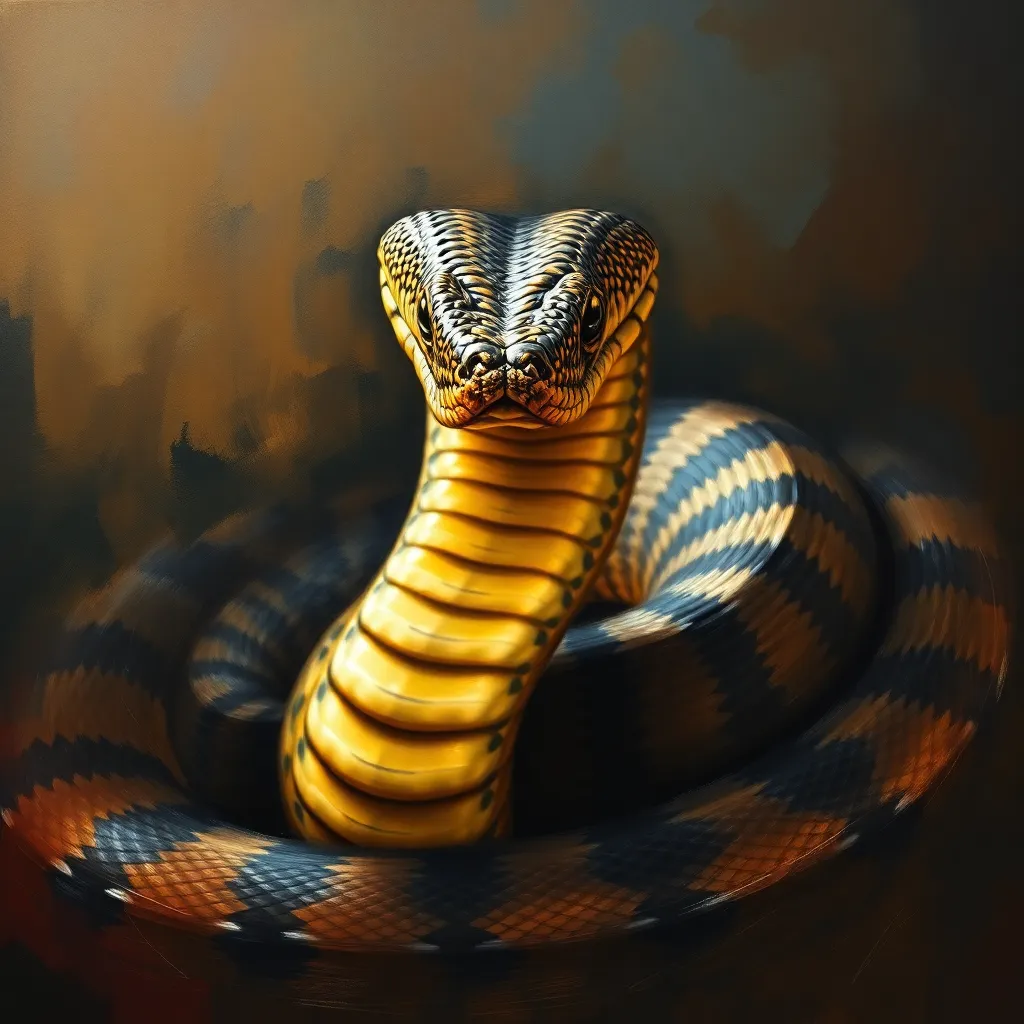
Hooded Sovereign of Sacred Venom

Naja naja

Asia
CLASS Reptilia FAMILY Elapidae GENUS Naja
16 km/h
Top Speed
⚖️
1-6 kg
Max Weight
📏
1-2.2 m
Body Length
🕰️
20-30 years
Lifespan
🍖
Carnivore
Diet Type

IUCN Red List — Where this species stands

LC Least Concern
NT Near Threatened
VU Vulnerable
EN Endangered
CR Critical
EW Extinct Wild
EX Extinct

About the Cobra

Naja naja

Advertisement

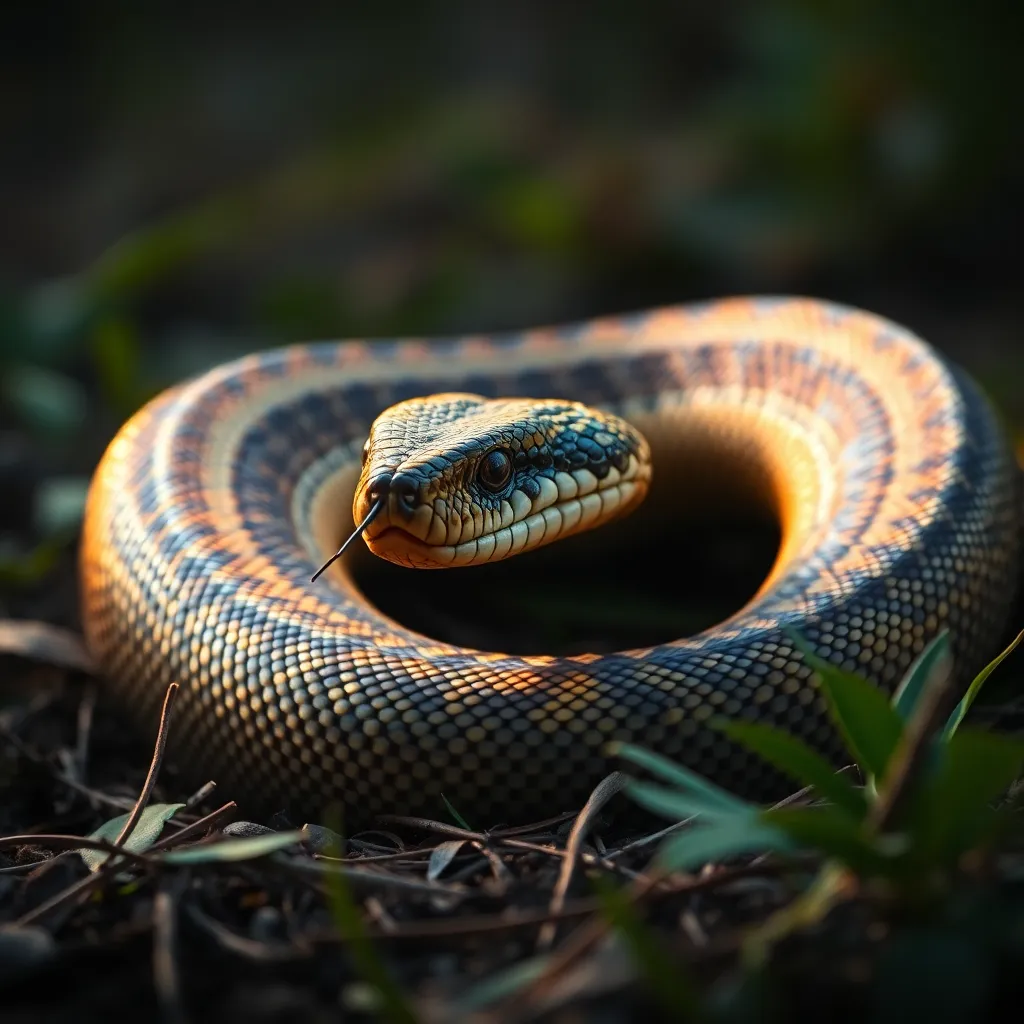
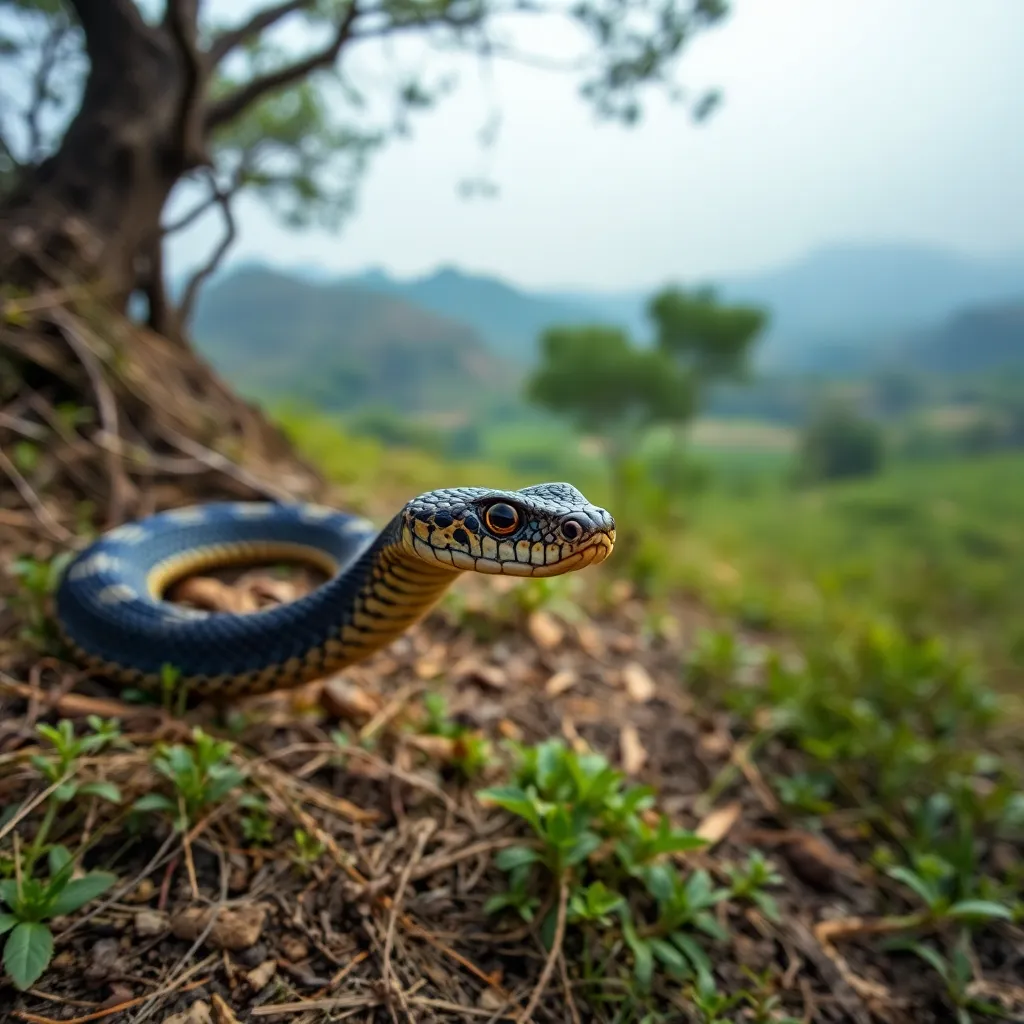
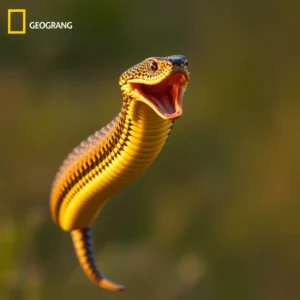
The Indian cobra is one of the most culturally significant and medically important venomous snakes in the world, responsible for thousands of snakebite deaths annually across South Asia. Found in a wide range of habitats from dense forests and farmlands to urban outskirts across India, Sri Lanka, Pakistan, Nepal, and Bangladesh, this iconic snake is as much a part of the subcontinental landscape as it is a subject of reverence and fear. Its distinctive hood display and ability to rear up to one-third of its body height make it one of the most recognizable reptiles on Earth.

⚡ Speed Comparison

Human
12 km/h
Cobra
16 km/h
Car (city)
50 km/h
Horse
54 km/h

💡 Fun Facts

01

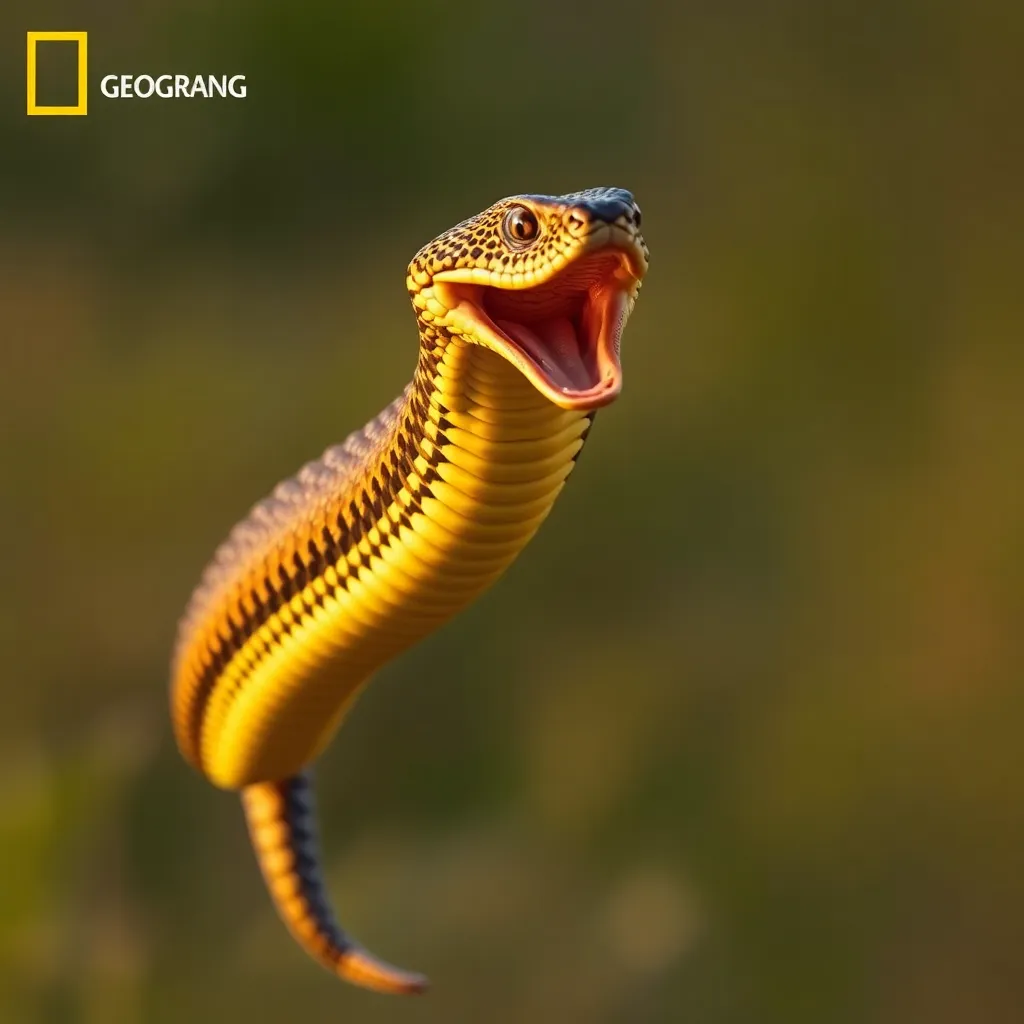
The Indian cobra spreads its iconic hood by expanding moveable ribs in its neck region — the spread is controlled by a set of muscles that can fully extend in under 100 milliseconds.

02

Cobra venom contains both post-synaptic neurotoxins (blocking acetylcholine receptors) and cytotoxins that destroy cell membranes, creating a dual-mechanism envenomation.

03

The Indian cobra is worshipped as a deity in Hinduism and plays a central role in the myth of Shesha — the cosmic serpent on which Vishnu rests.

04

Cobras are one of the few snakes that build a nest and guard their eggs — females coil around clutches of 12-30 eggs for up to 60 days, regulating temperature through muscle shivering.

05

The spitting cobra Naja siamensis can accurately project venom into a predator's eyes from distances up to 2.5 meters, targeting the most sensitive organ with pinpoint accuracy.

Unlock Expert Wildlife Facts

Watch a short 15-second video to unlock detailed expert analysis, exclusive wildlife photography, and rare behavioral facts.

📍 Where to Find This Animal

🛒 Cobra Related Gear

As an Amazon Associate we earn from qualifying purchases.

🗨️

Join the Conversation

Share your thoughts about the Cobra

✍️

Leave a Comment

Your email address will not be published. Required fields are marked *

How Big Is a Cobra?

Side-by-side comparison with an adult human (175 cm)

🧍
Human
175 cm
🐍
Cobra
65 cm
shoulder height
1-6 BODY WEIGHT
1-2.2 BODY LENGTH
16 TOP SPEED
20-30 LIFESPAN
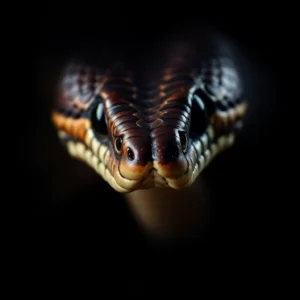
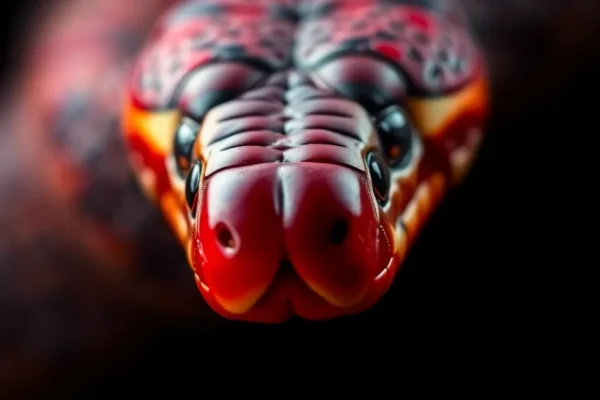
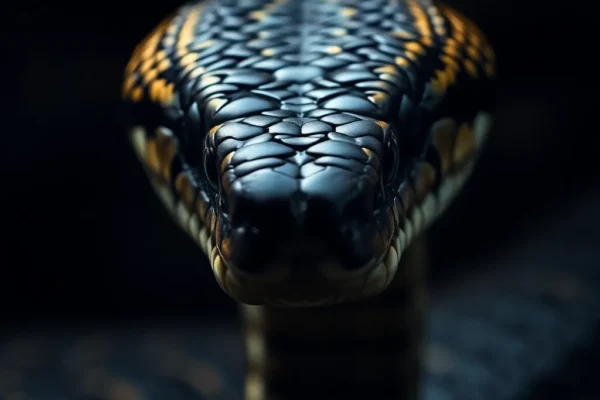
Cobra close-up
Cobra

SURVIVAL TOOLKIT

Built for Survival

Nature's engineering refined over millions of years

🔬 SURVIVAL TOOLKIT
Expandable Hood
01

Expandable Hood

Mobile cervical ribs supporting loose neck skin spread into a warning display that appears to more than double the snake's size.

Dual-Action Venom
02

Dual-Action Venom

Combined neurotoxins and cytotoxins attack nerve synapses and cellular integrity simultaneously, causing rapid prey immobilization.

Nest Guarding
03

Nest Guarding

Active egg-guarding behavior and thermoregulation through muscle contraction increases embryo survival in variable tropical climates.

Jacobson's Organ
04

Jacobson's Organ

A forked tongue delivers airborne chemical particles to the vomeronasal organ, providing directional chemoreception in near-total darkness.

Thermal Sensing
05

Thermal Sensing

Some pit-less cobra species use highly sensitive thermoreceptors in facial scales to detect warm-blooded prey at night.

Hooded Sovereign of Sacred Venom. An extraordinary creature that reminds us what we stand to lose.

Jungal Safari · Wildlife Network
💡

Did You Know?

The Indian cobra spreads its iconic hood by expanding moveable ribs in its neck region — the spread is controlled by a set of muscles that can fully extend in under 100 milliseconds.

🍖 DIET: CARNIVORE

What Does the Cobra Eat?

🐸
Frogs
🦎
Lizards
🐭
Rodents
🐦
Small Birds
🥚
Eggs
🗺️ GEOGRAPHIC RANGE

Where Do Cobras Live?

🌍
Continents
📉
Population Trend Declining

Conservation in Action

How You Can Help the Cobra

Small actions, taken together, can reverse the decline of species like this one

🌳
Protect Habitat

Support wildlife reserves and protected land corridors

🚫
Stop Poaching

Report illegal trade and back anti-poaching patrols

🔬
Fund Research

Camera-trap studies and population monitoring

🤝
Community Work

Partner with local herders to reduce conflict

📢
Raise Awareness

Educate and inspire future wildlife champions

"Without urgent action, the Cobra could disappear from the wild within our lifetime."

PROTECT THEM. PRESERVE THEIR LEGACY.

The Cobra's Future
Is In Our Hands

Every share, every donation, every voice raised — makes a difference for wildlife conservation.

🌳Protect Habitat
📢Raise Awareness
💰Fund Research
🤝Community Work
🚫Stop Poaching

"Protect Wildlife. Preserve Our Planet."

Every species matters. Every action counts.

Advertisement