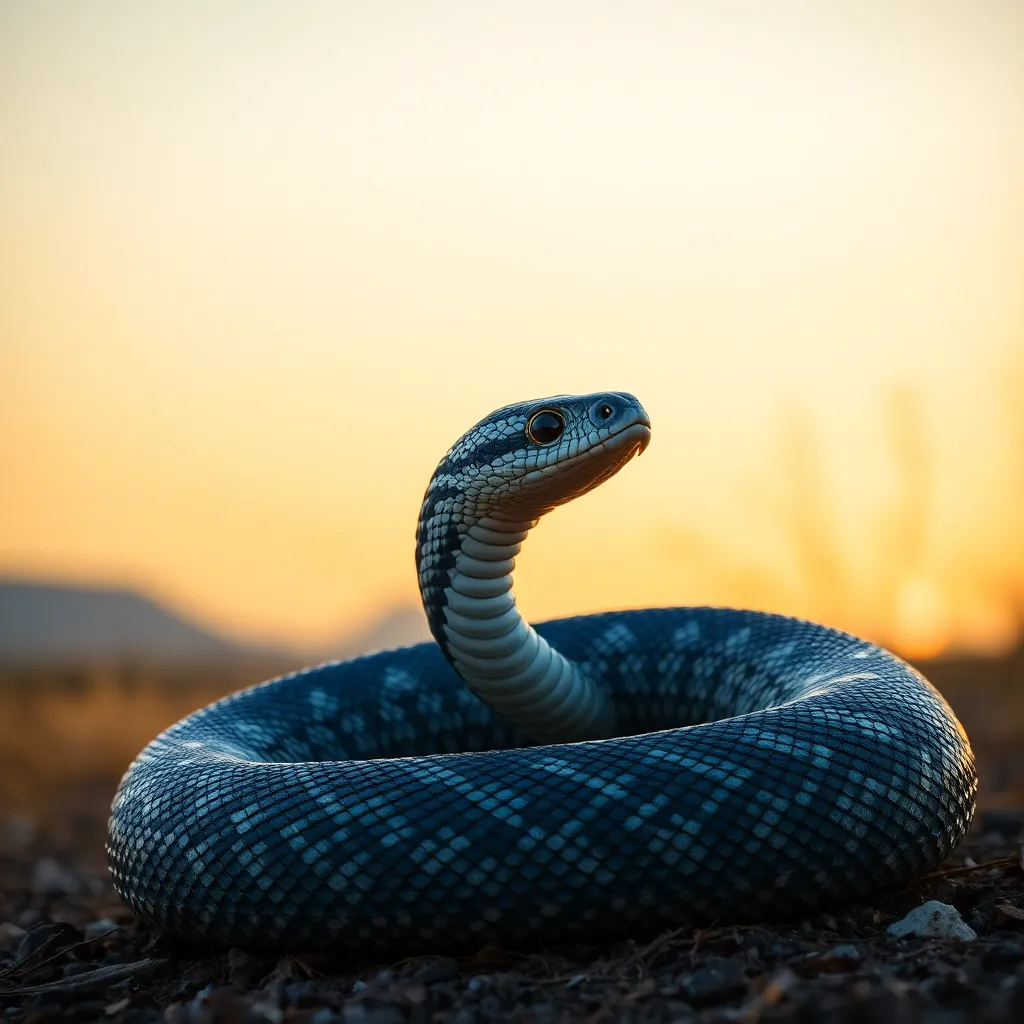
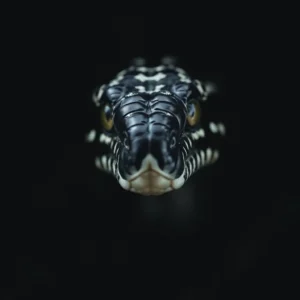
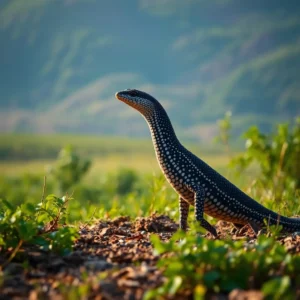
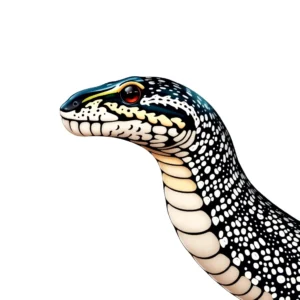
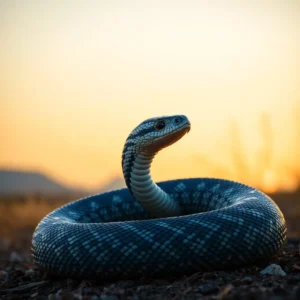
The common krait is one of the ‘Big Four’ venomous snakes responsible for the vast majority of snakebite deaths in South Asia. A slender, nocturnal elapid found across the Indian subcontinent, the krait is notoriously more dangerous at night when it becomes active — biting sleeping humans on the ground who feel no initial pain due to the venom’s anesthetic properties, often leading to death before symptoms are noticed. Despite its extreme danger to humans, the krait is a vital predator of rodents and other snakes, including other kraits.
About the Krait
Bungarus caeruleus
Advertisement
⚡ Speed Comparison
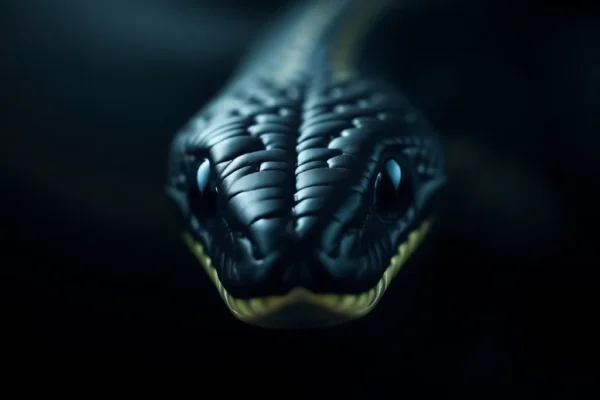
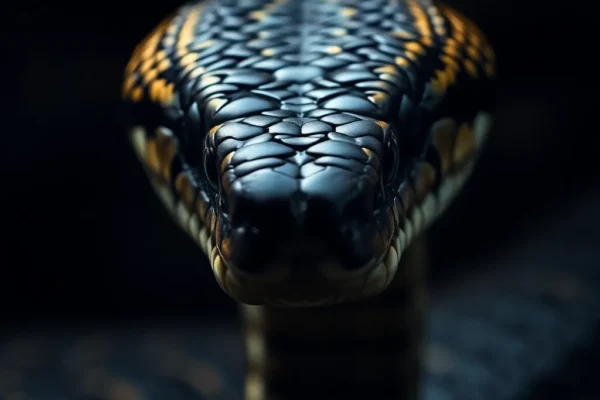
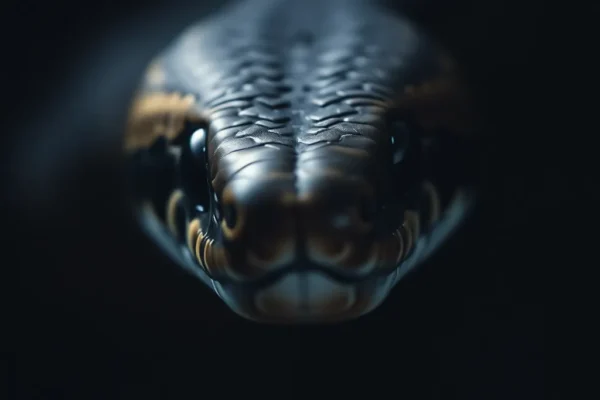
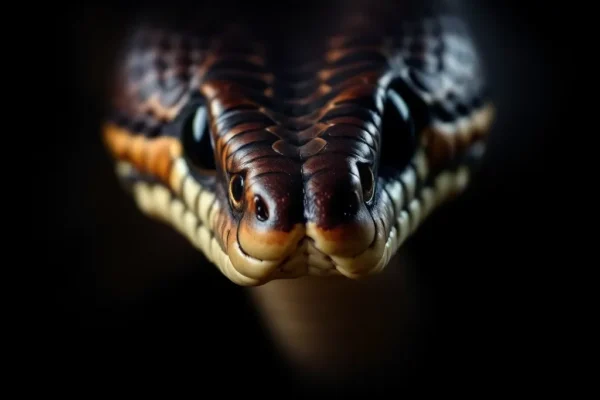
📸 Photo Gallery


💡 Fun Facts
01
Krait venom contains a potent mixture of pre- and post-synaptic neurotoxins, including alpha-bungarotoxin, that block acetylcholine receptors at neuromuscular junctions; the resulting paralysis is painless, which is why bitten sleepers often die without ever waking.
02
Kraits are ophiophagous — they actively hunt and consume other snakes, including highly venomous cobras and even smaller kraits, as a major component of their diet.
03
Common kraits are most dangerous between 10 PM and 4 AM; during the day they are docile and rarely strike even when handled, leading rural communities to incorrectly consider them harmless.
04
The common krait accounts for an estimated 23% of snakebite-related deaths in Sri Lanka despite being only the fourth most commonly encountered venomous snake there.
05
Krait venom has been essential to neuroscience: alpha-bungarotoxin purified from krait venom was the primary tool used to first isolate and characterize the nicotinic acetylcholine receptor in 1970 — foundational work for Alzheimer's and myasthenia gravis research.
📍 Where to Find This Animal
Habitat Types:
Agricultural Land, Forest Edge & Human Settlements
🛒 Krait Related Gear
As an Amazon Associate we earn from qualifying purchases.


Join the Conversation
Share your thoughts about the Krait