Loading Wildlife…

Viperidae LC

THE

COPPERHEAD

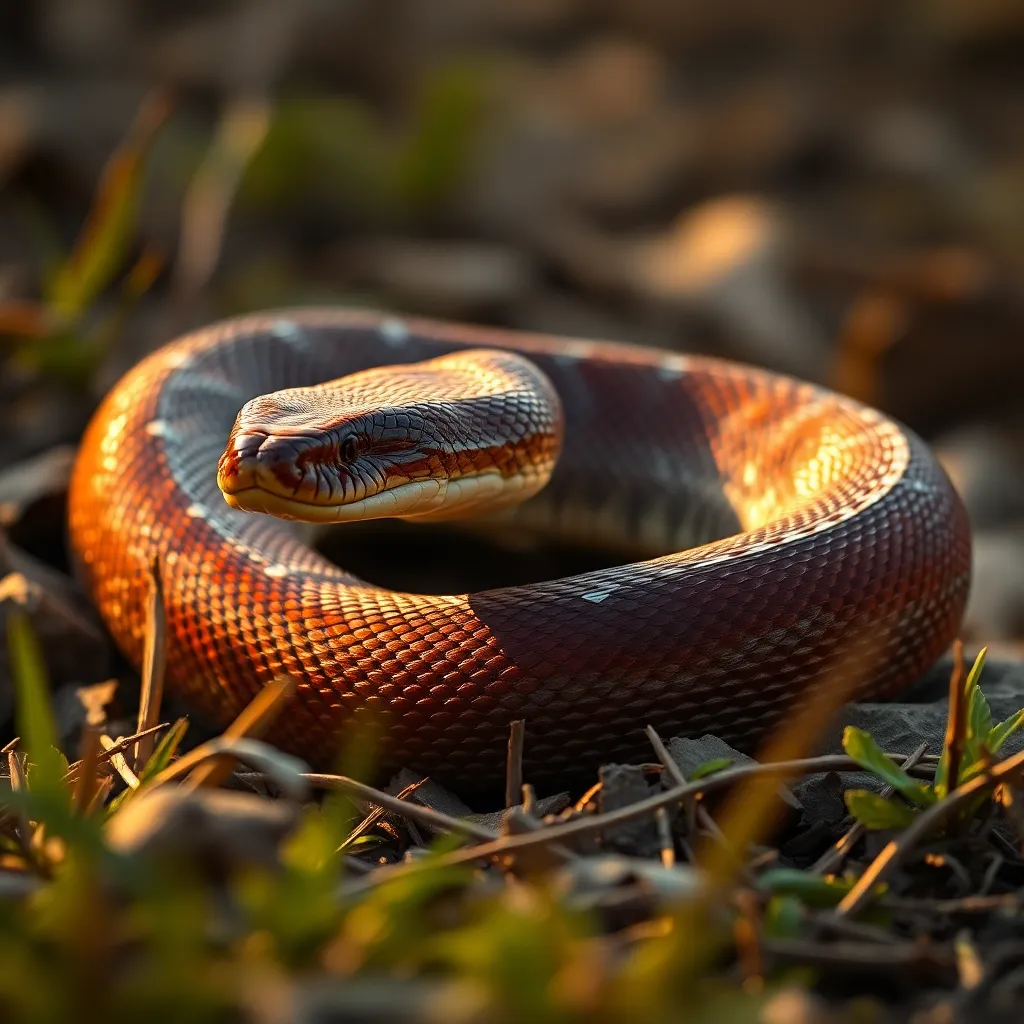
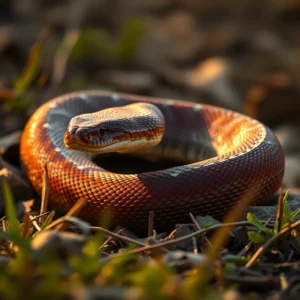
Copper Coil in the Leaf Litter

Agkistrodon contortrix

North America
CLASS Reptilia FAMILY Viperidae GENUS Agkistrodon
1.6 km/h
Top Speed
⚖️
0.2-0.7 kg
Max Weight
📏
60-135 cm
Body Length
🕰️
18-25 years
Lifespan
🍖
Carnivore
Diet Type

IUCN Red List — Where this species stands

LC Least Concern
NT Near Threatened
VU Vulnerable
EN Endangered
CR Critical
EW Extinct Wild
EX Extinct

About the Copperhead

Agkistrodon contortrix

Advertisement

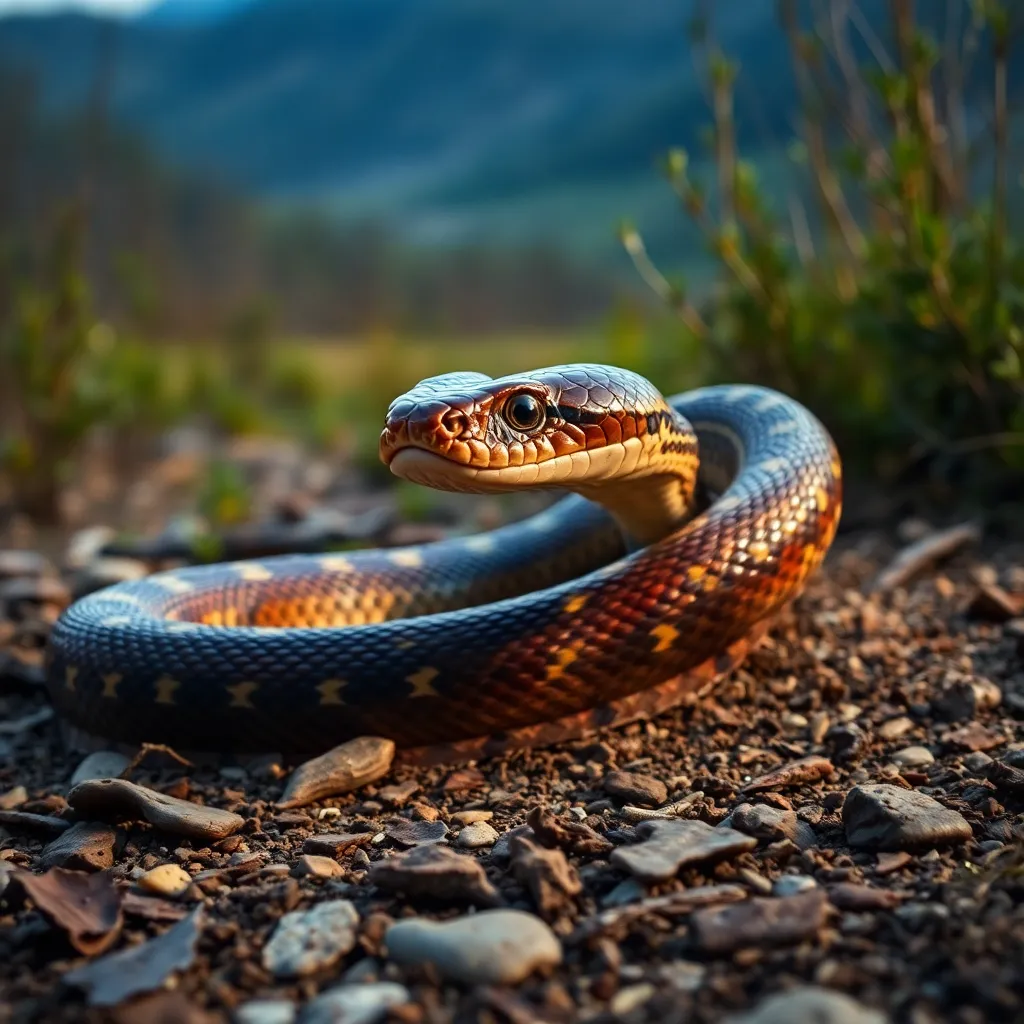
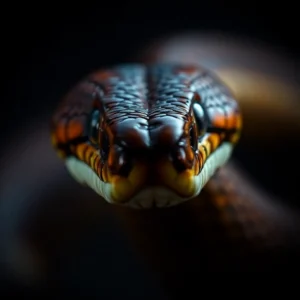
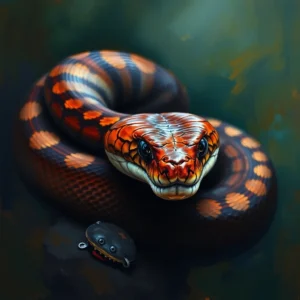
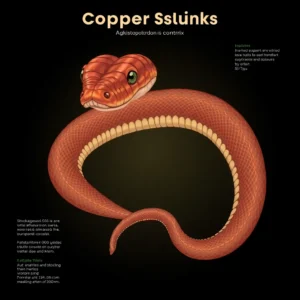
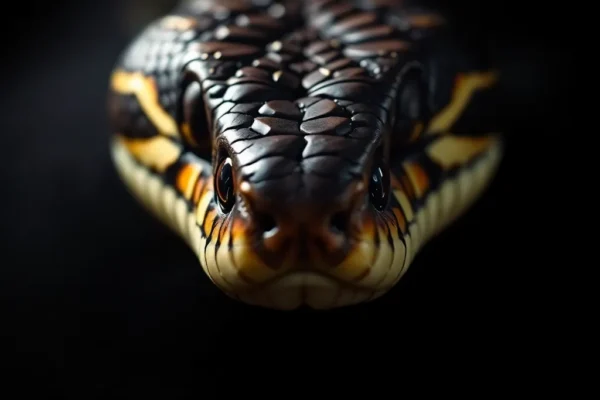
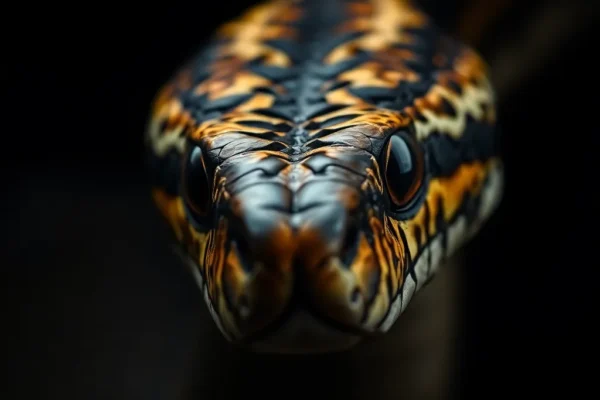
The eastern copperhead is North America’s most commonly encountered venomous snake, a pit viper found across the eastern and central United States in deciduous forests, rocky hillsides, and suburban edges. Their copper-brown hourglass pattern provides remarkable camouflage in autumn leaf litter. Although responsible for the most snakebite cases in the US each year, fatalities are rare — their venom, while haemotoxic, is less potent than that of most North American pit vipers. Copperheads are the only vipers known to reproduce via facultative parthenogenesis in the wild.

⚡ Speed Comparison

Copperhead
2 km/h
Human
12 km/h
Car (city)
50 km/h
Horse
54 km/h

💡 Fun Facts

01

Copperheads are the only North American pit viper confirmed to reproduce via facultative parthenogenesis — captive females have produced viable young without any male contact.

02

Juveniles have bright yellow-green tail tips that they use as lures, wiggling the tail to attract curious lizards and frogs within striking range — a behaviour called caudal luring.

03

Their loreal pit organs detect temperature differences as small as 0.003°C, allowing them to strike warm-blooded prey with precision in complete darkness.

04

Copperheads produce a musk with a cucumber-like odour when alarmed — a scent many experienced hikers recognise as a warning signal in the forest.

05

Unlike most snakes that inject venom from a stationary position, copperheads sometimes 'dry bite' — delivering a strike without releasing venom to conserve it, particularly on threats they do not intend to eat.

Unlock Expert Wildlife Facts

Watch a short 15-second video to unlock detailed expert analysis, exclusive wildlife photography, and rare behavioral facts.

📍 Where to Find This Animal

🛒 Copperhead Related Gear

As an Amazon Associate we earn from qualifying purchases.
🗨️

Join the Conversation

Share your thoughts about the Copperhead

✍️

Leave a Comment

Your email address will not be published. Required fields are marked *

How Big Is a Copperhead?

Side-by-side comparison with an adult human (175 cm)

🧍
Human
175 cm
🐍
Copperhead
65 cm
shoulder height
0.2-0.7 BODY WEIGHT
60-135 BODY LENGTH
1.6 TOP SPEED
18-25 LIFESPAN
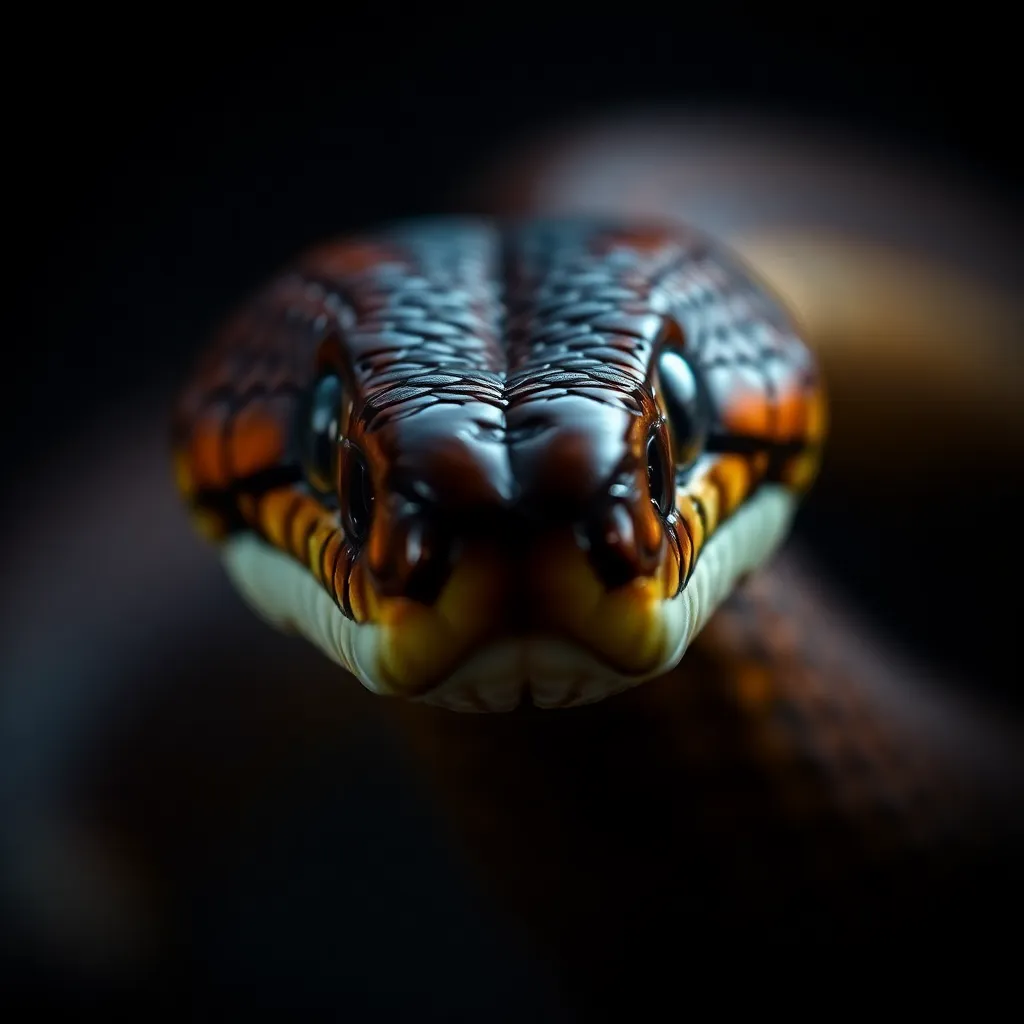
Copperhead close-up
Copperhead

SURVIVAL TOOLKIT

Built for Survival

Nature's engineering refined over millions of years

🔬 SURVIVAL TOOLKIT
Infrared Pit Organs
01

Infrared Pit Organs

A loreal pit between eye and nostril detects infrared radiation from warm-bodied prey, enabling targeting accuracy in total darkness.

Cryptic Colouration
02

Cryptic Colouration

Copper-brown hourglass banding creates near-perfect optical camouflage among fallen autumn leaves, the primary ambush environment.

Haemotoxic Venom
03

Haemotoxic Venom

Proteolytic enzymes in the venom begin digesting prey tissue at the bite site, initiating digestion before the prey is even swallowed.

Folding Hollow Fangs
04

Folding Hollow Fangs

Solenoglyphous hollow fangs fold flat against the palate when not in use and rotate forward to full extension during a strike.

Live Birth
05

Live Birth

Females give birth to 3-10 fully venomous live young rather than laying eggs, providing the warmth of a mobile incubator in variable climates.

Communal Hibernation
06

Communal Hibernation

Copperheads overwinter in communal dens with multiple species including timber rattlesnakes, reducing individual heat loss during cold months.

Copper Coil in the Leaf Litter. An extraordinary creature that reminds us what we stand to lose.

Jungal Safari · Wildlife Network
💡

Did You Know?

Copperheads are the only North American pit viper confirmed to reproduce via facultative parthenogenesis — captive females have produced viable young without any male contact.

🍖 DIET: CARNIVORE

What Does the Copperhead Eat?

🐭
Mice
🐸
Frogs
🦎
Lizards
🐛
Large Insects
🐦
Small Birds
🗺️ GEOGRAPHIC RANGE

Where Do Copperheads Live?

🌍
Continents
📉
Population Trend Declining

Conservation in Action

How You Can Help the Copperhead

Small actions, taken together, can reverse the decline of species like this one

🌳
Protect Habitat

Support wildlife reserves and protected land corridors

🚫
Stop Poaching

Report illegal trade and back anti-poaching patrols

🔬
Fund Research

Camera-trap studies and population monitoring

🤝
Community Work

Partner with local herders to reduce conflict

📢
Raise Awareness

Educate and inspire future wildlife champions

"Without urgent action, the Copperhead could disappear from the wild within our lifetime."

PROTECT THEM. PRESERVE THEIR LEGACY.

The Copperhead's Future
Is In Our Hands

Every share, every donation, every voice raised — makes a difference for wildlife conservation.

🌳Protect Habitat
📢Raise Awareness
💰Fund Research
🤝Community Work
🚫Stop Poaching

"Protect Wildlife. Preserve Our Planet."

Every species matters. Every action counts.

Advertisement