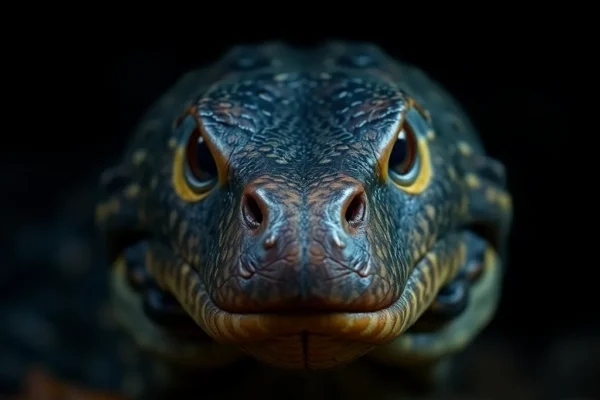
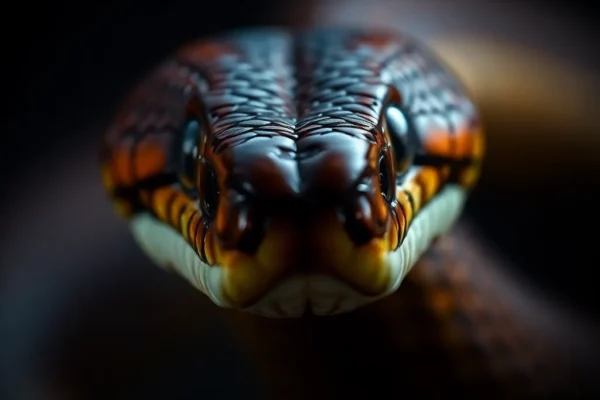
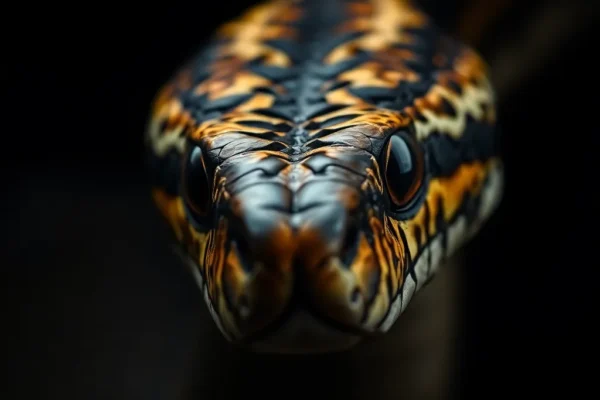
Loading Wildlife…

Viperidae LC

THE

RATTLESNAKE

Desert's Vibrating Warning Bell

Crotalus atrox

Americas
CLASS Reptilia FAMILY Viperidae GENUS Crotalus
8 km/h
Top Speed
⚖️
1–7 kg
Max Weight
📏
90–180 cm
Body Length
🕰️
15–25 years
Lifespan
🍖
Carnivore
Diet Type

IUCN Red List — Where this species stands

LC Least Concern
NT Near Threatened
VU Vulnerable
EN Endangered
CR Critical
EW Extinct Wild
EX Extinct

About the Rattlesnake

Crotalus atrox

Advertisement

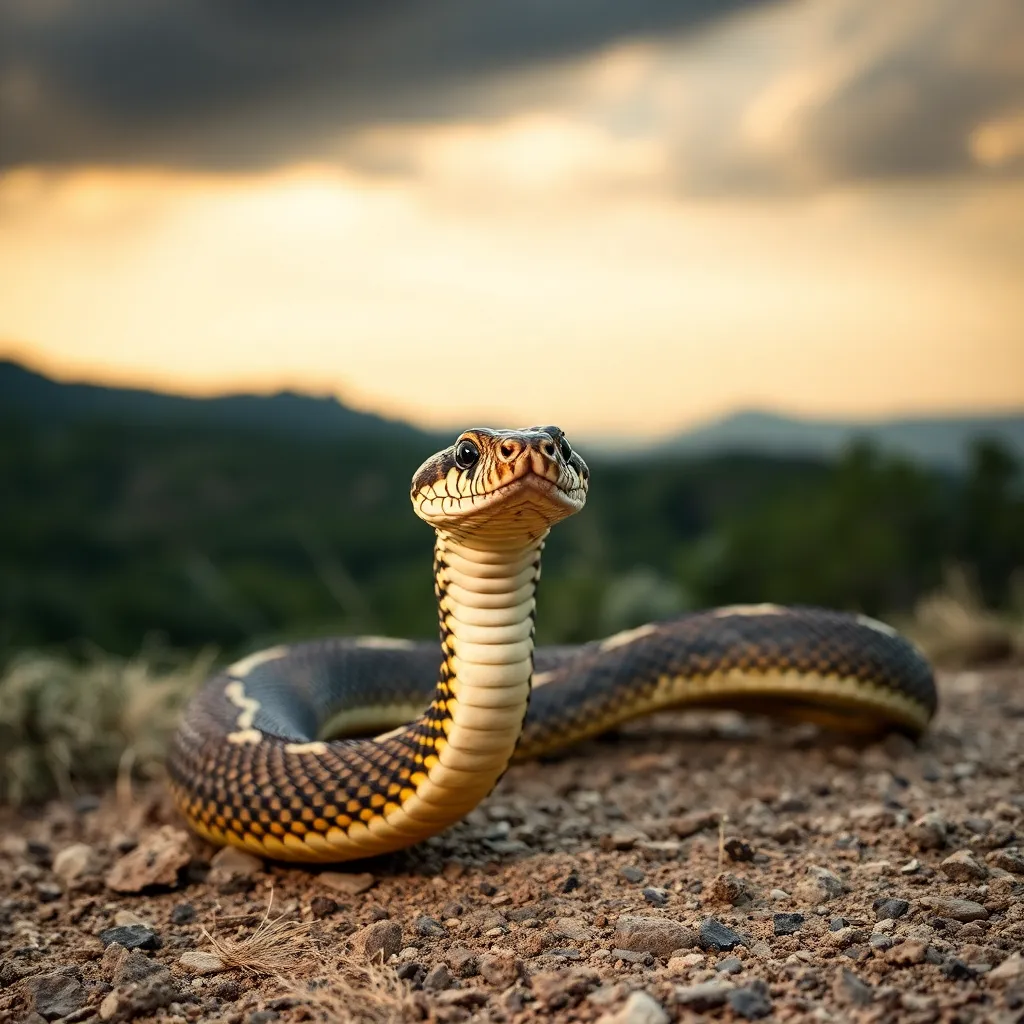
The western diamondback rattlesnake is one of the most recognizable venomous snakes in North America, found across the deserts and scrublands from California to Texas and deep into Mexico. Its iconic rattle — a series of interlocking keratin segments at the tail tip — produces a distinctive buzzing warning to deter larger animals from accidentally stepping on it. As an apex predator and scavenger, the rattlesnake plays a vital role in controlling rodent populations across desert ecosystems.

⚡ Speed Comparison

Rattlesnake
8 km/h
Human
12 km/h
Car (city)
50 km/h
Horse
54 km/h

💡 Fun Facts

01

Rattlesnakes can vibrate their rattle at up to 90 times per second, and a new rattle segment is added each time the snake sheds its skin — typically 3–4 times per year.

02

Pit organs between the eyes and nostrils detect infrared radiation with a sensitivity of 0.003°C — effectively giving rattlesnakes thermal night vision to locate warm-blooded prey in complete darkness.

03

Rattlesnake venom is a complex cocktail of over 50 different enzymes and proteins that begin digesting prey from the inside immediately after injection.

04

Rattlesnakes can accurately strike a target in under 260 milliseconds — faster than the human eye can follow — from a distance of up to two-thirds their body length.

05

Timber and western diamondback rattlesnakes form communal winter dens (hibernacula) where hundreds or even thousands of individuals aggregate, sometimes alongside other snake species, to survive the cold.

Unlock Expert Wildlife Facts

Watch a short 15-second video to unlock detailed expert analysis, exclusive wildlife photography, and rare behavioral facts.

📍 Where to Find This Animal

🛒 Rattlesnake Related Gear

As an Amazon Associate we earn from qualifying purchases.
🗨️

Join the Conversation

Share your thoughts about the Rattlesnake

✍️

Leave a Comment

Your email address will not be published. Required fields are marked *

How Big Is a Rattlesnake?

Side-by-side comparison with an adult human (175 cm)

🧍
Human
175 cm
🐍
Rattlesnake
65 cm
shoulder height
1–7 BODY WEIGHT
90–180 BODY LENGTH
8 TOP SPEED
15–25 LIFESPAN
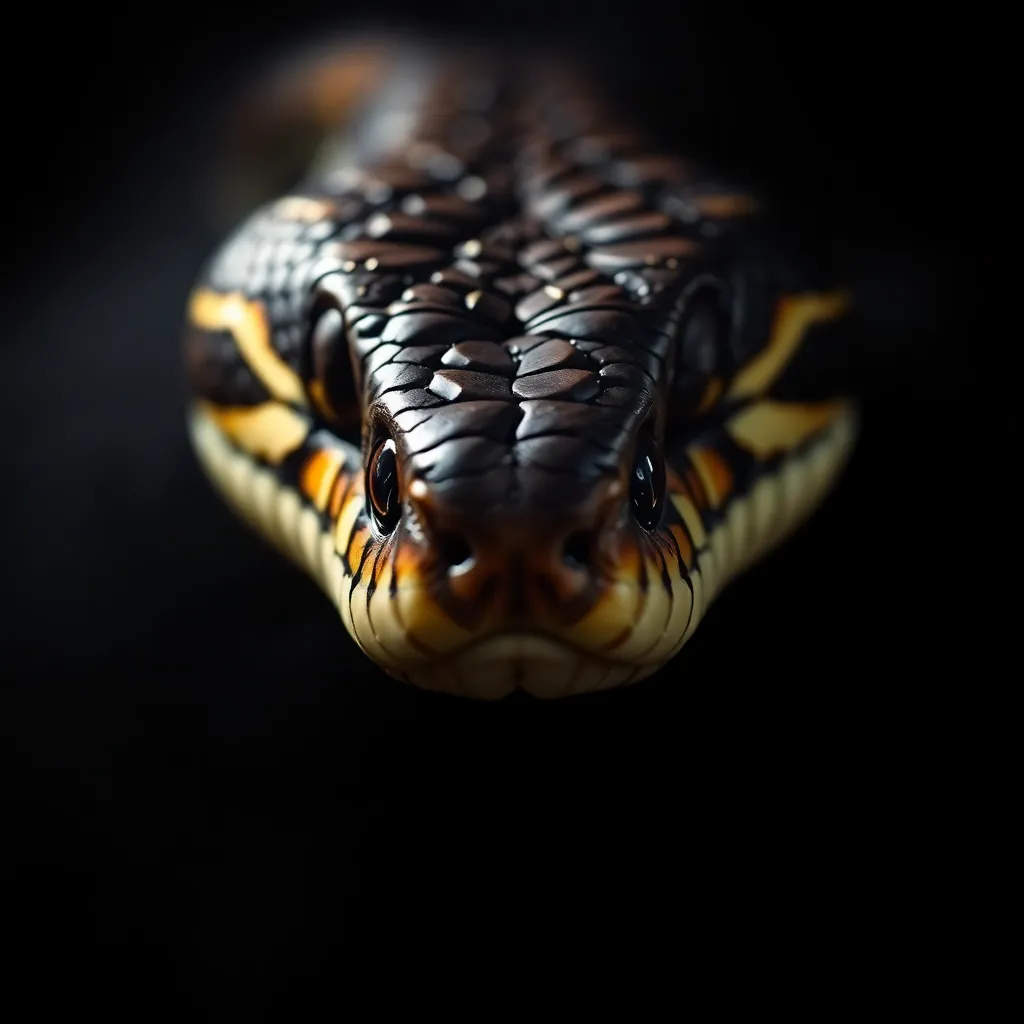
Rattlesnake close-up
Rattlesnake

SURVIVAL TOOLKIT

Built for Survival

Nature's engineering refined over millions of years

🔬 SURVIVAL TOOLKIT
Interlocking Keratin Rattle
01

Interlocking Keratin Rattle

Each shed adds a new hollow keratin segment that loosely interlocks with the previous one; rapid tail vibration causes segments to click together at up to 90 Hz, producing the warning buzz.

Infrared Pit Organs
02

Infrared Pit Organs

Membrane-lined loreal pits flanking the snout detect temperature differences as small as 0.003°C, creating a thermal image of warm-bodied prey independent of visible light.

Folding Hollow Fangs
03

Folding Hollow Fangs

Solenoglyphous fangs fold against the palate when the mouth is closed and erect to 90 degrees during a strike, injecting venom through a pressure-controlled channel deep into prey tissue.

Cryptic Diamond Pattern
04

Cryptic Diamond Pattern

Diamond-shaped dorsal blotches in tan, brown, and grey closely match the color and texture of rocky desert substrates, making stationary snakes nearly invisible.

Ectothermic Temperature Behavior
05

Ectothermic Temperature Behavior

Basking and retreating between sun-warmed rocks and cool shaded crevices maintains precise body temperature without metabolic heat generation, conserving energy in food-scarce desert environments.

Heat-Guided Ambush
06

Heat-Guided Ambush

Rattlesnakes sit motionless on rodent runways for days or weeks, using pit organ imagery to target the precise strike point on passing prey animals in total darkness.

Desert's Vibrating Warning Bell. An extraordinary creature that reminds us what we stand to lose.

Jungal Safari · Wildlife Network
💡

Did You Know?

Rattlesnakes can vibrate their rattle at up to 90 times per second, and a new rattle segment is added each time the snake sheds its skin — typically 3–4 times per year.

🍖 DIET: CARNIVORE

What Does the Rattlesnake Eat?

🐭
Mice & Rats
🐰
Cottontail Rabbits
🦎
Lizards
🐦
Ground-Nesting Birds
🗺️ GEOGRAPHIC RANGE

Where Do Rattlesnakes Live?

🌍
Continents
📉
Population Trend Declining

Conservation in Action

How You Can Help the Rattlesnake

Small actions, taken together, can reverse the decline of species like this one

🌳
Protect Habitat

Support wildlife reserves and protected land corridors

🚫
Stop Poaching

Report illegal trade and back anti-poaching patrols

🔬
Fund Research

Camera-trap studies and population monitoring

🤝
Community Work

Partner with local herders to reduce conflict

📢
Raise Awareness

Educate and inspire future wildlife champions

"Without urgent action, the Rattlesnake could disappear from the wild within our lifetime."

PROTECT THEM. PRESERVE THEIR LEGACY.

The Rattlesnake's Future
Is In Our Hands

Every share, every donation, every voice raised — makes a difference for wildlife conservation.

🌳Protect Habitat
📢Raise Awareness
💰Fund Research
🤝Community Work
🚫Stop Poaching

"Protect Wildlife. Preserve Our Planet."

Every species matters. Every action counts.

Advertisement