Loading Wildlife…

Viperidae LC

THE

VIPER

Coiled Patience in the Heather

Vipera berus

Europe
CLASS Reptilia FAMILY Viperidae GENUS Vipera
7 km/h
Top Speed
⚖️
50–180 g kg
Max Weight
📏
55–90 cm
Body Length
🕰️
10–15 years
Lifespan
🍖
Carnivore
Diet Type

IUCN Red List — Where this species stands

LC Least Concern
NT Near Threatened
VU Vulnerable
EN Endangered
CR Critical
EW Extinct Wild
EX Extinct

About the Viper

Vipera berus

Advertisement

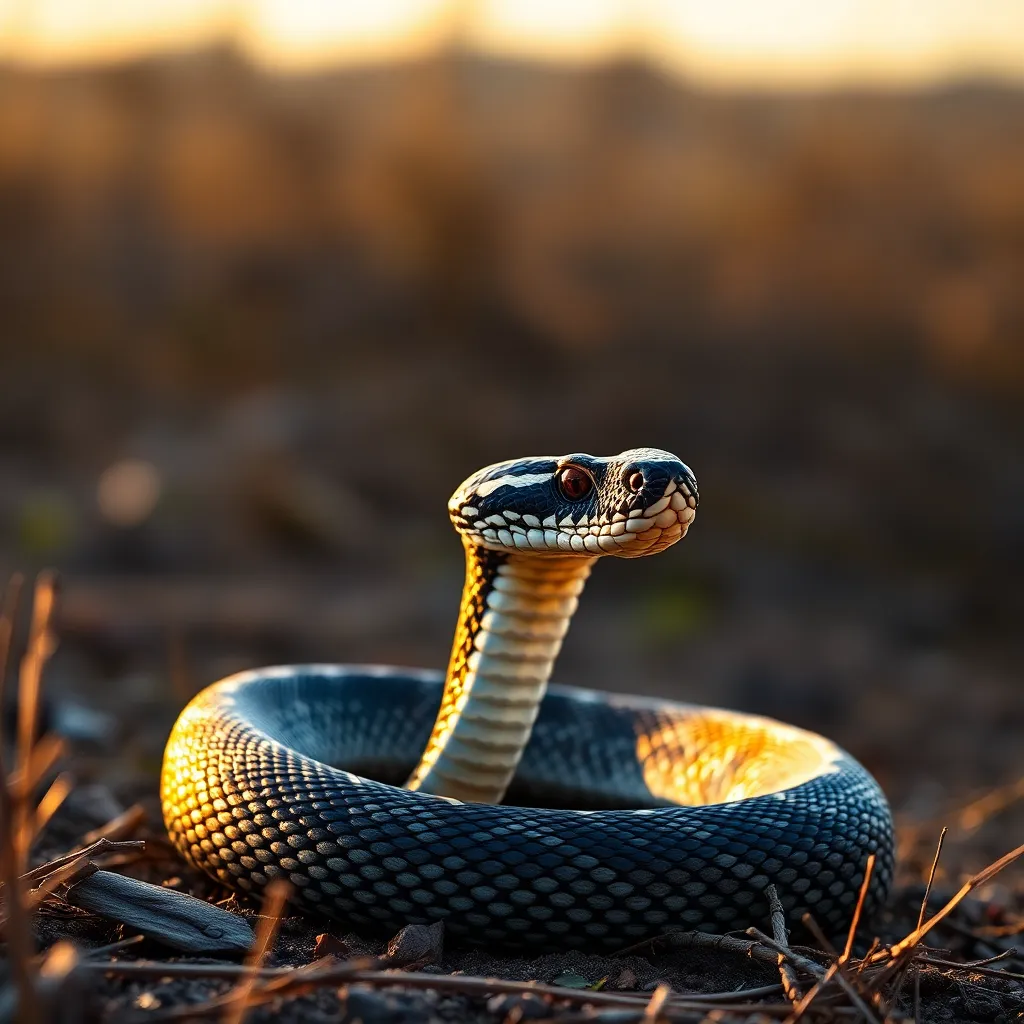
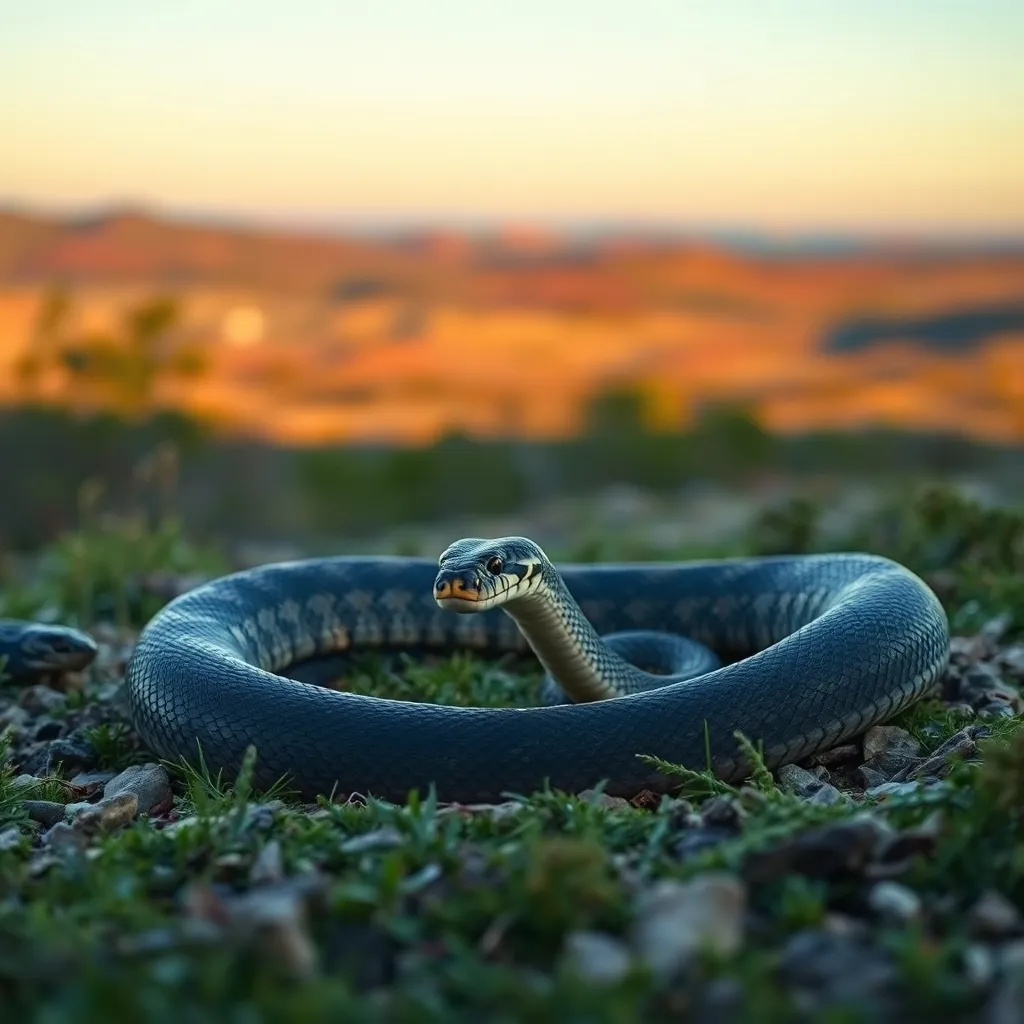
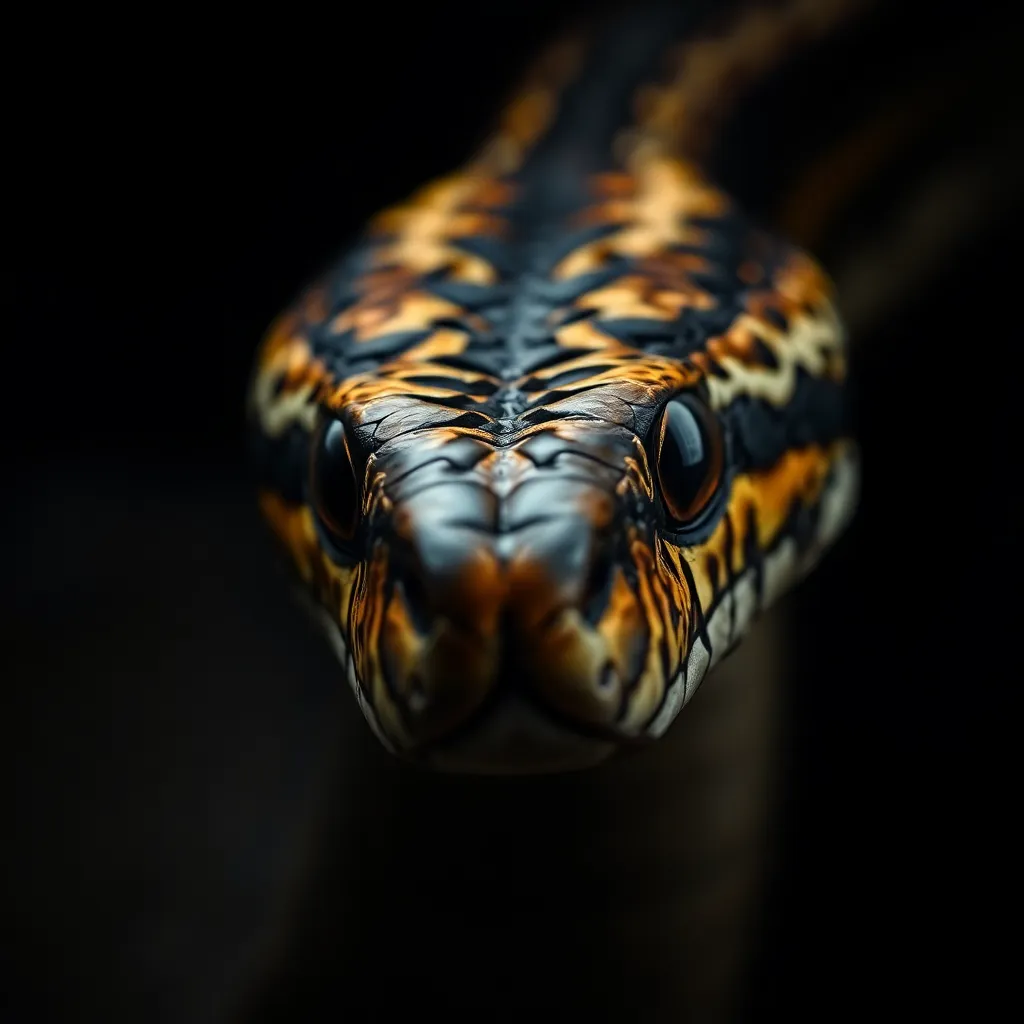
The common European adder is the only venomous snake native to Britain and the most northerly-distributed snake in the world, found within the Arctic Circle in Scandinavia. Recognizable by a distinctive dark zigzag pattern down its back, the adder relies on patience and ambush rather than speed, spending hours basking in sunlight to warm its ectothermic body before hunting. Despite its fearsome reputation, adder bites in humans are rarely fatal — fewer than 15 deaths have been recorded in the UK over the past century.

⚡ Speed Comparison

Viper
7 km/h
Human
12 km/h
Car (city)
50 km/h
Horse
54 km/h

💡 Fun Facts

01

The adder is the only venomous snake that survives in truly Arctic climates — in northern Scandinavia, it hibernates for up to 8 months of the year.

02

Adders give birth to live young in late summer — females retain eggs internally until hatching to buffer them against cold northern climates.

03

Male adders perform ritualized wrestling 'dances' in spring, each trying to pin the other's head to the ground, without using their venom.

04

An adder can strike and return to striking position in less than one-eighth of a second — faster than the human eye can follow.

05

The zigzag pattern on an adder's back is unique to each individual, like a human fingerprint, allowing researchers to identify specific snakes.

Unlock Expert Wildlife Facts

Watch a short 15-second video to unlock detailed expert analysis, exclusive wildlife photography, and rare behavioral facts.

📍 Where to Find This Animal

Habitat Types: Heathland & Moorland

🛒 Viper Related Gear

As an Amazon Associate we earn from qualifying purchases.
🗨️

Join the Conversation

Share your thoughts about the Viper

✍️

Leave a Comment

Your email address will not be published. Required fields are marked *

How Big Is a Viper?

Side-by-side comparison with an adult human (175 cm)

🧍
Human
175 cm
🐍
Viper
65 cm
shoulder height
50–180 BODY WEIGHT
55–90 BODY LENGTH
7 TOP SPEED
10–15 LIFESPAN
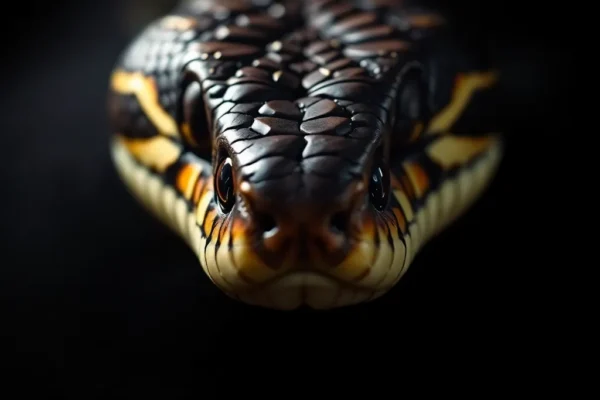
Viper close-up
Viper

SURVIVAL TOOLKIT

Built for Survival

Nature's engineering refined over millions of years

🔬 SURVIVAL TOOLKIT
Solar Ectothermy
01

Solar Ectothermy

Body temperature is regulated entirely by behavior — basking on sun-warmed rocks to reach optimal hunting temperature before venturing to hunt.

Hemotoxic Venom
02

Hemotoxic Venom

Solenoglyphous hinged fangs inject venom that disrupts blood clotting and destroys tissue, immobilizing prey within minutes.

Disruptive Zigzag Pattern
03

Disruptive Zigzag Pattern

The bold dorsal pattern breaks up the body outline in dappled heath and bracken, making motionless adders essentially invisible.

Arctic Hibernation
04

Arctic Hibernation

Metabolic rate drops to near zero during hibernation, allowing survival through months of sub-zero temperatures underground.

Vomeronasal Hunting
05

Vomeronasal Hunting

Tongue delivers airborne molecules to Jacobson's organ, creating a three-dimensional scent map that locates warm prey with precision.

Coiled Patience in the Heather. An extraordinary creature that reminds us what we stand to lose.

Jungal Safari · Wildlife Network
💡

Did You Know?

The adder is the only venomous snake that survives in truly Arctic climates — in northern Scandinavia, it hibernates for up to 8 months of the year.

🍖 DIET: CARNIVORE

What Does the Viper Eat?

🐭
Voles & Mice
🦎
Lizards
🐸
Frogs & Toads
🐦
Nestling Birds
🪱
Earthworms
🗺️ GEOGRAPHIC RANGE

Where Do Vipers Live?

🌍
Continents
📉
Population Trend Declining

Conservation in Action

How You Can Help the Viper

Small actions, taken together, can reverse the decline of species like this one

🌳
Protect Habitat

Support wildlife reserves and protected land corridors

🚫
Stop Poaching

Report illegal trade and back anti-poaching patrols

🔬
Fund Research

Camera-trap studies and population monitoring

🤝
Community Work

Partner with local herders to reduce conflict

📢
Raise Awareness

Educate and inspire future wildlife champions

"Without urgent action, the Viper could disappear from the wild within our lifetime."

PROTECT THEM. PRESERVE THEIR LEGACY.

The Viper's Future
Is In Our Hands

Every share, every donation, every voice raised — makes a difference for wildlife conservation.

🌳Protect Habitat
📢Raise Awareness
💰Fund Research
🤝Community Work
🚫Stop Poaching

"Protect Wildlife. Preserve Our Planet."

Every species matters. Every action counts.

Advertisement