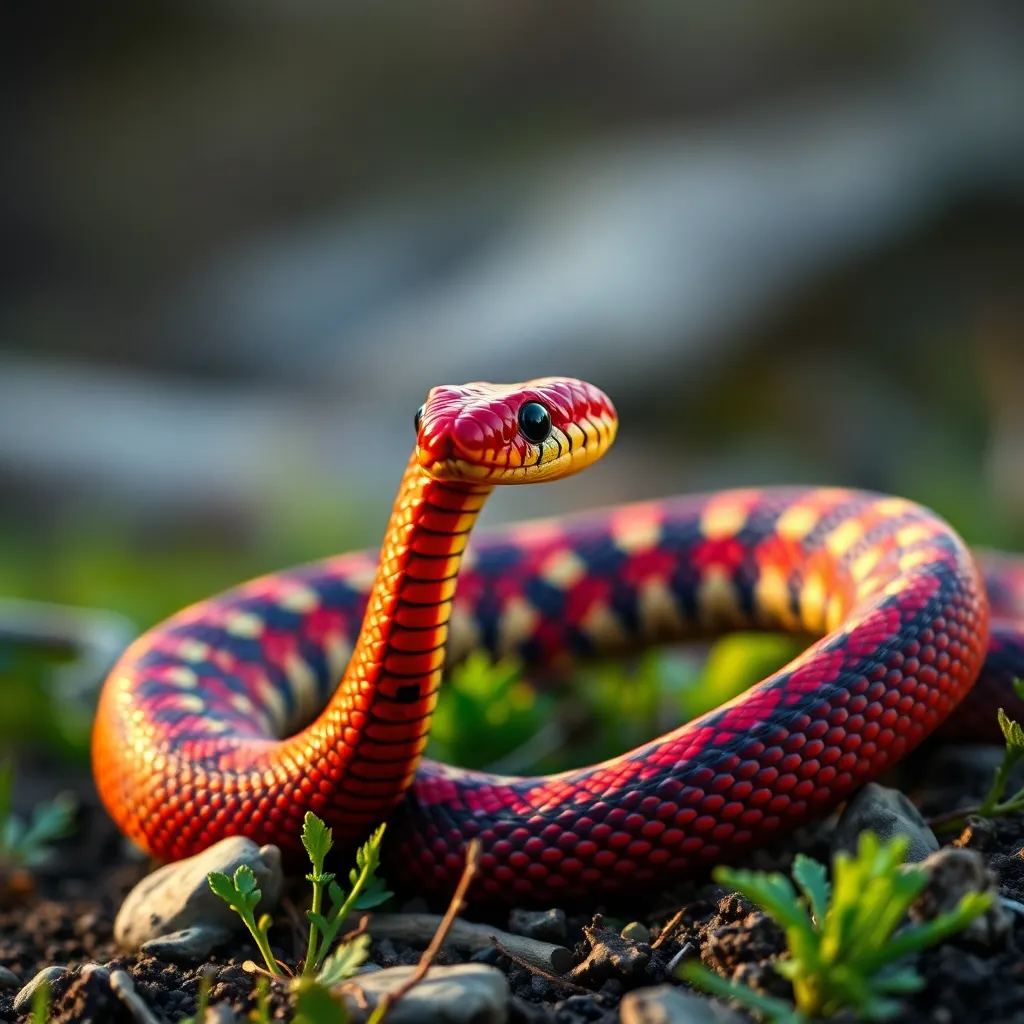
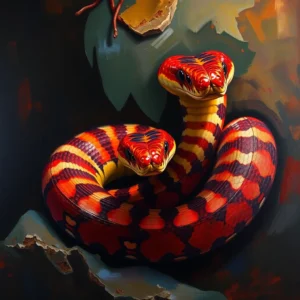
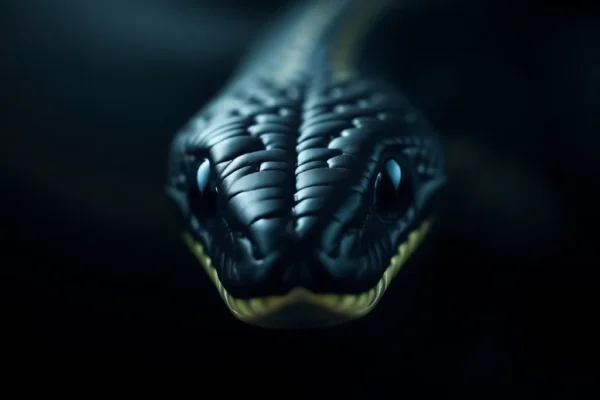
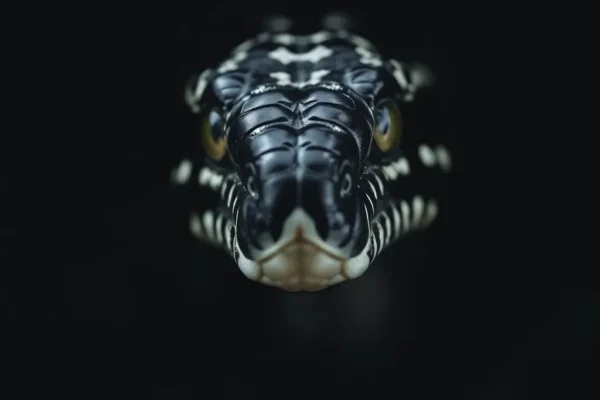
The eastern coral snake is one of North America’s most venomous serpents, a member of the elapid family that includes cobras and mambas. Its vivid red, yellow, and black banding pattern serves as an aposematic warning signal to predators, honestly advertising its potent neurotoxic venom. Despite its deadly venom, coral snakes are secretive, fossorial animals that spend most of their time hidden under leaf litter and logs, rarely encountered by humans.
About the Coral Snake
Micrurus fulvius
Advertisement
⚡ Speed Comparison
📸 Photo Gallery


💡 Fun Facts
01
Coral snake venom is a powerful neurotoxin that blocks acetylcholine receptors, causing paralytic respiratory failure — but there is no commercially available antivenom in the US since 2010.
02
The rhyme 'red touches yellow, kill a fellow' distinguishes North American coral snakes from harmless mimics like the scarlet kingsnake.
03
Coral snakes must chew their venom into prey because their fixed front fangs lack the hinged mechanics of viper fangs.
04
They produce a popping sound by expelling air from their cloaca as a defensive behavior when threatened.
05
Despite their potency, coral snakes are responsible for fewer than 1% of snakebite deaths in North America due to their shy, secretive nature.
📍 Where to Find This Animal
Habitat Types:
Subtropical and Tropical Forest
🛒 Coral Snake Related Gear
As an Amazon Associate we earn from qualifying purchases.



Join the Conversation
Share your thoughts about the Coral Snake