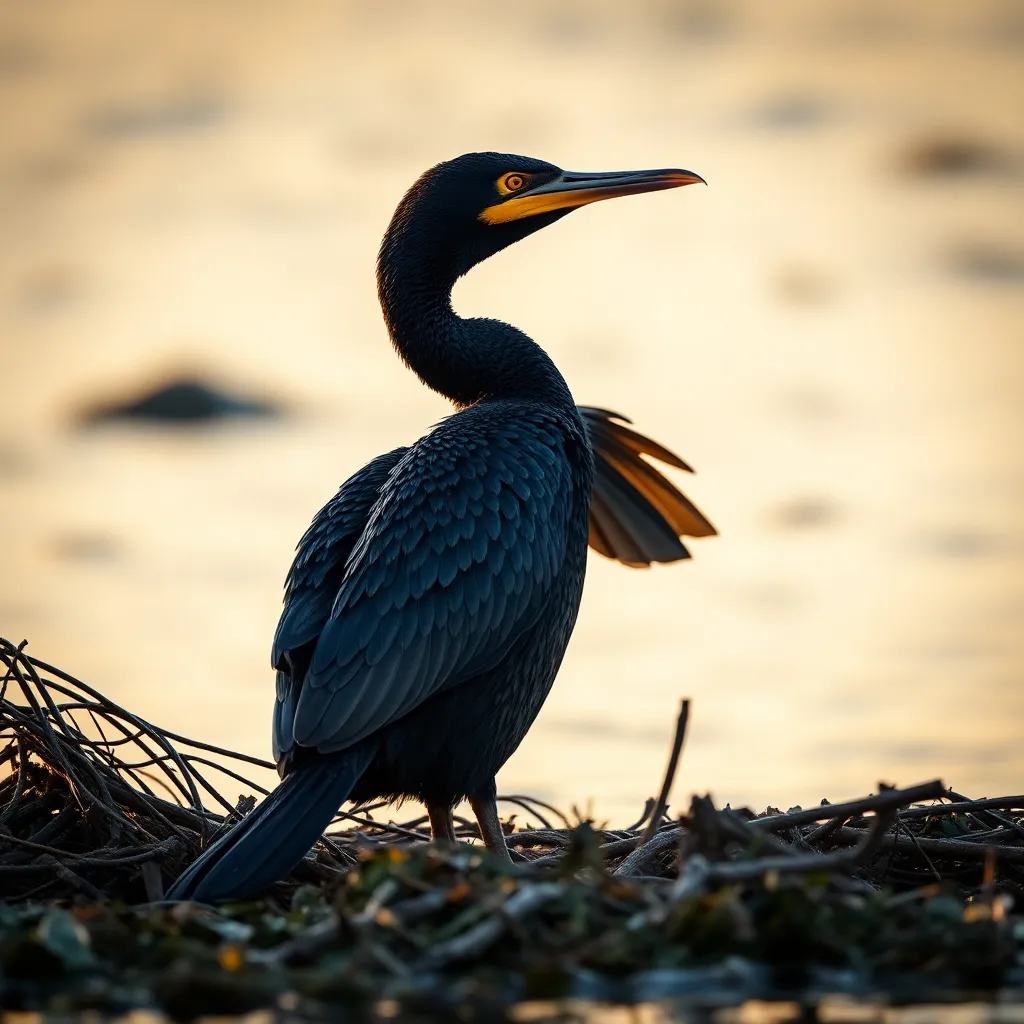
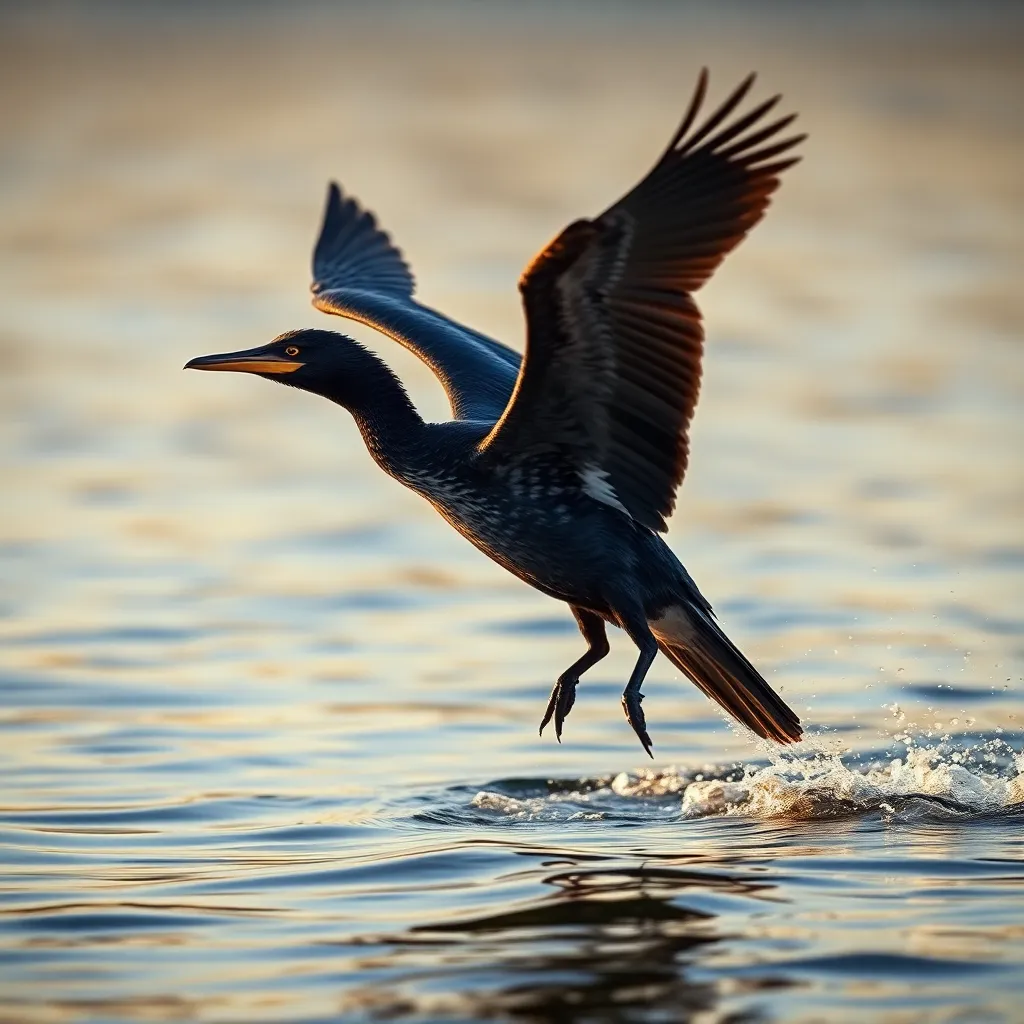
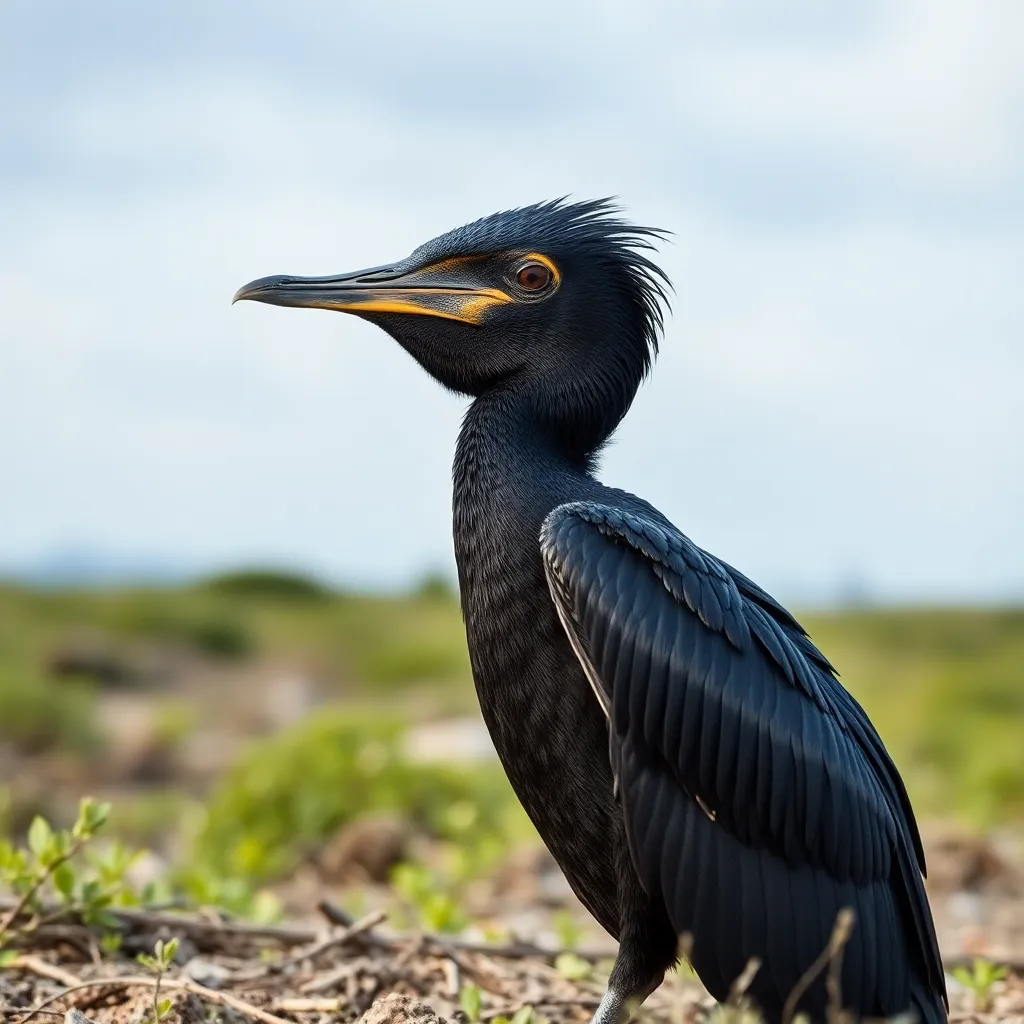
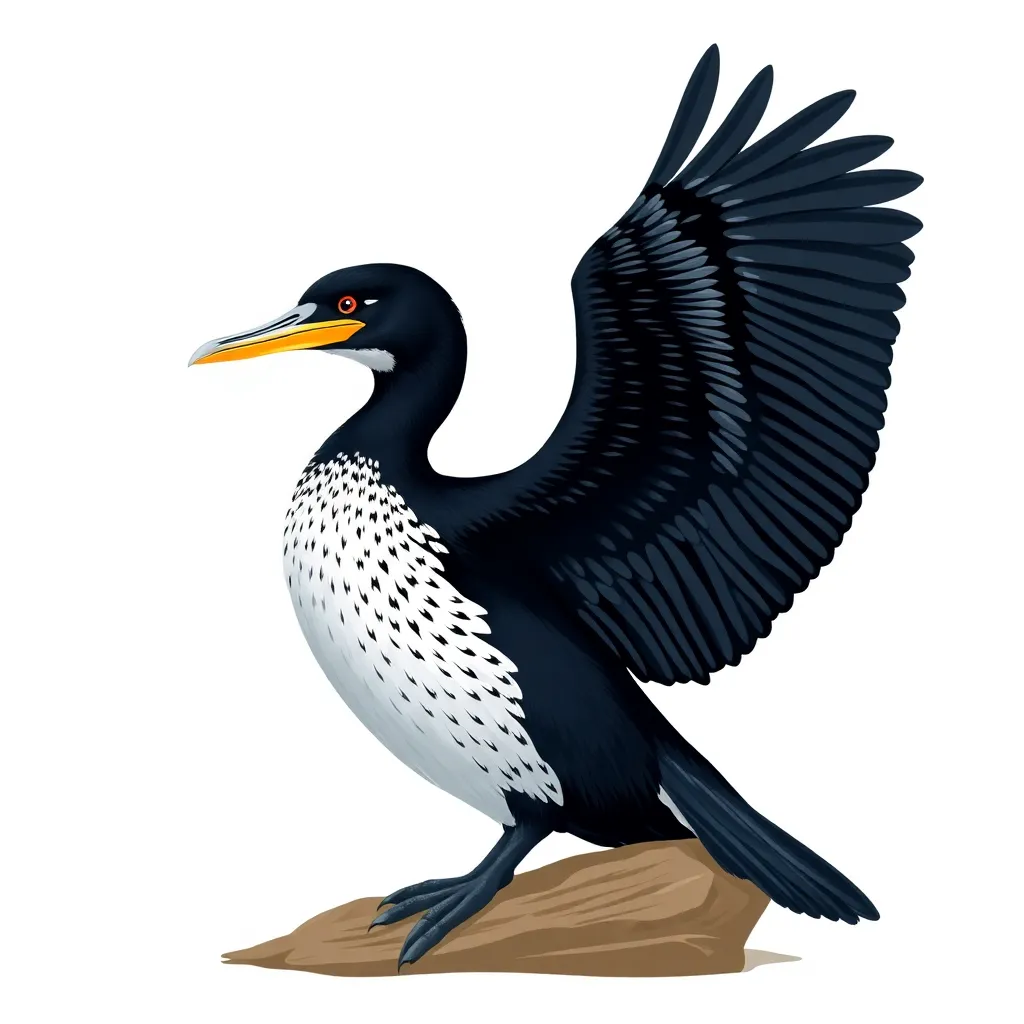
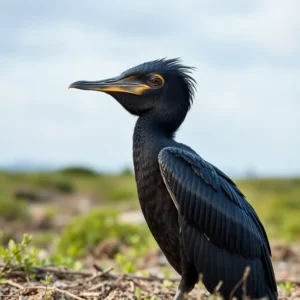
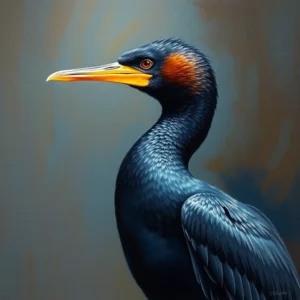
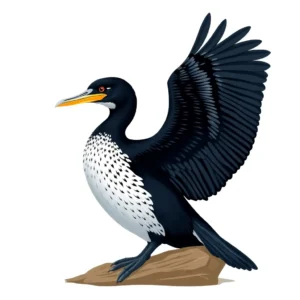
The great cormorant is a widespread and highly successful fish-eating seabird found on coastlines and large inland waters across much of Europe, Asia, Africa, and Australasia. Unlike most waterbirds, cormorants have wettable rather than waterproof plumage, reducing buoyancy and allowing them to dive more easily; the trade-off is that they must stand with wings spread to dry after each fishing bout. Their famous wing-spreading posture has become one of the most recognizable sights along waterways worldwide.
About the Cormorant
Phalacrocorax carbo
Advertisement
⚡ Speed Comparison
📸 Photo Gallery
💡 Fun Facts
01
Cormorant feathers are deliberately not fully waterproof — the reduced buoyancy makes diving easier and more energy efficient.
02
Traditional cormorant fishing, where trained cormorants catch fish for human fishers, has been practiced in China and Japan for over 1,300 years.
03
Great cormorants can dive to depths of 35 metres and remain submerged for up to 4 minutes.
04
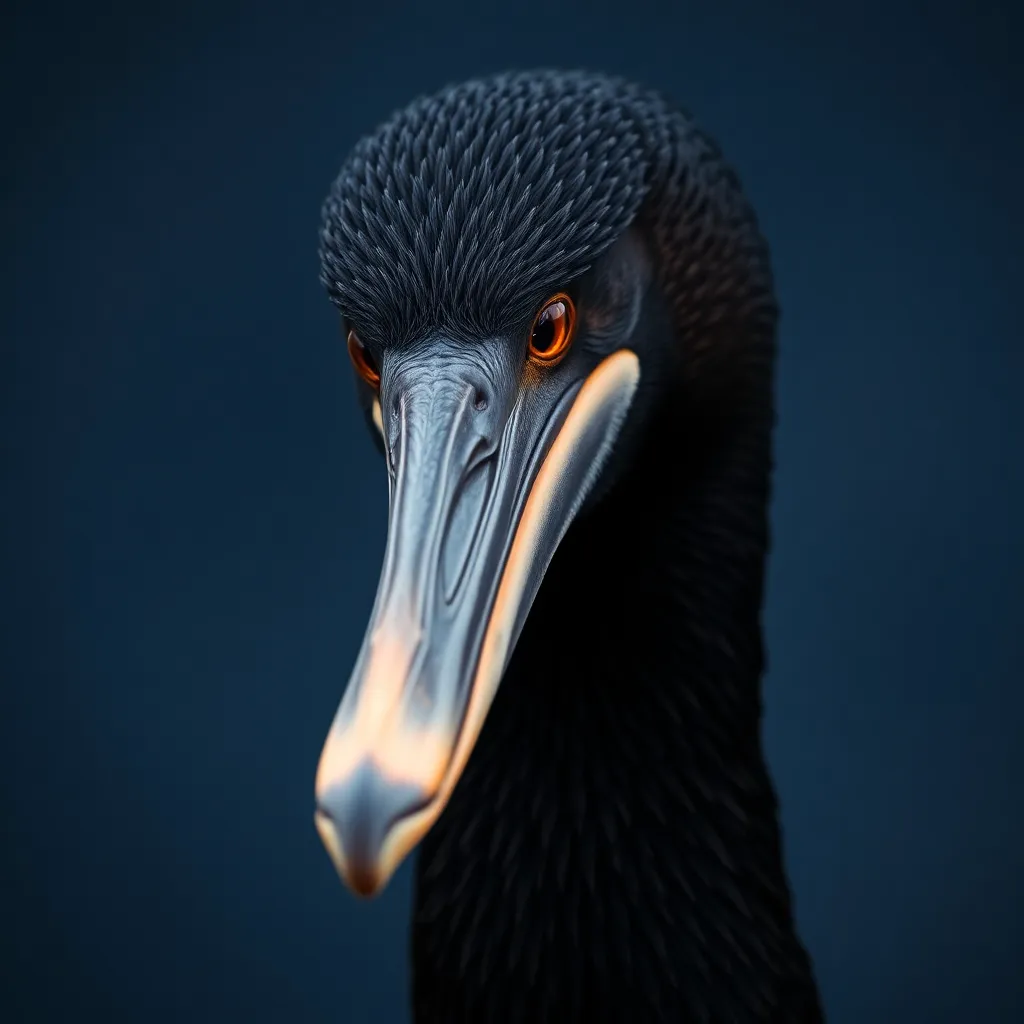
Their hooked bill has a serrated edge that acts like a saw to grip slippery fish securely.
05
Cormorant colonies produce such high concentrations of guano (droppings) that they can kill the trees they nest in, yet the guano fertilizes surrounding water ecosystems.
🛒 Cormorant Related Gear
As an Amazon Associate we earn from qualifying purchases.


Join the Conversation
Share your thoughts about the Cormorant